
Tokyo: Imperial Palace East Gardens & Edo Castle Private Walk


Tokyo’s past and present collide at the Imperial Palace gardens
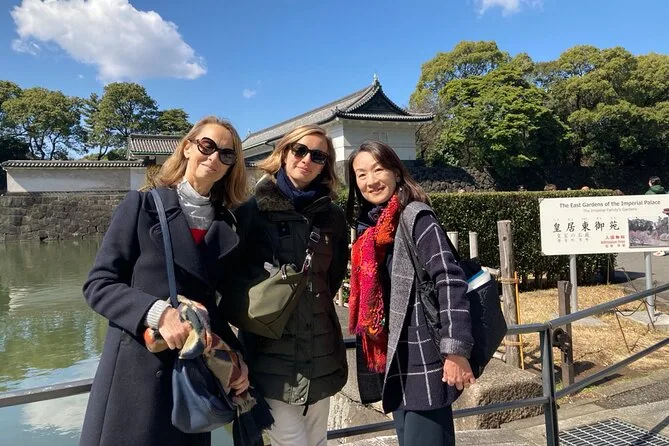
You’ll wander Tokyo’s Imperial Palace East Gardens with a local guide, tracing samurai footsteps past Edo Castle ruins and mossy moats. Feel centuries-old tension at guardhouses, pause among seasonal flowers in Ninomaru Garden, and stand atop the Tenshu foundation where history meets skyline—all at an easy pace with stories only locals share.
 2h
2h

Step-by-step itinerary
Explore Edo Castle and Imperial Gardens
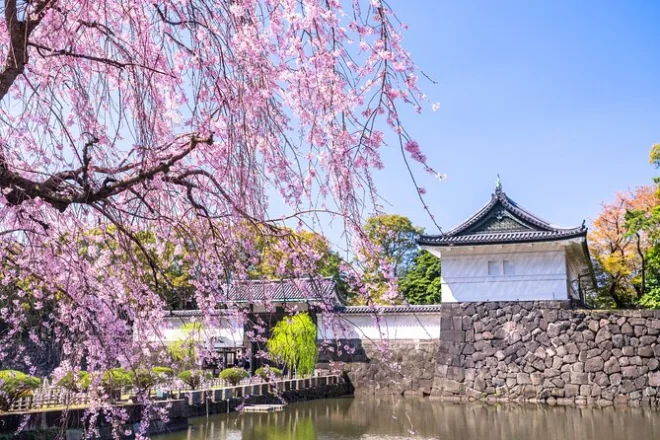
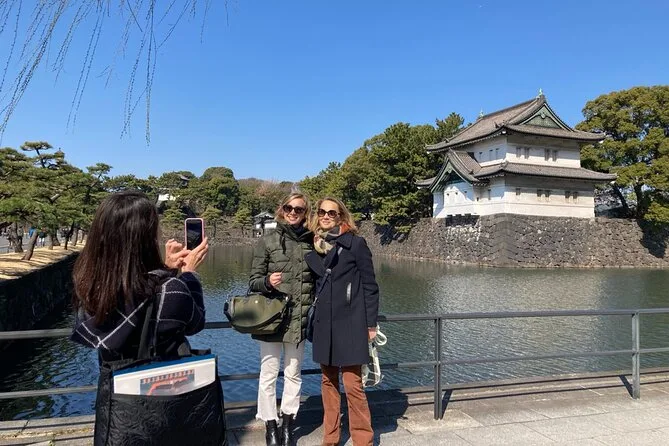
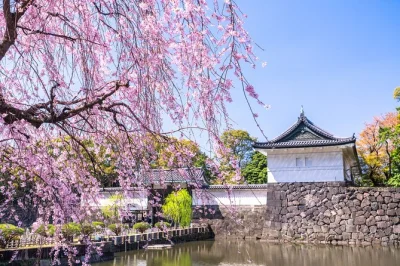
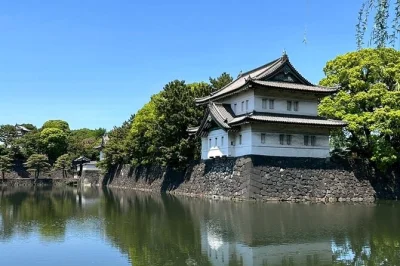
- Visit white watchtower at moat corner
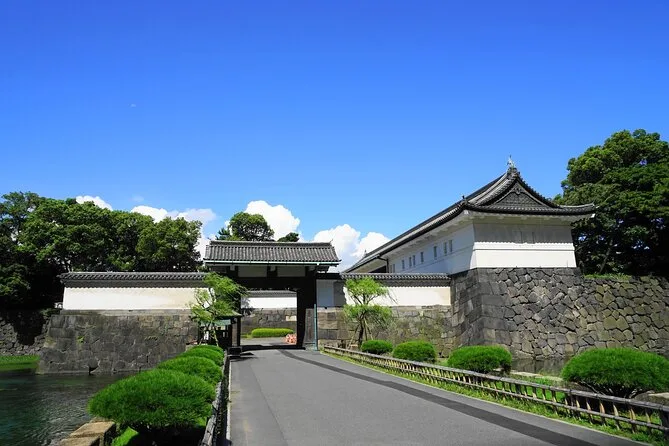
- See Ōte-mon Gate main entrance
- Walk through guardhouses and gate sites
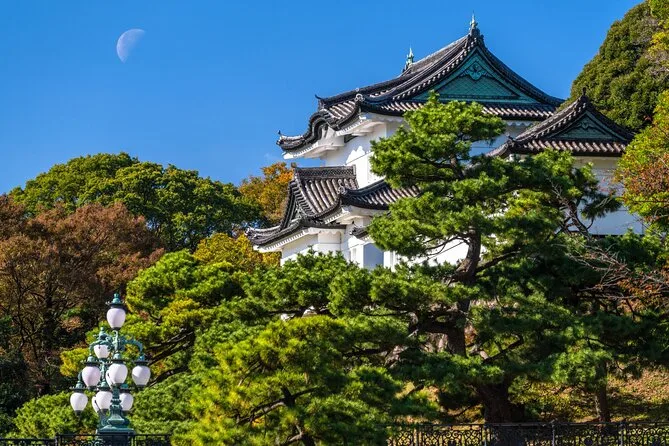
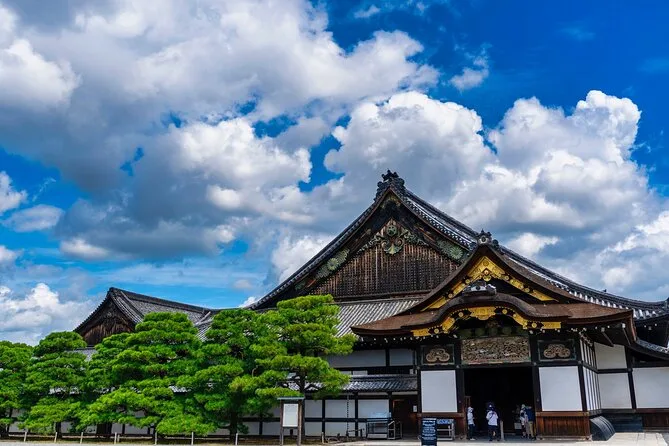
- View surviving three-story castle keep
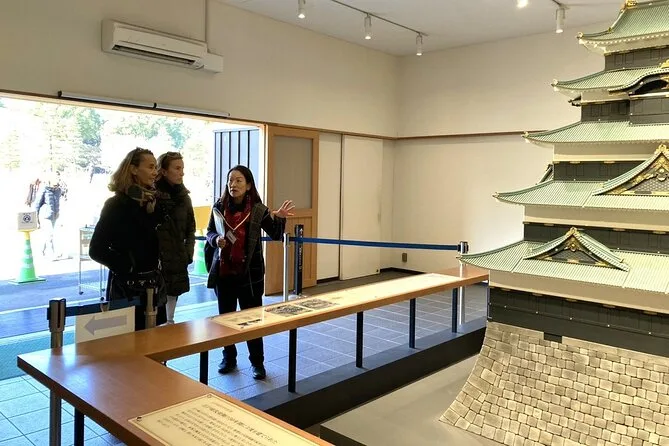
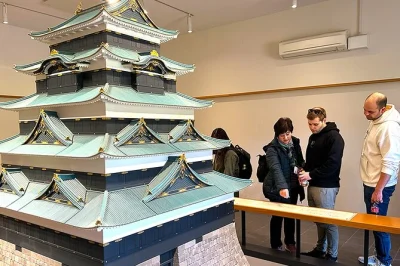
- Admire 1:50 scale castle model
- Explore massive Tenshu foundation platform
- Stroll in traditional Japanese garden

The Experience
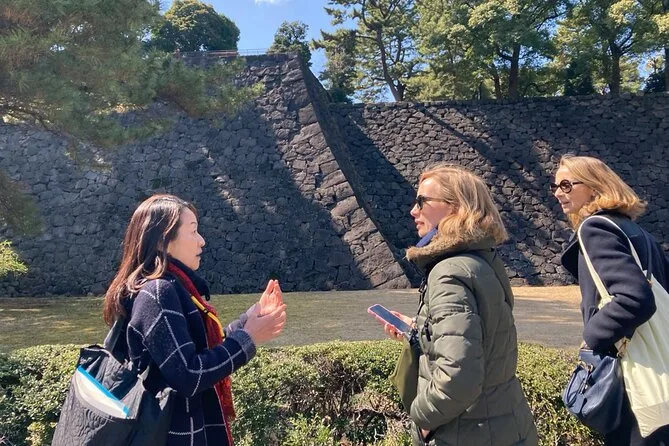
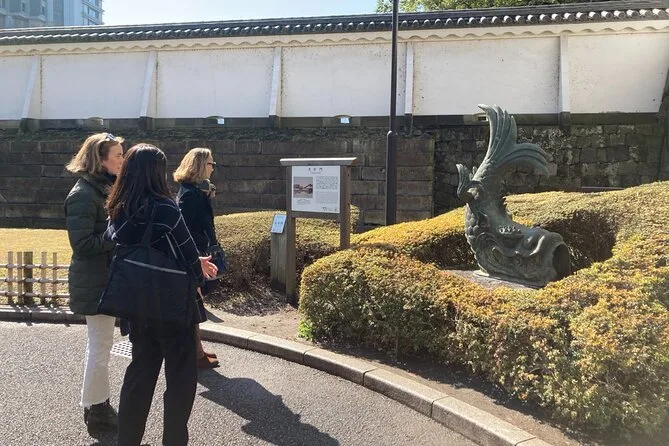
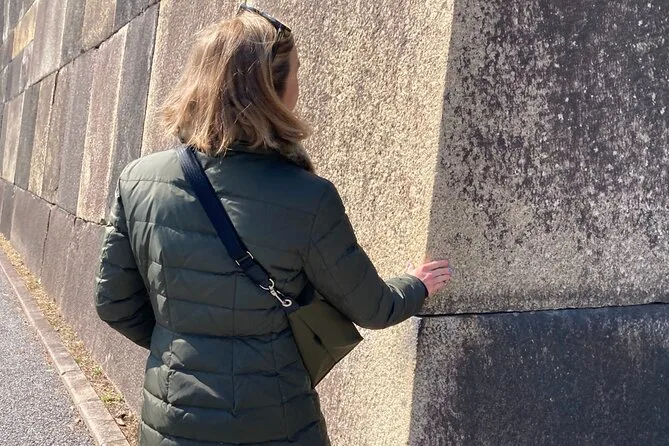
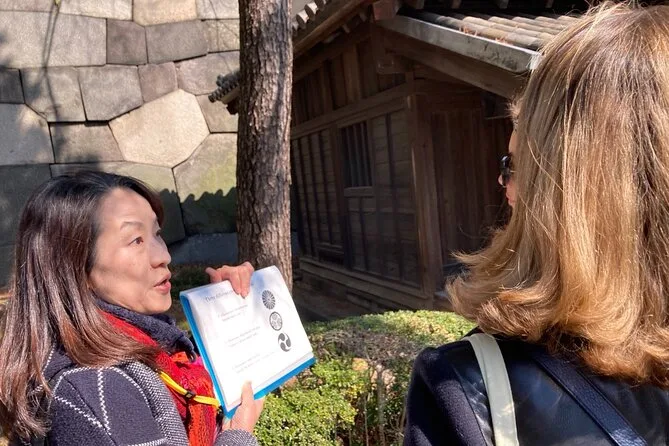
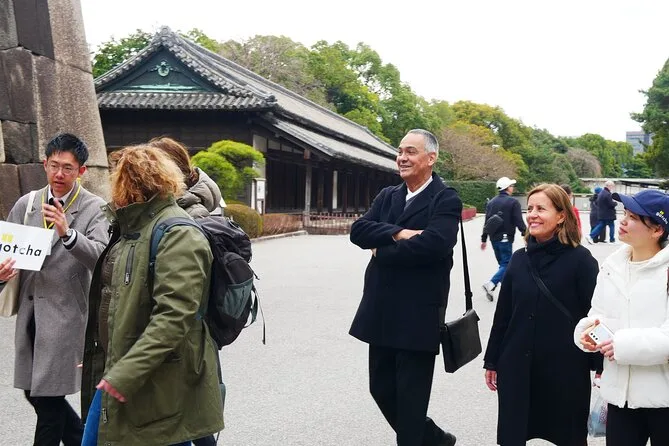
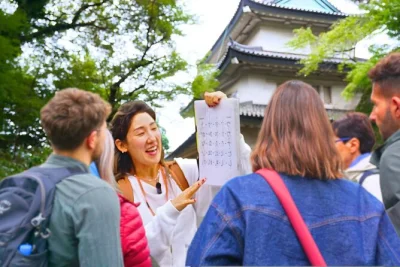
I nearly tripped over my own feet at the Ōte-mon Gate—blame it on gawking at those massive stones stacked like puzzle pieces. Our guide, Aya, laughed and said even locals sometimes forget this used to be the main entrance for samurai lords heading in to see the Shogun. It’s wild how you step off a noisy Tokyo street and suddenly you’re surrounded by these ancient walls, with skyscrapers peeking over them like nosy neighbors. I could still hear the faint hum of traffic somewhere behind us, but inside, it felt quieter—like the city was holding its breath.
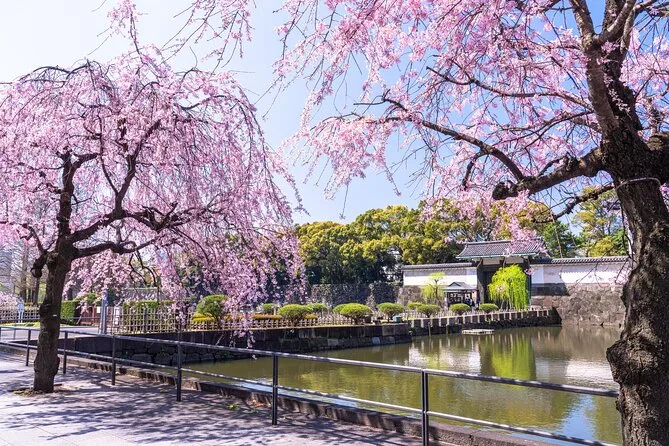
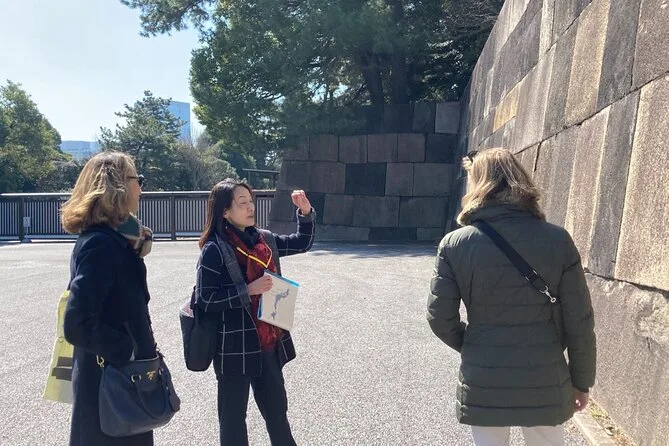
The path through the old guardhouses made me weirdly nervous. Aya told us about the “Hundred-Man Guard,” which sounded intense, and pointed out where samurai would have stood watch all night. The stone barracks are huge—way bigger than I expected—and you can actually feel how serious security must’ve been back then. I kept imagining what it’d be like walking here centuries ago, hoping not to mess up some protocol. There’s this old-moss smell near the moat that hit me as we walked by; kind of earthy, kind of metallic—hard to describe but definitely not something you get in Shibuya.
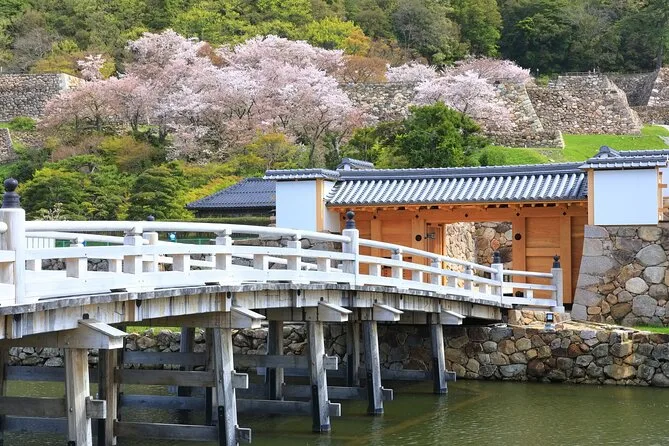
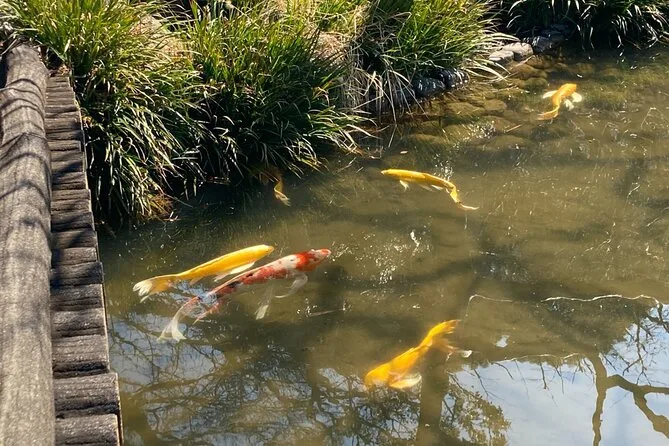
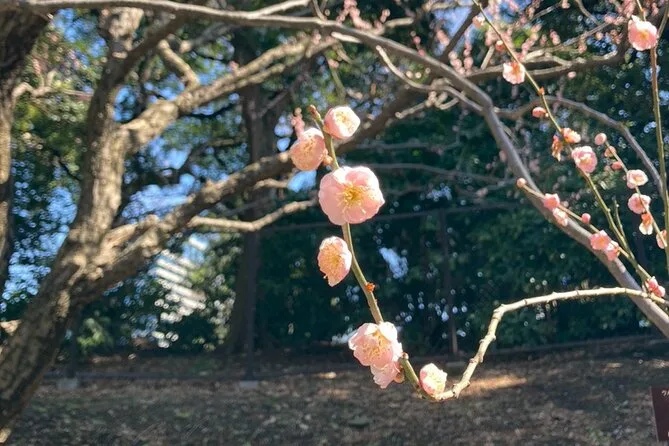
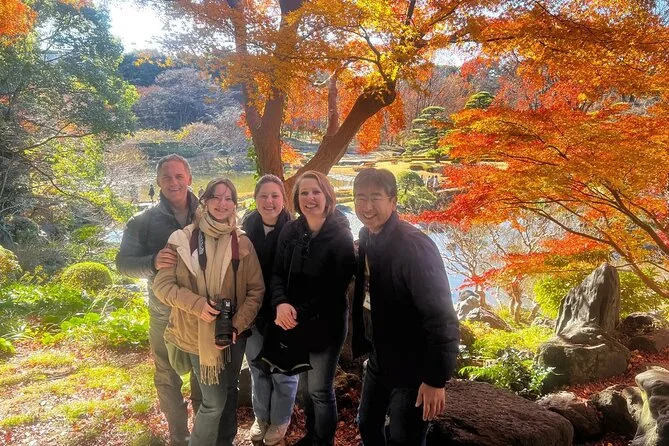
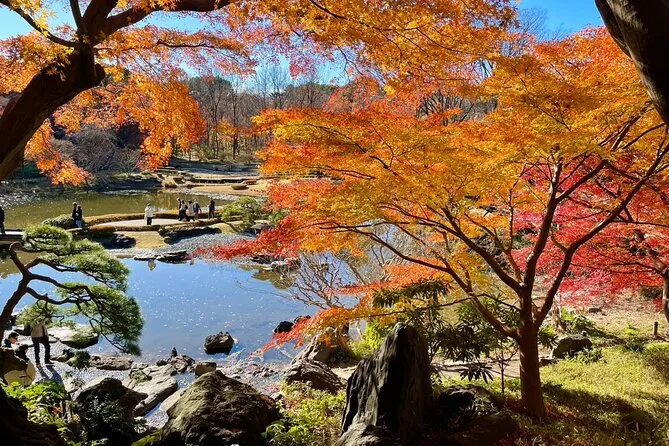
I didn’t expect to get so caught up in Ninomaru Garden. Cherry blossoms were gone (missed them by a week), but there were irises everywhere—purple and white splashes around a pond full of lazy koi. Aya pointed out trees from every prefecture in Japan; she seemed genuinely proud of that detail. We sat for a minute on a stone bench while she explained how this spot was once part of the Shogun’s secondary residence. Honestly, I still think about that moment—the quiet water, someone nearby whistling softly, sun glinting off a turtle’s shell.
The Tenshu foundation is just this giant stone platform now (the actual tower burned down ages ago), but standing up there with Aya pointing out where Mt. Fuji would’ve been visible… it hit me how much has changed and how much hasn’t. You can see Marunouchi’s glass towers right next to these ancient stones—it’s almost jarring but also kind of perfect for Tokyo. We didn’t go inside the Emperor’s palace (not allowed), but honestly? Walking these grounds with someone who grew up here felt plenty special.

What’s included
Your day includes a guided private walk through Tokyo’s Imperial Palace East Gardens with stops at Edo Castle ruins and Ninomaru Garden; all led by a knowledgeable local guide who shares stories along every step—no palace entry included but public transport is close by for easy arrival or departure.
Operated by gotcha
Traveler reviews
Compare the 13 similar options
 Tokyo: Imperial Palace East Gardens & Edo Castle Private Walk★ 4.92 (170)2hENJP¥ 9,900
 Tokyo & Mt. Fuji Private Tour: Custom Itinerary, Pickup & DriverFeel Tokyo’s pulse from Shibuya Crossing to Senso-ji Temple, with a private English-speaking driver, hotel pickup, and flexible stops—even Tsukiji Market snacks.★ 4.96 (329)9hEN · RU +1JP¥ 53,371per groupView ›
 Tokyo Imperial Palace & Edo Castle Ruins Walking TourTour Tokyo Imperial Palace East Gardens and Edo Castle ruins with an English-speaking guide. See samurai history, stone gates, and Ninomaru Garden. Wheelchair accessible.★ 4.95 (3,147)2hENJP¥ 2,000View ›
 Tokyo Imperial Palace & Gardens Walking Tour StoriesFeel the quiet power of Tokyo’s Imperial Palace grounds, stroll hidden gardens, hear samurai tales from a local guide. Small group walking tour with no dress code.★ 4.94 (443)2hENJP¥ 6,000View ›
 Tokyo Shibuya Crossing & Hachiko: Private Walking TourShibuya walking tour with local guide: Hachiko Statue, Scramble Crossing, Shibuya Center Gai, matcha break, JUMP SHOP. Guide takes and shares photos.2h 30mENJP¥ 9,921View ›
 Tokyo: Edo Castle & Imperial Palace Samurai Walking TourEdo Castle secrets, samurai history & Imperial Palace gardens in small groups under 10. Expert guide, 2,600-year imperial legacy, English-only tour from Tokyo Station.★ 4.95 (1,812)2hENJP¥ 2,000View ›
 Tokyo Private City Tour by Car: Tsukiji, Shibuya & SkytreeFeel the pulse of Tokyo on a private city tour by car. Wander Tsukiji Market, cross Shibuya, see Skytree views. Includes hotel pickup and English guide.★ 4.97 (76)8h–9hEN · PA +1JP¥ 55,000per groupView ›
 Tokyo Go Kart Tour Akihabara: Costume Driving & Shibuya CrossingDrive a go kart through Tokyo's streets in anime costume. Includes Akihabara, Shibuya Crossing, Tokyo Station, professional guide. International driving permit required.★ 5.00 (55)1h 40m–2hENJP¥ 9,500View ›
 Tokyo: Private Walking Tour Senso-ji, Shibuya & HarajukuLet a Tokyo local customize your private walking tour—Senso-ji, Shibuya Crossing, Harajuku pop culture. Includes hotel pickup and flexible start times.★ 4.99 (99)2h–8hEN · ESJP¥ 7,064View ›
 Tokyo Imperial Palace: 2-Hour Walking Tour & Nijubashi Bridge2-hour guided walking tour of Tokyo Imperial Palace with local expert. Small groups, Nijubashi Bridge, East Gardens, samurai history included.2hEN · ZHJP¥ 7,833View ›
 Tokyo Go-Kart: Shibuya, Roppongi & Tokyo Tower DriveFeel the rush of Tokyo in a go-kart, crossing Shibuya, zipping past Tokyo Tower & Roppongi. IDP required. Includes all fees. Book your spot for an urban adventure.★ 4.93 (128)2h 30m–3hENJP¥ 26,000View ›
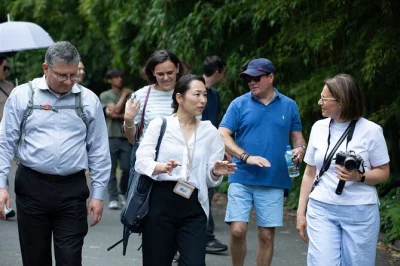 Tokyo Imperial Palace & Edo Castle: East Garden Walking TourTour the Imperial Palace East Gardens and Edo Castle ruins in Tokyo with an English-speaking guide. Includes Ninomaru Garden, historic gates, and seasonal flowers. 2–3 hours.★ 4.90 (713)2h 30mENJP¥ 3,924View ›
 Tokyo Station & Imperial Palace: 1 Hour Guided Walk + BookletStart at Tokyo Station’s red bricks, stroll the Imperial Palace grounds, and get local stories in just 1 hour. Includes guide, tips booklet, and easy access for all.★ 4.95 (79)1hENJP¥ 1,440View ›
Top questions
Can you visit inside the Imperial Palace on this tour?
No, this tour does not include entry into the Emperor's residence or inner palace areas.
How long does it take to walk through the East Gardens?
The walk is leisurely and typically takes 2-3 hours depending on your pace and interest in each site.
Are there cherry blossoms in Ninomaru Garden year-round?
No, cherry blossoms bloom in spring; other seasonal flowers like irises appear at different times.
Is public transportation available near the starting point?
Yes, public transportation options are available nearby for easy access to the gardens.
What historical sites are included on this private tour?
You’ll see Ōte-mon Gate, Edo Castle ruins, guardhouses, Tenshu foundation, and Ninomaru Garden.
Is lunch or food included during the tour?
No meals are included; however, you can bring snacks or eat nearby before or after your visit.
Is this tour suitable for families or older travelers?
Yes, it's suitable for all physical fitness levels; infants must sit on an adult’s lap if needed.
Will we learn about samurai history during the walk?
Yes, your local guide shares stories about samurai guards and feudal-era life throughout the tour.
Tokyo: Imperial Palace East Gardens & Edo Castle Private Walk
2h · EN
from JP¥ 9,900 per person
★★★★★★★★★★4.92170 reviews
