
Tokyo Ginza: Sumo Show or Training with Ex-Pro Wrestlers


Step inside sumo culture in Tokyo Ginza with real wrestlers guiding you
You’ll step into Tokyo’s Ginza district and choose between cheering on retired sumo pros at a lively performance or joining them for real training on the mat. Try traditional rituals like salt throwing, enjoy bottomless chanko-nabe if you pick the show, and take home a signed handprint keepsake. It’s all guided by locals who make you feel welcome—even if your sumo stance is terrible.
 1h–1h 40m

Step-by-step itinerary
Sumo experience in Ginza, Tokyo
- Arrive 10 minutes early
- Show address to taxi driver
- Enter venue at Ginza Inns 1
- Choose Plan A or Plan B
- Plan A: Watch sumo entertainment show
- Plan A: Participate in interactive segments
- Plan A: Try Challenge Sumo lottery
- Plan A: Enjoy bottomless chanko-nabe and drinks
- Plan B: Join 60-minute sumo training workshop
- Plan B: Learn shiko, suri-ashi, butsukari-geiko
- Plan B: Wear kesho-mawashi for photo

The Experience
Salt scattered across the ring, and I almost flinched when it hit my shoes. Our guide—he used to fight in the top division, but he just grinned at my surprise—showed us how to do the ritual. The smell of chanko-nabe simmering somewhere nearby mixed with that faint, clean scent you get in Japanese halls. I kept glancing at the big guys warming up, their movements so heavy and careful, but there was this weird lightness too. You don’t really expect to laugh during a sumo show, but when someone from our group got picked for “Challenge Sumo” and tried to push a wrestler out of the dohyo, everyone cracked up—including the wrestlers themselves.
For our day trip in Tokyo Ginza, we had two options: watch the sumo entertainment show or actually step onto the mat for an asa-geiko training session. I went for Plan A (the show) because honestly, I wasn’t sure my knees would survive shiko stomping. But seeing those rituals up close—like salt throwing and ceremonial gestures—felt way more personal than I’d expected. The local staff explained everything in English and Japanese; they even helped me order vegetarian food since chanko-nabe isn’t always veggie-friendly (they were patient about my pronunciation too). If you’re into hands-on stuff though, Plan B lets you try real sumo moves with a retired pro guiding every step.
I still think about that moment when silence fell before a bout started—just this hum of anticipation and everyone watching the wrestlers bow to each other. It’s not an official tournament, but it didn’t feel fake either. There was this respect in every move; even when we joked around, you could sense how much tradition mattered here. At the end, they handed us a signed handprint board as a souvenir—I’m not usually sentimental about things like that, but I kept mine.

What’s included
Your day includes English/Japanese commentary from a former top-division sumo wrestler, interactive rituals like salt throwing or shiko practice depending on your plan, plus all-you-can-eat chanko-nabe if you choose the entertainment show. Every guest gets a signed handprint souvenir—and if you join training, there’s time for commemorative photos in ceremonial dress before heading back out into Ginza.
Operated by 株式会社Japanticket
Traveler reviews
Compare the 8 similar options
 Tokyo Ginza: Sumo Show or Training with Ex-Pro Wrestlers★ 4.79 (262)1h–1h 40mJP¥ 12,000
 Live Sumo Show & Kaiseki Dinner in Ginza, TokyoWatch live sumo on a full-scale dohyo ring in Ginza while you eat kaiseki—the show runs in English with sound and lighting effects, and the meal is included with your seat.★ 4.94 (156)2h 15mENJP¥ 19,000View ›
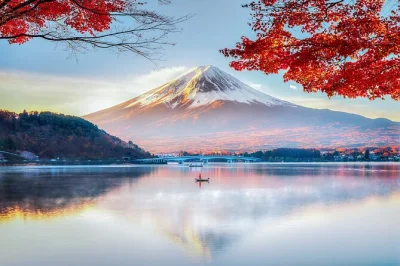 Mount Fuji, Big Buddha & Lake Ashi Day Trip from TokyoVisit Mount Fuji, Kamakura's Great Buddha, Lake Ashi and Oshino Hakkai village on a guided day trip from Tokyo with transport and optional lunch.★ 4.84 (1,516)11hEN · ESJP¥ 15,540View ›
 Nikko Day Trip: Toshogu Shrine, Kegon Falls & Lake ChuzenjiDay trip from Tokyo to Nikko with bilingual guide, Shinkyo Bridge, Toshogu Shrine (UNESCO site), Kegon Falls and Lake Chuzenji★ 4.84 (1,968)11hEN · ESJP¥ 17,110View ›
 Mt Fuji Full Day Private Tour from Tokyo: Customizable RoutePrivate full-day tour of Mt Fuji from Tokyo with English-speaking driver, hotel pickup, and stops at Lake Kawaguchi, Chureito Pagoda, and Oshino Hakkai★ 4.96 (108)10hJP¥ 67,498per groupView ›
 Tokyo Food Tour: Yurakucho & Ginza Izakaya Night WalkLet Tokyo surprise you with a night food tour in Yurakucho & Ginza, tasting izakaya classics, street snacks & dessert. Includes local guide and all tastings.★ 4.76 (216)3hENJP¥ 36,261View ›
 Tokyo: Ginza Food Tour with 3 Local Eateries & DrinksFollow a local guide through Ginza, Yurakucho & Shimbashi on a Tokyo food tour. Sample sushi, yakitori & more at three stops. Includes drinks & city walk.★ 4.95 (110)3hEN · JAJP¥ 24,000View ›
 Mount Fuji & Kamakura: Autumn Momiji, Big Buddha & Lake AshiFull-day autumn tour from Tokyo: Great Buddha of Kamakura, Lake Ashi cruise, Oshino Hakkai village, Mt. Fuji views at Oishi Park. Includes transport, entry, English guide.★ 4.50 (2)11hEN · ESJP¥ 24,959View ›
Top questions
Is this sumo experience in Ginza suitable for kids?
Plan A (the entertainment show) is suitable for all ages; Plan B (asa-geiko training) is not recommended for children under 5.
Can I eat vegetarian or vegan food during the sumo show?
Yes, vegetarian and vegan options are available if you let staff know when you arrive.
Is this an official sumo tournament?
No, Plan A is an entertainment performance by retired professionals—not a competitive tournament.
How long does each experience last?
The hands-on training (Plan B) lasts about 60 minutes; timing for Plan A varies based on show schedule.
Are photos allowed during the experience?
Yes, photography and video recording are allowed at both activities.
Is there wheelchair access at the venue?
Yes, all areas are wheelchair accessible; contact staff ahead if you need assistance.
What do I get to take home from this tour?
You receive a signed handprint board (shikishi) as a souvenir and can take photos wearing ceremonial attire during Plan B.
Tokyo Ginza: Sumo Show or Training with Ex-Pro Wrestlers
1h–1h 40m
from JP¥ 12,000 per person
★★★★★★★★★★4.79262 reviews
