

 +507 6792-0894


Tokyo: E-Bike City Tour with Sumo, Tsukiji & Akihabara Stops






Summary
Cycle Tokyo’s secret corners from sumo to kitchen alleys
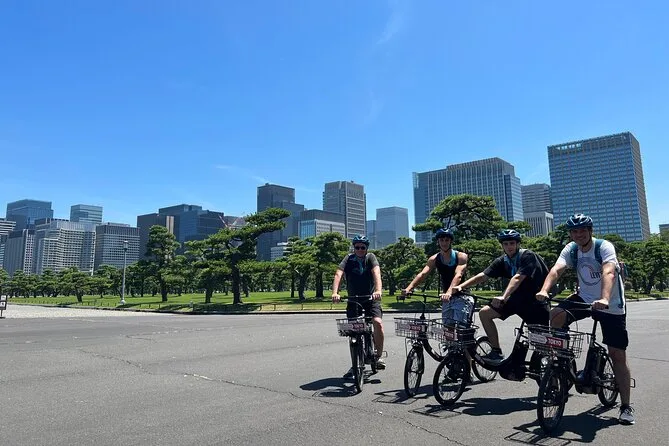
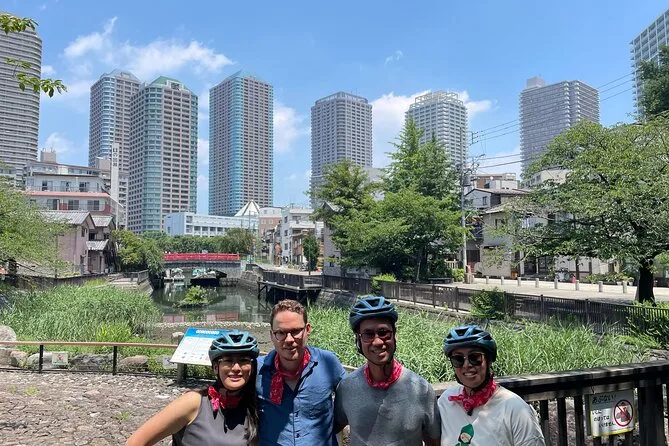
You’ll ride an e-bike through Tokyo’s shifting neighborhoods—from quiet palace parks to bustling Tsukiji Market and Akihabara’s electric chaos—with a local guide leading the way. Expect small surprises: glimpses of sumo wrestlers, quick food stops, and stories you won’t find in any brochure. It’s less about landmarks than about seeing Tokyo breathe.

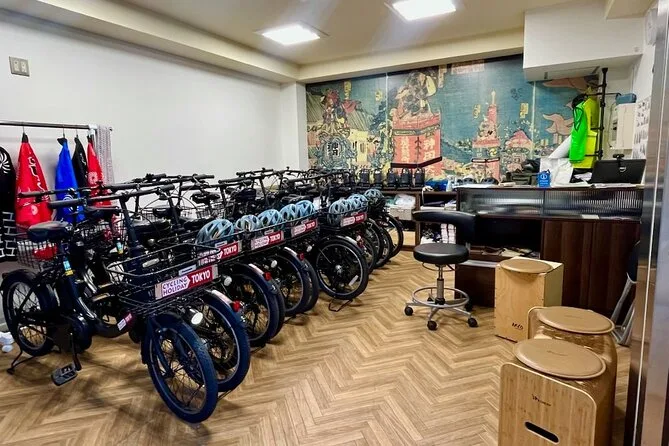
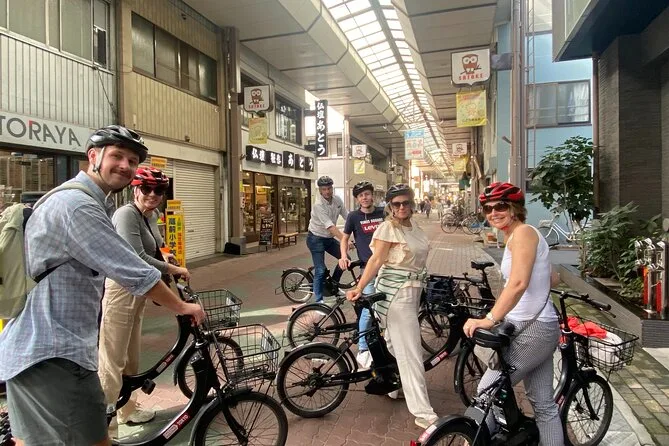
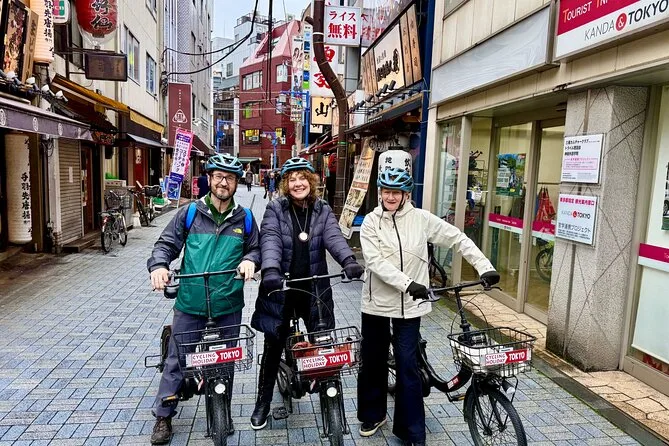
We started right by Kanda station—honestly, I almost missed the shop because it’s tucked between a ramen spot and some tiny bars where suited locals were already laughing over lunch beers. Our guide, Yuki, handed out helmets and checked everyone’s bikes (mine beeped when I turned it on—felt very Tokyo). It was a weirdly warm morning for March, so I left my jacket behind with my bag at the shop. The e-bike made even the first hill feel easy, which I needed after a late night.
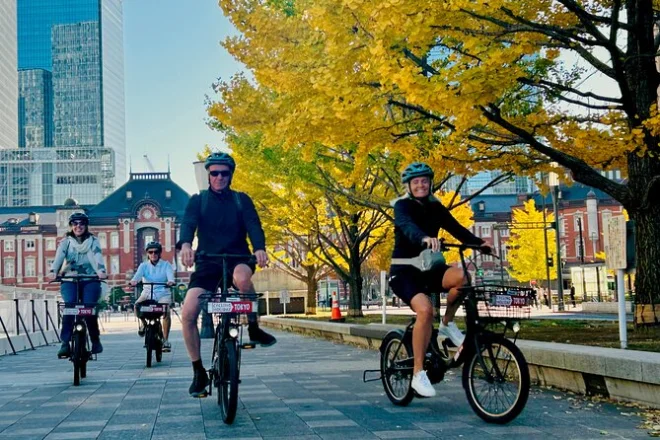
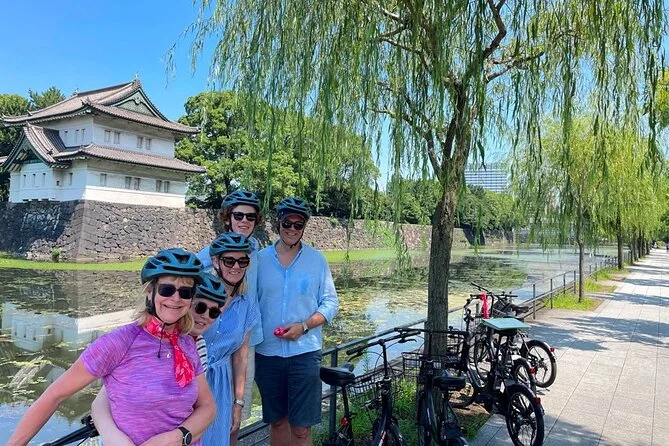
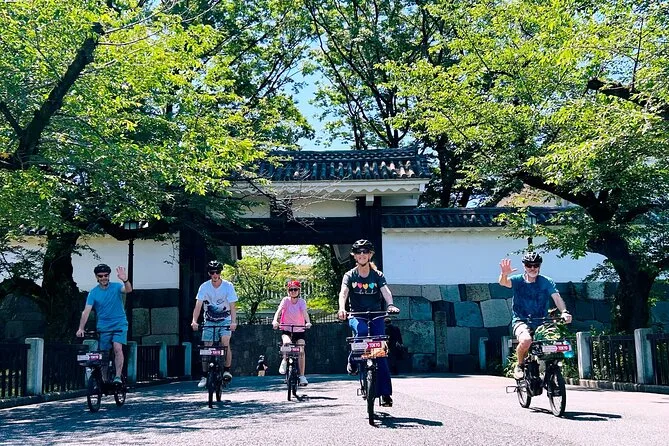
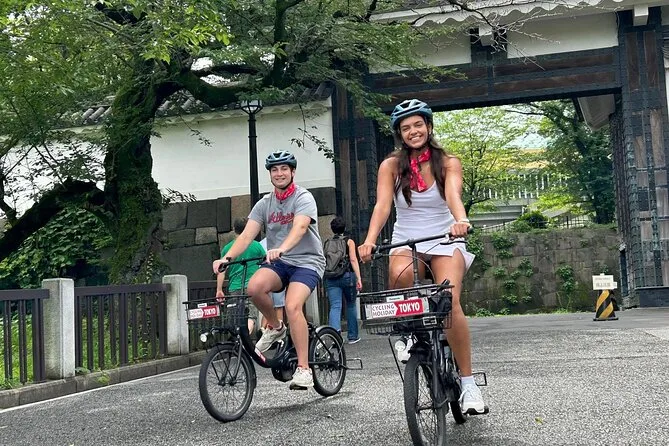
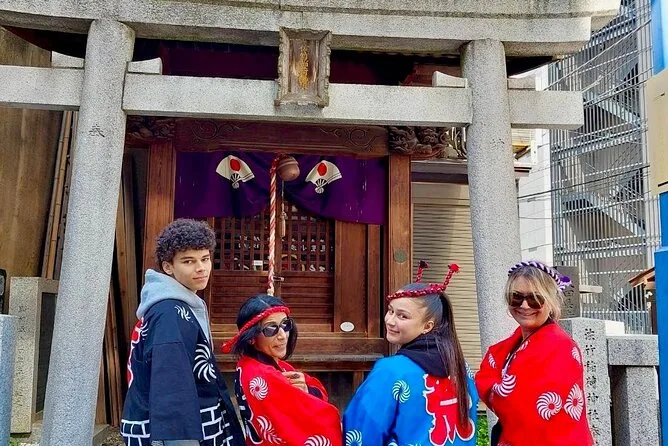
Yuki led us through backstreets most tourists would never find—one minute we’re gliding past glassy towers in Marunouchi, the next we’re pausing at an old shrine hidden behind an apartment block. There was this moment near the Imperial Palace moat where everything went quiet except for crows calling overhead and the hum of our bikes. We stopped to look at Fujimi yagura Tower reflected in the water; Yuki explained how samurai used to guard these gates. I tried picturing it but mostly just noticed how peaceful it felt compared to Shibuya or Shinjuku.
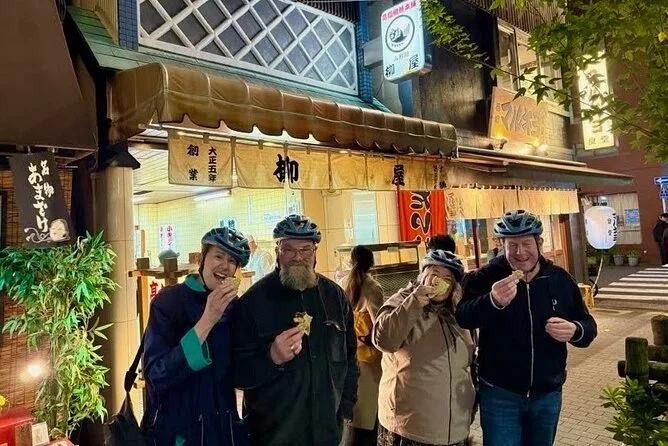
Later, we zipped down Ginza’s side streets (I swear someone famous must’ve walked past us but I didn’t recognize them) and then hit Tsukiji Fish Market. The smell of grilled eel drifted out from one stall—I couldn’t resist grabbing a skewer even though we only had ten minutes there. Yuki laughed when I tried to order in Japanese—she said my accent was “cute,” which probably means terrible. After that came Akihabara with its neon signs and girls handing out flyers for maid cafés; it felt like stepping into another universe. I bought a tiny robot toy because why not?
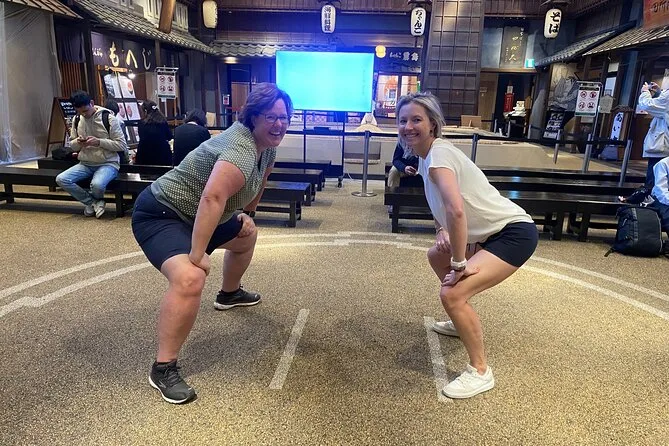
The last stop was Ryogoku, home of sumo wrestling. We actually saw two wrestlers walking together—huge guys in yukata, chatting like regular friends but everyone gave them space. Someone in our group asked if they ever eat sushi at Tsukiji; Yuki said they prefer chanko nabe but sometimes you’ll spot them at local spots nearby. That stuck with me for some reason—I guess seeing real people living their lives is what makes these tours worth it.
 3h
3h

Step-by-step itinerary
Day 1 — Explore Tokyo's hidden gems by e-bike
- Meet at shop near Kanda station
- See small Japanese style bars in Kanda
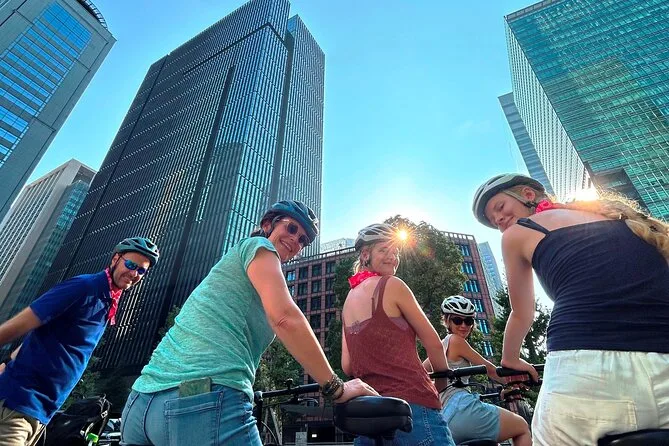
- Cycle through Tokyo's financial district
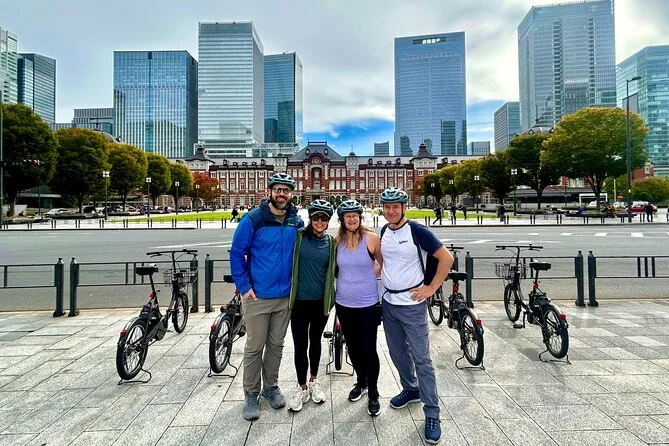
- View Tokyo Station Marunouchi building
- Look across moat from Imperial Palace gate
- Ride through spacious park near Imperial Palace
- Pass through Sakuradamon castle gates
- Cycle backstreets or main streets of Ginza
- Visit Tsukiji outer market food shops
- Experience local Tokyo streets and passes
- Explore Akihabara subculture district
- Shop at Kappabashi Tool Street
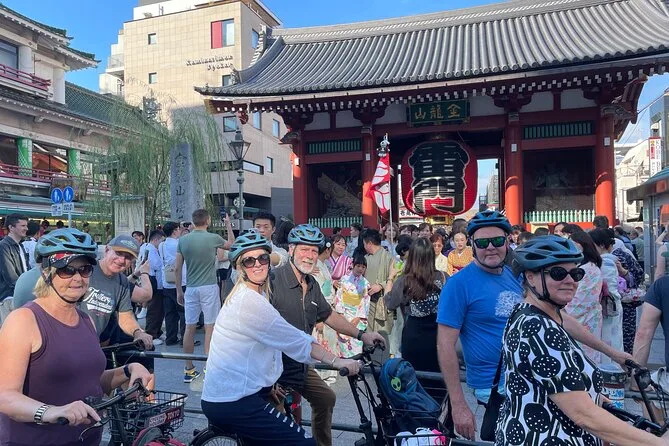
- Visit Asakusa oldest temple area
- Pass through Ryogoku sumo wrestler area
- See Nihonbashi Bridge, Tokyo's distance center

Top questions

How long is the Tokyo E-Bike tour?
The tour lasts about 3 hours.
Does the tour include bike rental?
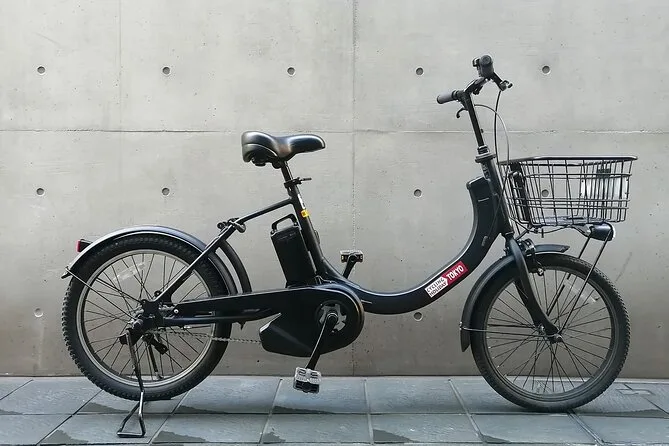
Yes, e-bike rental is included along with a helmet.
Is there luggage storage during the tour?
You can leave your luggage (except valuables) at the shop during the ride.
What are some main stops on this Tokyo e-bike tour?
Kokugikan Sumo Stadium & Museum, Tsukiji Fish Market, Ginza, Akihabara, Kappabashi Tool Street.
Is lunch included on this tour?
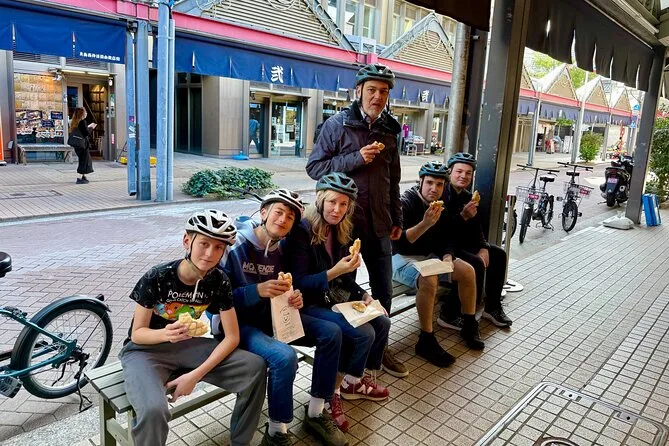
No lunch is included but there are short stops at places like Tsukiji Market for snacks.
How many people are on each tour?
The maximum group size is 6 people per booking.
Are there age or height restrictions?
The minimum age is 12 years old and minimum height is 147cm (4’8”).
What happens if it rains during the tour?
If rain is forecasted or starts during the tour, the guide may cancel or stop for safety reasons.

What’s included
Your day includes e-bike and helmet rental (with simple gloves in winter), luggage storage at the starting point near Kanda station, rain gear if needed, cooling products during summer months, insurance coverage throughout your ride, and an English-speaking local guide who shares stories as you go—plus time for quick food stops along the route before you return to base.
 Super deal
  Free booking, free cancellation.
  Don't lose your place.


 Do you need help planning your next activity?
  +507 6792-0894


