
Tokyo Asakusa: Washi Papermaking Workshop & Postcard Craft
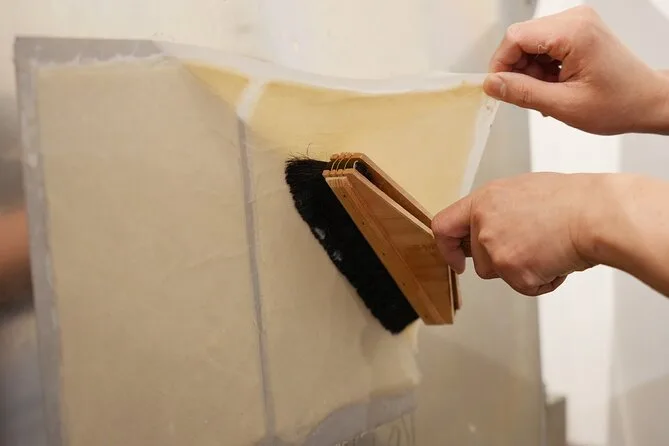
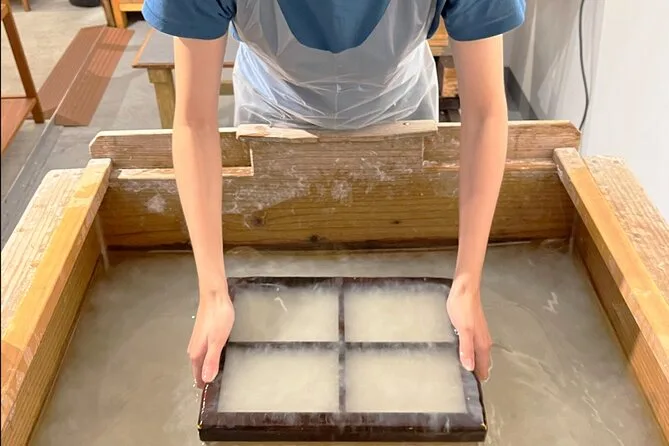
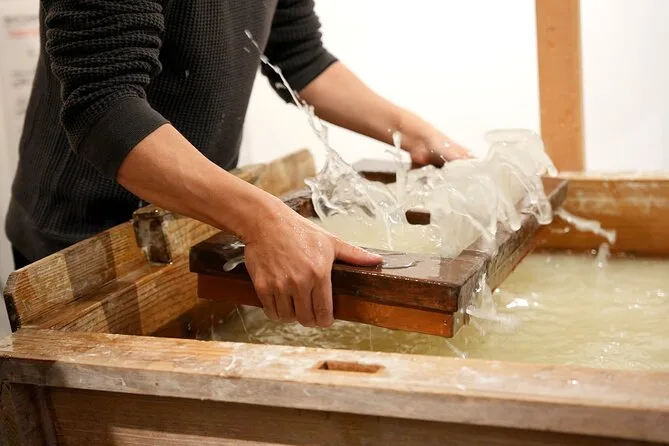

Make washi postcards in Asakusa’s cozy studio with hands-on help
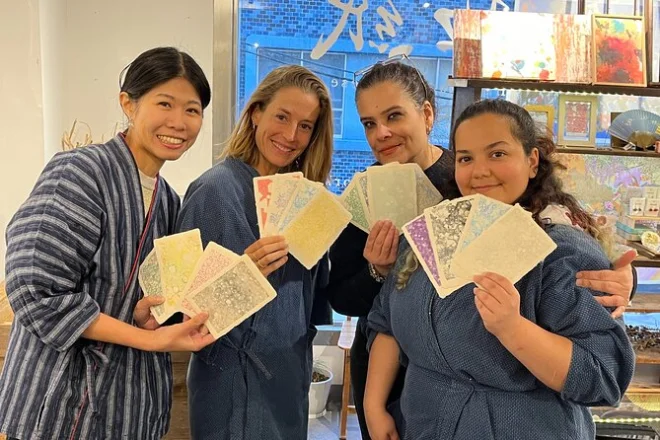
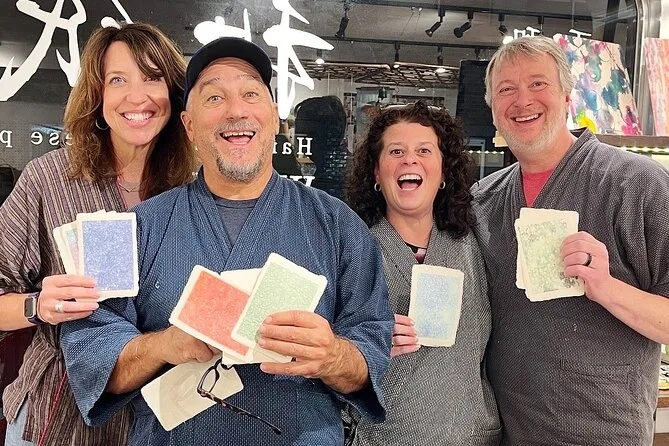
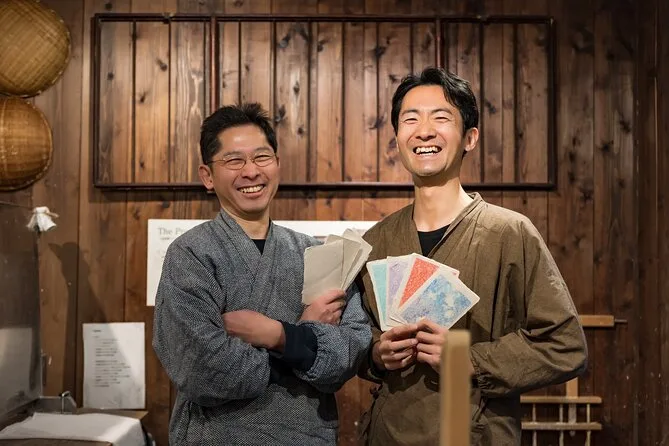
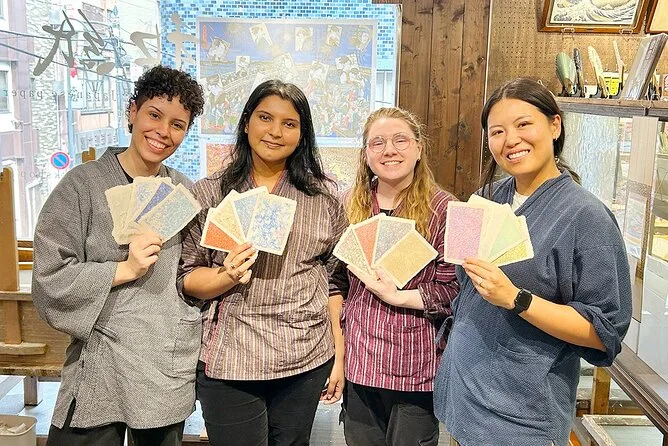
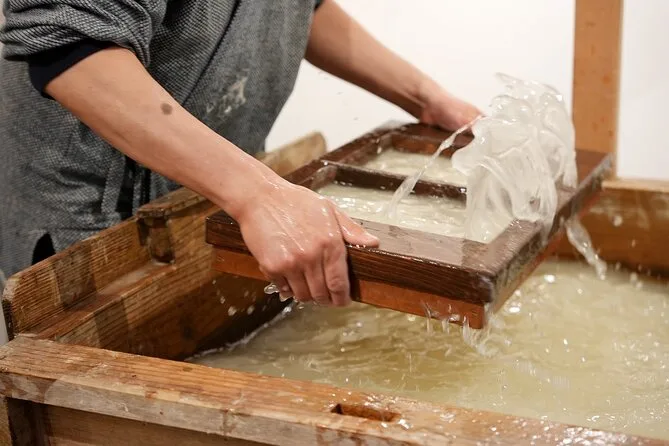
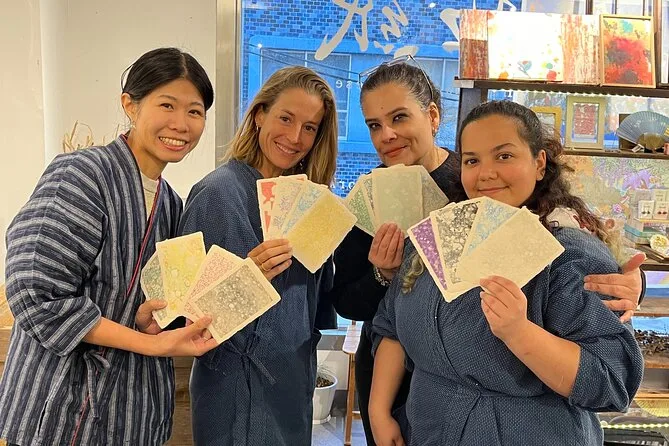
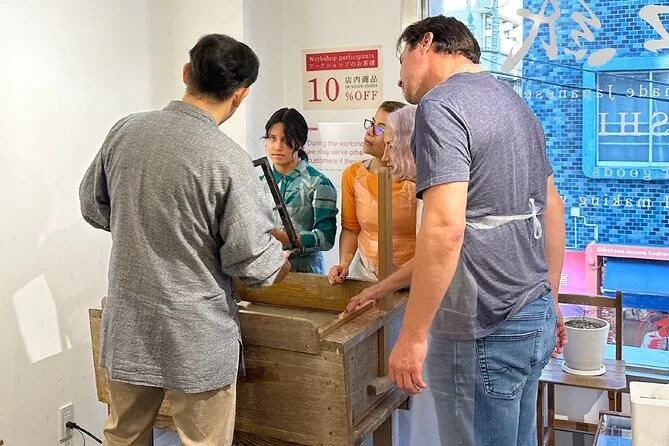
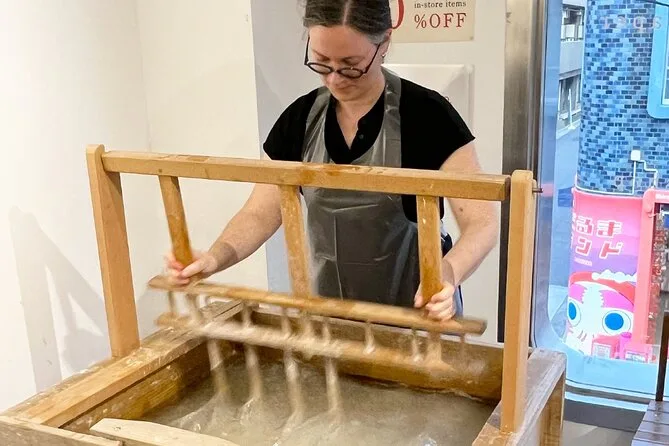
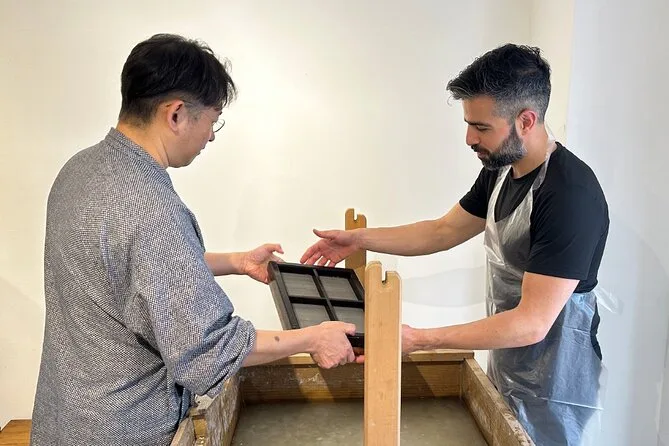
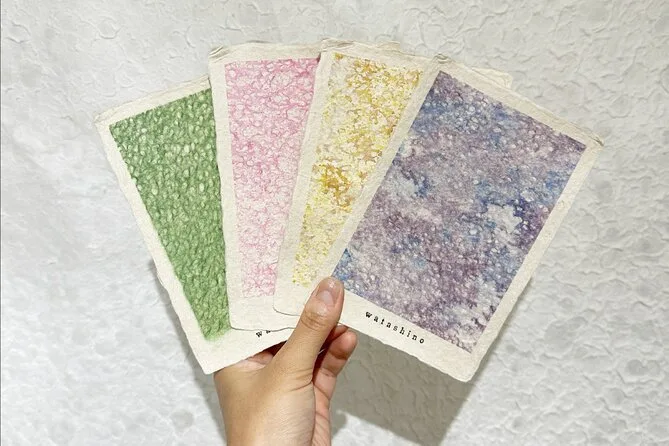
You’ll slip into traditional samue workwear in an Asakusa studio and learn how to make washi postcards using centuries-old techniques—with gentle help from a local instructor. Choose colors and textures for your own set of four cards, laugh with fellow travelers over sticky fingers, and leave with real handmade souvenirs (and maybe some papermaking confidence).
 1h
1h

Step-by-step itinerary
Traditional Japanese Washi Papermaking
- Go to Asakusa Kannon Street
- Watch video on Tosa Washi history
- Wear traditional samue work clothes
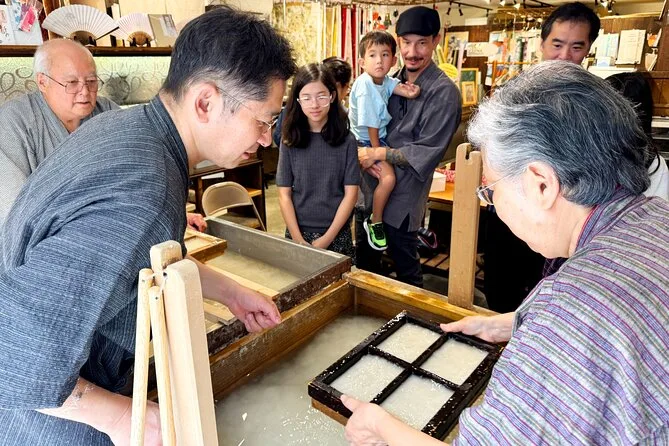
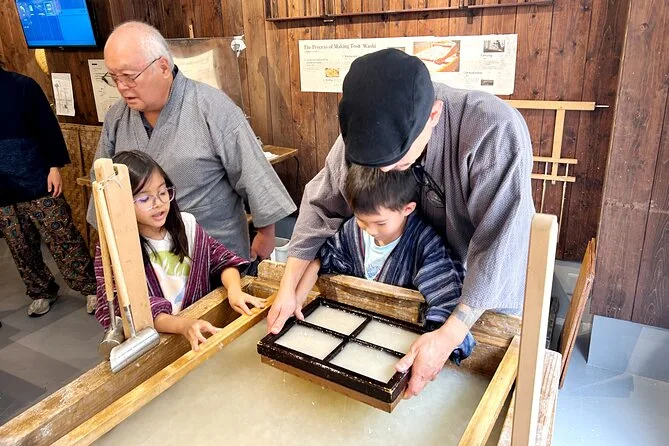
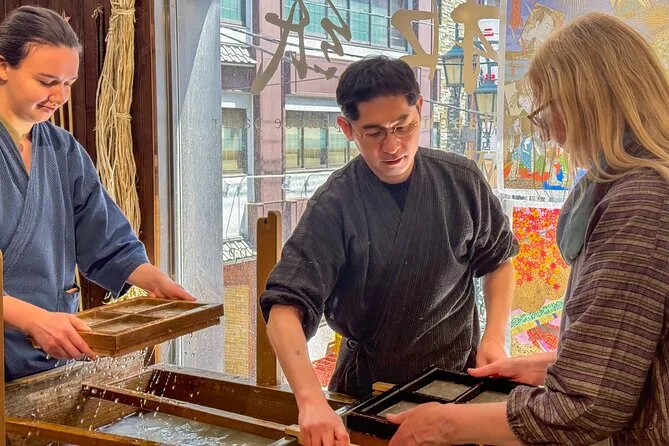
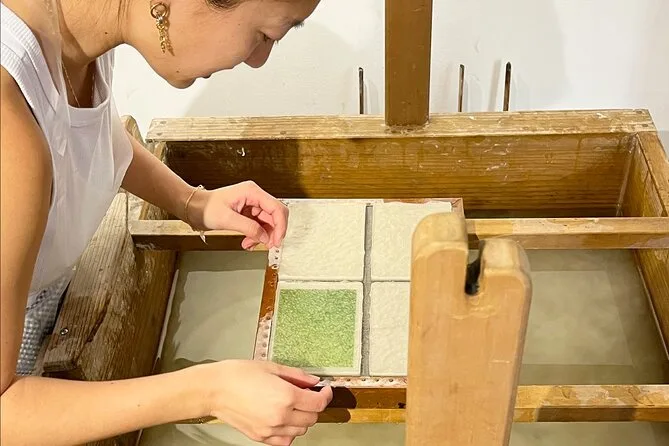
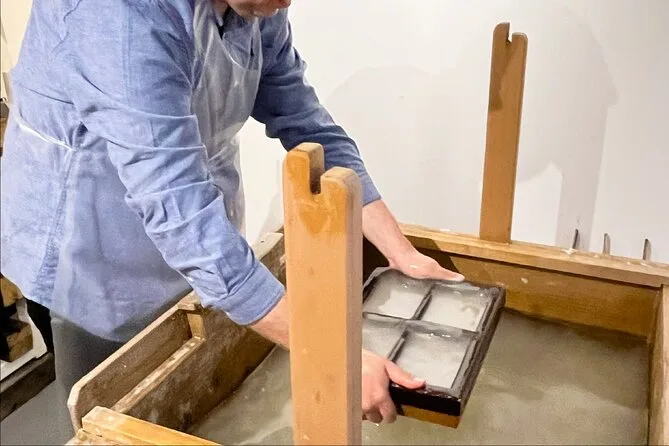
- Make washi postcards with instructor
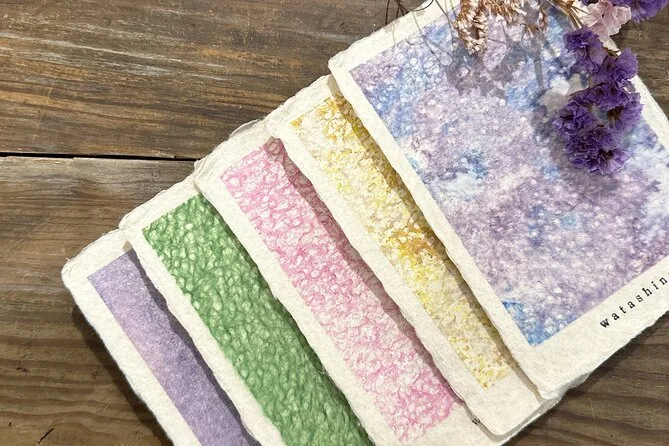
- Take home handmade washi souvenir

The Experience
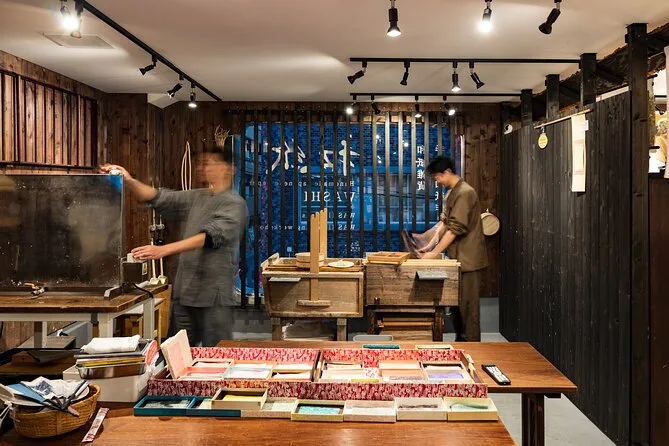
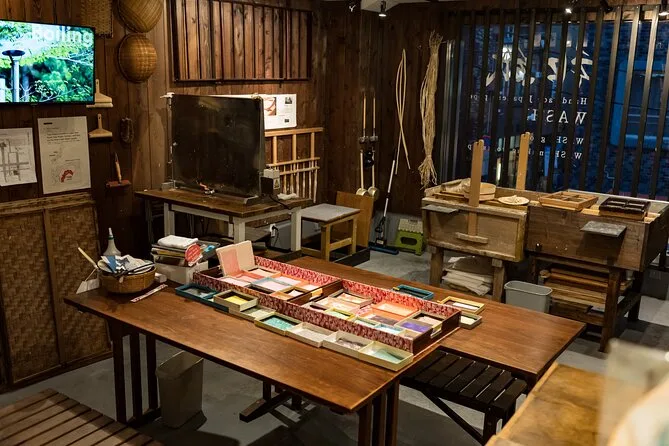
The first thing I noticed was the soft slap of slippers on the wooden floor—someone else arriving, maybe as nervous as me. We were right in the middle of Asakusa, but inside this little workshop it felt quieter, like stepping sideways out of Tokyo’s noise for a bit. Our instructor, Ms. Sato, handed me a samue (those work jackets you see in old photos) and grinned when I struggled with the ties—she fixed it without saying much, just a quick nod and a smile. The air smelled faintly sweet, maybe from the pulp or just old wood.
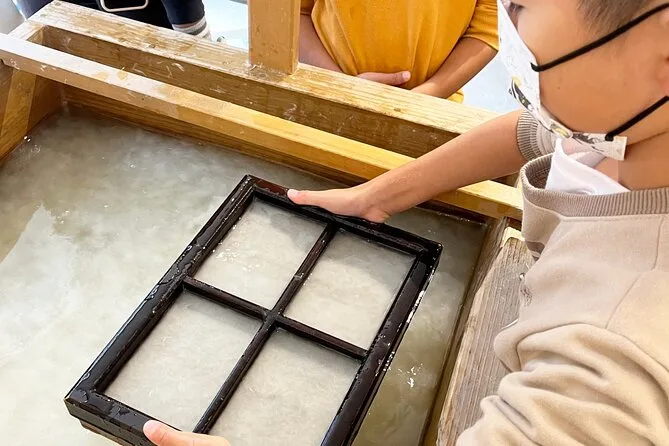
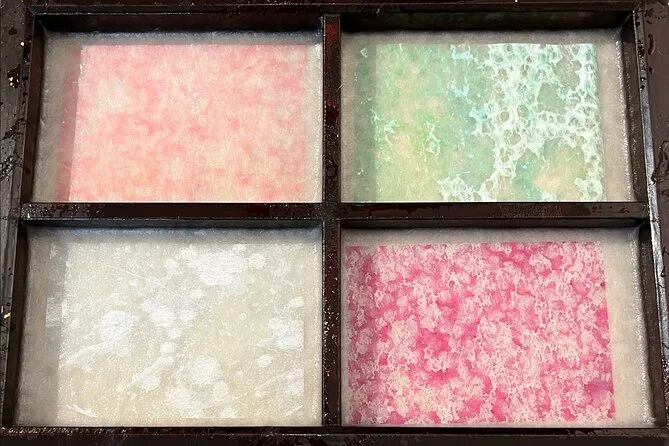
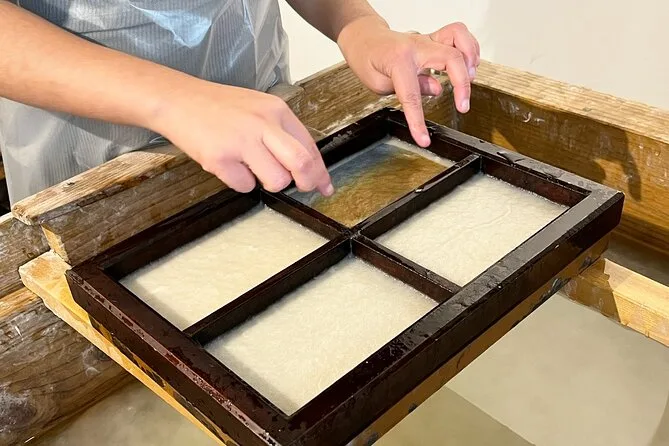
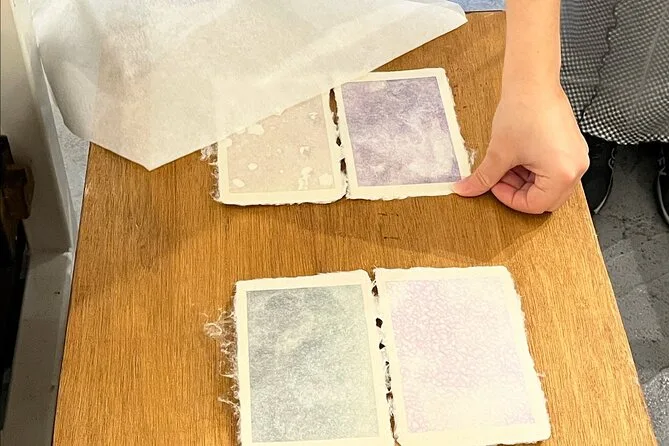
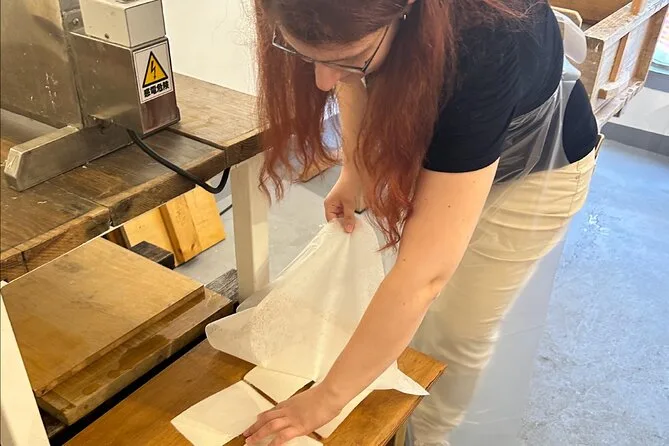
We watched a short video about Tosa Washi—over 1,000 years old, apparently—and then got to work making our own washi postcards. I picked the colored paper plan because… why not? You get to layer these lacey sheets called Rakusuishi over your base, and honestly I spent way too long choosing colors. Ms. Sato didn’t rush anyone; she just pointed out which papers looked good together and let us mess around until we were happy. My fingers kept sticking to everything at first (it’s wetter than you’d think), but after a while I got into it. There was this moment when everyone went quiet except for the sound of water dripping off our frames—it felt kind of meditative.
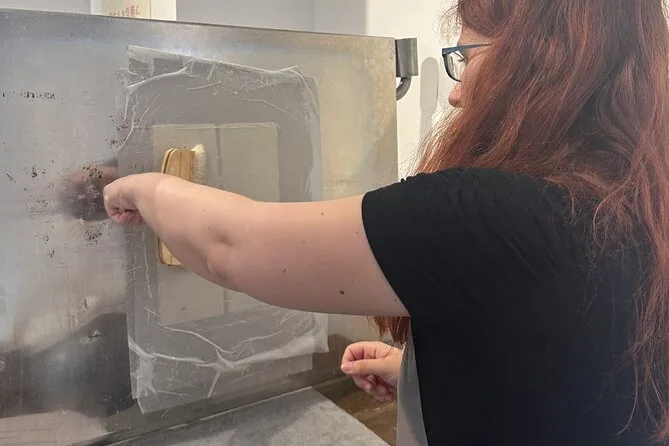
I tried saying “washi” properly and got laughed at by another guest—Li from Shanghai—so that broke the ice. We swapped stories about why we signed up (her: “I needed a break from shrines,” me: “I like souvenirs that don’t end up dusty on a shelf”). When my postcards dried enough to peel off, they were softer than I expected but strong too—you can feel why people still use this stuff after centuries. Walking back down Kannon Street with my little folder of handmade paper felt oddly satisfying. Not sure if it was pride or just relief that nothing tore apart in my hands.

What’s included
Your experience includes all materials for making four washi postcards, hands-on guidance from a friendly local instructor in Asakusa, use of traditional samue workwear and apron during your session—plus you’ll head home with your own handmade paper creations as unique souvenirs.
Operated by Watashino
Traveler reviews
Compare the 13 similar options
 Tokyo Asakusa: Washi Papermaking Workshop & Postcard Craft★ 4.95 (202)1hEN · JA +1JP¥ 5,900
 Asakusa Kimono Tea Ceremony & Matcha Workshop TokyoTea ceremony in Asakusa with kimono rental, matcha preparation and English-speaking tea master. Includes green tea, snacks and hairstyling near public transport.★ 4.94 (724)1h 30mENJP¥ 8,100View ›
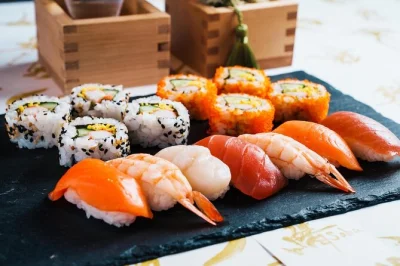 Sushi Making Class in Asakusa: Learn Maki and NigiriLearn to make maki and nigiri sushi in Asakusa, steps from Sensoji Temple, with an English-speaking instructor and a meal of what you create. No experience needed.★ 4.96 (5,037)1h 40mEN · JAJP¥ 9,000View ›
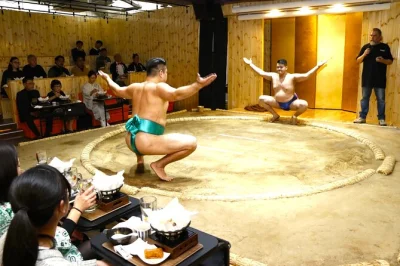 Tokyo: Sumo Show with Chicken Hot Pot & Photo in AsakusaFeel the energy of sumo up close in Tokyo’s Asakusa, watch retired wrestlers, enjoy all-you-can-eat chicken hot pot, and take home a souvenir photo—includes meal & photo.★ 4.82 (1,565)2hEN · JAJP¥ 16,000View ›
 Tokyo Private Tour by Car: Senso-ji, Shibuya & SkytreeFeel the pulse of Tokyo with a private car tour covering Senso-ji Temple, Shibuya Crossing, Tsukiji Market and more—includes hotel pickup and English-speaking driver.★ 4.76 (95)9hENJP¥ 58,269per groupView ›
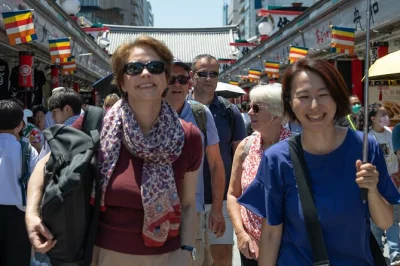 Asakusa Walking Tour: Senso-ji Temple and Historic DistrictWalk through Asakusa's Thunder Gate to Senso-ji Temple, Tokyo's oldest Buddhist shrine, with a local guide who explains the temple's 7th-century history★ 4.88 (1,071)2hENJP¥ 4,819View ›
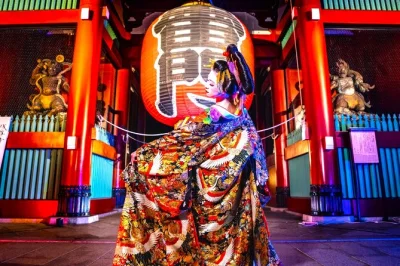 Japanese Dance Cabaret Show Asakusa: Meet the PerformersWatch a 60-minute traditional Japanese dance show at Asakusa-Kaguwa theater, then meet and photograph the performers — your drink is included★ 4.83 (250)2hJP¥ 7,700View ›
 Asakusa Sumo Show & Wagyu Dinner with Hands-On TrainingAsakusa Sumo Club Annex serves Chanko hot pot, Wagyu sukiyaki and tempura with live sumo demonstration. Try sumo yourself. Business Class includes all-you-can-drink.★ 4.59 (135)2hENJP¥ 16,000View ›
 Tokyo Asakusa: Chopsticks Making Workshop near Senso-jiShape & engrave your own wooden chopsticks in Asakusa, just steps from Senso-ji Temple. Includes bilingual guide, all tools, and options for personal engraving.★ 4.97 (1,999)1hENJP¥ 1,000View ›
 Kintsugi Workshop in Asakusa: Gold Repair Art ClassLearn kintsugi pottery repair in Asakusa with a skilled artisan using real urushi lacquer and gold powder—you'll mend broken ceramics and take home your own golden piece.★ 4.94 (1,177)1hEN · JAJP¥ 2,409View ›
 Sake tasting workshop in Asakusa: Master selection skillsLearn to read sake labels and taste 10 varieties in a 110-minute workshop in Asakusa, where you hand-pick 7 tastings from 50+ premium labels and gain★ 4.97 (71)1h 45mENJP¥ 7,500View ›
 Tokyo Asakusa: Senso-ji Temple Food Walk & Edo Streets TourStep into Tokyo’s Asakusa with a local guide, taste street food near Senso-ji Temple, explore Edo-era shops, and end at a local supermarket. Includes wheelchair access.★ 4.98 (950)2hENJP¥ 2,000View ›
 Tokyo: Vintage Coin Ring Workshop in Asakusa StudioShape a vintage coin into your own ring in Asakusa, Tokyo. Guided by a local instructor, hands-on jewelry making with all tools included. Take home your creation.★ 4.97 (888)1hEN · JAJP¥ 2,500View ›
Top questions
Where is the washi papermaking workshop located?
The workshop is on Asakusa Kannon Street in Tokyo.
How many people are in each session?
Workshops have a maximum of 8 participants at a time.
Do I need to book in advance?
Advance booking is recommended due to limited spots per session.
Is there an age or fitness restriction?
The activity is suitable for all fitness levels but not recommended for pregnant travelers or those with poor cardiovascular health.
What do I get to take home?
You’ll take home four handmade washi postcards as souvenirs.
Is public transportation nearby?
Yes, there are public transportation options close to the studio.
What should I wear?
You’ll be given an apron and traditional samue workwear during the workshop.
Can service animals come along?
Yes, service animals are allowed at the workshop.
Tokyo Asakusa: Washi Papermaking Workshop & Postcard Craft
1h · EN · JA +1
from JP¥ 5,900 per person
★★★★★★★★★★4.95202 reviewsVerified traveler reviews via our booking provider
