

 +507 6792-0894


Osaka: Samurai Kendo Training & Dojo Museum Experience













Summary
Osaka dojo kendo class with samurai armor and museum visit
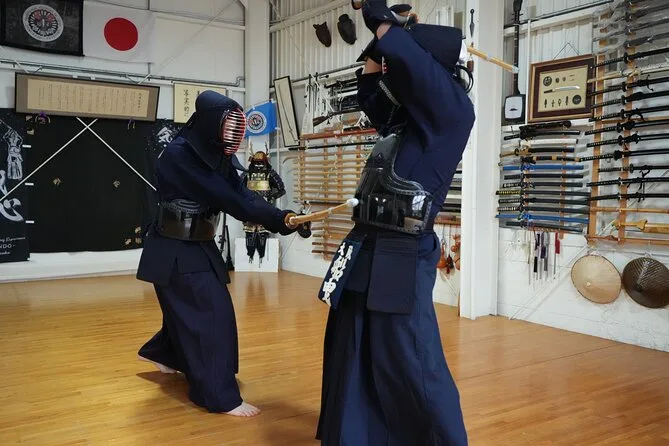
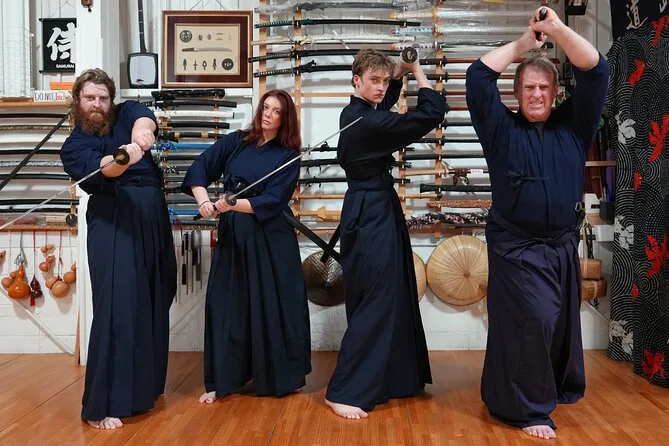
You’ll step onto polished floors in an Osaka dojo, suit up in real kendo armor, and learn sword moves from a local instructor who makes you feel welcome even if you’re nervous at first. Try your hand at striking practice, explore rare samurai artifacts in their small museum, and take home photos in full gear — all with English guidance.

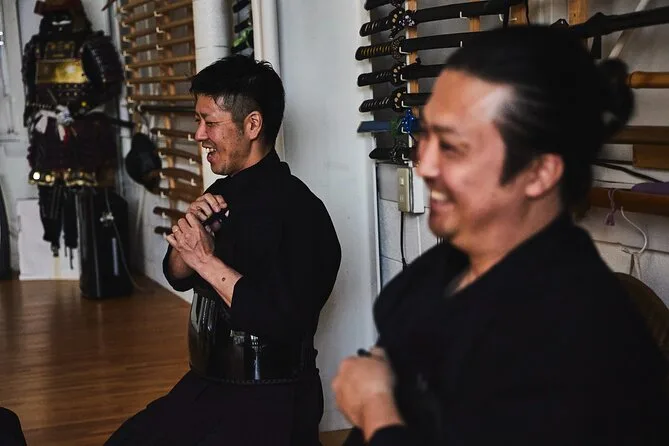
The first thing I noticed was the soft slap of bare feet on polished wood as we entered the Osaka dojo. It wasn’t quiet — there was this low hum from the city outside, but inside, everything felt focused. Our instructor, Sato-san, greeted us with a quick bow and a grin that made me relax a little. I’d seen pictures of kendo before but actually holding the bamboo shinai, feeling its weight in my hands, was something else entirely.
We started with the basics — Sato-san showed us how to bow properly (I still messed it up at least twice), and then explained a bit about bushido and why respect matters so much here. He switched between Japanese and English without missing a beat. The kendo armor was heavier than I expected; pulling on the men (the mask) made my breath sound loud in my ears. There’s this faint smell of clean sweat and old wood, which weirdly made me feel like I was part of something bigger than just a tourist activity.
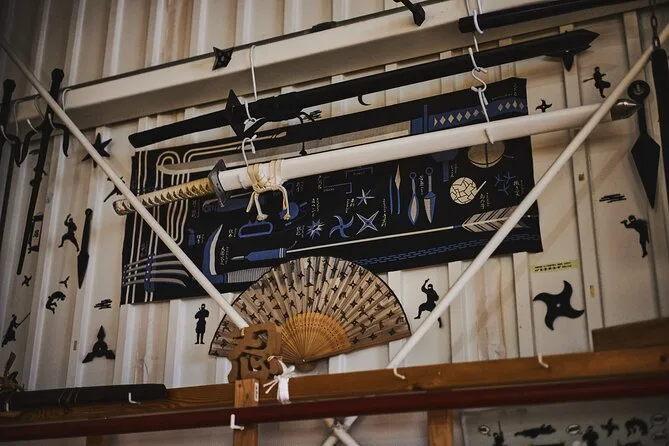
I’ll admit, when it came time to actually try striking moves, I hesitated. My partner — another traveler from Germany — laughed when my first swing went way off target. Sato-san clapped his hands and shouted encouragement (“More spirit!”), which made everyone loosen up. We ended up doing a mini match (I lost spectacularly), but honestly, it was fun just trying. Afterward, we wandered around the small samurai museum at the back of the dojo; some of the swords looked impossibly old and beautiful under the glass. There’s even time for photos in full armor if you want — I probably looked ridiculous but didn’t care.
By the end, sweat trickled down my back but I barely noticed. Sato-san gave us tips for ramen spots nearby before we left — he seemed genuinely happy to share his city with us. Walking out into Osaka’s busy streets again felt strange after all that intensity inside; it stuck with me longer than I thought it would.
 2h
2h

Step-by-step itinerary
Day 1 — Samurai Kendo training and experience
- Learn Kendo history and Bushido spirit
- Wear Kendo protective armor
- Practice striking with bamboo sword
- Compete in Kendo match format
- Change clothes and take photos

Top questions

Is English translation provided during the kendo experience?
Yes, English translation is provided throughout the session.
Where is the dojo located in Osaka?
The dojo is conveniently located within Osaka City.
What does the samurai experience include?
You get kendo training with protective armor, access to a samurai museum area for photos and exploration, plus all fees are included.
Is this suitable for beginners or children?
Yes; beginners are welcome. For kids aged 3–5, activities focus on changing clothes and photos rather than full training.
Are showers or changing rooms available?
Yes; showers and changing rooms are available at the facility.
Can infants or small children join?
Infants and small children can join; prams or strollers are allowed.
Are there any health restrictions?
This activity isn’t recommended for pregnant travelers or those with spinal or cardiovascular issues.
How long does the kendo experience last?
The exact duration isn’t specified but includes history intro, dressing up, training/practice, match format play, and museum visit.

What’s included
Your day includes all kendo protective gear—armor pieces like dogi/hakama uniform, mask (men), arm guards (kote), torso protector (do), leg protector (tare)—plus entry fees for both training and access to their private samurai artifact collection. English translation is provided throughout your visit so you won’t miss any details or instructions along the way.
 Super deal
  Free booking, free cancellation.
  Don't lose your place.


 Do you need help planning your next activity?
  +507 6792-0894


