

 +507 6792-0894


Nikko: Private Full-Day Tour with Custom Sites & Guide


Summary
Wandering Nikko’s shrines, waterfalls echoing nearby, old stories in every step
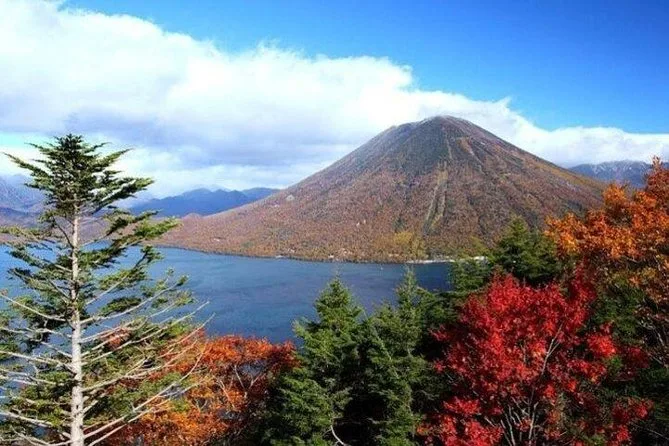
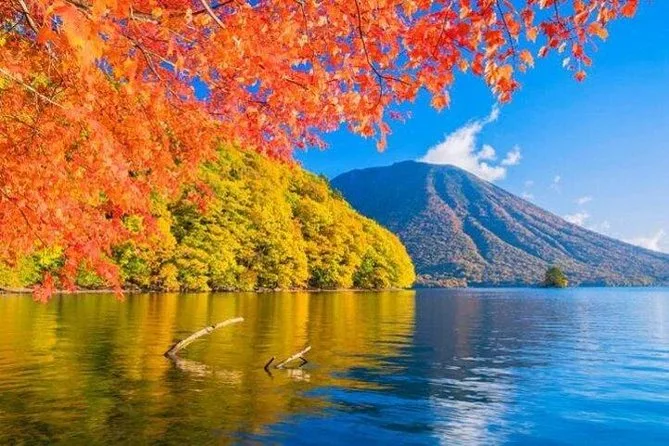
You’ll wander Nikko’s shrines with a local guide who knows every shortcut and story, hear waterfalls echo through cedar forests, and pause by Lake Chuzenji where old embassy villas hide among the trees. Expect laughter over language mix-ups, quiet moments on mossy paths, and small surprises along every trail.

The first thing I noticed wasn’t the temples or even the mountains — it was the sound of water somewhere behind the trees near Nikko Station. Our guide, Yuki, met us with a quick bow and a smile that made me feel less like a tourist and more like someone she’d been waiting for. She asked if we wanted to see the famous “Three Monkeys” at Toshogu Shrine or maybe start with Kegon Falls. I just nodded — honestly, I was still waking up from the train ride from Tokyo (it’s over two hours, but you can nap). The air smelled faintly of cedar and something sweet from a bakery down the street.
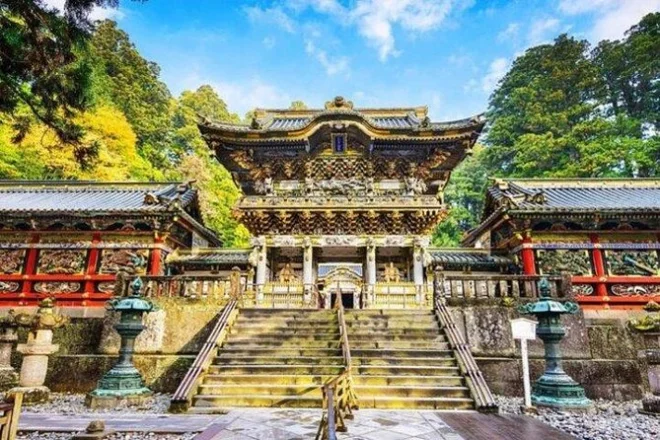
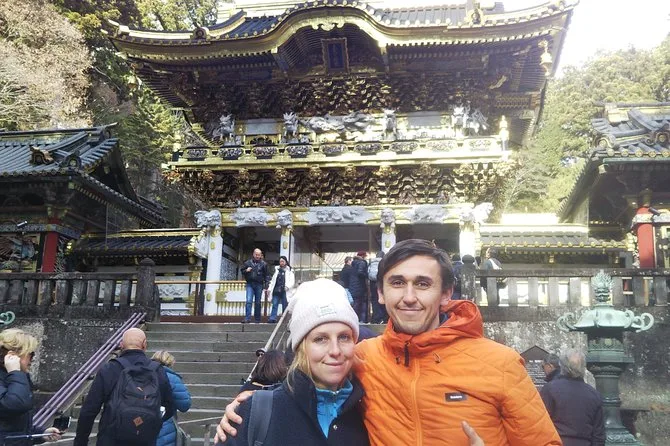
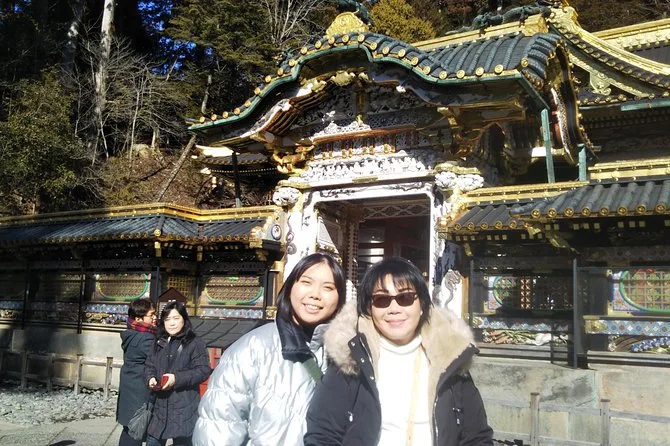
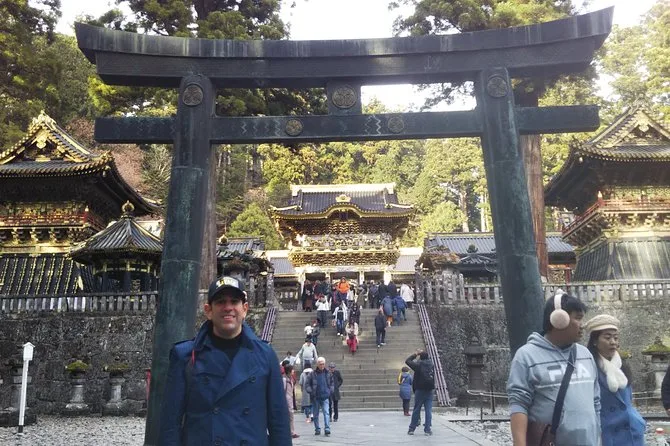
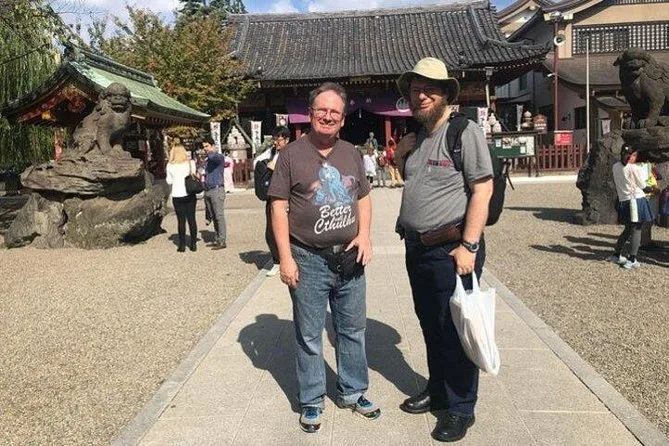
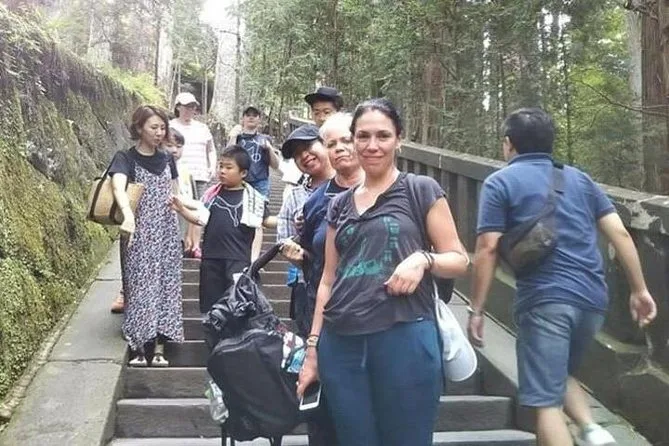
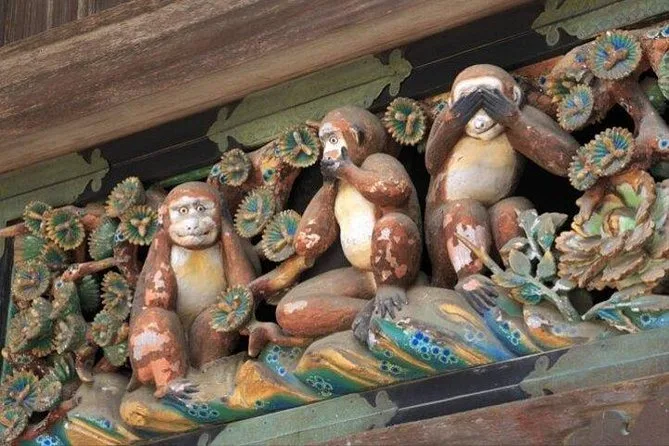
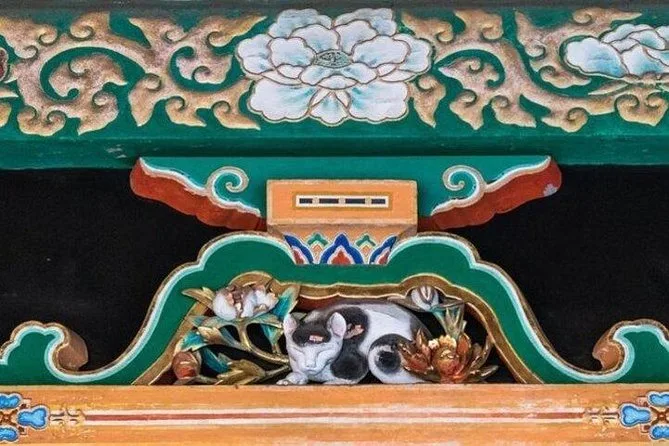
We wandered through Toshogu Shrine first — gold everywhere but not in a flashy way, just tucked into carvings and little corners. Yuki pointed out the “Sleeping Cat” carving; apparently people come just to see that tiny detail. There were school kids giggling nearby trying to imitate the “see no evil, hear no evil, speak no evil” monkeys. I tried to say their names in Japanese and Yuki laughed — probably butchered it. Walking between shrines felt almost quiet even though there were people around; maybe it was the moss underfoot or just how everyone seemed to slow down here.
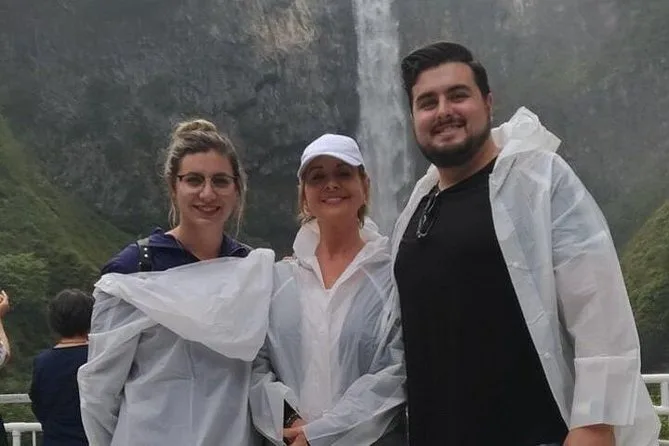
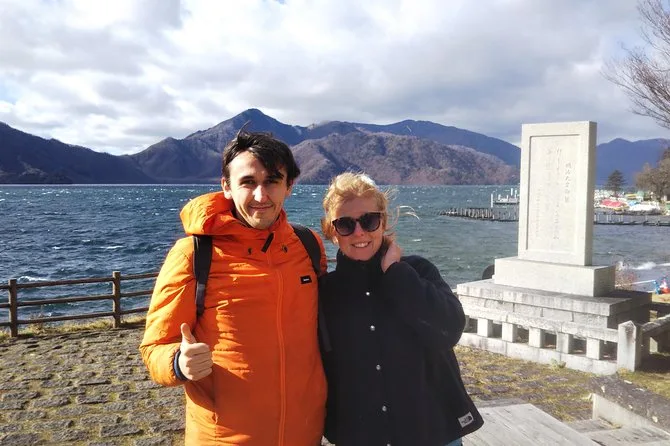
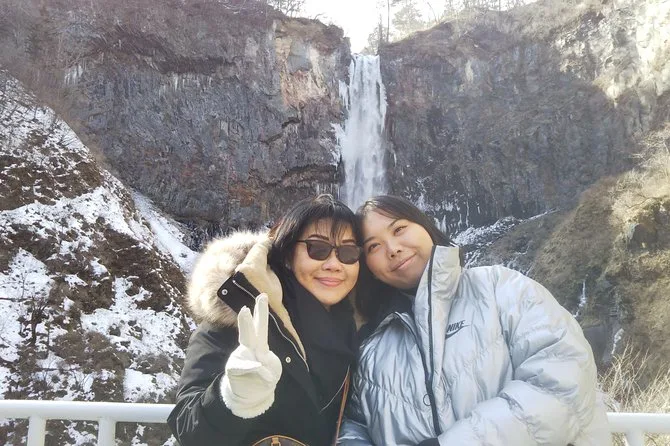
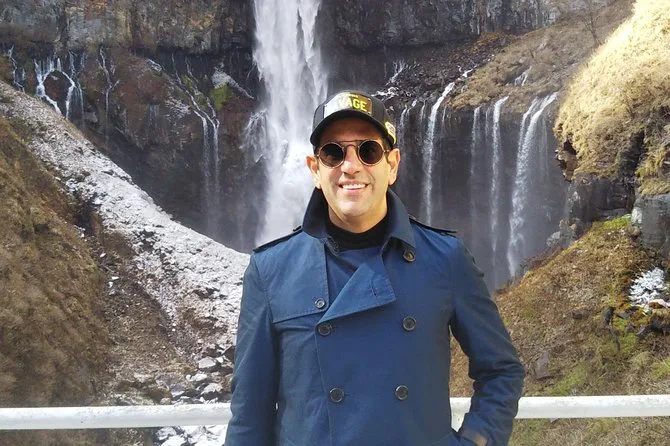
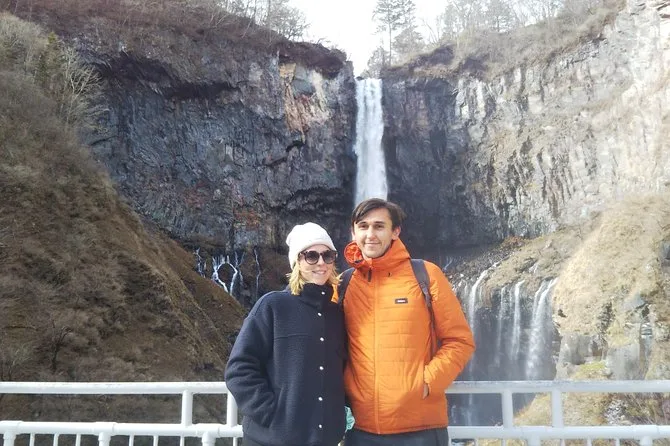
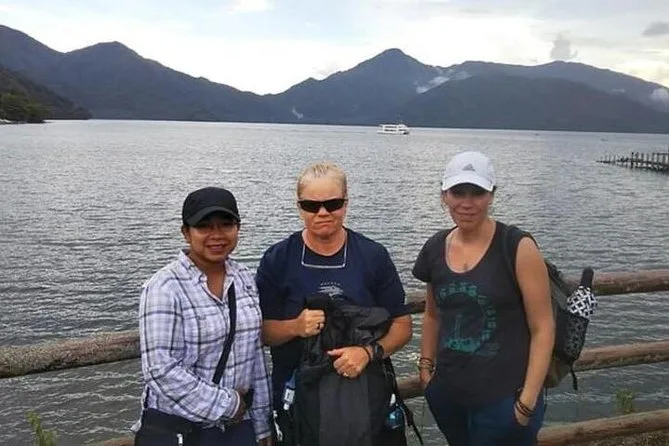
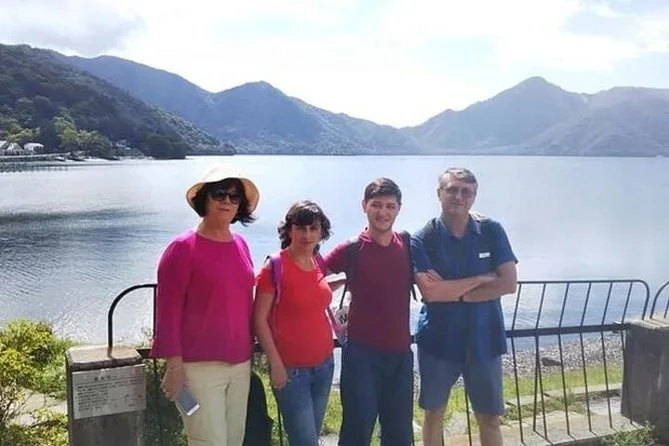
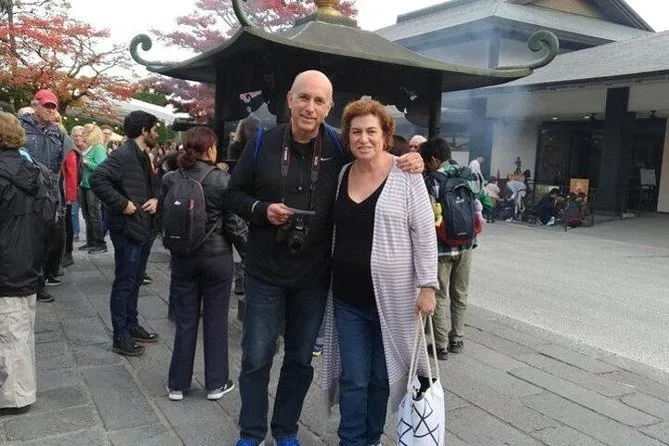
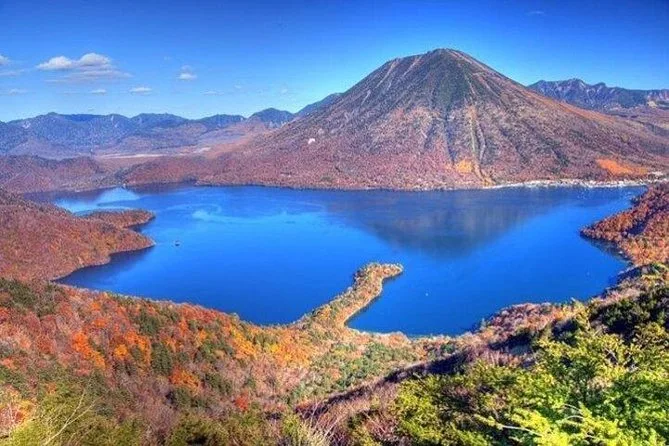
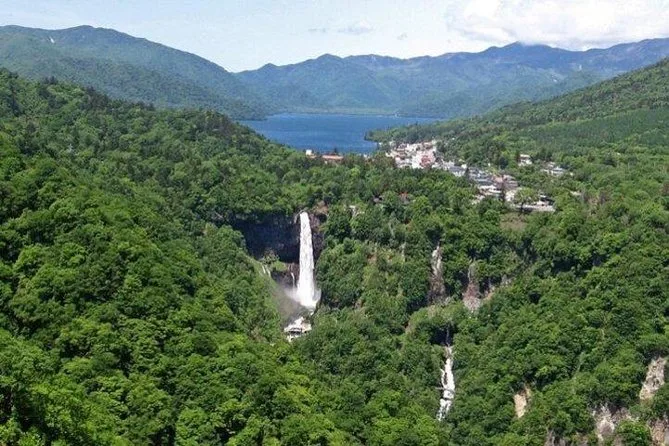
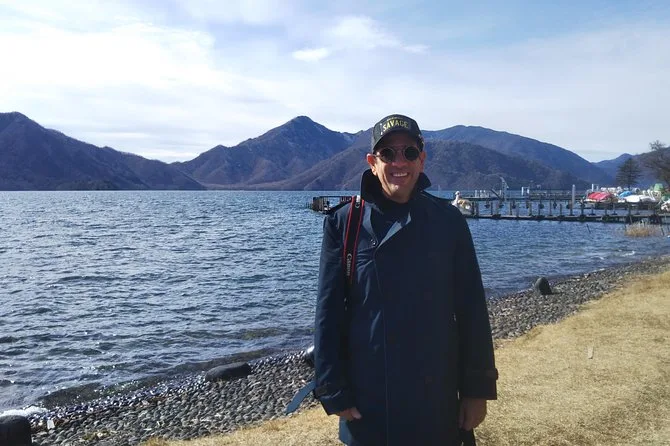
Kegon Waterfall was next — you can hear it before you see it. We took this old lift down to the basin and suddenly all you get is mist on your face and that deep roar in your chest. I didn’t expect to feel so small standing there. Afterward we strolled by Lake Chuzenji where embassy villas peeked out behind trees. The water looked cold but clear enough to see stones at the bottom. Locals were picnicking on benches, sharing rice balls and tea — one lady waved us over for a photo together (I still have it saved).
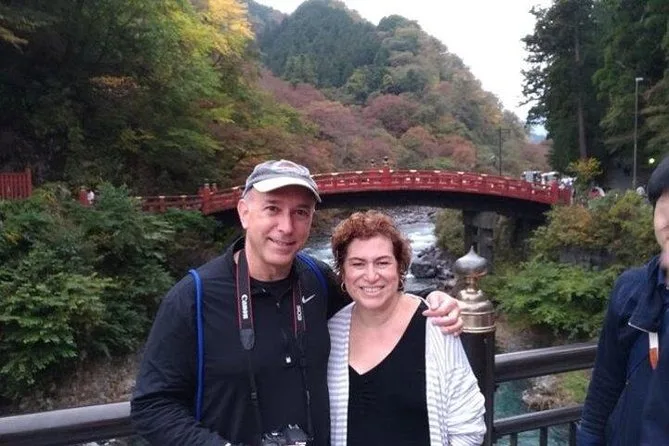
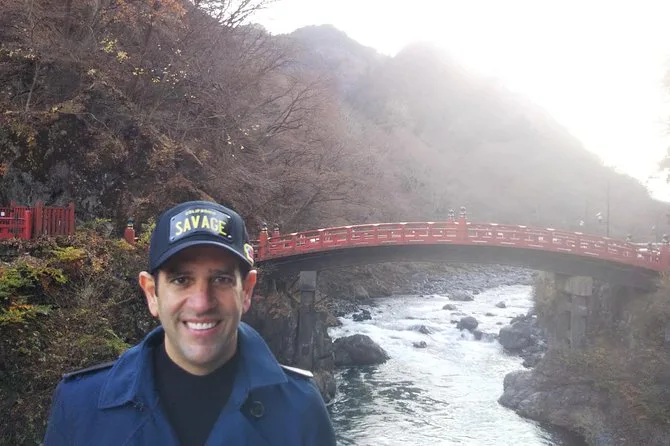
By late afternoon my feet were sore but I barely noticed until we reached Shinkyo Bridge — bright red against all that green. Yuki explained its history as we watched tourists line up for photos; she said it used to be off-limits except for priests and shoguns. It’s funny how much history sits quietly here while everyone snaps selfies or just stands still for a minute longer than they meant to.
 6h
6h

Step-by-step itinerary
Day 1 — Explore Nikko's historic and natural sites
- Pickup at Nikko Station
- Visit Tokugawa Ieyasu's resting place
- See Toshogu Shrine carvings and symbols
- Explore Taiyuin mausoleum
- Tour Rinnoji Temple
- Visit Futarasan Shrine and Shinkyo Bridge
- Walk Kanmangafuchi Abyss trail
- Visit Nikko Botanical Garden
- See Kegon Waterfall
- View Lake Chuzenji
- Drive Iroha Slope and view autumn leaves
- Stop at Senjogara marshland
- Visit Tamozawa Imperial Villa
- See Kirifuri Waterfall
- Visit Kanaya Hotel History House
- Take ropeway to Akechidaira Plateau

Top questions

How long does it take to get from Tokyo to Nikko?
The journey from Tokyo to Nikko takes over two hours by train.
Is this Nikko tour suitable for wheelchairs or strollers?
Yes, all areas are wheelchair accessible and infants can ride in strollers.
Where does the Nikko private tour start?
The tour starts with a meet-up at Nikko Station (Tobu or JR lines).
Can I choose which sites we visit during the day?
Yes, you can customize your itinerary by selecting 3-4 sites in advance.
Does this tour include transportation within Nikko?
This is a walking tour; public transportation options are nearby if needed.
Are entry fees included in this private day trip?
No entry fees are not specifically mentioned as included; check before booking.
What language does the guide speak?
Your government-licensed guide speaks English fluently.
Is lunch included on this Nikko day trip?
No lunch is not included; you can buy food locally during your tour.

What’s included
Your day includes meeting your licensed English-speaking guide on foot at Nikko Station within a designated area, then setting out together for a customizable walking tour of 3–4 sites from shrines to waterfalls—whatever you choose from their list of highlights—at your own pace before returning when you’re ready.
 Super deal
  Free booking, free cancellation.
  Don't lose your place.


 Do you need help planning your next activity?
  +507 6792-0894


