
Nagasaki Private Car Tour: Custom History with Guide
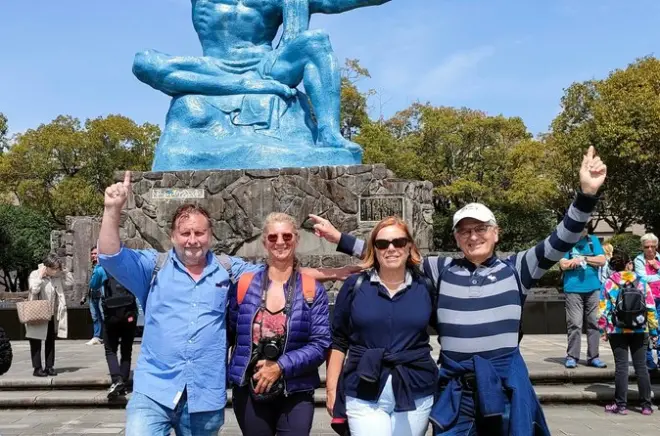


Choose your own path through Nagasaki’s historic landmarks with a private guide and car
A private car tour of Nagasaki with a licensed English-speaking guide, where you select 3–4 sites from the city's historic attractions. The guide travels with you in a vehicle matched to your group size (from a regular car for two to a microbus for up to fifteen), and the route is built around what you want to understand: the Dutch and Chinese trading era, the Christian persecution and Meiji modernization, or the atomic bombing and recovery. Entrance fees to sites are separate. The guide's knowledge of the history is included.
Compare the 12 alternatives
 Nagasaki Night Tour: Mt. Inasa, Chinatown & atomic historyEvery day except Wednesday · 19:00 · All ages★ 5.00 (4)5hEN · FRJP¥ 21,801View ›
 Nagasaki Highlights Private Half-Day Tour by CarEvery day · First departure 08:40, last 14:00 · All ages★ 4.92 (79)4hENJP¥ 27,000View ›
 Customizable Full-Day Private Tours in Nagasaki with GuideEvery day★ 5.00 (15)5h–8hEN
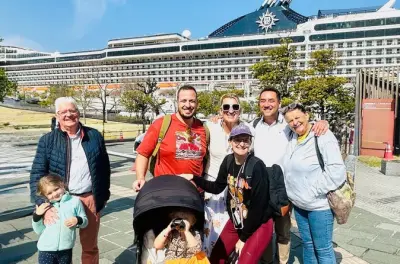 Nagasaki Highlights Private Car Tour with Museum EntryEvery day · First departure 08:40, last 14:00 · All ages★ 5.00 (24)6hENJP¥ 36,000View ›
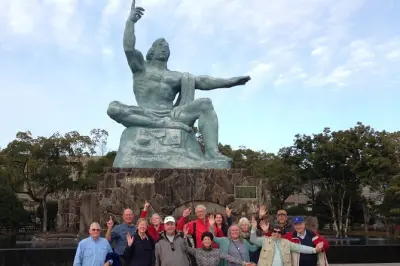 Nagasaki WW2 History Tour: 8-10 Sites & Atomic Bomb MuseumEvery day★ 4.95 (20)7h–10hENJP¥ 110,000per groupView ›
 Nagasaki Private Tour: Customizable Half-Day with Local GuideEvery day★ 5.00 (9)2h–4hEN
 Nagasaki Private Half Day Car Tour: Local Insider SpotsEvery day★ 5.00 (5)4hEN · JAJP¥ 29,068View ›
 Nagasaki Private Tour by Car from Sasebo Port: 100% customizable itineraryEvery day★ 5.00 (1)6h–8hENJP¥ 51,676View ›
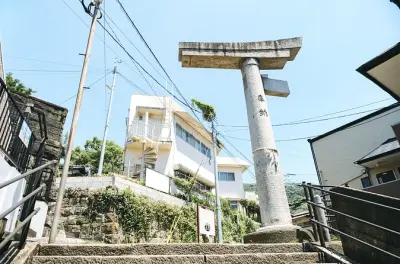 Nagasaki Private Tour: Peace Park, Museum & Glover GardenEvery day except Thursday · 09:00, 10:00 and 11:00 · All ages★ 5.00 (1)6hENJP¥ 54,000View ›
 Nagasaki Historical Highlights Private Car Tour: 4 HoursEvery day · First departure 08:00, last 13:00 · All ages★ 5.00 (3)4hENJP¥ 23,000View ›
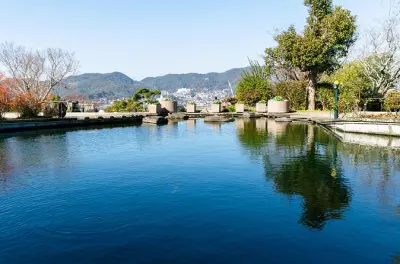 Nagasaki One-Day Private Tour: Peace Park & Glover Garden ViewsEvery day · First departure 08:00, last 11:00 · All ages★ 4.83 (24)8hEN · JAJP¥ 37,000View ›
 Nagasaki Private Full Day Car Tour: Flexible ItineraryEvery day★ 5.00 (3)7hEN · JAJP¥ 43,601View › Compare more experiences like this »
Step-by-step itinerary
Explore Nagasaki historical sites
- Visit Mount Inasa for city views
- Tour Glover Garden mansions
- See Sofukuji Temple architecture
- Explore Dejima historical area
- Visit Urakami Cathedral relics
- Discover Nagasaki Museum of History
- Tour Oura Church and museum
- Visit Kofukuji Temple
- See Nagasaki Confucius Shrine
- View Twenty Six Martyrs Monument
- Walk Dutch Slope street
- Visit Meganebashi bridge
- Explore Nagasaki Prefectural Art Museum
- Walk Nagasaki Peace Park
- Tour Nagasaki Atomic Bomb Museum
The experience
Nagasaki's story is layered and sometimes difficult. The city was Japan's only window to the outside world during two centuries of isolation, which made it wealthy and cosmopolitan but also a place where foreign influence was tightly controlled. You'll see that tension in the sites themselves: Dejima, the man-made island built in 1636 to segregate Portuguese residents; the Dutch Slope, where Western merchants lived after the port reopened in 1859; Glover Garden, with the Former Glover House, the oldest Western-style wooden building in Japan. A licensed guide who speaks English will help you make sense of how these places fit into Japan's larger history.
The tour runs six hours and covers 3–4 sites you choose before you book. That might mean the Nagasaki Museum of History and Culture, which walks through the Edo Period trade networks and the city's role as a cultural crossroads. Or it might mean Sofukuji Temple and Kofukuji Temple, both built by Chinese residents in the 1600s and still standing in Chinese architectural style. Or the Oura Church, built in 1864 and the oldest standing Christian church in Japan, and the Twenty Six Martyrs Monument, which marks the execution of Christians in 1597. The guide enters the sites with you. Entrance fees are paid separately at each one.
The vehicle is private and sized to your group. A regular car holds up to two passengers; a van holds up to seven; a microbus accommodates up to fifteen. You travel without other tour groups, and the pace is yours. Specialized car seats and booster seats are available if you're traveling with infants or small children, though rear-facing seats are not. Contact the operator directly if you need one. The guide speaks English and Japanese, and the route stays flexible: if a site takes longer than expected or you want to linger, the schedule adjusts.
What’s included
- Private vehicle matched to your group size (regular car, van, or microbus).
- licensed local guide who speaks English and Japanese.
- guide entry to the 3–4 sites you select before booking.
- six hours of travel and touring time.
Options for this experience
3 optionsYou pick the guide language when booking.
Before you book
Prices and times updated today
Operated by Japan Guide Agency
Is this one for you?Choose the microbus if you're a larger group traveling together and want to keep everyone in one vehicle; the van works for families or small groups of up to seven; the regular car suits couples or solo travelers. The guide's presence means you get context for what you're seeing rather than reading plaques alone, and the private vehicle eliminates waits for other tour groups to move through each site.
Traveler reviews
Top questions
What languages is the tour guided in?
Live guide in English and Japanese.
Can children come?
Yes. Ticket types: Child (6 to 11 years): free; Infant (under 6): free.
What is Glover Garden and why does it matter to Nagasaki's story?
Glover Garden is an open-air museum built on the hill where Western merchants settled after the port opened to foreign trade in 1859. The main attraction is the Former Glover House, the oldest Western-style wooden building in Japan, built for Scottish merchant Thomas Glover, who arrived in 1859 and later helped finance the revolutionaries who overthrew the Tokugawa Shogunate during the Meiji Restoration. The garden shows how foreign residents lived and worked during Japan's rapid industrialization.
What happened at the atomic bomb sites, and what will I see there?
The atomic bomb was dropped on Nagasaki on August 9, 1945, at 11:02 a.m., and destroyed most of the city. The Urakami Cathedral stood only 500 meters from the hypocenter and was almost completely destroyed. Today it is a working church rebuilt in 1959, with charred stone saints and other relics from the blast still on display. The Nagasaki Atomic Bomb Museum, located near the hypocenter, holds artifacts including a melted rosary, a clock stopped at 11:02, and personal belongings of victims, along with photographs and survivor testimonies. The Nagasaki Peace Park, also near the hypocenter, commemorates the victims and promotes global peace.
Can I see the Meganebashi bridge and the riverside walk?
Meganebashi is a stone bridge built in 1634 that spans the Nakashima River in downtown Nagasaki. It gets its name from its resemblance to a pair of spectacles when reflected in the water and is designated as an important cultural property. A stone walkway runs along the river bank with steps at various points, offering a tranquil stroll with views of the water and multiple bridges. It is located a short walk from Kofukuji Temple.
What is the Nagasaki Confucius Shrine, and what makes it unusual?
The Nagasaki Confucius Shrine is one of only a handful of shrines in Japan dedicated to the Chinese philosopher Confucius. Built in 1893 by Nagasaki's Chinese community, it features ornate Chinese-style buildings with yellow roofs, a small garden with a bridge and pond at the entrance, and 72 life-size stone statues of Confucius' disciples flanking the courtyard. Each statue weighs around two tons and the shrine encourages visitors to find one that resembles a relative.
Nagasaki Private Car Tour: Custom History with Guide
6h · EN +1 · at your hotel
from JP¥ 49,425 per person
4.9543 reviewsVerified traveler reviews via our booking provider