
Kyoto: Make Your Own Kimono with Vintage Fabrics & Custom Fit
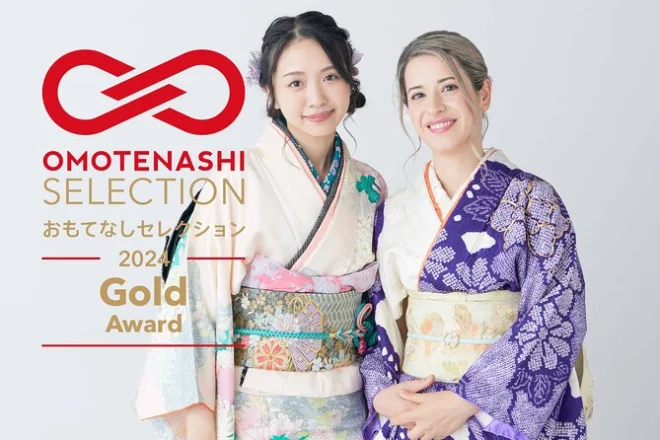
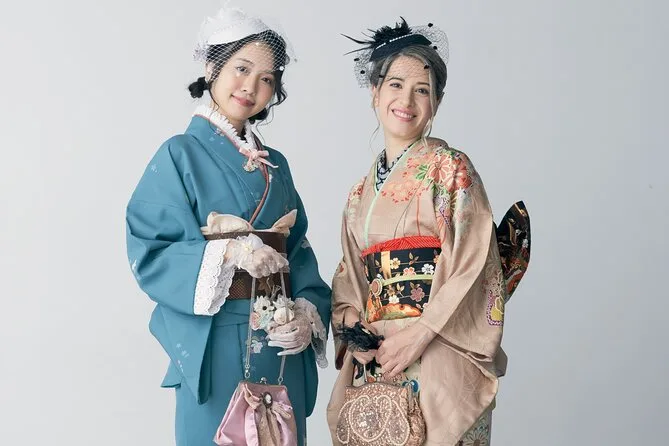
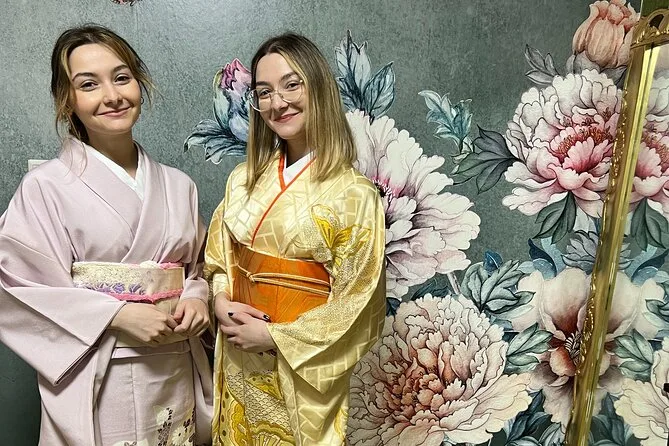
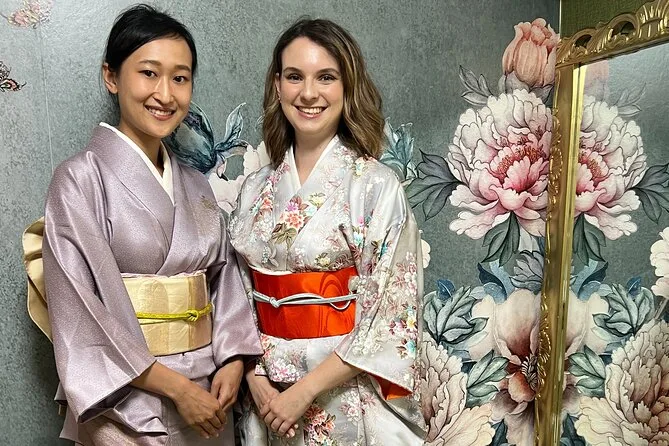
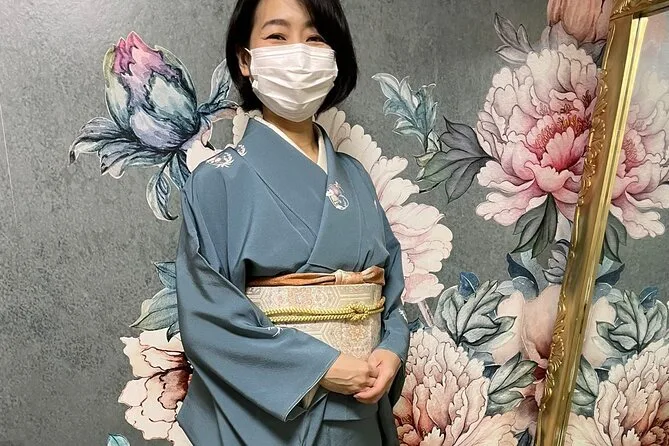
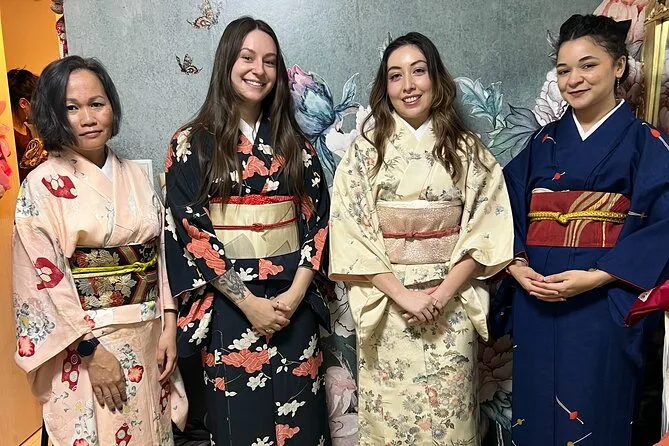
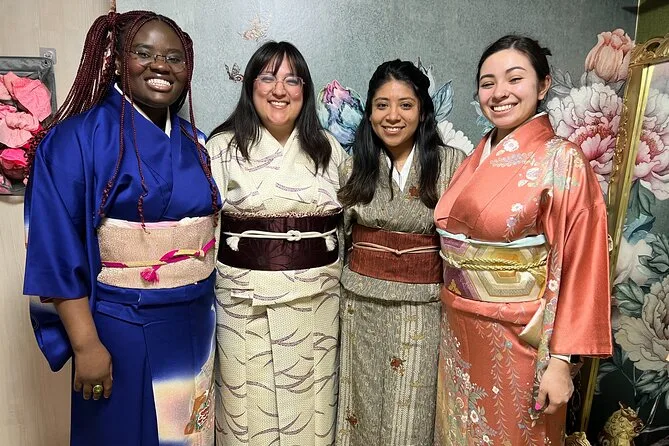
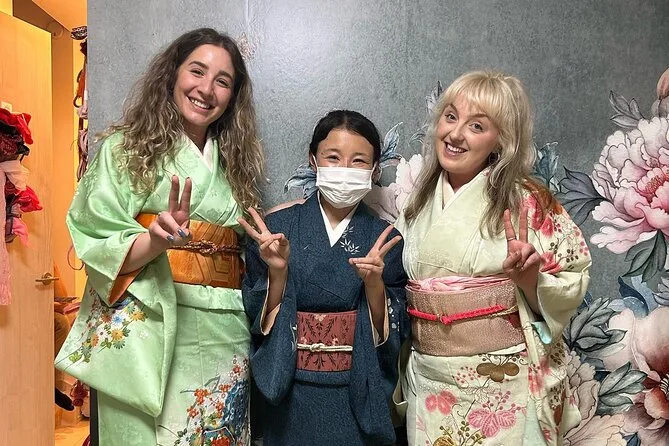
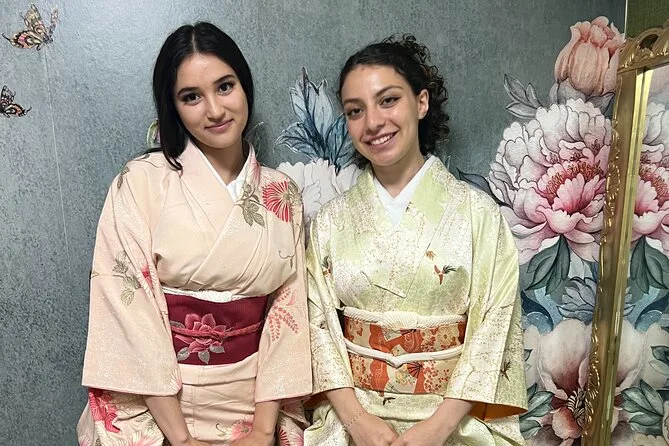
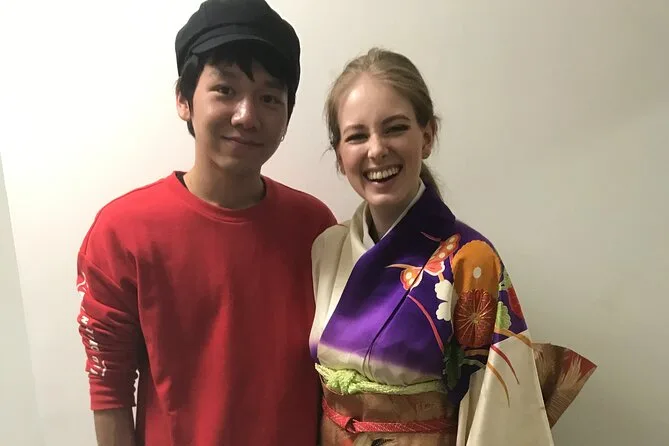
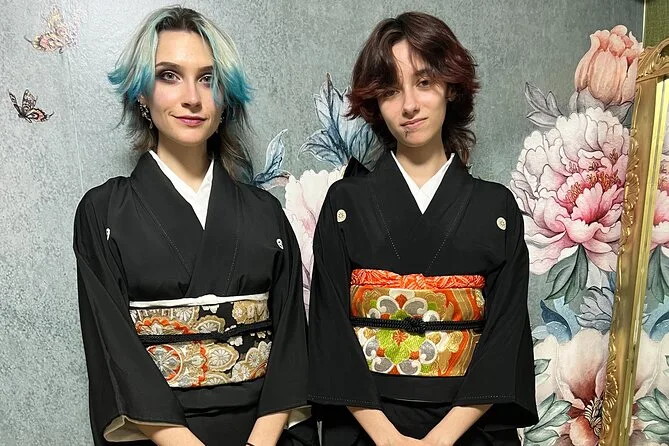
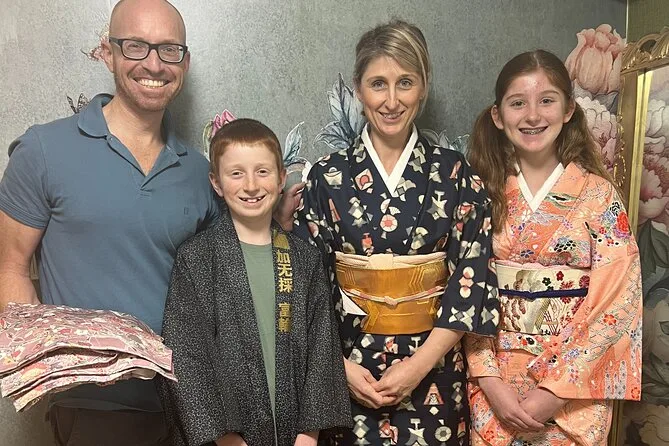
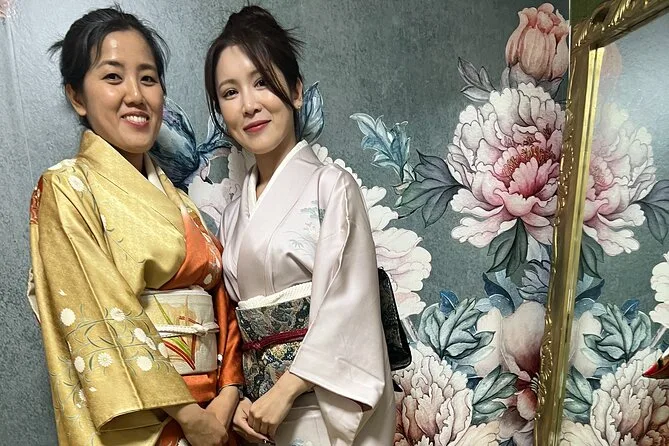

Make your own vintage kimono in Kyoto with local guidance
You’ll pick your own vintage kimono in Kyoto and learn how to fit and wear it comfortably with help from a local guide. Try customizing details like your name in kanji, ironed onto your new outfit. Enjoy hands-on moments with real silk fabrics before taking home your finished two-piece kimono — plus a few laughs along the way.
 1h 30m

Step-by-step itinerary
Kimono selection and customization
- Select your kimono
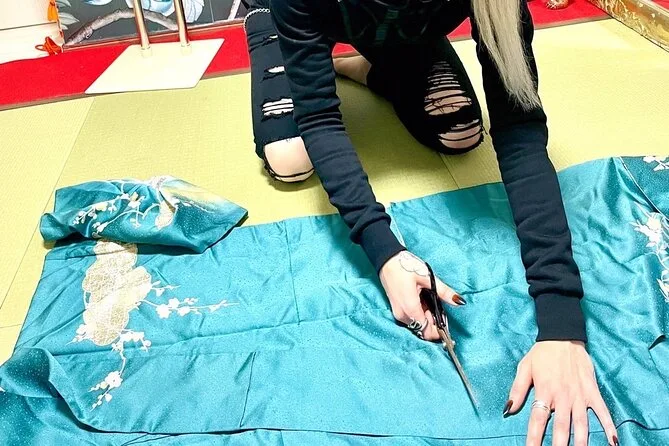
- Customize kimono to your size
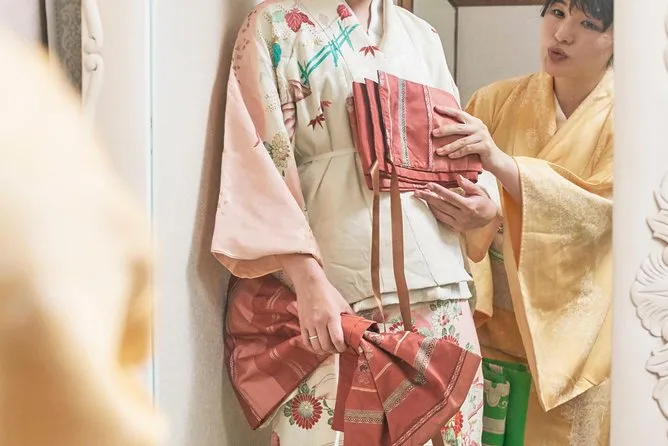
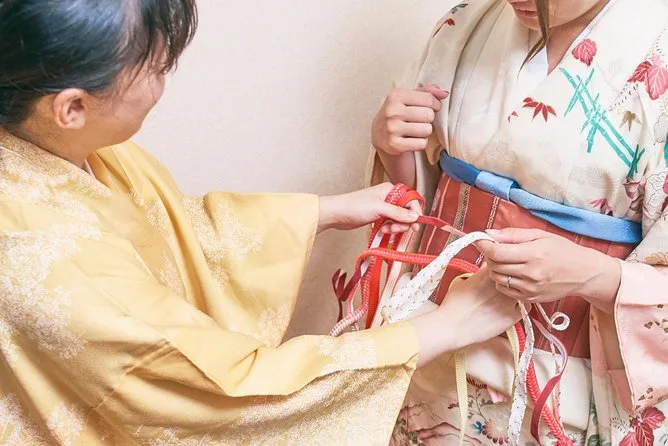
- Learn how to wear kimono
- Print name in Kanji (men's and boys' kimono)
- Iron on name (men's kimono)
- Photo time

The Experience
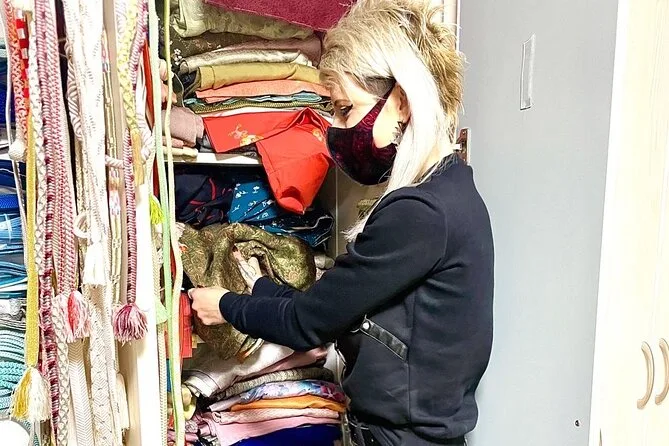
The first thing I noticed was the quiet rustle of silk — that soft, almost papery sound as we ran our fingers over racks of vintage kimonos in Kyoto. There was this faint smell too, like cedar and something sweet I couldn’t name. Our guide, Yuki, laughed when I hesitated between two wildly different patterns (one had cranes, the other just these tiny gold dots). She said the old kimonos are “full of stories,” and honestly, you could feel it in the fabric. I didn’t expect to care so much about choosing one — but there’s something about picking out a piece of history that makes you pause.
We sat at low tables while Yuki explained why most Japanese people don’t wear kimono anymore — apparently it’s tricky to put on alone, and vintage ones are usually too small unless you’re five feet tall. That’s why this class uses a two-part style. It actually made sense once she showed us how the folding part (“Ohashiyori,” she called it) gets skipped. I’m not sure if my sewing was perfect (probably not), but Yuki kept encouraging us and even let me try ironing on my name in kanji. I butchered the pronunciation; she grinned and wrote it out anyway.
I still think about how light the finished kimono felt — nothing like heavy winter coats back home. The silk slid cool against my skin, and even though some pieces had little stains or faded spots, it just made them feel more real. We took photos at the end (Yuki insisted), and I couldn’t help laughing at myself trying to tie the obi right. There’s a rhythm to all of it: choosing, adjusting, laughing at mistakes together with strangers who suddenly didn’t feel so strange.

What’s included
Your experience covers all materials needed to make your own two-piece vintage kimono in Kyoto — including free rental of obi belts and accessories like obiage and obijime — plus guidance from a local expert. You’ll also get to personalize details such as printing your name in kanji before taking home your completed outfit at the end of class.
Operated by Let's make kimono !(Kimono is a gift for you)
Traveler reviews
Compare the 13 similar options
 Kyoto: Make Your Own Kimono with Vintage Fabrics & Custom Fit★ 4.86 (275)1h 30mEN · JAJP¥ 6,500
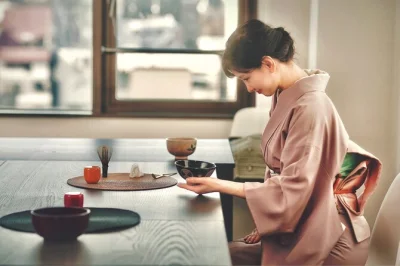 Tokyo Asakusa: Tea Ceremony with Kimono & Two-Bowl MatchaFeel the quiet beauty of a real Tokyo tea ceremony in Asakusa, try kimono dressing, taste seasonal wagashi, and prepare your own matcha—includes English guidance.★ 4.99 (220)1h 30mEN · JAJP¥ 8,820View ›
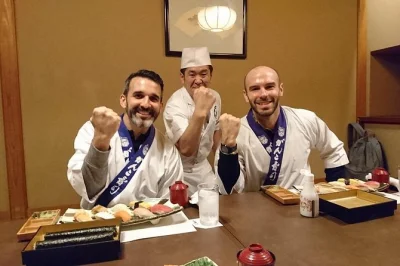 Tokyo: Tsukiji Fish Market Tour & Sushi Making with ChefWalk Tokyo’s Tsukiji Market, taste fresh flavors, and learn sushi making from a local chef. Includes guided tour, hands-on class, and lunch with tea and soup.★ 4.88 (976)4hENJP¥ 15,700View ›
 Tokyo: Shibuya Food Tour with Izakaya & 13 Local DishesStep into Shibuya’s lively streets on a guided food tour, tasting 13 dishes across four izakayas and bars. Includes all food, drinks, and a local guide.★ 4.91 (1,232)3hEN · JAJP¥ 13,000View ›
 Tokyo Shibuya Crossing & Hachiko: Private Walking TourShibuya walking tour with local guide: Hachiko Statue, Scramble Crossing, Shibuya Center Gai, matcha break, JUMP SHOP. Guide takes and shares photos.2h 30mENJP¥ 9,921View ›
 Shinjuku: Food Tour with 15 Dishes & Memory Lane StopsFollow a local guide through Shinjuku’s lively alleys, taste 15 dishes at hidden spots, see Godzilla Head, and wander Memory Lane. Includes all food & drinks.★ 4.95 (527)3hENJP¥ 13,000View ›
 Tokyo: Ramen & Sushi Cooking Class with Sake PairingFeel the rhythm of Tokyo in a hands-on ramen & sushi cooking class, taste sake pairings, and learn from local chefs. Includes all ingredients and English guide.★ 4.98 (315)3hEN · JAJP¥ 20,000View ›
 Tokyo Shinjuku: Sumo Show, Photo & Drinks with Real WrestlersStep into Tokyo’s Shinjuku for a sumo show up close—watch live matches, try a sumo challenge, snap photos, and enjoy a welcome drink. Includes bilingual guide.★ 4.94 (4,117)1h 30mENJP¥ 12,000View ›
 Tokyo & Mt. Fuji Private Tour: Custom Itinerary, Pickup & DriverFeel Tokyo’s pulse from Shibuya Crossing to Senso-ji Temple, with a private English-speaking driver, hotel pickup, and flexible stops—even Tsukiji Market snacks.★ 4.96 (329)9hEN · RU +1JP¥ 53,371per groupView ›
 Tokyo Imperial Palace: 2-Hour Walking Tour & Nijubashi Bridge2-hour guided walking tour of Tokyo Imperial Palace with local expert. Small groups, Nijubashi Bridge, East Gardens, samurai history included.2hEN · ZHJP¥ 7,833View ›
 Tokyo Shinjuku: Food Tour 13 Dishes & 4 Local EateriesSmall-group food tour in Tokyo's Shinjuku with 13 dishes at 4 local spots: izakaya, stall, traditional restaurant & gastrobar. Includes 2 drinks & expert guide.★ 4.94 (9,689)3hENJP¥ 13,000View ›
 Tokyo: Chopstick Making Workshop with Artisan & Take-Home GiftCarve your own wooden chopsticks in Tokyo with a local artisan, learn Japanese craft traditions, and take home a personalized souvenir. All tools included.★ 4.96 (521)1hEN · JAJP¥ 2,400View ›
 Tokyo Shinjuku Bar Hopping: Golden Gai & All-You-Can-DrinkThree izakaya bars in Shinjuku with full dinner, all-you-can-drink included, and a certified MagicalTrip guide. Small groups, local crowds, evening tour.★ 4.92 (3,982)3hENJP¥ 16,880View ›
Top questions
Can tall people wear these vintage kimonos?
Yes, the class uses a two-piece style that removes traditional size limits so anyone can wear a vintage kimono comfortably.
Do I get to keep the kimono I make?
Yes, you take home your customized two-piece vintage kimono after the class.
Is this activity suitable for children?
Yes, there are special options for both girls’ and boys’ kimonos with simpler adjustments for kids.
Are there extra charges for upgraded kimonos?
You can choose basic kimonos at no extra cost or pay JPY 2,000–6,000 for upgraded styles or sets.
What is included in the price?
Your session includes free rental of obi (belt), obiage, obijime, obi pillow, and all necessary materials for making your kimono.
Can I print my name on the kimono?
Yes, men’s and boys’ classes include printing your name in kanji on the collar or as an iron-on detail.
Is this accessible by public transportation?
Yes, public transportation options are available nearby for easy access.
Kyoto: Make Your Own Kimono with Vintage Fabrics & Custom Fit
1h 30m · EN · JA
from JP¥ 6,500 per person
★★★★★★★★★★4.86275 reviews
