


Kyoto Gion Night Walk: Geisha District & Lantern Streets
Gion After Dark: Where Kyoto's Lanterns Come Alive
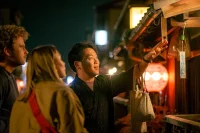
You walk through Gion's lantern-lit alleys with a local guide who explains geisha culture with respect, not spectacle. The route includes Yasaka Shrine at dusk, Kennin-ji Temple's grounds, and the preserved streets of Sannenzaka and Ninenzaka. You'll receive a digital guide with food and photography tips for exploring Kyoto on your own afterward. The whole evening runs two to three hours at a pace that lets you absorb the atmosphere without rushing.
Step-by-step itinerary
Evening walk through historic Gion district
- Begin at Yasaka Shrine
- Make a prayer at Yasaka Shrine
- Walk past modern clubs and restaurants
- Explore geisha quarters and learn about geisha
- Visit Kennin-ji Temple grounds
- Take photos at iconic night view spot
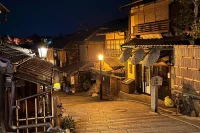
- Wander Sannenzaka and Ninenzaka streets
- Miyagawacho Kaburenjo 30m
- Kennin-ji Temple passing by
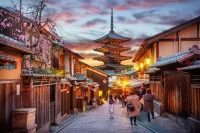
- Yasaka Pagoda 15m
- Sannenzaka and Ninenzaka passing by
- Yasaka Shrine 20m
- Gion Shirakawa 15m
What’s included
- A local guide who leads the evening walk through Gion's geisha district, starting at Yasaka Shrine and moving through Kennin-ji Temple, Sannenzaka and Ninenzaka, and the lantern-lit alleys of historic Gion.
- The tour includes cultural insight into geisha traditions and Zen Buddhism, plus a digital Kyoto guide with food and photography recommendations delivered at the end.
- The guide is fluent in English and trained in respectful cultural interpretation.
- Every day 17:30 20:00
Information
Evening walking tour through Kyoto's Gion geisha district with local guide. Yasaka Shrine, Kennin-ji Temple, lantern-lit alleys. Small groups, 2–3 hours.
Compare the 12 alternatives




Traveler reviews
The experience
The guide was five minutes late, which turned out to be perfect. It meant we arrived at Yasaka Shrine just as the lanterns flickered on. That small delay reset the whole evening. The shrine sits at the edge of Gion, and in daylight it's crowded with phone cameras and selfie sticks, but at dusk something shifts. The golden lanterns sway softly, incense drifts across the stone paths, and the day-trippers have mostly gone. Our guide, who'd lived in Kyoto for fifteen years, pointed out the pagoda silhouetted against the darkening sky and explained that this is when locals actually come here, not for the view, but for the quiet.
We walked deeper into Gion from there, moving through the narrow alleys where wooden machiya houses still stand exactly as they did a century ago. The guide was careful about how he talked about geisha culture: no romanticizing, no treating it like a performance we'd paid to watch. He explained the distinction between a maiko and a geiko, the years of training, the strict codes. If we spotted someone in full dress heading to an appointment, we'd step aside and let them pass without staring. It felt like being let into a world that doesn't exist for tourists, even though we were tourists. We passed Kennin-ji Temple, its grounds dark and serene, and he gave us just enough about Zen Buddhism to make the silence feel intentional rather than empty. Then came Sannenzaka and Ninenzaka: the preserved shopping streets that somehow don't feel like a museum even though every building is protected. Lantern light pooled on the stone, and you could hear the occasional sound of a door sliding open, a conversation in Japanese, the ordinary life of the neighborhood continuing around us.
The whole thing took about two and a half hours, moving slowly enough that you weren't rushing but purposefully enough that it didn't drag. The guide handed out a digital Kyoto guide at the end with food recommendations and photo spots for the next day: practical stuff, not just pretty pictures. By the time we looped back to where we started, the shrine was fully lit and somehow even more magical than when we'd arrived. It's the kind of tour where you leave feeling like you've seen something real, not performed.
Top questions
Can children come?
Yes. Ticket types: Youth (10 to 15 years). Children under 10 can't be included in the booking.
What happens if it rains?
It may be canceled due to bad weather. If that happens, you're offered another date or a refund. Free cancellation up to 24 h before the start.
What time does the Gion night walk start?
The tour begins in the early evening, timed so you arrive at Yasaka Shrine as the lanterns light up. Exact start time varies by season. Check your booking confirmation.
Will we see geisha or maiko on the tour?
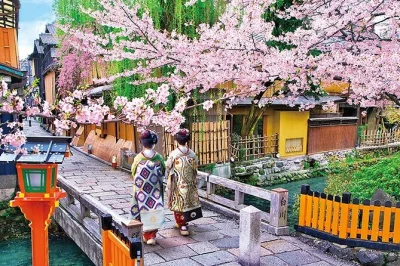
You might spot one heading to an appointment, but the tour doesn't chase or seek them out. The guide teaches proper etiquette for respectful encounters if it happens.
How long is the walk and how difficult is it?
The tour is two to three hours of gentle walking on flat, paved streets. It's suitable for all fitness levels and wheelchair accessible.
What's included in the digital Kyoto guide?
Food recommendations and photography tips for exploring Kyoto on your own, handed out at the end of the tour.
Is this tour respectful toward geisha culture?
Yes. The guide explains the distinction between maiko and geiko, the years of training involved, and the etiquette for encounters. It's framed as cultural insight, not celebrity spotting.
What if I don't speak Japanese?
The tour is led by a local guide in English. You'll receive explanations of Shinto faith, Zen Buddhism, and the history of the district as you walk.
Are there public restrooms on the route?
Public transportation options are available nearby, and the route passes through commercial areas with facilities, though it's best to use restrooms before the tour starts.
Operated by Kyoto Fun. Explorevia does not run this tour: we compare it with similar options, and you book it with our booking partner.
Prices and times updated today
Kyoto Gion Night Walk: Geisha District & Lantern Streets
2h · EN
from JP¥ 5,000 per person
≈ US$ 32 in your currency
Next, you choose your date and number of travelers and see the final price.