
Kyoto Gion Night Walk: Geisha Stories & Hidden Streets
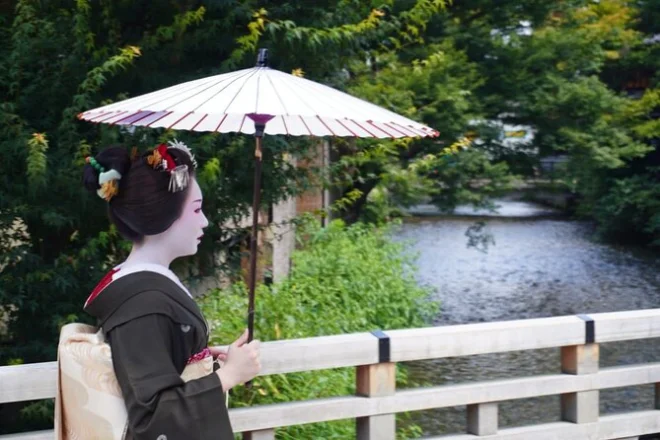
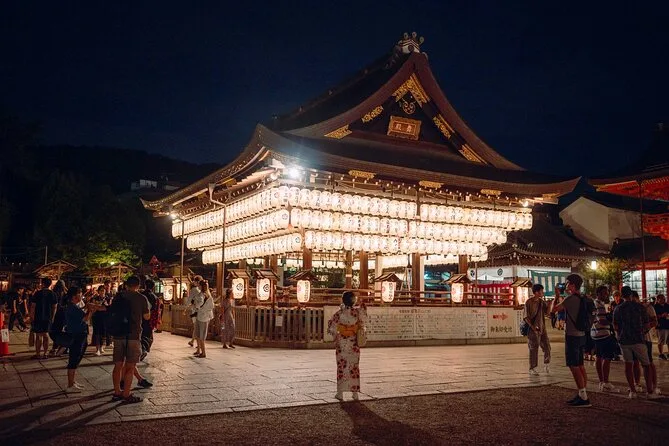
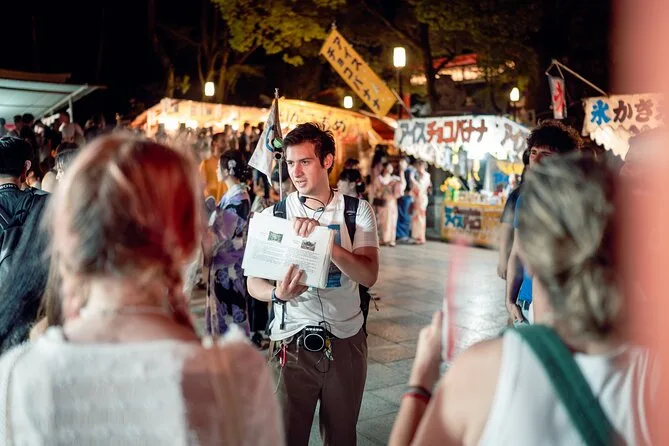
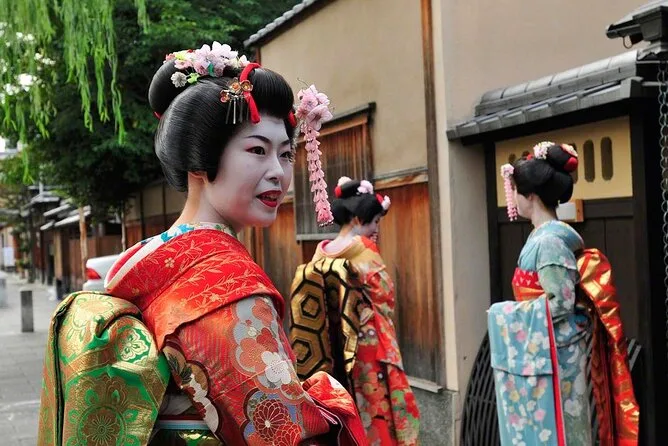
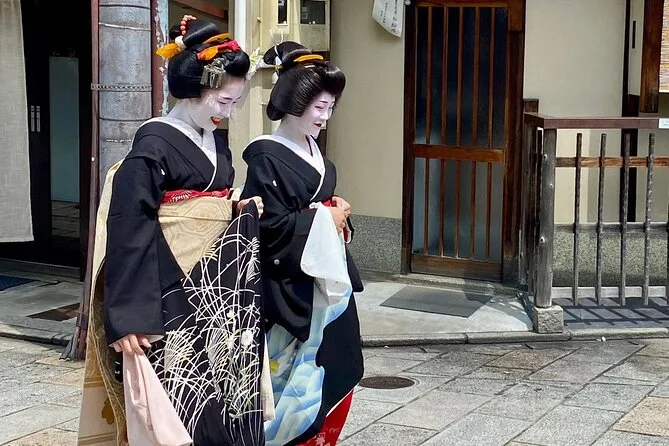
Gion’s secret side comes alive after dusk with stories and soft footsteps
You’ll slip into Gion’s quieter side after dark with a small group and Spanish-speaking guide. Expect lantern-lit lanes, glimpses of geishas heading to work, stories behind every shrine and bridge, and time to soak up Kyoto’s night air. It’s not just sightseeing. It feels like wandering through someone else’s memories.
Compare the 12 alternatives
 Kyoto Gion Geisha District Walking Tour & Yasaka ShrineEvery day · first departure 10:00, last 19:30 · All ages★ 4.91 (492)2hENJP¥ 4,500View ›
 Kyoto: Gion & Hanamikoji Walking Tour with Geisha DistrictEvery day · 18:00 and 18:30 · All ages★ 4.95 (531)2hENJP¥ 2,000View ›
 Kyoto Gion Geisha District Walking Tour with Live GuideEvery day · first departure 10:00, last 19:30 · All ages★ 4.88 (2,271)2hENJP¥ 3,875View ›
 Gion Night Tour: Geisha Culture Walking Tour in KyotoEvery day · 18:30 and 19:30 · All ages★ 4.99 (173)2hESJP¥ 5,652View ›
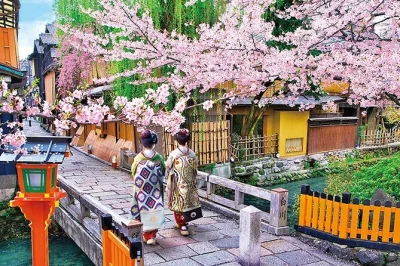 Kyoto: Gion Geisha Walk & Temples at Night with Local GuideEvery day · 09:00, 13:00 and 17:20 · From age 4★ 4.98 (238)3h 30mENJP¥ 19,377View ›
 Kyoto Gion: Geisha Culture & Hidden Streets with Local GuideEvery day · first departure 10:00, last 19:00 · All ages★ 4.98 (498)2hENJP¥ 5,000View ›
 Kyoto Gion Walking Tour: Geisha Culture & Hidden ShrinesEvery day · first departure 08:00, last 21:00 · All ages★ 4.95 (4,280)2hENJP¥ 3,000View ›
 Kyoto Gion Night Walk: Sake Tasting in Geisha DistrictEvery day · first departure 15:30, last 21:30 · From age 12★ 4.86 (139)1h 20mENJP¥ 6,500View ›
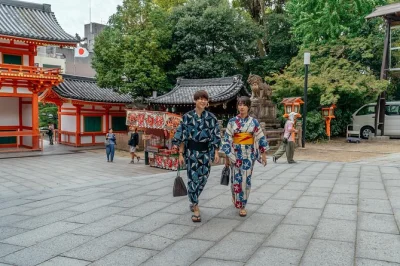 Private Kyoto Gion Tour: Geisha Culture & 5 TemplesEvery day · first departure 09:00, last 16:00★ 4.92 (36)2h 30mEN · JAJP¥ 20,279View ›
 Kyoto Gion: Geisha Walking Tour & Live Maiko PerformanceEvery day · 14:00★ 5.00 (110)2hENJP¥ 13,000View ›
 Kyoto Gion Night Tour: Geisha District Walking TourEvery day · 18:30 · All ages★ 5.00 (17)1h 30mENJP¥ 5,000View ›
 Gion Geisha District Sunset Tour in Spanish: Kyoto Walking TourEvery day · first departure 16:00, last 20:00★ 4.99 (348)2hEN · ESJP¥ 3,000View › Compare more experiences like this »
Step-by-step itinerary
- Gion Corner10m
- Yasaka Shrine10m
Evening walk through historic Gion district
- Visit Minamiza Kabuki Theatre
- Walk along Gion Shinbashi and Tatsumi Bridge
- Stroll Hanami Koji street
- Attend Gion Corner cultural show
- Explore Yasaka Shrine
The experience
Ever wondered what Gion feels like when the crowds finally thin out? I didn’t, not really, until I found myself following our guide (Miguel, from Madrid but somehow more local than the locals) down those narrow stone streets. The air was cooler than I expected for Kyoto in spring, and you could actually hear your own shoes on the pavement. We started near Yasaka Shrine, its red gates glowing under the lanterns, and it smelled faintly of incense. Someone must’ve just finished their prayers. There were a few locals chatting quietly by the steps, and Miguel paused to point out how people bow before entering. It’s these tiny things I’d have missed on my own.
We wandered through Hanami Koji next. I kept glancing at the wooden machiya houses: somehow they look softer at night, less like museum pieces and more like someone’s actual home. A couple of maikos slipped past us in white socks so quietly that one woman in our group gasped (she apologized, but honestly we all felt it). Miguel told us about how geishas train for years. He even tried teaching us a greeting in Japanese. Li laughed when I tried to say it in Mandarin, probably butchered it. The canal at Shinbashi reflected all these little lights from tea houses. It was almost too pretty to be real but also kind of lonely in a way? Like you’re trespassing on a secret.
By the time we reached Gion Corner, my feet were starting to ache but I didn’t care. We listened to music drifting from inside (a koto or maybe shamisen?), and Miguel explained how this spot brings together different arts: tea ceremony, flower arranging, even comedy theater (rakugo). He said if we came back during festival season we’d see the whole district transform. Someone asked about booking tickets for kabuki at Minamiza Theater. Apparently you need to plan ahead or get lucky with last-minute seats. The night felt slower here than anywhere else in Kyoto. I still think about that view from Tatsumi Bridge, water moving so gently under those old stones.
What’s included
Your evening includes all entry fees and taxes plus a relaxed walk through Gion with a Spanish-speaking local guide: no hidden extras or surprise costs along the way.
Options for this experience
2 optionsBefore you book
Prices and times updated 3 days ago
Operated by Japandas
Traveler reviews
Top questions
What languages is the guide in?
In Spanish, at 17:30, 18:30 and 19:00. In English, at 18:30.
Can children come?
Yes. Ticket types: Child (under 12).
Is this Gion night tour suitable for families?
Yes, the tour is suitable for all physical fitness levels and infants can join in strollers.
How many people are in each group?
The maximum group size is 15 travelers per tour.
Does the tour include entry fees?
Yes, all fees and taxes are included in your booking.
What main sites do we visit during the tour?
You’ll see Yasaka Shrine, Hanami Koji street, Shinbashi canal area with Tatsumi Bridge, Minamiza Theater (from outside), and Gion Corner.
How do I get to the meeting point?
The area is well connected by public transportation options nearby.
Kyoto Gion Night Walk: Geisha Stories & Hidden Streets
2h–3h · EN · ES
from JP¥ 3,300 per person
4.91200 reviewsVerified traveler reviews via our booking provider