
Rome: Trevi Fountain & Spanish Steps Walking Tour





Water, Stone & Stories: Rome's Fountains in Two Hours
You walk through five of Rome's most famous squares and fountains with a licensed local guide who explains the history and design of each one. The group stays under 15 people, so you get time for questions and photos without the chaos of a large tour. Two hours, no entry fees, and a pace that works for all fitness levels. Confirmation arrives by email the day before.
 2h
2h

Step-by-step itinerary
Explore Rome's famous fountains and squares
- Visit Piazza Navona and its fountains
- See Fountain of the Four Rivers
- Walk through Campo dei Fiori marketplace
- Learn about Giordano Bruno statue
- Discover Stadium of Domitian ruins
- Explore the Pantheon monument
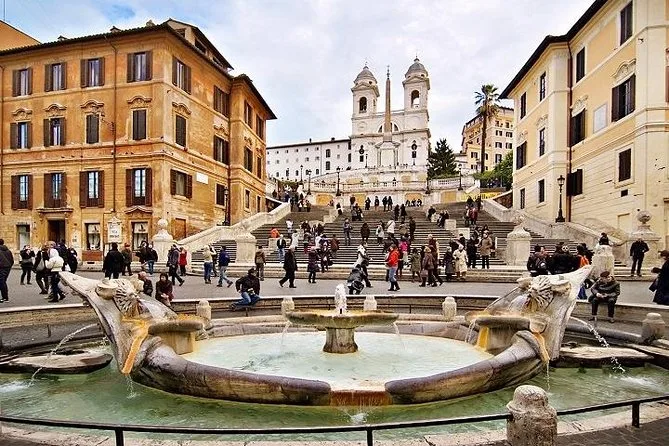
- View Barcaccia Fountain at Spanish Steps
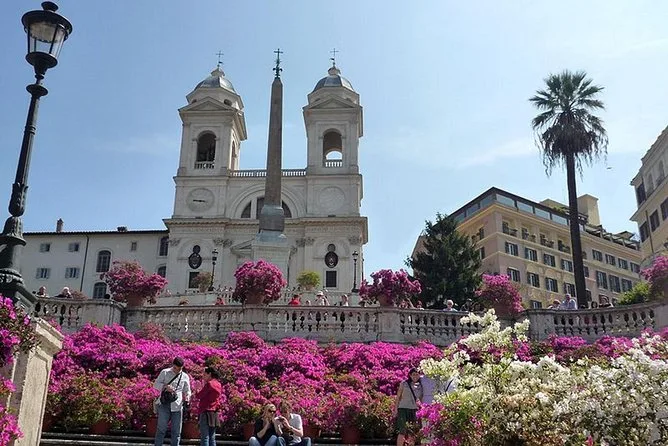
- Visit Trinità dei Monti church
- Walk around Piazza di Spagna square
- Admire the Trevi Fountain

The Experience
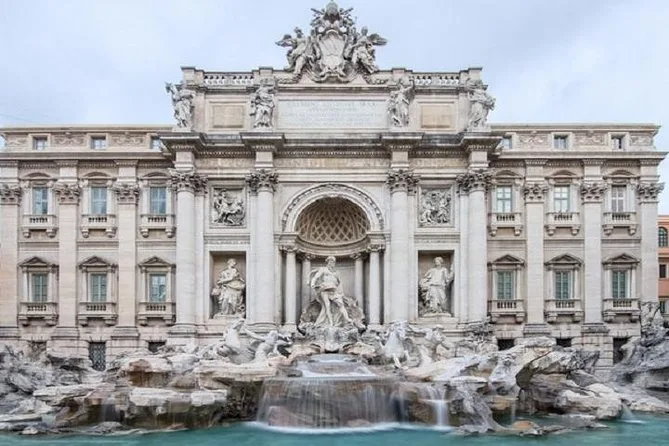
Picture yourself standing in front of the Trevi Fountain at a moment when the light hits the travertine just right, and your guide is telling you why Bernini designed it the way he did—not reciting facts, but actually explaining the thing you're looking at. That's the difference a local makes. This Rome fountains walking tour moves through the city's most recognizable squares at a pace that lets you breathe, ask questions, and take photos without feeling rushed. The group stays small—no more than 15 people—which means you're not competing with a crowd of 50 to hear what's being said.
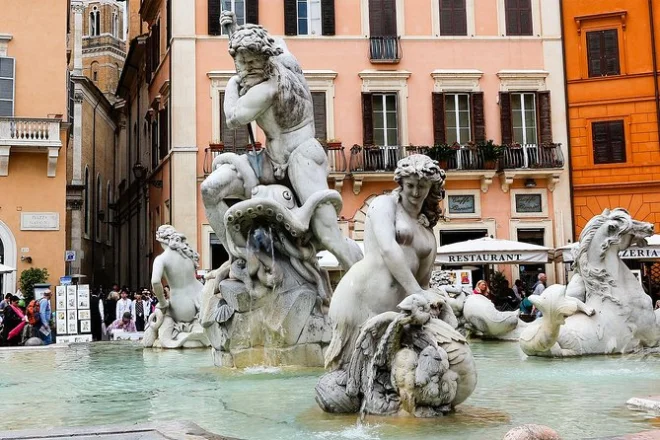
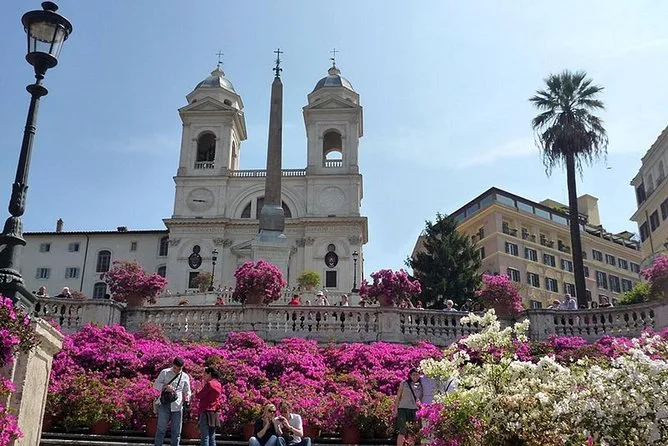
The walk covers Piazza Navona first, where the Fountain of the Four Rivers sits in the center of a square built over a 1st-century Roman stadium. Your guide will point out how the obelisk and the four river gods represent the continents where papal authority had spread, and you'll actually see it instead of just reading it in a guidebook. From there, you move through Campo de' Fiori—a marketplace by day, a social hub by night—and past the Pantheon, one of the best-preserved ancient monuments in Rome. Then comes the Spanish Steps and the Barcaccia Fountain at the bottom, and finally, the Trevi Fountain itself. Two hours, five major stops, one person who knows the stories behind each one.
You'll need comfortable shoes because the walking is steady but not strenuous, and the route covers the historic center on foot. The tour works well on your first day in Rome if you want to understand the city instead of just checking boxes. A confirmation email arrives the day before with the exact meeting point and time, so there's no guessing where to show up. Summer visitors should bring a hat and sunglasses—the squares offer some shade, but not everywhere.

What’s included
Your tour includes a 2-hour guided walk through Rome's historic center led by a licensed local guide, insightful stories about the fountains and squares you visit, personalized attention and time for questions and photos, and a small group experience capped at 15 participants. No entry fees are required for the fountains or public squares.
Operated by ROMAETRAVEL
Is this one for you?Book this if you want to understand Rome's most famous fountains and squares on your first day in the city without arranging a guide yourself—the small group size and relaxed pace are what make it possible to actually hear the stories instead of just seeing the sights.
Traveler reviews
Compare the 13 similar options
 Rome: Trevi Fountain & Spanish Steps Walking Tour★ 4.88 (16)2hEN · IT€ 70
 Rome: Pantheon, Trevi Fountain & Spanish Steps Private WalkFeel the pulse of Rome’s historic center with a private walking tour—Pantheon, Trevi Fountain, Spanish Steps, and Piazza Navona. Includes hotel pickup & guide.★ 5.00 (80)2h–3hEN · DE +3€ 245View ›
 Rome: Private Golf Cart City Tour & Custom PickupGlide through Rome’s city center by private golf cart, from Trevi Fountain to Trastevere. Includes hotel pickup, flexible drop-off, and a local tour leader.★ 4.93 (375)3hEN · IT +2€ 184View ›
 Rome: Night E-Bike Tour, Trattoria Dinner & City HighlightsFeel Rome’s twilight energy on an e-bike tour with a local guide. See the Colosseum, Trevi Fountain, and enjoy dinner in a classic trattoria. Includes helmet and water.★ 5.00 (86)2h–4hEN · DE +4€ 65View ›
 Amalfi Coast Day Trip from Rome: Boat, Positano & RavelloDay trip from Rome to the Amalfi Coast with boat cruise, Emerald Cave, Positano viewpoint, seaside lunch with wine, and Villa Rufolo entry—breakfast★ 4.94 (32)13hEN · IT€ 69View ›
 Rome Night Golf Cart Tour: Colosseum, Trevi & PickupFeel Rome’s evenings come alive on a small-group golf cart tour with pickup. See the Colosseum, Trevi Fountain, Spanish Steps & more in golden hour light.★ 4.91 (115)2h 30mEN€ 59View ›
 Rome: Private Golf Cart Tour with Colosseum Stop & PickupFeel Rome’s pulse on a private golf cart tour—see the Colosseum, Trevi Fountain, Pantheon, and taste Roman snacks. Includes pickup and drop-off for comfort.★ 4.55 (968)3hEN · AR +5€ 44View ›
 Rome: City Highlights Golf Cart Tour & Gelato StopFeel the energy of Rome from a golf cart, see iconic sites like Trevi Fountain & Pantheon, and enjoy real gelato. Includes guide, headsets & bottled water.★ 4.92 (1,822)3hEN€ 89View ›
 Rome: Colosseum & Vatican Museums Private Tour with ChauffeurStart your Rome day with a private guide, skip the crowds at the Colosseum, wander the Vatican Museums, and relax with hotel pickup in a Mercedes van or golf cart.★ 4.96 (245)3h–10hEN · ES€ 480View ›
 Rome: Monti Bar Crawl & Local Drinks with Colosseum ViewsSix-bar nightlife tour through Rome's Monti district with wine, spritz & sambuca. Starts at Colosseum metro, local guide, 2 hours. Small groups.2hEN€ 57View ›
 Rome Night Segway Tour: Trevi Fountain, Pantheon & Spanish StepsGlide through Rome at night by Segway with a small group. See the Trevi Fountain, Pantheon, and Spanish Steps, guided by a local expert. Includes helmet and orientation.★ 4.93 (237)2h 30mEN€ 75View ›
 Rome: Golf Cart City Tour with Custom Stops & Hotel PickupFeel the rhythm of Rome by golf cart—Pantheon, Trevi Fountain, Aventine Keyhole, and more. Includes hotel pickup and a local guide who adapts to your pace.★ 4.84 (440)3hEN€ 180View ›
 Rome Night Golf Cart Tour: Pizza, Gelato & City LightsFeel Rome’s energy at night by golf cart, stopping for real Roman pizza and artisan gelato. Includes dinner, local guide, and pickup—see the city glow after dark.★ 4.93 (84)4hEN · IT€ 169View ›
Top questions
How long is the Rome fountains walking tour?
Two hours. The route covers Piazza Navona, Campo de' Fiori, the Pantheon, Spanish Steps, and Trevi Fountain.
Is there a maximum group size?
Yes. Groups are capped at 15 participants, which keeps the experience more personal and lets everyone hear the guide.
Do I need to pay entry fees for the fountains and squares?
No. The tour covers public squares and fountains. The Pantheon is free to enter, though donations are welcome.
What should I wear?
Comfortable walking shoes are essential. In summer, bring a hat and sunglasses. The pace is easy, but you'll be on your feet for two hours.
When will I get the meeting point details?
The day before the tour, you'll receive an email with the exact meeting location and time.
Is the tour accessible for people with mobility issues?
The tour is wheelchair accessible, and all areas and surfaces along the route are accessible. Strollers and prams are welcome for infants and small children.
What if I have questions during the tour?
The small group size and relaxed pace mean there's built-in time for questions and storytelling throughout the two hours.
Is a minimum number of people required to book?
Yes. A minimum of two travelers per booking is required.
Rome: Trevi Fountain & Spanish Steps Walking Tour
2h · EN · IT
from € 70 per person
★★★★★★★★★★4.8816 reviews
