
Jakarta Old Town and Modern City Half-Day Tour with Guide




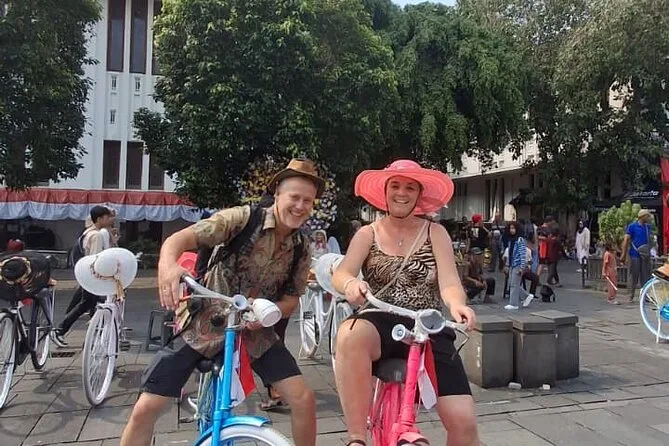
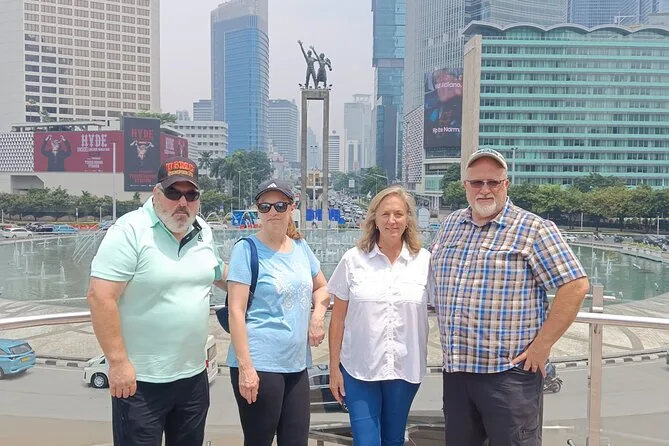
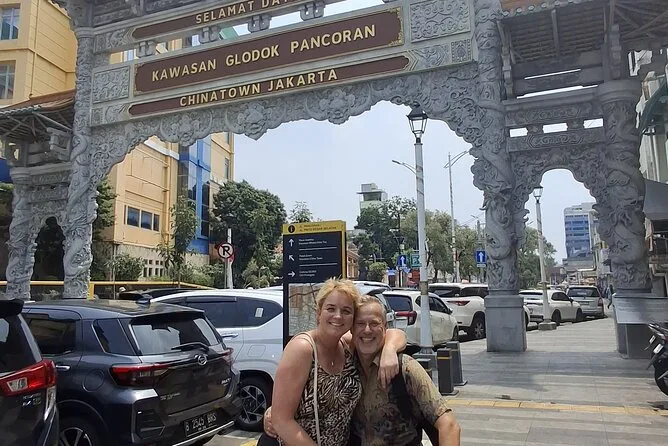
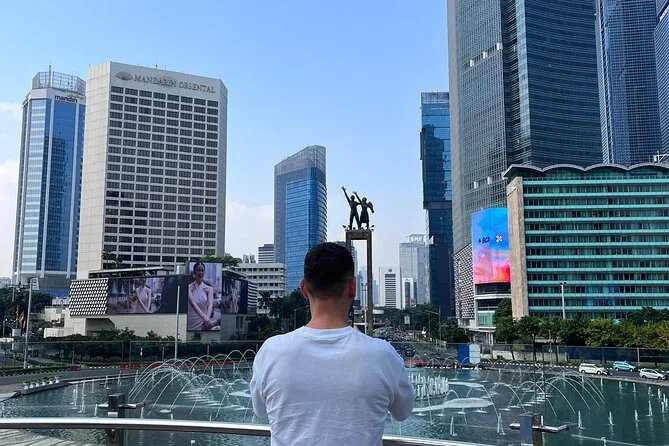


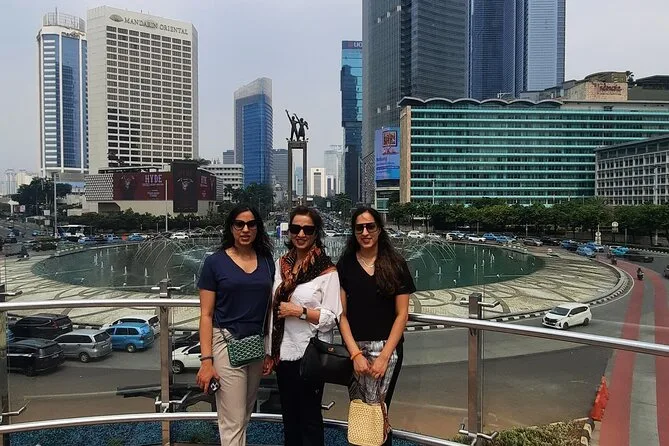
Old Batavia's colonial squares, a working harbour from the 1600s, and Jakarta's glass towers in one morning
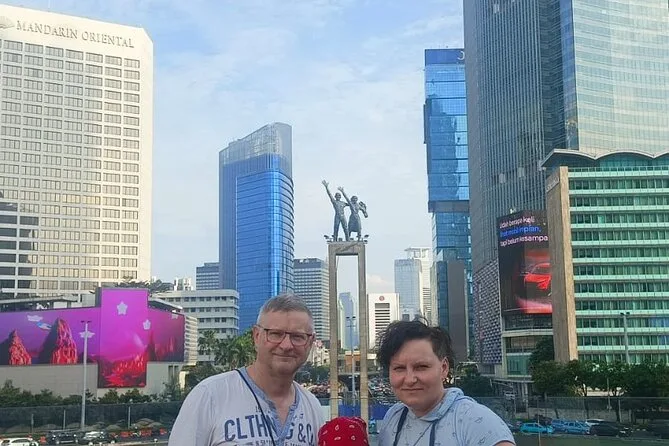
This half-day sightseeing tour of Jakarta covers the Old City (Kota Tua) and modern Jakarta with a licensed English-speaking guide, private air-conditioned transport and hotel pickup included. You'll walk through Old Batavia's European and Chinese architecture, visit Istiqlal Mosque and Cathedral, explore Chinatown and Glodok market, see the puppet studio, and end at Sunda Kelapa harbour where traditional wooden boats still load cargo, then loop through the modern city center and the Selamat Datang Monument. The tour runs 3 to 4 hours including pickup and drop-off. Istiqlal Mosque is closed Fridays, and the puppet studio closes at 4pm.
Compare the 12 alternatives
 Jakarta City Tour: National Monument, Old Town & GlodokTue–Sun · First departure 08:00, last 13:30 · All ages★ 4.95 (19)5h–6hENUS$ 45View ›
 Jakarta Highlights Tour: National Monument & Kota TuaTue–Sun · 08:00 · From age 4★ 4.92 (51)8hEN · DE +3US$ 36View ›
 Jakarta: Old Batavia Heritage Tour with Museum & ChinatownEvery day · First departure 08:00, last 13:30★ 4.84 (150)5h–6hENUS$ 65View ›
 Jakarta Walking Tour: Chinatown to Monas by Public TransportEvery day · First departure 08:00, last 16:00 · All ages★ 4.95 (22)4h–5hENUS$ 45View ›
 Half-day Jakarta Old City tour with lunch and souvenirEvery day · 09:00 and 13:00★ 4.63 (110)5hENUS$ 70View ›
 Jakarta: National Monument & Old Town History Tour with GuideEvery day · First departure 08:00, last 10:30★ 4.80 (377)7h–8hENUS$ 65View ›
 Jakarta Tour: National Monument, Sunda Kelapa & Boating ExperienceEvery day · First departure 08:00, last 10:00 · All ages★ 4.75 (68)6h–7hENUS$ 72View ›
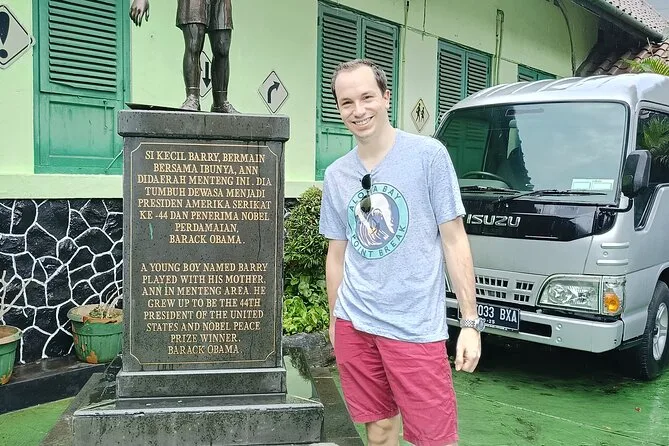
 Jakarta Private City Tour with Obama School VisitEvery day · First departure 08:30, last 10:00 · From age 9★ 5.00 (17)5h–6hENUS$ 65View ›
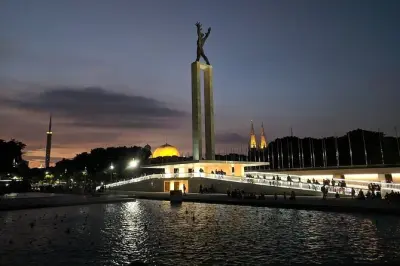 Fatahillah Square at night: Jakarta Old Town tour with dinnerEvery day · 16:00 · From age 6★ 5.00 (6)5hENUS$ 120View ›
 Full-Day Jakarta Tour: Old Town, Harbor & National MonumentEvery day · 09:00 · Season until 31 Oct · All ages★ 4.58 (12)12hENUS$ 115View ›
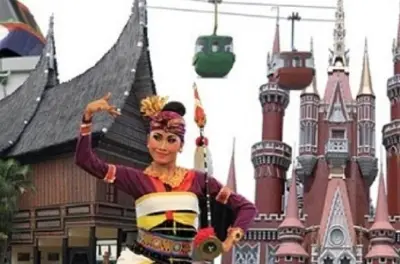 Jakarta guided tour: Old Town, Monas & Wayang MuseumTue–Sun · 08:00 · All ages★ 5.00 (1)7hENUS$ 84View ›
 Jakarta: Old Town, Shadow Puppets & Harbor Tour with LunchEvery day · First departure 09:00, last 15:00 · From age 3★ 4.71 (24)5h–6hENUS$ 75View › Compare more experiences like this »
Step-by-step itinerary
- Glodok20m
- Sunda Kelapa45m · entry included
Jakarta city and Old Town tour
- Visit Istiqlal Mosque and take photos
- Explore outside and visit Jakarta Cathedral
- Photo stop at National Monument
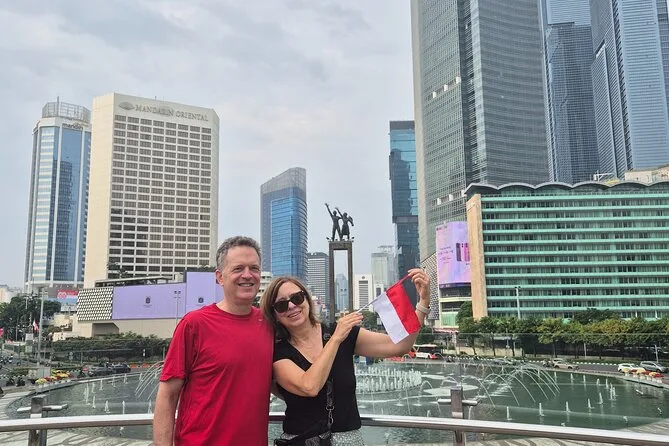
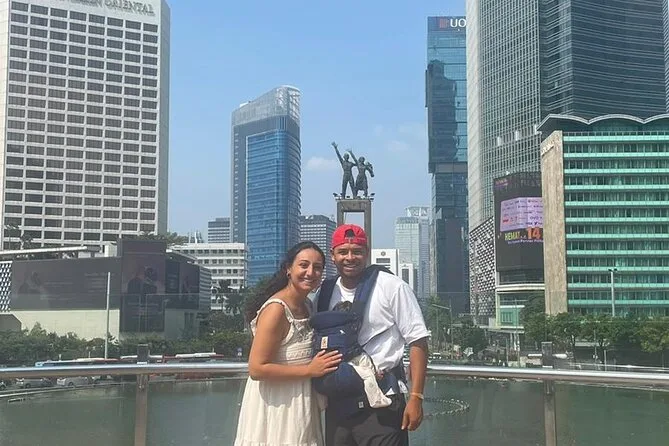
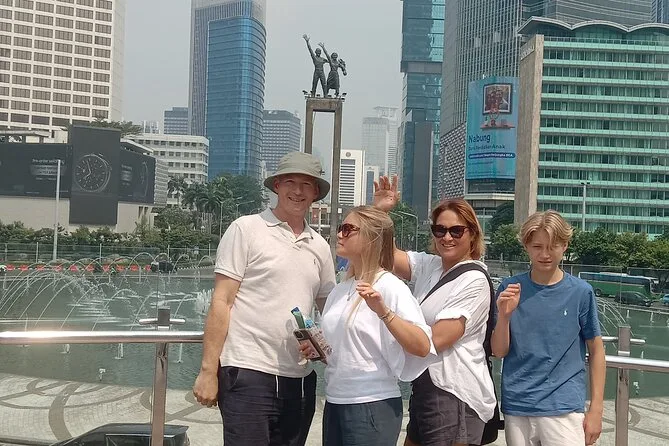
- See Selamat Datang Monument and entrance shelter
- Explore Chinatown and visit market and temple
- Visit Old Town Batavia and learn history
- Tour puppet studio and watch puppet show
- Visit Old Harbour Sunda Kelapa
The experience
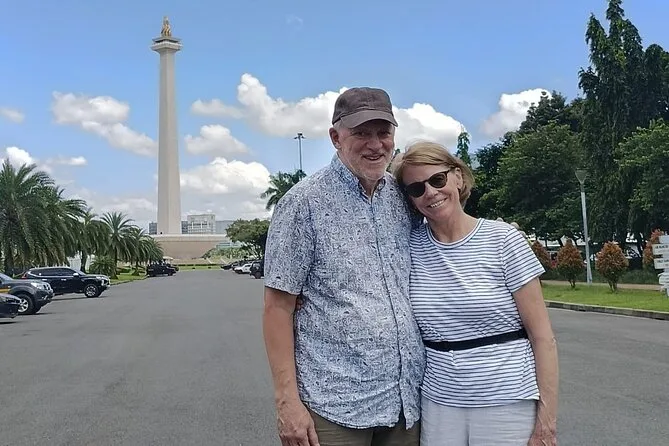
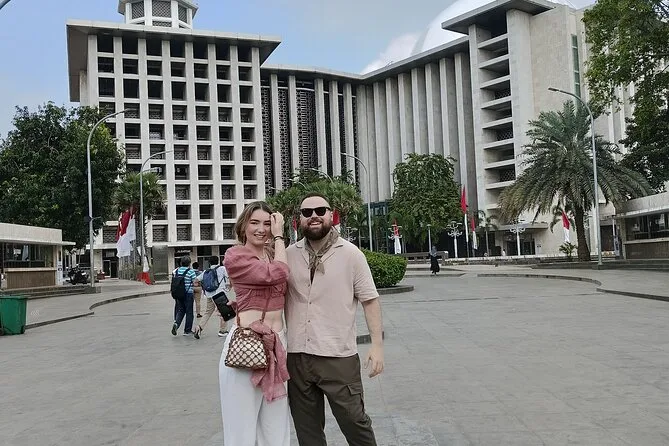
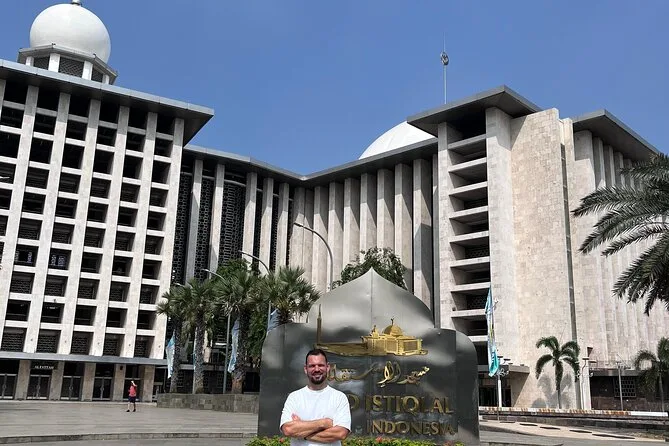
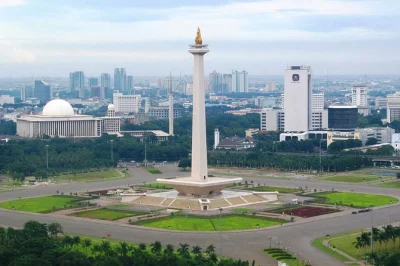
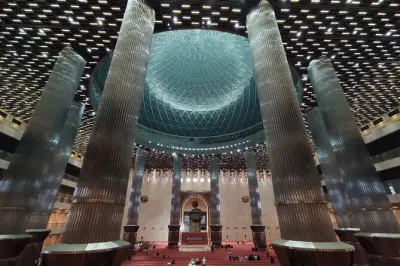
The tour starts with pickup from your Jakarta hotel, then heads to Istiqlal Mosque, the largest in Southeast Asia and the 9th largest in the world by capacity. You'll remove your shoes to enter and explore the interior with the guide, then cross the street to the neo-gothic Cathedral: built in 1901 and standing directly opposite the mosque, a physical reminder of Jakarta's layered colonial history. Both buildings sit near Merdeka Square and the presidential palace, and you'll get a photo stop at the National Monument, a 132-meter obelisk completed in 1962 that marks Indonesia's independence struggle.
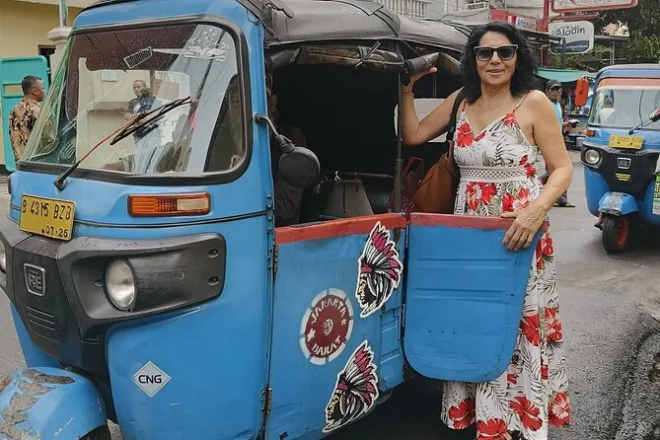
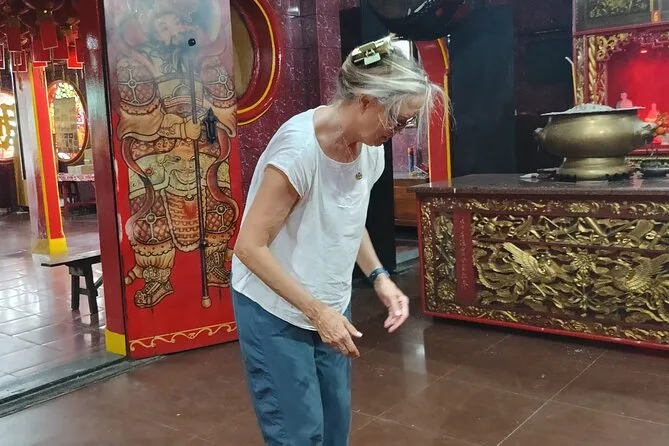
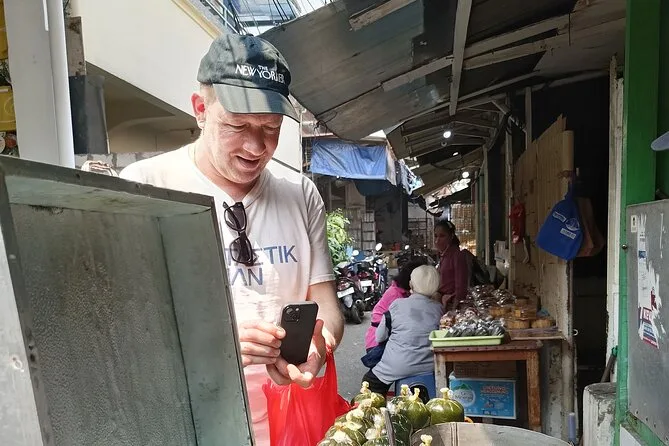
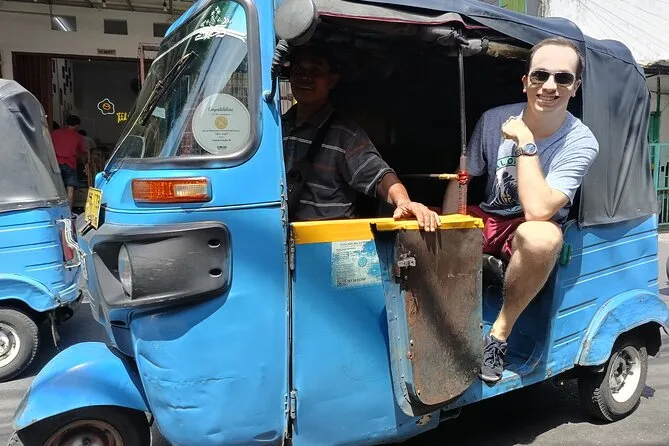
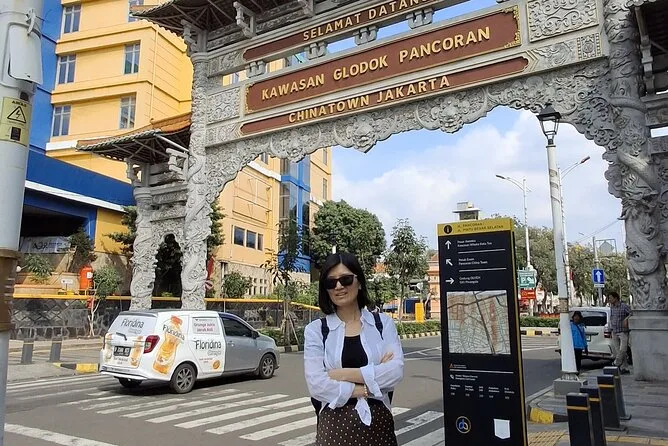
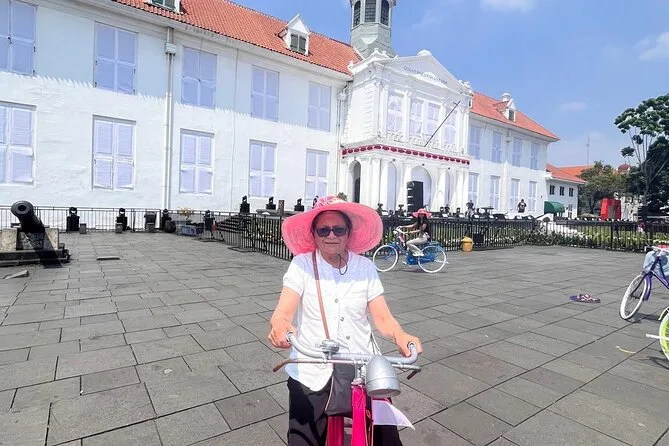
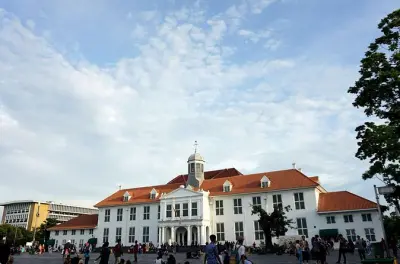
From there the route moves into Chinatown (Glodok), where a pagoda built in 1650 still stands among the busiest market streets in the city. The guide will walk you through the temple and the old market. You can choose to take a tuk-tuk ride deeper into the neighbourhood or drive directly to Old Town Batavia (Kota Tua). Once there, you'll see the 17th-century town hall and the colonial-era buildings (many now museums, studios and cafés), that were built for Dutch VOC officials, churches and banks. If the puppet studio is open and you have time, there's a 9-minute wayang (shadow puppet) performance and the chance to see how the puppets are made.
The last stop is Sunda Kelapa, the old harbour where traders and sailors first arrived in the 1600s. It's still active. You'll see traditional wooden Phinisi boats loading cargo, a working reminder of the port's centuries as the entry point for Asian and European merchants. The drive back to your hotel takes 45 minutes to an hour, and the whole tour including transport is 3 to 4 hours.
What’s included
- Private air-conditioned transport and a licensed English-speaking guide.
- hotel or airport pickup and drop-off.
- bottled water.
- entrance to the Selamat Datang Monument shelter.
Options for this experience
2 optionsBefore you book
Prices and times updated today
Operated by TRIPEDIA
Is this one for you?Choose this if you're short on time: the morning schedule works around flight arrivals or departures, and your private vehicle means you set the pace through Old Batavia's colonial streets and harbour without syncing to other groups.
Traveler reviews
Top questions
Can children come?
Yes. Ticket types: Infant (under 3): free.
What is the Old City of Jakarta actually like when you get there?
Old Batavia (Kota Tua) is a neighbourhood of 17th-century colonial buildings (town halls, churches, banks and homes built by the Dutch VOC) now converted into museums, studios and cafés. The streets are dominated by European and Chinese architectural styles, and the area sits as a physical record of centuries of Indonesian history under colonial rule.
Can I visit Istiqlal Mosque on any day of the week?
Istiqlal Mosque is closed every Friday, so the tour cannot include a visit on that day. The mosque also closes at 5pm, which means afternoon departures may not have time to enter.
Is the puppet studio always open during the tour?
The puppet studio closes at 4pm, so it's only accessible if your tour departs early enough to reach it before closing. The studio offers a 9-minute wayang performance and a chance to see how traditional puppets are made and decorated.
What happens at Sunda Kelapa harbour?
Sunda Kelapa is Jakarta's oldest working port, still active with traditional wooden Phinisi boats loading cargo. You'll see the harbour where traders and sailors first arrived in the 1600s, and the guide explains its role as the original entry point for Asian and European merchants into the city.
Does the tour include transport from the airport?
Hotel pickup is included in the standard option. If you're arriving at the airport or staying outside Jakarta, there's a separate option with airport pickup. Prices vary depending on distance and toll charges.
What's included in the tour price?
The tour includes private air-conditioned transport, a licensed English-speaking guide, hotel or airport pickup and drop-off, bottled water, and entrance to the Selamat Datang Monument shelter. Tipping is optional.
Jakarta Old Town and Modern City Half-Day Tour with Guide
3h–4h · EN · at your hotel
from US$ 55 per person
4.90176 reviewsVerified traveler reviews via our booking provider