

 +507 6792-0894


Varanasi City Tour with Sarnath & Evening Ganga Aarti




Summary
Full-Day Varanasi Sightseeing with Sarnath and Ganga Rituals
You’ll walk ancient lanes, visit sacred temples, see Buddhist history up close at Sarnath, and end your day with Varanasi’s famous evening Ganga Aarti—a real look into local life and tradition.

The city was already buzzing when we reached Assi Ghat before sunrise. There’s this early morning chill in the air, but the steps are warm under your feet. Locals gather quietly for subah-e-banaras—some lighting incense, others just watching the river turn gold as priests begin the morning Ganga Aarti. The sound of bells mixes with birdsong. It’s not something you forget easily.
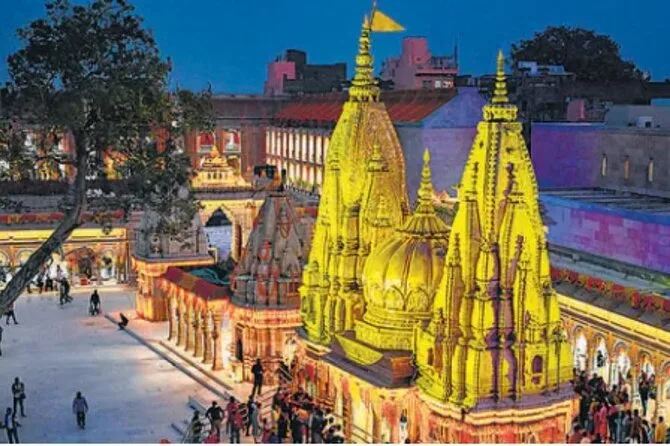
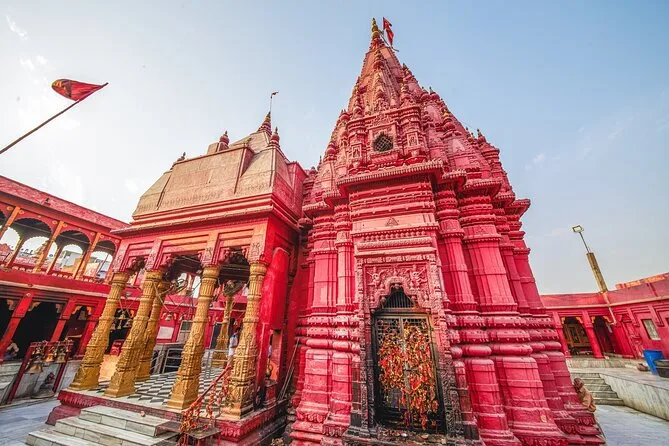
Back at the hotel for a quick bite, then off again by 8:30. Our guide, Rajesh, led us through winding lanes to Kashi Vishwanath Temple. Security’s tight here—no phones inside—and you can smell marigolds everywhere. The temple sits right on the edge of the Ganges, and people from all over India come to pray. Next up was Durga Mandir—locals call it the Monkey Temple for good reason (watch your snacks!). The red walls stand out against the city’s dust and noise.
Tulsi Manas Mandir felt quieter, almost hidden away compared to the others. Rajesh explained that this is where Tulsidas wrote Ramcharitmanas centuries ago; there’s something peaceful about sitting here for a minute or two. We also stopped at Shri Vishwanath Mandir—the “new” one built by the Birlas—which is bigger and less crowded than its older cousin.
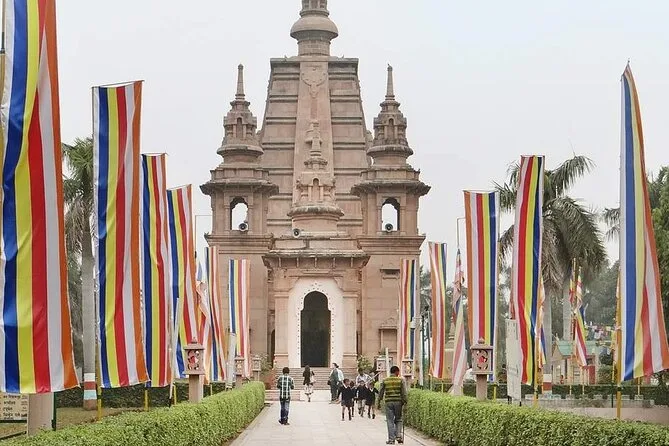
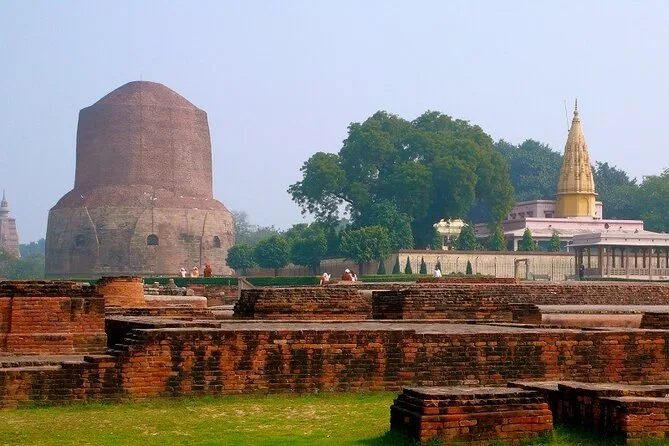
By midday, we were driving out to Sarnath—just 13 km but it feels like another world after Varanasi’s chaos. This is where Buddha gave his first sermon after enlightenment; you’ll see pilgrims from all over Asia here. The Sarnath Archaeological Museum surprised me: ancient carvings, statues, even that famous Lion Capital of Ashoka (it’s on every Indian rupee). The museum isn’t huge but it’s packed with history.
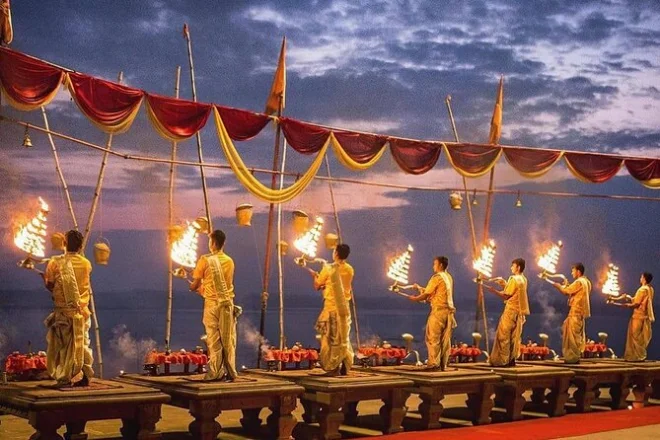
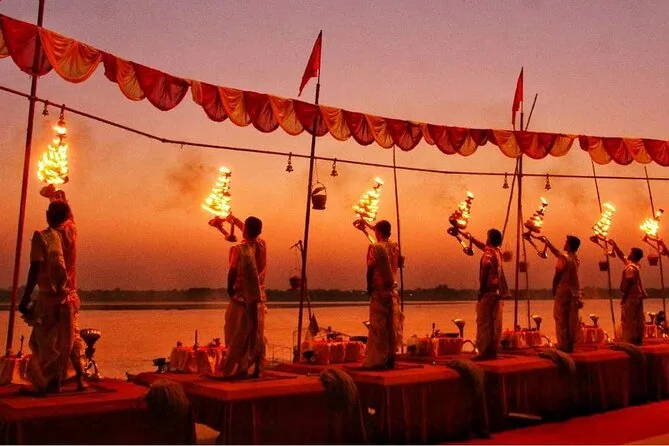
We made it back to Varanasi just as dusk settled in and headed straight for Dasaswamedh Ghat. The evening Ganga Aarti is something else—priests in saffron robes waving lamps in perfect sync while crowds chant along. The smell of flowers and sandalwood drifts over everything. Our guide shared stories about Hindu rituals as we watched families float little leaf boats with candles downriver. By the end, I felt both exhausted and oddly calm.
 10h
10h

Step-by-step itinerary
Day 1 — Varanasi Temples and Morning Aarti
- Morning Ganga Aarti at Assi Ghat
- Visit Kashi Vishwanath Temple
- Visit Durga Mandir (Monkey Temple)
- Visit Tulsi Manas Mandir
- Visit Shri Vishwanath Mandir (Birla Temple)
Day 2 — Sarnath and Evening Ganga Aarti
- Visit Sarnath pilgrimage site
- Tour Sarnath Archaeological Museum
- Evening Ganga Aarti at Dasaswamedh Ghat

Top questions

Is there a dress code for visiting Kashi Vishwanath Temple?
Yes, modest clothing is best—cover shoulders and knees. Phones aren’t allowed inside either.
How long does the full tour take?
The tour lasts a full day—from early morning until after sunset when the evening Aarti finishes.
Are meals included?
No meals are included, but bottled water is provided and there are plenty of local spots to grab food during breaks.
Is this tour suitable for kids or seniors?
Yes—it’s suitable for all fitness levels and infant seats are available if needed.

What’s included
Your own private car with driver; bottled water to keep you cool; entry fees for Kashi Vishwanath Temple and Sarnath Museum; plus an English-speaking local guide who knows all those hidden details you’d miss on your own.
 Super deal
  Free booking, free cancellation.
  Don't lose your place.


 Do you need help planning your next activity?
  +507 6792-0894


