
Kang Yatse I & II Climb: Ladakh Twin Peaks Expedition

Two Himalayan summits in one expedition: what the climb from 5150m base camp actually demands
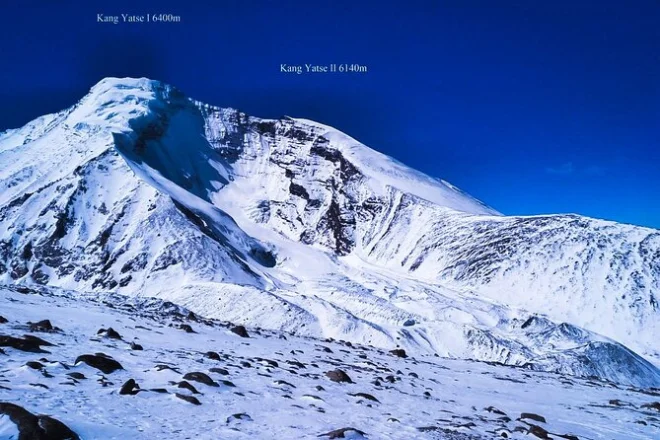
You climb two Himalayan peaks—Kang Yatse II (6145m) and Kang Yatse I (6401m)—over 16 days from Leh, with a professional guide, all camping gear, climbing equipment, permits, and a support team carrying loads. You handle your own personal climbing gear, clothing, and visa; the company handles acclimatization strategy, route logistics, and emergency oxygen. A rest day follows each summit, and a buffer day is built in for weather or recovery.
 16d
16d

Step-by-step itinerary
Day 1 — Arrival in Leh
- Take morning flight to Leh
- Complete airport formalities
- Meet company representative
- Transfer to hotel
- Rest for acclimatisation
Day 2 — Acclimatisation and Leh exploration
- Visit Stakna Monastery
- Explore Leh Palace
- Visit Tsemo Monastery
- Visit Shanti Stupa
- Walk through Leh Market
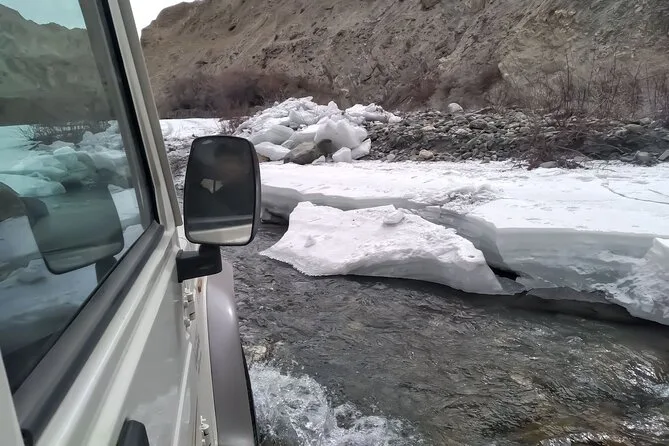
Day 3 — Drive to Sara and trek to Markha
- Early breakfast
- Drive 2.5 hours to Sara Village
- Trek 3-4 hours to Sara campsite
- Lunch break at Sara Camp
- Trek to Markha Village
- Overnight in tents or homestay
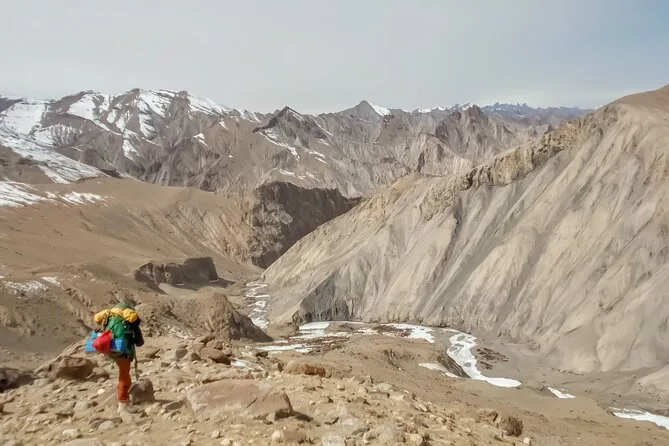
Day 4 — Trek from Markha to Tachungtse
- Trek 15 km along river
- Ascend to 4370 meters
- Enjoy Himalayan views
- Settle at Tachungtse campsite
Day 5 — Trek to Kang Yatse Base Camp
- Trek from Tachungtse to Base Camp
- Traverse snow patches and rocky ridges
- Acclimatise at Base Camp
- Overnight in tents
Day 6 — Acclimatisation climb to High Camp
- Climb from Base Camp to High Camp
- Enjoy panoramic mountain views
- Descend back to Base Camp
Day 7 — Trek to Kang Yatse II High Camp
- Climb from Base Camp to High Camp
- Traverse rocky terrain and snow patches
- Prepare for summit attempt
- Overnight at High Camp
Day 8 — Summit Kang Yatse II and descend
- Start climb after midnight
- Ascend 1200 meters to summit
- Enjoy summit views
- Descend to High Camp
- Return to Base Camp
Day 9 — Rest day at Base Camp
- Rest and recover
- Hydrate and eat well
- Reflect on journey
Day 10 — Trek to Kang Yatse I Advance Base Camp
- Briefing with guide
- Climb to Advance Base Camp
- Set up camp and rest
Day 11 — Climb to Kang Yatse I High Camp
- Climb steep snow slopes
- Use fixed ropes and crampons
- Reach High Camp
Day 12 — Summit Kang Yatse I and descend
- Start early summit attempt
- Climb steep snow and ice
- Reach Kang Yatse I summit
- Descend carefully to Base Camp
Day 13 — Buffer or rest day at Base Camp
- Flexible day for contingencies
- Rest and prepare
Day 14 — Trek to Chokdo and drive to Leh
- Climb to Kongmaru La pass
- Descend to Chokdo village
- Drive back to Leh
- Optional visit to Hemis Monastery
Day 15 — Leisure day in Leh
- Final breakfast in Leh
- Explore town and shop
- Enjoy local delicacies
- Celebratory dinner with team
Day 16 — Departure from Leh
- Explore Leh or return to Delhi

The Experience
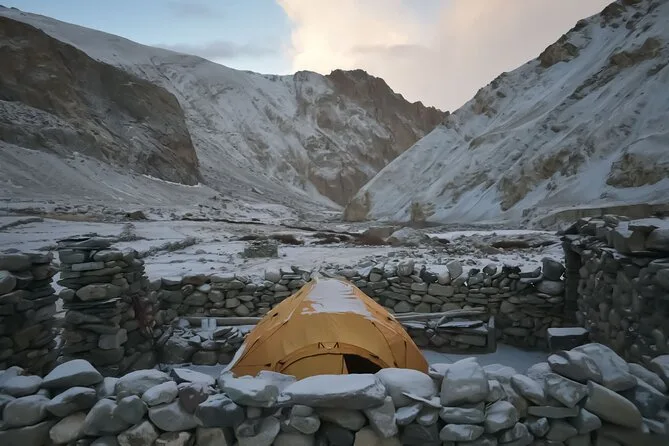
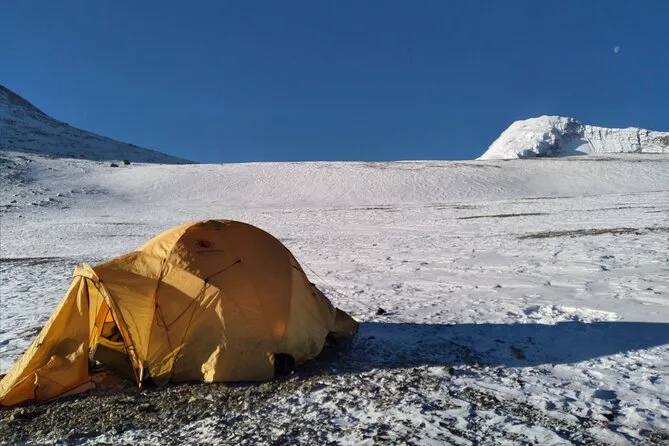
Most climbers spend years working toward one 6000-meter peak. Here you're tackling two—Kang Yatse II at 6145 meters and the steeper Kang Yatse I at 6401 meters—in a single 16-day push from Leh. The contrast hits you fast: you arrive at Kushok Bakula Rimpochee Airport at 3256 meters, spend two days exploring Leh's monasteries and markets to acclimatize, then drive 2.5 hours to Sara Village and trek straight into the Markha Valley. By day five, you're at base camp at 5150 meters, where the real work begins.
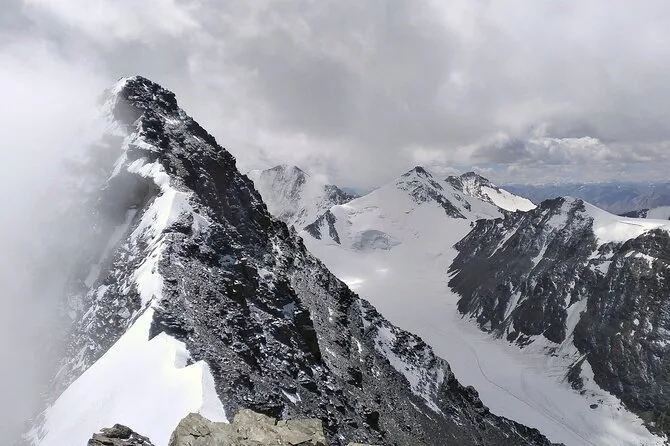
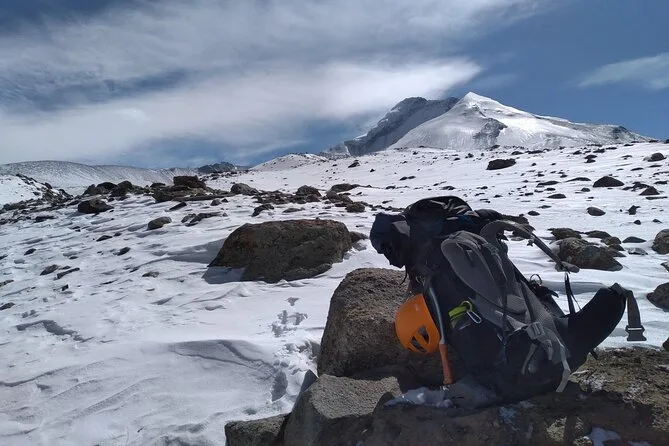
The climb splits into two phases. Kang Yatse II comes first—it's the more accessible of the pair, rated Alpine PD, with snow and rocky sections that take roughly 12 hours from high camp to summit and back. You start before midnight, climb 1200 vertical meters in thin air, and if the weather holds, stand on top watching the Markha Valley spread below you, with views toward Zanskar, Karakoram, and possibly K2 on the horizon. A rest day follows at base camp—you'll need it. Then comes Kang Yatse I, the harder climb. The northeast ridge involves a knife-edge traverse and steep snow faces rated Alpine AD+/D-, and the route demands fixed ropes, crampons, and ice axes. Your guide briefs you on technical aspects before you move to the advance base camp, then to high camp, then make the summit push. Both peaks are done with a professional guide who has experience in high-altitude acclimatization, and the team includes a chef and porters who carry your camping gear and one personal bag each, so you're not hauling everything yourself.
The trek out is its own challenge: you cross Kongmaru La at 5260 meters—the highest pass of the whole expedition—before descending to Chokdo and driving back to Leh. The itinerary includes a buffer day at base camp in case weather or your body needs extra time, and you finish with a spare day in Leh to rest or explore before your flight home. What makes this expedition different from booking a single peak is the structure: permits, national park fees, all camping equipment, climbing ropes and harnesses, an emergency oxygen cylinder, and a first aid kit are included. You bring your own personal climbing gear and clothing, but the company handles the logistics that usually eat up weeks of planning.
This is not a guided walk. You need high physical fitness, basic mountaineering skills, and the ability to move at altitude for 12+ hours on summit day. The schedule has been designed by a seasoned mountaineer with extensive expedition experience, which means the pacing, acclimatization days, and rest points are built in deliberately. Travel insurance is strongly recommended—the reference material makes clear that medical emergencies, evacuations, and hospital costs beyond the package are your responsibility. You're also responsible for your own visa, medications, and personal toiletries. If you're considering this climb, book early: the expedition fills, and the window for Ladakh climbing is short.

What’s included
Your expedition includes airport pickup and drop-off in Leh, all transportation for sightseeing and trekking, professional guide with high-altitude climbing experience, experienced chef and porters to carry camping gear and one personal bag per climber, all camping equipment (tents, sleeping bags, communal gear), climbing safety equipment (ropes, harnesses, crampons, ice axes), permits and national park fees, emergency oxygen cylinder and first aid kit, packed lunches on acclimatization and summit days, and communication equipment for group emergencies. You are responsible for your own personal climbing gear, clothing, medications, toiletries, visa, and travel insurance.
Operated by Travel With Susmita
Is this one for you?Right for climbers with solid mountaineering experience and high fitness who want to summit two Himalayan peaks without arranging permits, gear logistics, or acclimatization strategy themselves—the 16-day structure and built-in rest days are what make two technical climbs possible in one expedition.
More experiences you might like
 Kang Yatse I & II Climb: Ladakh Twin Peaks Expedition16dENUS$ 2,983
 Private Ladakh 6-Day Tour: Pangong Lake, Nubra & Leh SightseeingSix days through Ladakh with private transport, airport pickup, accommodation and meals included—drive Khardungla Pass to Nubra Valley★ 4.97 (141)6dUS$ 649View ›
Top questions
How long is the Kang Yatse I & II expedition?
16 days total, including arrival in Leh, acclimatization days, two summit attempts, and return to Leh.
What is the highest altitude reached?
Kang Yatse I summit at 6401 meters. Base camp is at 5150 meters, and high camps are positioned between 5800 and 6000 meters depending on the peak.
Do I need to bring my own climbing gear?
Yes. You bring personal climbing gear, clothing, and equipment. The expedition provides tents, sleeping bags, camping gear, climbing ropes, harnesses, crampons, ice axes, and safety equipment for the group.
What is included in the price?
Airport pickup and drop-off in Leh, all transportation for sightseeing and trekking, camping equipment, climbing gear, permits and national park fees, professional guide, chef, porters to carry gear, emergency oxygen, first aid kit, and packed lunches on acclimatization and summit days.
Is this expedition suitable for someone with no mountaineering experience?
No. You need high physical fitness and basic mountaineering skills. Kang Yatse I is rated Alpine AD+/D-, which is technically demanding. Kang Yatse II is more accessible (Alpine PD) but still requires altitude experience and technical ability.
What happens if weather delays the summit attempt?
A buffer day is built into the schedule at base camp to allow for weather delays or recovery time without disrupting the overall itinerary.
Do I need a visa to climb in Ladakh?
Yes. International travelers must obtain a visa from their home country before arrival in India.
What if I need to be evacuated due to altitude sickness or injury?
The team carries emergency oxygen and a first aid kit. Evacuation costs and medical expenses beyond the package are your responsibility; travel insurance is strongly recommended.
Can I bring my own food or snacks?
Yes. You can bring snacks, energy bars, chocolates, and non-alcoholic beverages to suit your preferences during trekking and climbing.
What happens after summiting Kang Yatse I?
You descend to base camp, rest for a buffer day if needed, then trek out via Kongmaru La (5260m) to Chokdo and drive back to Leh. The expedition ends with a spare day in Leh before your departure flight.
Kang Yatse I & II Climb: Ladakh Twin Peaks Expedition
16d · EN · at your hotel
from US$ 2,983 per person

