
Lake Atitlan Cultural Tour: Mayan Villages & Colonial Churches
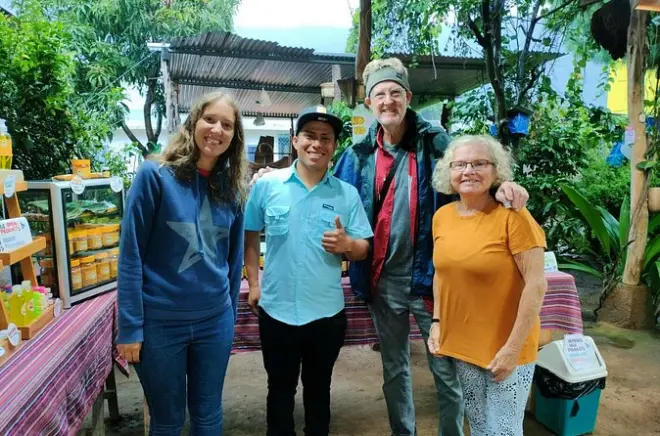


Walk three villages and taste how the Tz'utujil Maya live today
A guided tour of three Lake Atitlan villages (San Juan, San Pedro and Santiago Atitlan), where you walk through mural-covered streets, visit a Mayan bee sanctuary and chocolate factory, watch weavers work on traditional looms, and explore two colonial churches that blend Catholic and Mayan spiritual traditions. A live guide in English or Spanish leads the route. Pickup is included. The tour runs 6 to 7 hours and suits all fitness levels.
Compare the 4 alternatives
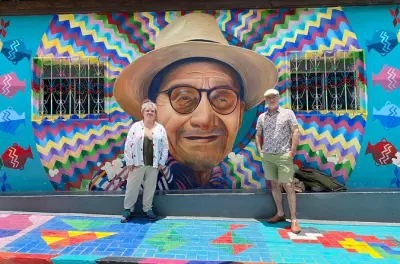 Lake Atitlan Mayan villages tour: San Pedro, San Juan, SantiagoEvery day · 09:00 · From age 6★ 4.70 (10)7hEN · ESUS$ 50View ›
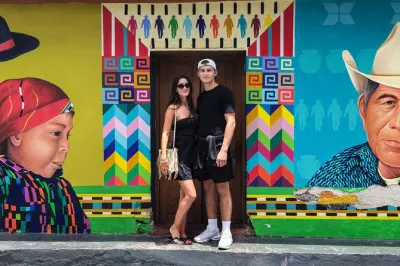 San Juan La Laguna Walking Tour: Weaving, Honey & ChocolateEvery day · 10:00 and 14:00★ 5.00 (6)3hEN · ESUS$ 28View ›
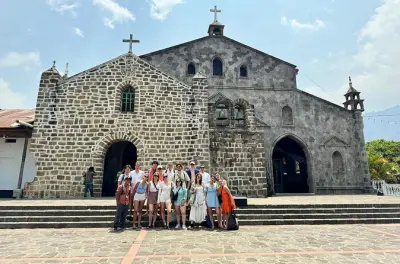 San Juan La Laguna tour: Cacao, textiles, Mayan artEvery day · 09:00, 13:00 and 14:00 · All ages★ 5.00 (2)3h 5mEN · ESUS$ 30View ›
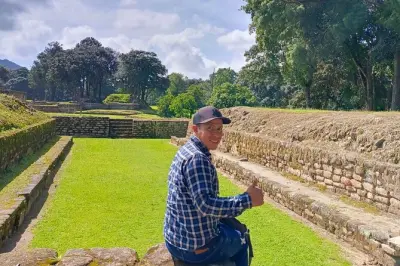 Iximché archaeological tour: Mayan ruins and TecpánEvery day · 07:00, 08:00 and 09:00 · All ages★ 5.00 (2)5h–6hEN · ESUS$ 88View › Compare more experiences like this »
Step-by-step itinerary
Explore Mayan Villages and Culture
- Walk San Juan La Laguna murals
- Taste honey at Native Bees
- Visit Handmade Chocolate Factory
- See Cooperative Art Gallery
- Watch Women Weavers demonstration
- Shop local artisan products
- Visit Catholic Church of San Juan
- Explore San Pedro La Laguna market
- Walk San Pedro central park and alleys
- Discover Santiago Atitlan colonial church
- Tour Santiago Atitlan markets and squares
- Learn about Mayan ceremonies and shamans
- Visit Church and Monastery of Santiago Atitlan
- Explore historic garden and monastery rooms
The experience
The tour starts in San Juan La Laguna, a town whose streets are painted with murals that map Tz'utujil history and worldview. You walk past them with your guide, who explains what each image means to the community. Then you move through the working parts of the village: a Mayan bee sanctuary where you taste organic honey and learn why meliponas (stingless bees) held sacred importance to the Maya; a chocolate factory where someone demonstrates the traditional process from bean to finished bar, and you taste the result; a cooperative art gallery showing paintings inspired by Mayan heritage; and a weavers' shop where women work on waist looms and explain the symbolism woven into each pattern and color. The Church of San Juan La Laguna, rebuilt in 2016 but founded in 1633, sits at the center of this stop: its interior mixes contemporary art with traditional altars and shows how Catholic and Mayan beliefs coexist in one space.
San Pedro La Laguna comes next, and the contrast is immediate. It is the same lake, the same Tz'utujil roots, but a different energy. You walk the central park and cobbled alleys where the daily market moves, where family shops line the streets, and where you can see why the town has become known as Guatemala's best place to learn Spanish. The guide walks you through what makes San Pedro distinct: a town that holds its indigenous identity while also drawing travelers and students from around the world, with a quiet daytime rhythm and a livelier nightlife scene.
Santiago Atitlan is the final stop, and it reads as the most spiritual. This was the last stronghold of the Tz'utujil kingdom before the Spanish conquest, and the town still carries that history. The colonial church, built in 1547 on the lake shore, is where Maximon (a sacred figure that blends Mayan and Catholic belief) is venerated. You tour the church and the old monastery next to it, where friars once lived and taught, and you see the historic garden overlooking San Pedro volcano. The markets and streets show how shamans, Mayan ceremonies and a deep connection to the land and water remain part of daily life. Your guide shares the stories of how Santiago resisted and endured, and what that means for the community today.
The tour includes time to photograph and video at each stop. There are optional opportunities to buy directly from local artisans and entrepreneurs (weavings, chocolate, honey, art), and the money goes straight to the makers. Pickup is included in the price. Public transportation options are available nearby if you prefer to arrange your own way to the meeting point.
What’s included
- A live guide in English or Spanish.
- pickup from your accommodation.
- entry to the Mayan bee sanctuary with honey tasting.
- a demonstration at the chocolate factory with chocolate tasting.
- a live weaving demonstration at the women's textile shop.
- visits to the colonial churches of San Juan La Laguna and Santiago Atitlan.
- time for photos and video at each stop.
- optional direct purchases from local artisans and entrepreneurs.
Before you book
Prices and times updated today
Operated by Tours With Vick
Is this one for you?The tour covers three villages on foot and by local transport over 6 to 7 hours, so you spend the day walking through streets and markets and standing in churches and workshops rather than sitting. If you move comfortably at a steady pace and want to meet the people who make and sell what you see, this arrangement fits. Families with children from age 3 travel together. Infants stay on an adult's lap during transport between stops.
Traveler reviews
Top questions
What languages is the guide in?
Live guide in English and Spanish.
Can children come?
Yes. Ticket types: Youth (13 to 17 years); Child (6 to 12 years); Infant (3 to 5 years). Under 3: they can't be included in the booking.
What is the World of Mayan Bees, and what will I see there?
The World of Mayan Bees is a sanctuary in San Juan La Laguna dedicated to meliponas, the stingless bees the Maya have valued for centuries. You learn about their sacred importance to Mayan culture and taste organic honey and honey derivatives produced there.
Will I see traditional weaving happen, or just finished pieces?
You watch women weavers work on traditional waist looms at their shop in San Juan. They demonstrate the technique and explain the symbolism and cultural meaning of the patterns and colors they use.
What is inside the colonial churches, and how are they different from each other?
The Church of San Juan La Laguna, rebuilt in 2016 but originally founded in 1633, blends contemporary art with traditional altars and shows the fusion of Catholic and Tz'utujil Mayan beliefs. The Church of Santiago Atitlan, built in 1547, is older and sits on the lake shore. It is where Maximon, a sacred figure reflecting religious syncretism, is venerated. Both preserve the history of how Spanish evangelization and indigenous spirituality merged in these communities.
Do I need to bring my own transportation, or is it included?
Pickup is included in the tour price. Public transportation options are also available nearby if you prefer to arrange your own way to the meeting point.
Can I buy things directly from the artisans and weavers I meet?
Yes. Optional shopping opportunities are built into the tour at the chocolate factory, honey sanctuary, weavers' shops and art gallery. Money from purchases goes directly to local entrepreneurs and families.
Lake Atitlan Cultural Tour: Mayan Villages & Colonial Churches
6h–7h · EN · ES
from US$ 50 per person
4.9236 reviewsVerified traveler reviews via our booking provider