

 +507 6792-0894


Athens to Meteora: Monasteries, Hermit Caves & Coastal Lunch







Summary
From Athens to Meteora’s silent heights, caves and monastery stories
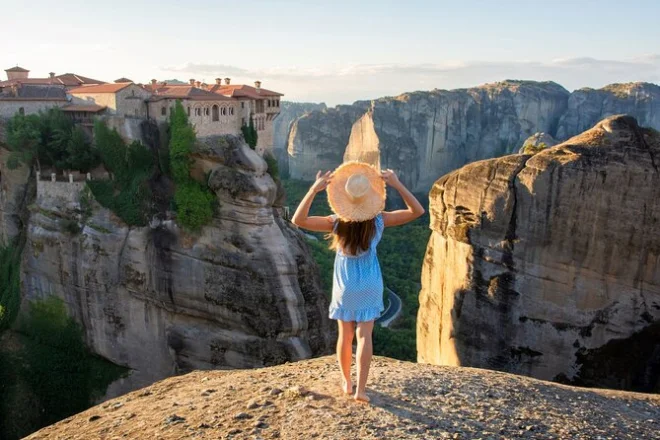
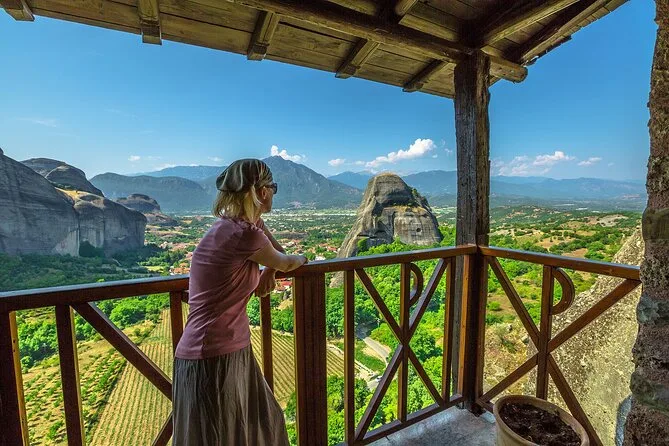
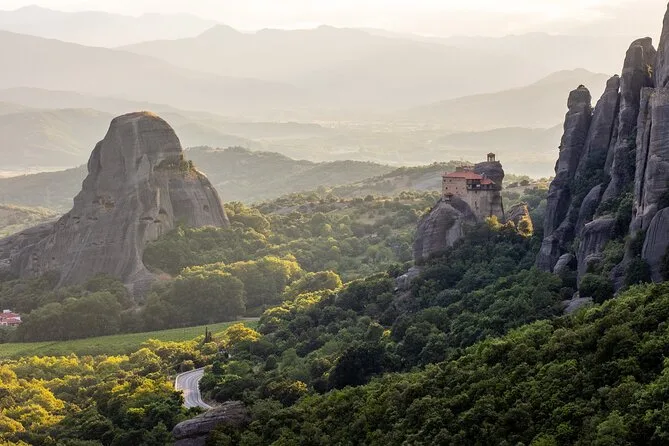
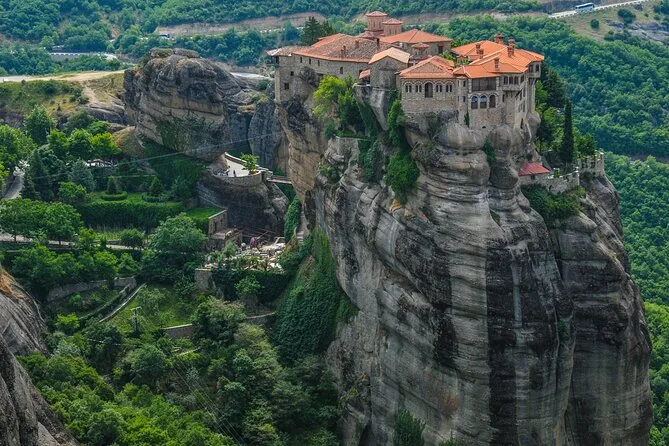
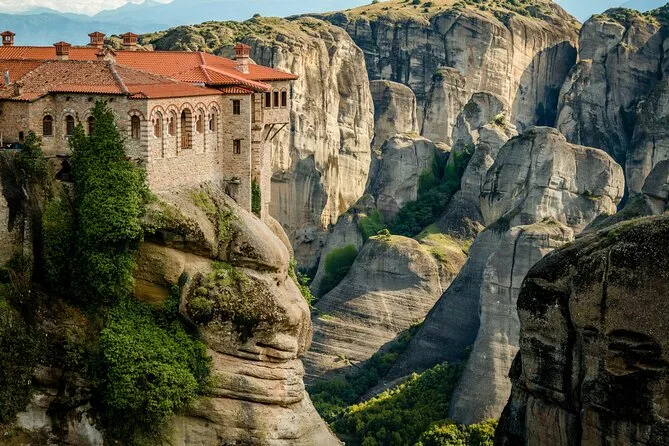
You’ll wind through Greece’s countryside from Athens before standing atop Meteora’s rock pillars, exploring centuries-old monasteries with a local guide. Feel ancient silence in hermit caves, then share laughter over a traditional lunch in Kastraki village. End your day with sea air and sunset colors—a journey that lingers long after you’re home.

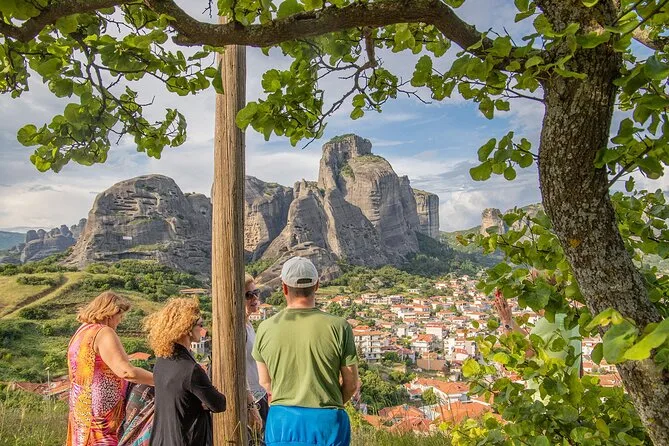
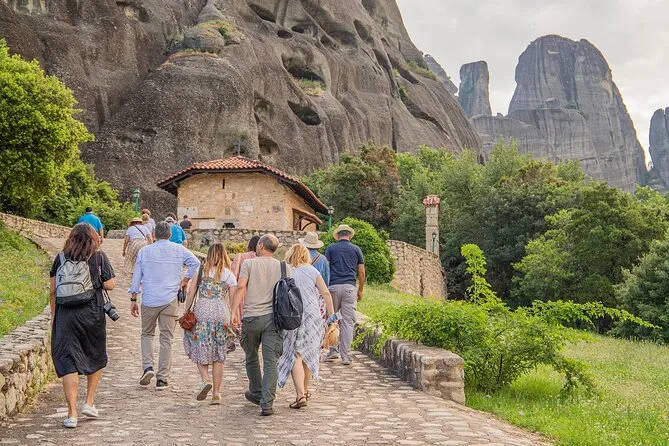
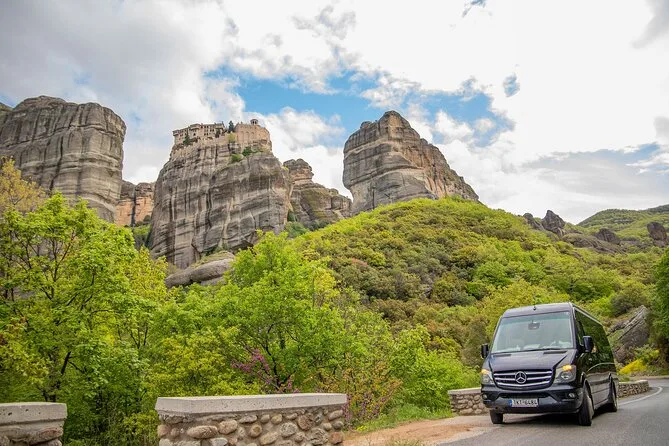
“You’re not gonna believe this,” our guide Maria grinned as we finally stepped off the bus in Kalambaka. Five hours from Athens, but honestly, it didn’t feel that long—maybe it was the way the countryside kept changing outside the window, or maybe I just got lost in my own thoughts (and that strong Greek coffee at our seaside brunch stop). The air here is different—cooler, sharper. You can actually smell pine and stone dust when you get close to those giant rocks. I tried to say “Kalimera” to one of the minibus drivers and he gave me this big nod, like we were both in on some secret.
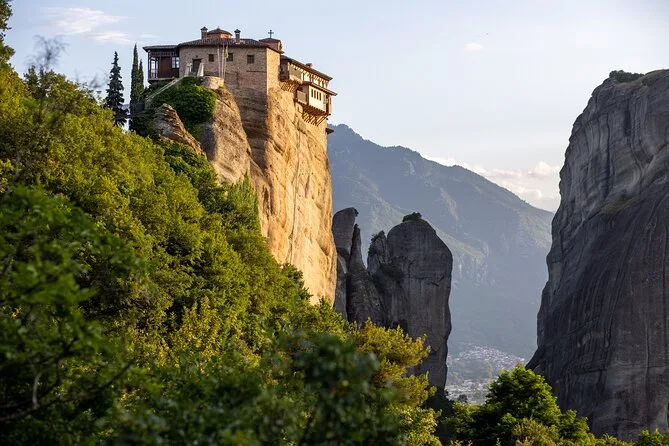
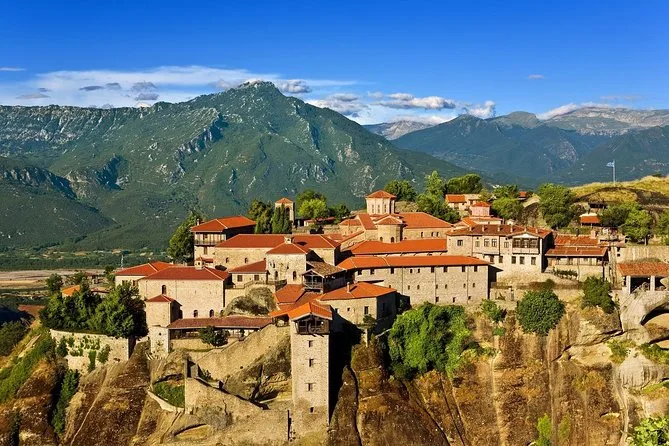
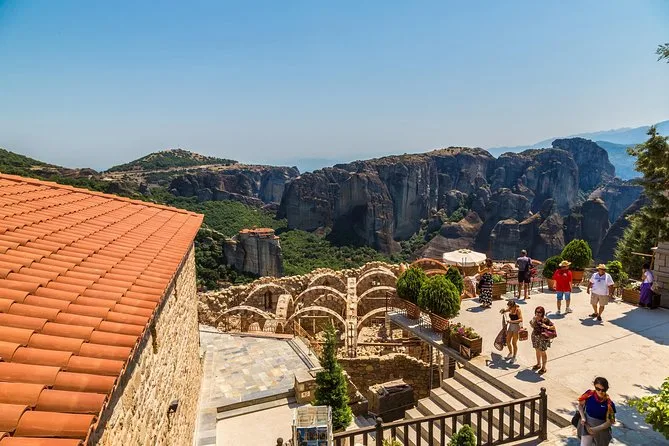
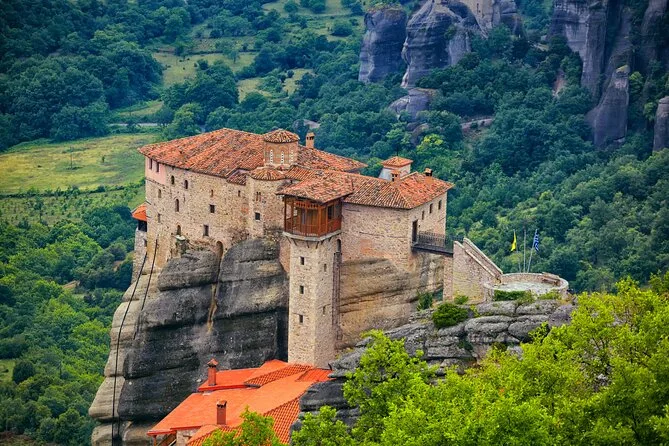
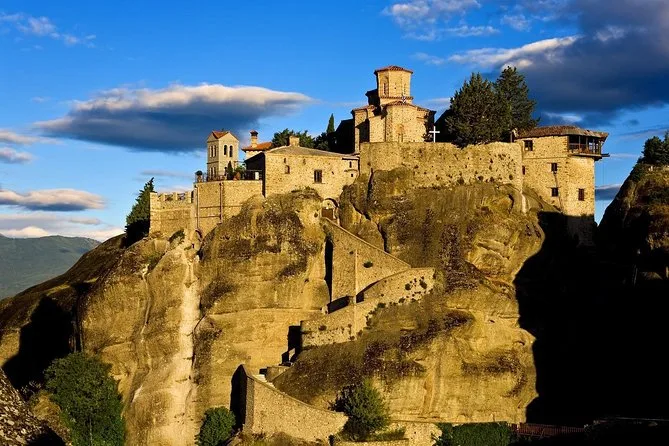
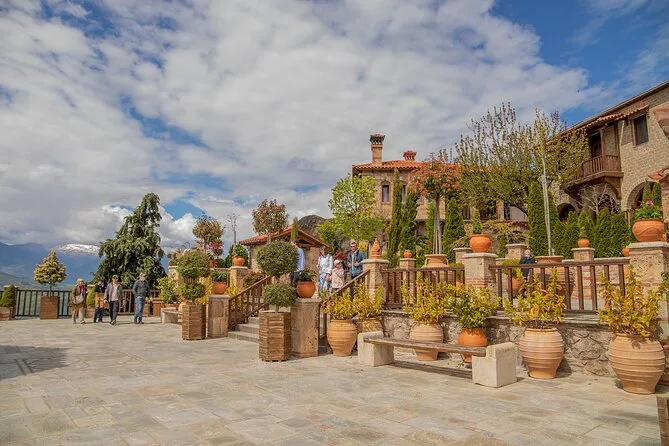
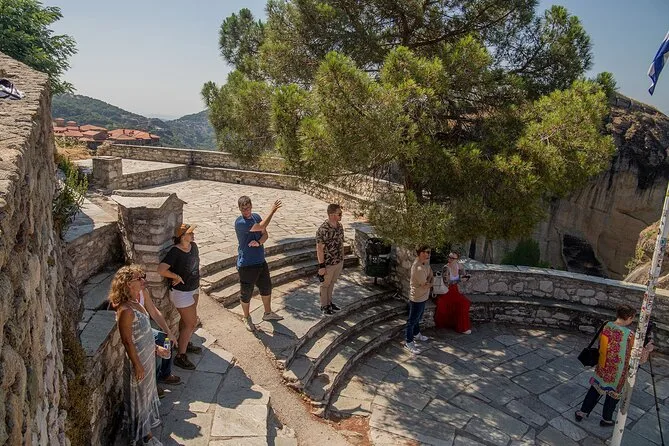
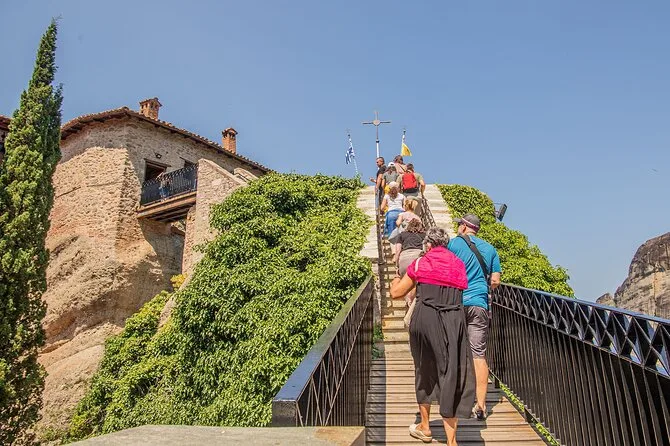
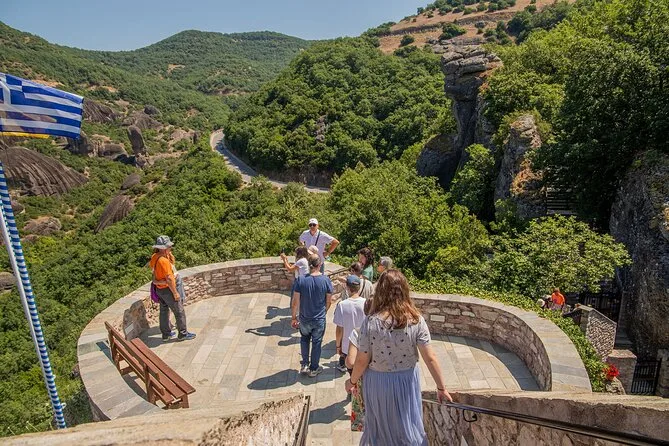
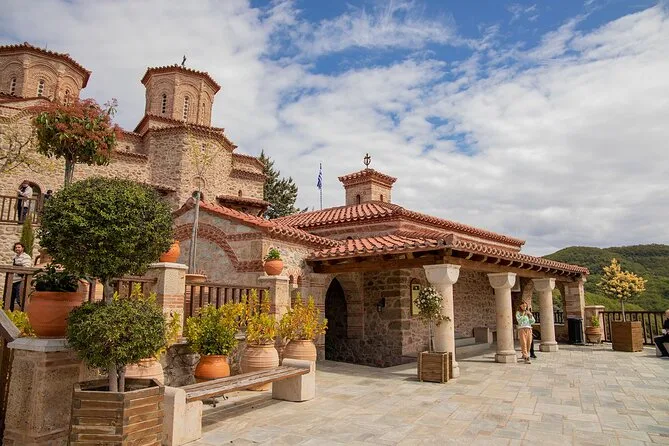
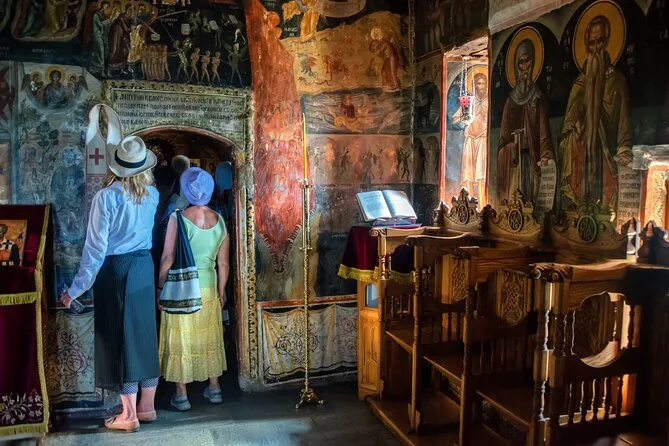
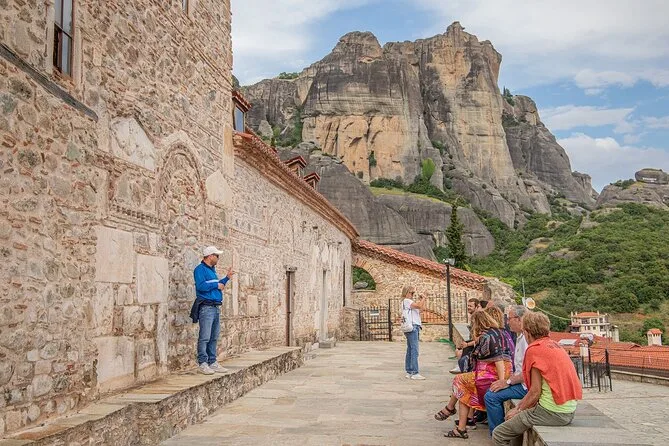
I didn’t expect the monasteries to feel so… suspended. Varlaam was first—Maria told us how monks used to haul everything up by rope baskets (I still can’t picture it). Inside, candle smoke clings to old frescoes and you hear nothing but your own footsteps on cold stone. At Great Meteoron, she pointed out Saint Athanasios’ tiny cell—just a nook in the wall really—and I caught myself whispering without meaning to. We stopped for photos at all six monasteries but only went inside three; honestly, climbing those steps is no joke (my legs are still reminding me). There was an older couple who waited on a bench outside St. Stephen’s instead—chatting quietly while swallows zipped overhead.
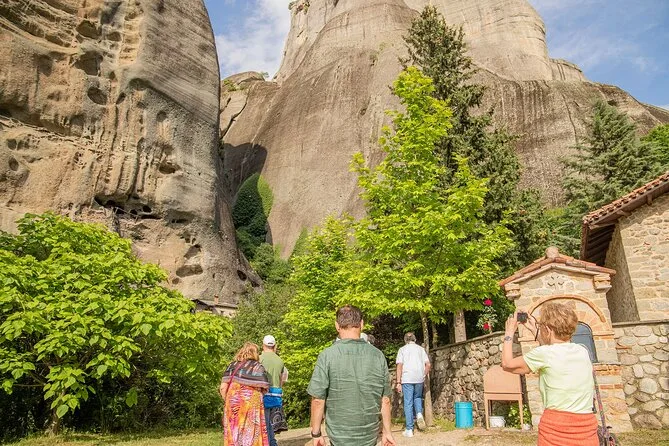
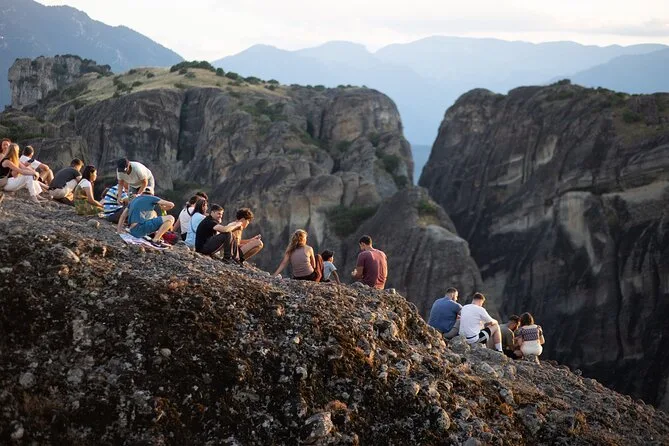
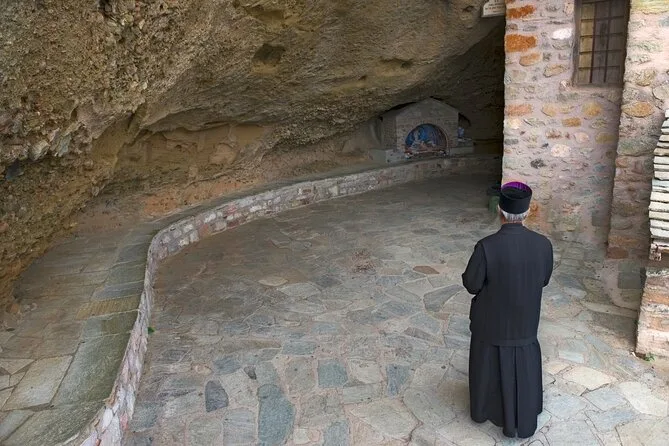
The hermit caves of Badovas were stranger than I expected—just rough holes in the cliffside with old wooden ladders leading nowhere now. Maria told us about the first monks living up there alone for years; I tried to imagine that kind of silence. She laughed when someone asked if people still do it (“Not many! But maybe you?”). Lunch in Kastraki was loud and warm after all that quiet—grilled veggies, feta so fresh it squeaked between my teeth, and olive oil that tasted like sunlight. I kept thinking about those monks eating bread and olives up on their rocks while we feasted below.
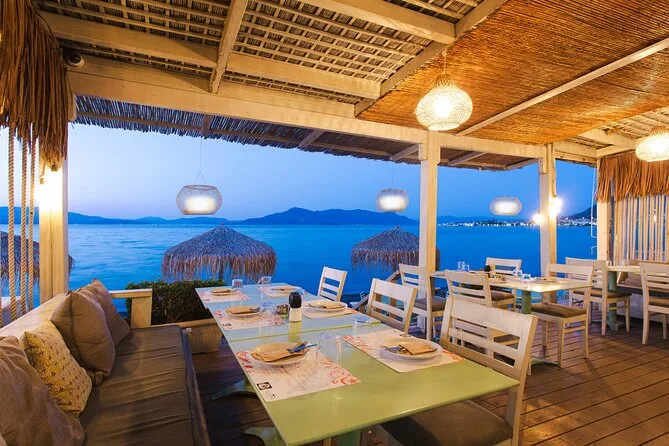
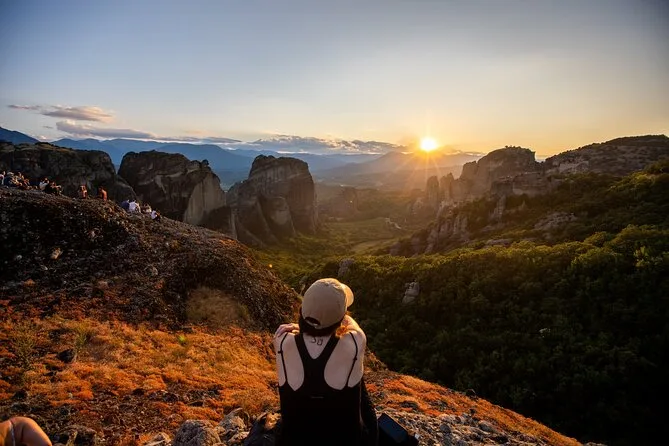
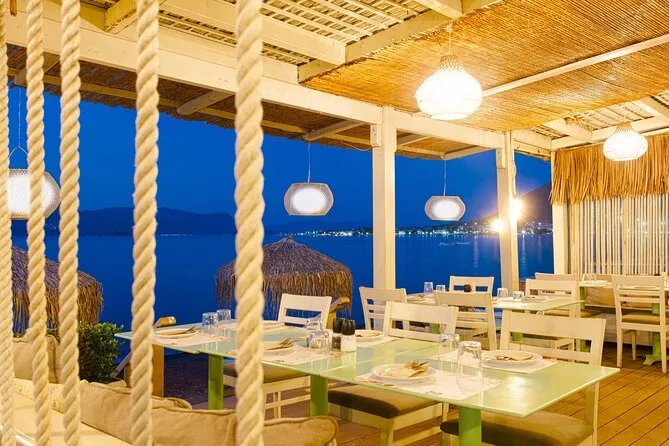
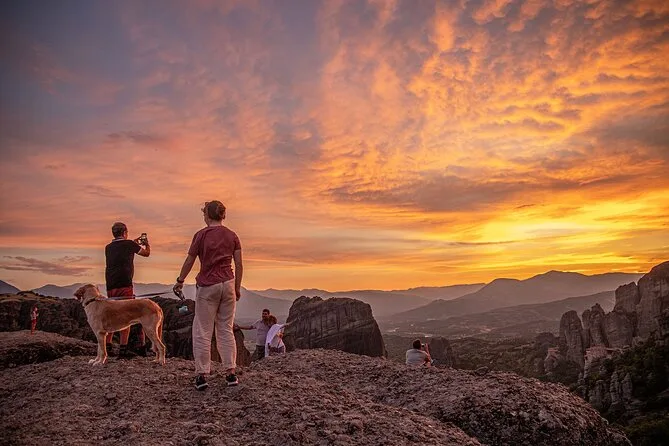
The ride back felt slower somehow—maybe because everyone was tired or just full of new images. We stopped for dinner by the sea again; sunset turning everything gold while plates clinked and someone played bouzouki nearby (not part of the tour, just life happening). I watched waves slap against the wall and thought about how small people look from up on Meteora’s cliffs. Still can’t decide if it made me feel peaceful or just kind of awestruck—or both.
 14h
14h

Step-by-step itinerary
Day 1 — Meteora monasteries day trip from Athens
- Depart Athens by bus at 7:30 AM
- Enjoy seaside brunch stop
- Arrive Kalambaka around 12:30 PM
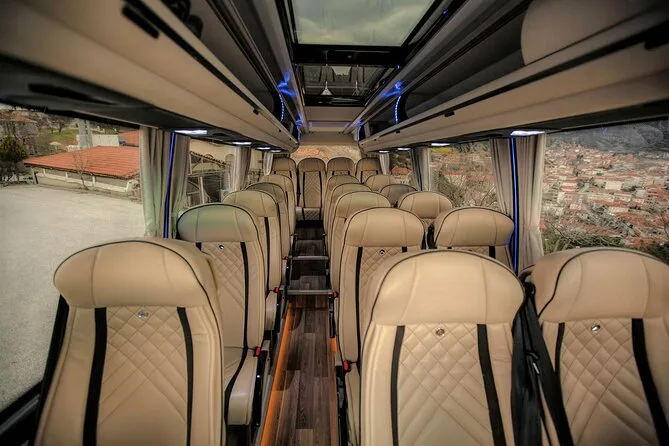
- Switch to local VIP minibus
- Visit Holy Monastery of Saint Nicholas of Anapafsas
- Visit Varlaam Monastery
- Visit Great Meteoron Monastery
- Explore hermit caves of Badovas
- Visit St. Stephen’s Monastery
- Visit Holy Monastery of Roussanou
- Visit Holy Trinity Monastery
- Return to Kalambaka for free time
- Depart Kalambaka at 5:35 PM
- Arrive back in Athens at 9:58 PM

Top questions

How long is the day trip from Athens to Meteora?
The tour departs Athens around 7:30 am and returns by 9:58 pm—about 14 hours total including travel time.
Is lunch included on the Meteora day trip?
A traditional Greek lunch with multiple dishes is included if you select that option during booking.
How many monasteries do you visit inside?
You’ll go inside three of Meteora’s six monasteries; there are photo stops at all six.
Are there lots of stairs at Meteora?
Yes, most monasteries require climbing stairs; St. Stephen’s is accessible without stairs via a small bridge.
What should I wear for visiting Meteora monasteries?
Dress modestly: women need long sleeves and skirts; men shouldn’t wear shorts.
Is hotel pickup included from Athens?
Yes, pickup is provided from centrally located hotels in Athens for this day trip.
Are tickets for monastery entry included?
No, monastery entry tickets are paid in cash onsite; you don’t need to buy them ahead of time.
Is this tour suitable for travelers with limited mobility?
Some parts involve stairs; however, St. Stephen’s Monastery has no stairs and benches are available outside others if needed.

What’s included
Your day includes hotel pickup in Athens, roundtrip group transfer by coach and local minibus, entrance to three beautiful Meteora monasteries (with tickets paid onsite), an expert English-speaking guide throughout Meteora plus a multilingual audio tour, visits to atmospheric hermit caves, a map and bottled water, scenic coastal brunch and dinner stops (meals optional), plus an optional traditional Greek lunch with vegetarian choices if pre-booked before heading back late evening.
 Super deal
  Free booking, free cancellation.
  Don't lose your place.


 Do you need help planning your next activity?
  +507 6792-0894


