

 +507 6792-0894


Kumasi One Day Tour: Markets, Museums & Asante Culture





Summary
Discover Ashanti Heritage: Kumasi Day Trip Highlights
You’ll dive deep into Ashanti culture—palaces, markets, and living traditions. This tour lets you meet locals, see real crafts in action, and walk through Ghana’s history with a guide who knows every corner. If you want more than just sightseeing, this is it.

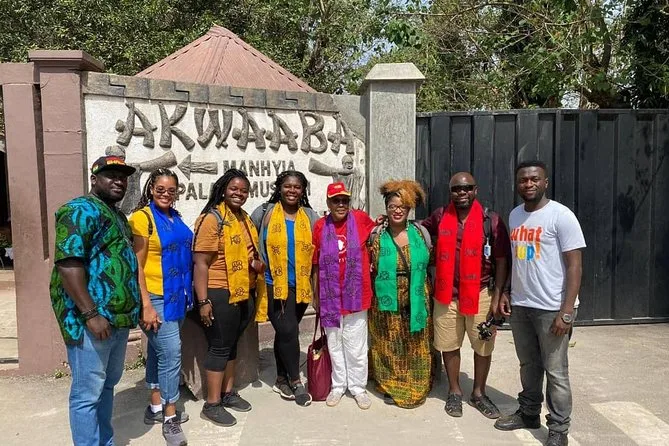
First thing you’ll notice in Kumasi is the air—warm and a little earthy, sometimes carrying the smell of grilled plantain from a nearby vendor. Our guide, Kwame, met us right outside the hotel with a big smile and a minivan that had the AC cranked up (trust me, you’ll be grateful for that). We started at the Manhyia Palace Museum. It’s not huge, but every corner is packed with stories—old war amulets, royal stools, and photos from the Silver Jubilee. I remember the guide pointing out a faded stool and explaining how it’s linked to the Golden Stool legend. You can’t help but feel the weight of history in those rooms.
Next up was the Kumasi Fort and Military Museum. The place feels a bit more serious—lots of old uniforms, medals, and even an armored car parked out front. There’s this one display about the British-Asante war of 1900 that really stuck with me. The guide didn’t rush us; he let us linger over the old black-and-white photos and the battered helmets. If you’re into history, you’ll want to ask questions here—there’s always a new detail to pick up.
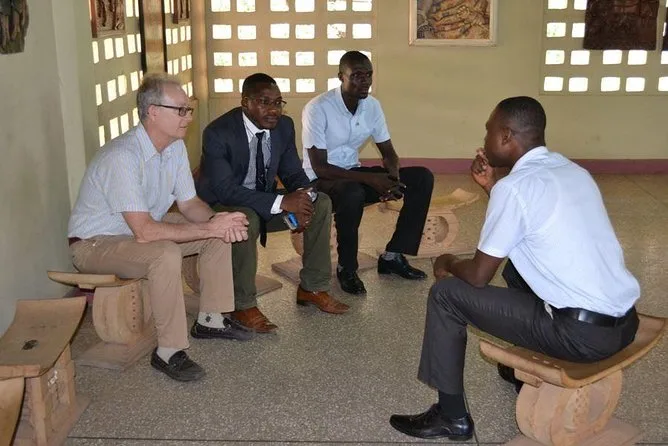
We made a quick stop at the Prempeh II Jubilee Museum. It’s tucked inside the Cultural Centre, and honestly, it feels like stepping into someone’s home. There’s a courtyard with carved symbols on the walls and a collection of the king’s personal things—ceremonial clothes, gold weights, even his old bath set. The guide told us how each brass weight has a story or proverb behind it. I loved that part; it made everything feel personal.
After a short drive, we reached Kejetia Market. It’s wild—colors everywhere, people calling out prices, the sound of radios mixing with laughter. I picked up a small bag of groundnuts from a lady named Ama; she insisted I try them before buying. You’ll see everything here: kente cloth, spices, carved stools. It’s busy, but if you stick with your guide, you won’t get lost. Just keep an eye on your bag—Kwame gave us that tip early on.
We also visited Ntonso, where adinkra cloth is made. The smell of dye and the sight of women stamping symbols onto fabric is something I won’t forget. Each symbol means something—wisdom, strength, unity. Then there’s Adanwomse, famous for kente weaving. Watching the weavers work those looms by hand is almost hypnotic. They’ll tell you about the patterns if you ask—over 300 designs, each with its own story.
 4h–8h
4h–8h

Step-by-step itinerary
Day 1 — Explore Kumasi's Cultural Highlights
- Visit Manhyia Palace Museum
- Tour Kumasi Fort and Military Museum
- See Prempeh II Jubilee Museum
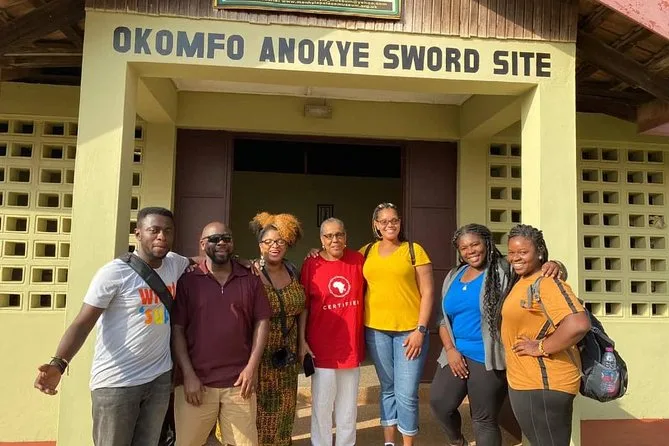
- View Komfo Anokye Sword Site
- Explore Ntonso Adinkra Cloth Village
- Discover Kente Cloth in Adanwomse
- Shop at Kumasi Central Market

Top questions

Is the Kumasi day tour suitable for kids or elderly travelers?
Yes, the tour is suitable for all ages. The vehicle is air-conditioned and accessible. There’s some walking, but nothing too strenuous. Let us know if you need extra support.
Can I buy kente or adinkra cloth during the tour?
Absolutely! At Ntonso and Adanwomse, you can buy directly from the makers. There’s also plenty to browse at Kejetia Market.
How long does the tour last?
The full day tour usually runs about 7-8 hours, depending on traffic and how long you want to spend at each stop.
Are meals included?
No meals are included, but your guide can recommend local spots for lunch or snacks along the way.

What’s included
Your day includes transport in an air-conditioned vehicle, a friendly local guide, all entrance fees, and plenty of chances to chat with artisans. We can provide infant seats if needed, and the tour is wheelchair accessible. Just bring your curiosity—and maybe a bottle of water!
 Super deal
  Free booking, free cancellation.
  Don't lose your place.


 Do you need help planning your next activity?
  +507 6792-0894


