

 +507 6792-0894


5-Day Mole National Park Safari: Wildlife, Villages & Culture


Summary
Wildlife Encounters and Community Tours in Northern Ghana
You’ll track elephants on foot, paddle canoes through quiet rivers, meet local weavers in Daboya, and learn about ancient mosques—all while soaking up real northern Ghana life. If you want wildlife plus genuine community encounters (and don’t mind some bumpy roads), this trip delivers memories you won’t forget.

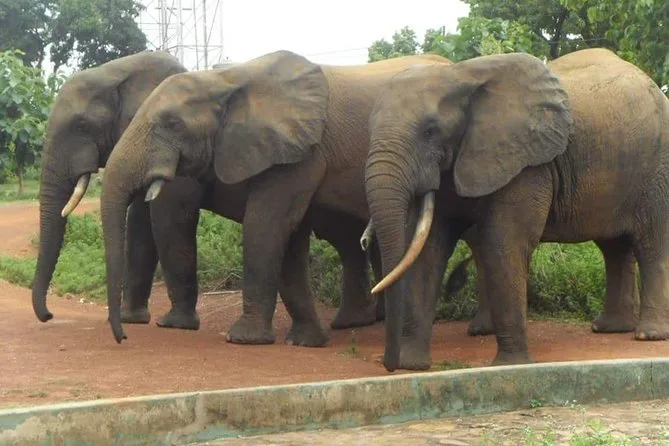
The day started before sunrise with the soft hum of ceiling fans and a quick dash to Accra airport. By 7:30am, we landed in Tamale—there’s something about the dry northern air that wakes you up fast. Our driver was waiting, grinning and waving us over for the ride to Damongo. The road’s bumpy in parts, but you’ll spot kids waving from roadside stalls selling mangoes and fried yams. After a simple lunch at Mole Motel (the jollof rice is worth trying), we set off for our first game drive. Elephants wandered just meters away, flapping their ears in the heat. Our guide pointed out bushbucks hiding under acacia trees and a flash of blue as a kingfisher darted by. Back at the motel, I watched dusk settle over the savannah from my balcony—just crickets and distant animal calls for company.
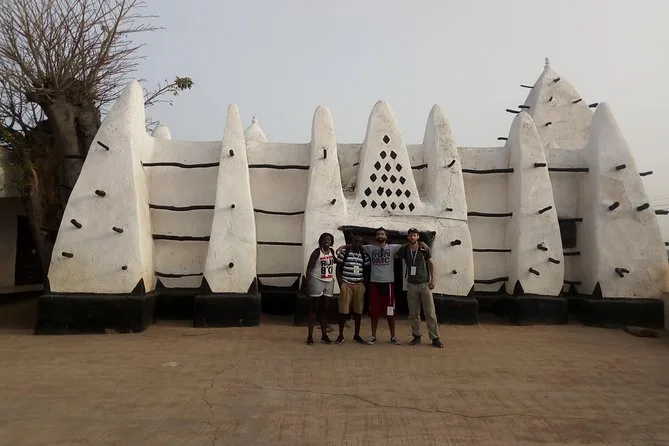
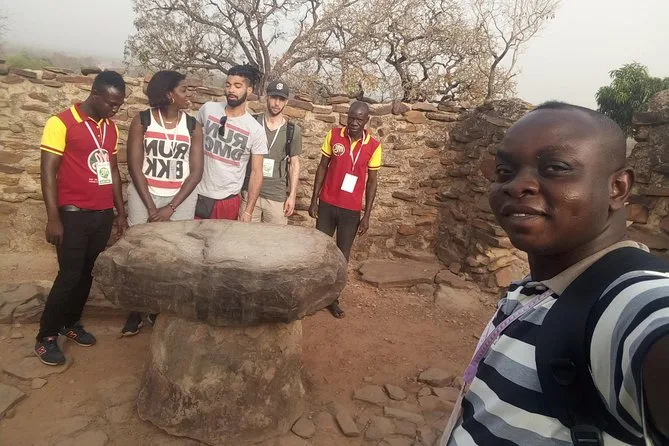
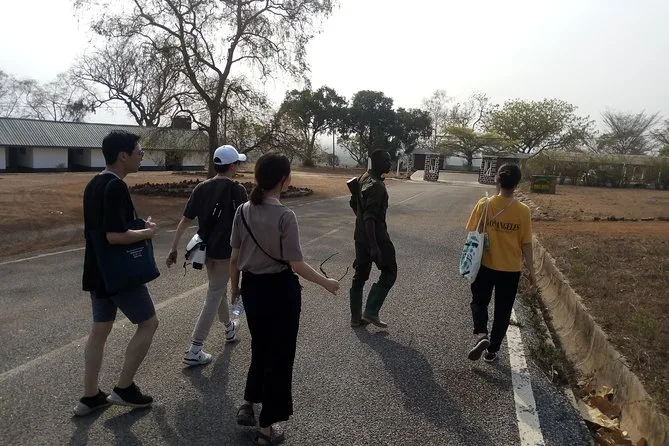
The next morning was cool enough for a walking safari—boots crunching on dry grass, birds everywhere. We followed our guide’s quiet signals; suddenly, a family of warthogs trotted across our path. After breakfast (the bread’s always fresh here), we headed to Larabanga village. The mosque is older than it looks in photos—mud walls cool to the touch, with elders chatting outside under neem trees. The mystic stone sits quietly nearby; locals say it’s never been moved. In Mognori eco-village, we tried paddling a dugout canoe along the riverbank—dragonflies everywhere—and learned how shea butter is made by hand (it smells nutty and sweet). Lunch was back at Mole Motel, then time to relax before dinner.
Day three took us hiking near Damongo caves—rocky paths with sweeping views over scrubland dotted with baobab trees. Our guide shared stories about old trade routes through these hills. Lunch was simple but filling at a roadside spot (spicy groundnut soup if you’re brave). By late afternoon, we were back at Mole Motel’s poolside—the cold drink hit just right after all that walking.
Daboya village was next—a place famous for its smock weaving tradition. We watched men work huge wooden looms under shady sheds; their hands move so fast it’s hard to follow. The smell of dyed cotton lingers in the air. Locals are happy to explain each step if you ask (and yes, you can buy a smock straight from the source). Dinner back at Mole felt well-earned after a long day out.
On our last morning, there was time for one last look at the park before checking out around 11am. The drive back to Tamale airport felt quieter somehow—I guess everyone was replaying their favorite moments in their heads. Flight home left just after 5pm, but I still had red dust on my shoes and more photos than I could count.
 5d
5d

Step-by-step itinerary
Day 1 — Arrival and Mole National Park
- Flight Accra to Tamale and transfer to Damongo
- Game drive in Mole National Park
Day 2 — Walking Safari and Community Tour
- Walking safari
- Visit Larabanga Mosque and Mognori Eco Village
Day 3 — Hiking and Relaxation
- Hiking tour and caves experience in Damongo
- Relax at Mole Park poolside or hotel viewpoint
Day 4 — Day Trip to Daboya
- Day trip to Daboya to experience smock waving
Day 5 — Departure from Mole National Park
- Checkout and transfer to Tamale airport

Top questions

Is this safari suitable for families with young children?
Yes! Kids can join most activities—walking safaris are gentle and strollers are welcome where possible. Just let us know if you need infant seats or extra help.
What kind of food is available during the tour?
You’ll find classic Ghanaian dishes like jollof rice and groundnut soup at local stops and Mole Motel’s restaurant offers both local and basic international options.
Can I buy souvenirs or crafts during the tour?
Absolutely—you’ll have chances to buy handmade smocks in Daboya or shea butter products in Mognori village directly from artisans.
Are there any health restrictions?
The tour isn’t recommended for pregnant travelers or those with spinal or serious heart conditions due to some rough terrain and longer walks.

What’s included
Your trip covers private transport throughout northern Ghana, all guided tours (including game drives and walking safaris), canoe rides at Mognori eco-village, entry fees for Larabanga Mosque and Daboya village visits, hiking excursions near Damongo caves, accommodation each night at Mole Motel—and all taxes are taken care of too! Meals and drinks aren’t included so you can choose what suits your taste along the way.
 Super deal
  Free booking, free cancellation.
  Don't lose your place.


 Do you need help planning your next activity?
  +507 6792-0894


