

 +507 6792-0894


Sachsenhausen: Concentration Camp History Day Tour Berlin




Summary
Walk Sachsenhausen’s history near Berlin with stories that stay with you
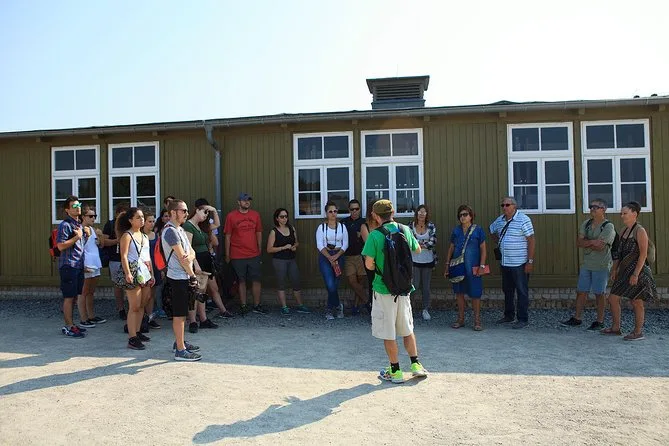
You’ll walk Sachsenhausen’s grounds with a Spanish-speaking local guide who shares real stories from both Nazi and Soviet times. Expect long walks through quiet memorials and museum buildings near Berlin, moments of silence among old stones, and honest conversation that lingers long after you leave.

I didn’t expect silence to feel so loud. We’d just stepped off the train in Oranienburg, maybe 40 minutes from Berlin, and there was this chill in the air — not cold exactly, but a kind of heaviness. Our guide, Marta, met us right outside the station. She smiled, but her eyes were serious. “It’s not an easy place,” she said in Spanish (everyone in our group spoke it), and I could tell she meant it. The walk to Sachsenhausen wasn’t long, maybe 20 minutes through quiet streets, but I kept noticing how people avoided looking at the signs pointing to the camp.
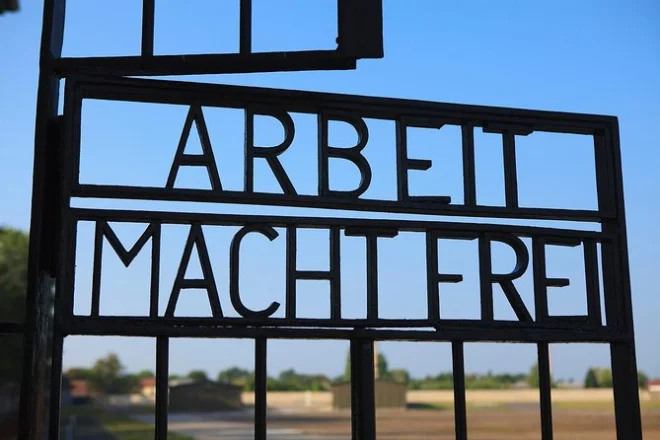
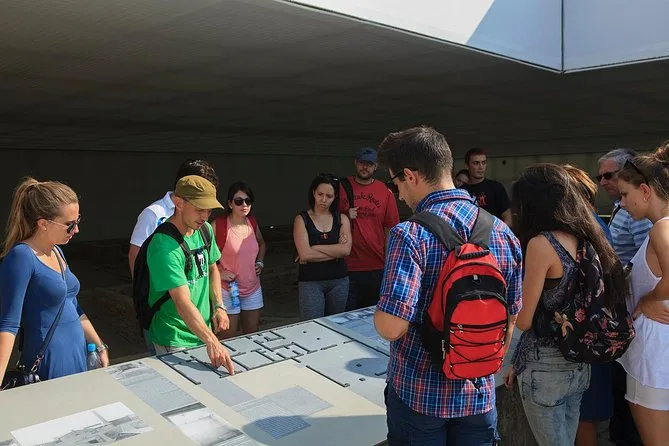
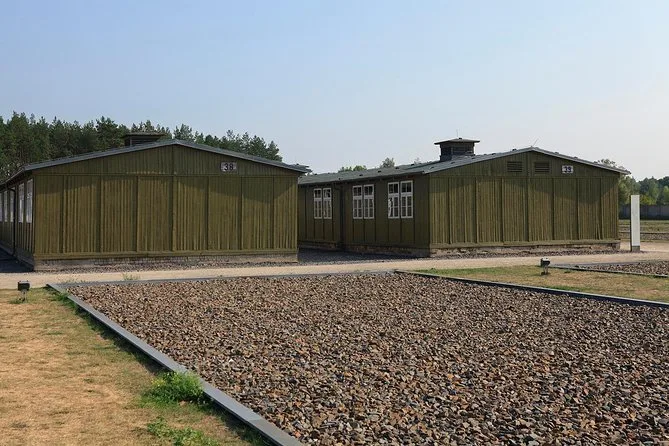
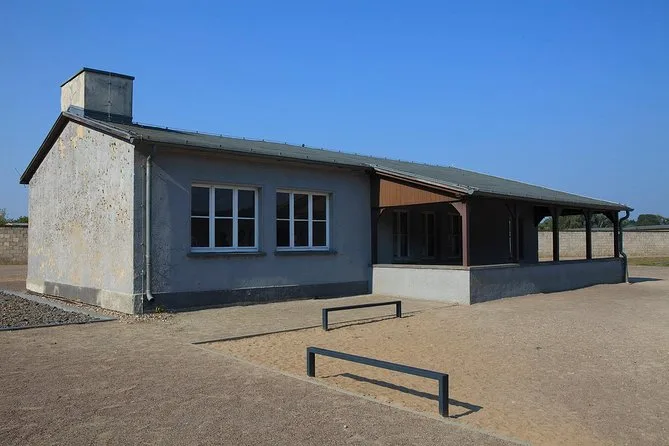
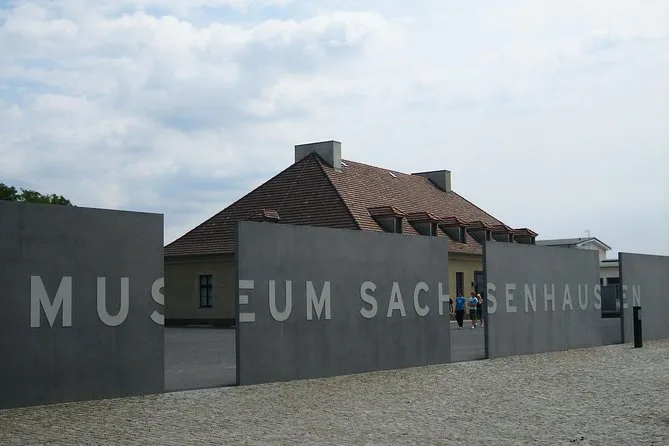
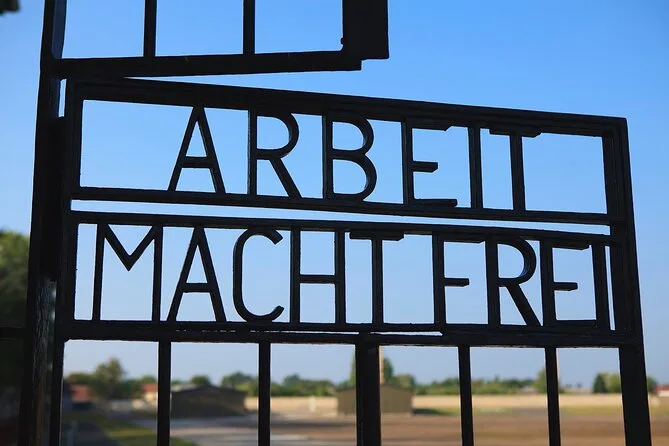
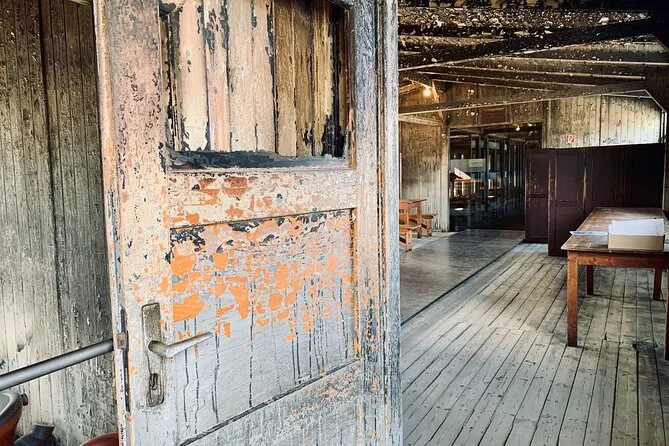
Inside Sachsenhausen Memorial & Museum, everything felt muted — even the gravel underfoot seemed softer somehow. Marta started telling us about how this place was built for political prisoners back in 1936. She pointed out where barracks once stood and described daily routines that sounded impossible to endure. There was a smell of damp stone inside one of the old buildings; someone behind me whispered something about their grandfather — I didn’t catch it all, but it stuck with me anyway. At one point Marta showed us a faded photograph and paused for a second before translating an inscription; I think she needed that breath.
We walked a lot — comfortable shoes are a must here (my feet regretted my choice by hour four). The wind picked up around noon and rattled some loose metal on the fence; it made me jump even though nothing was happening. Lunch wasn’t included, so we just snacked on apples we’d brought along while sitting quietly near one of the memorial stones. I tried reading some names carved there but gave up halfway through — too many stories I’ll never know. On our way out Marta mentioned how after WWII this place became a Soviet camp until 1950; honestly, I hadn’t realized history could layer itself like that.
I still think about that walk back to the train station — nobody really talked much until we were almost at Berlin again. If you’re thinking about a day trip to Sachsenhausen from Berlin, just know it’s not easy or lighthearted, but maybe that’s why it matters.
 6h
6h

Step-by-step itinerary
Day 1 — Visit Sachsenhausen concentration camp museum
- Arrive at Sachsenhausen camp
- Explore camp history and layout
- Learn about political prisoners
- Review prisoner profiles
- Visit remaining camp buildings
- Tour museum exhibitions

Top questions

How far is Sachsenhausen from Berlin?
It’s about 40 minutes by train from central Berlin to Oranienburg station.
Is this tour suitable for wheelchair users?
Yes, transportation options and most areas are wheelchair accessible.
What language is the tour conducted in?
The tour is led by a local Spanish-speaking guide.
How long does the Sachsenhausen day trip take?
The full tour lasts around 6 hours including travel time.
Are meals or snacks included?
No meals are included; bringing your own snacks is recommended.
Do I need comfortable shoes for this tour?
Yes, comfortable shoes are recommended due to long walking distances.
What will I see at Sachsenhausen Memorial & Museum?
You’ll visit remaining camp buildings, memorial stones, museum exhibits, and historical sites from both Nazi and Soviet periods.

What’s included
Your day includes guided walking throughout Sachsenhausen Memorial & Museum with a local Spanish-speaking guide; transportation is accessible for wheelchairs and public transit is nearby—just remember to bring your own snacks or lunch since food isn’t provided on this day trip from Berlin.
 Super deal
  Free booking, free cancellation.
  Don't lose your place.


 Do you need help planning your next activity?
  +507 6792-0894


