
Berlin: Third Reich & WWII Walking Tour with Expert Guide





Why does Berlin's darkest chapter still matter? A walking tour that answers it.
You walk three hours through Berlin's Nazi past with a local expert guide, visiting Hitler's bunker, the Reichstag, Göring's Air Ministry, the Memorial to the Murdered Jews of Europe, and the Soviet War Memorial. The tour is easy-paced, wheelchair accessible, and starts at Friedrichstrasse Station — arrive 15 minutes early.
 3h
3h

Step-by-step itinerary
Third Reich Berlin walking tour highlights
- Start at Friedrichstrasse Train Station
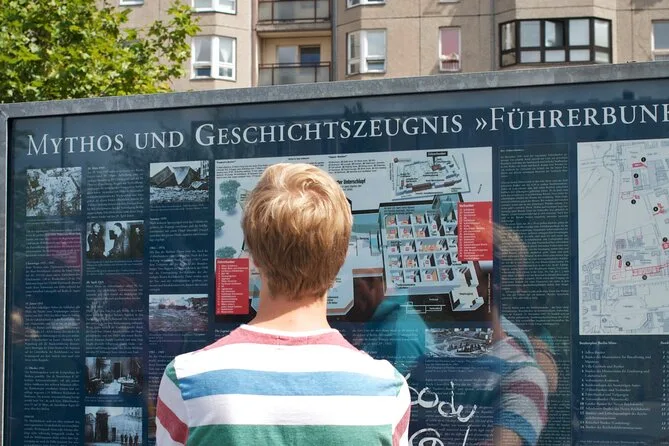
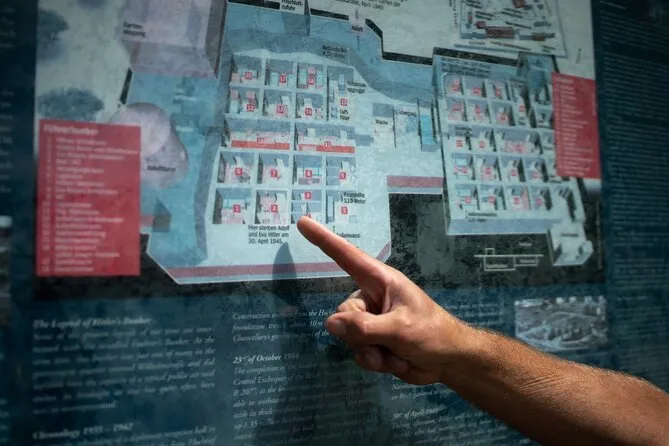
- Visit Hitler’s bunker site
- See Soviet War Memorial in Tiergarten
- Walk along Wilhelmstrasse Nazi sites
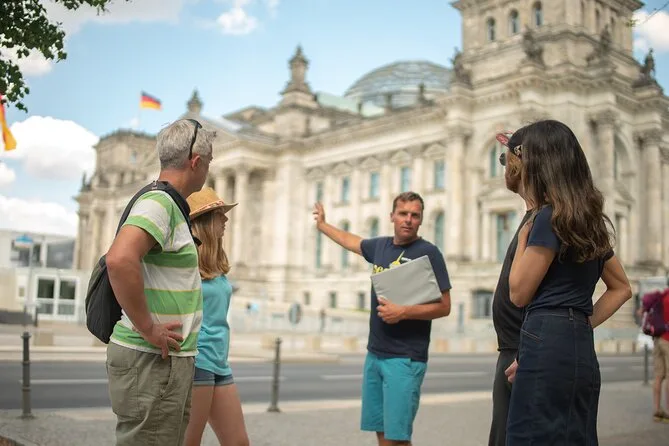
- Explore Reichstag building history
- Visit Hermann Göring’s Air Ministry
- See Joseph Goebbels’ propaganda HQ
- Stop at "Trains to Life, Trains to Death" memorial
- Visit Brandenburg Gate Nazi history
- Explore Akademie der Künste Nazi ties
- Visit Memorial to the Murdered Jews of Europe
- See Topography of Terror museum

The Experience
You start at Friedrichstrasse Train Station, and your guide lays out the shape of the next three hours before you even move — the bunker, the memorials, the buildings where decisions were made that changed the world. It's not the kind of tour that rushes you through landmarks. Instead, you walk Wilhelmstrasse, where Nazi leaders planned military campaigns and the machinery of persecution, and you stand above the Führerbunker, the concrete slab marking where Hitler spent his final days. The pace is easy, which matters because the weight of what you're learning needs room to settle.
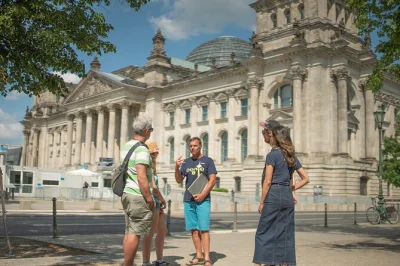
The tour doesn't shy away from the scale of it. You visit the Memorial to the Murdered Jews of Europe — 2,711 concrete slabs of varying heights that disorient you by design, meant to make you feel something about the 6 million. Then there's the Soviet War Memorial in Tiergarten, a Soviet soldier holding a flag over two fallen Nazi soldiers, a physical statement about who won and what it cost. The Reichstag building itself is a text you can read: the 1933 fire that the Nazis used to dismantle democracy, then the Soviet flag raised over it in 1945 after the Battle of Berlin. Your guide connects these moments — not as isolated facts, but as a chain of cause and consequence that shaped the city you're walking through right now.
You'll also see Hermann Göring's former Air Ministry on Wilhelmstrasse, a grand building that once housed the Luftwaffe's command, and the Topography of Terror, built on the actual site of the SS and Gestapo headquarters, where the machinery of state terror was administered. These aren't reconstructions or interpretations — they're the places themselves, and your guide knows the detail that makes each one specific: who worked there, what they decided, what happened next. The tour includes the Brandenburg Gate, which the Nazis turned into a symbol of their power through rallies and propaganda, and now stands as a symbol of reunification instead. It's the same stone, two different Berlins.
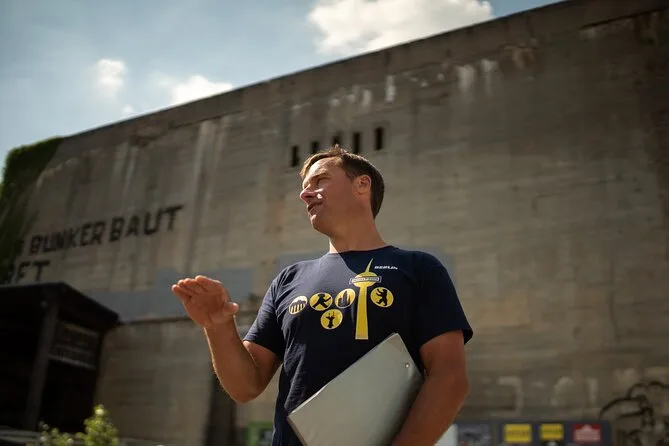
The whole thing takes three hours and covers ground on foot, so wear shoes you've already walked in. You meet 15 minutes early at Friedrichstrasse, and the tour is small enough that you're not herded. If you use a wheelchair or need to bring a stroller, the route is accessible, and public transport is nearby if you need a break. The guide is local and expert — this is their city, and they're not reciting a script about a museum piece. They're explaining how a democracy collapsed and what the rubble teaches you about paying attention.

What’s included
Your tour includes a local expert guide leading you through three hours of walking, visiting eight major sites tied to Nazi Berlin and World War II: Hitler's bunker, the Reichstag, the Soviet War Memorial, Wilhelmstrasse, Hermann Göring's former Air Ministry, the Memorial to the Murdered Jews of Europe, the Brandenburg Gate, and the Topography of Terror. The route is wheelchair accessible, and public transportation is available nearby if you need it.
Operated by Insider Tour Berlin
Is this one for you?Right for anyone wanting to understand how Berlin's democracy collapsed and what the city's physical landscape still says about that history, without arranging a guide separately. Plan for three hours on foot at an easy pace — that's what lets the guide connect each site to the next instead of rushing through them.
Traveler reviews
Compare the 13 similar options
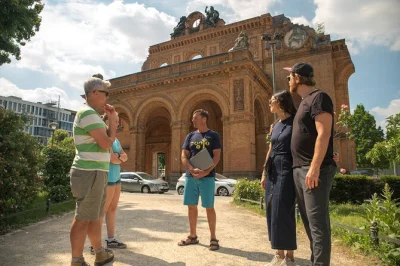 Berlin: Third Reich & WWII Walking Tour with Expert Guide★ 4.93 (3,560)3hEN€ 18.77
 Berlin: Third Reich & Cold War Walking Tour LandmarksFeel Berlin’s layered history on a walking tour with a local guide, from the Brandenburg Gate to Checkpoint Charlie. Includes all main sites and English-speaking guide.★ 4.96 (6,198)2hEN€ 20View ›
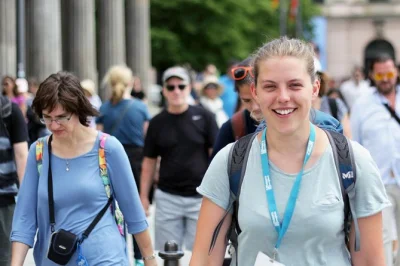 Berlin: Brandenburg Gate & Wall Walking Tour 4 Hours4-hour walking tour through Berlin's Mitte district covering Brandenburg Gate, Berlin Wall, Checkpoint Charlie, Holocaust Memorial and Reichstag with professional guide.★ 4.92 (10,228)3h 30mEN · DE€ 20View ›
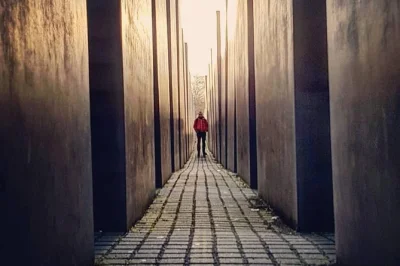 Berlin: Private Walking Tour of History & Iconic LandmarksStep into Berlin’s layered past with a private walking tour, from Brandenburg Gate to the Berlin Wall. Hear stories from a local expert and enjoy flexible stops along the way.★ 4.95 (494)6hEN · PL +2€ 210View ›
 3-Hour Berlin Bike Tour: Brandenburg Gate, Reichstag & WallBike through Berlin's essential landmarks in 3 hours with a local English-speaking guide—Brandenburg Gate, Reichstag, Berlin Wall3hEN€ 88View ›
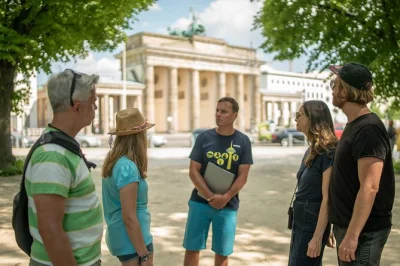 Berlin WWII & Cold War Tour: Brandenburg Gate to Hitler's Bunker3-hour walking tour of Berlin's WWII and Cold War sites: Brandenburg Gate, Checkpoint Charlie, Berlin Wall, Hitler's bunker. Wheelchair accessible.★ 4.94 (4,597)3hEN€ 18.77View ›
 Berlin City Bike Tour: Brandenburg Gate, Reichstag & Beer GardenSix hours on two wheels through Berlin's divided past and present—Brandenburg Gate, Checkpoint Charlie★ 4.89 (924)5h 30mEN€ 69View ›
 Berlin Highlights 3-Hour Bike Tour: Brandenburg Gate & ReichstagBike tour of Berlin's top sites in 3 hours with English-speaking guide and bike included — meet at Alexanderplatz★ 4.92 (1,072)3hEN€ 35View ›
 Berlin: Historic Center Walking Tour in Italian with Local StoriesStand at Checkpoint Charlie, walk Unter den Linden, and hear Berlin’s history from an Italian-speaking guide. Includes all main sites and ends on Museum Island.★ 4.96 (159)3hIT€ 27View ›
 Berlin: Reichstag & Government Quarter Guided TourGuided tour of Berlin's Reichstag building with plenary chamber, dome access, and rooftop views. Includes government district walk. Wheelchair accessible.★ 4.00 (3)2h 30mDE€ 17.99View ›
 Berlin: Nazi History & Cold War Walking Tour with Expert GuideEight landmarks from the Brandenburg Gate to Museum Island, led by a historian specializing in Berlin's 20th-century past. Wheelchair accessible, no entry fees.★ 4.93 (102)3h 30mEN€ 27View ›
 Berlin: Private Third Reich Walking Tour with Hotel PickupStep into Berlin’s WWII history—walk from Hitler’s Bunker to the Holocaust Memorial, Reichstag & Topography of Terror, with a guide & hotel pickup included.★ 4.97 (389)3h–4hEN · DE +1€ 170View ›
 Berlin Segway Tour: Brandenburg Gate to Checkpoint CharlieGlide through Berlin's Cold War landmarks and Museum Island on a Segway in two hours with a live guide—no long walks, all the history.★ 5.00 (15)2hEN · DE +1€ 52View ›
Top questions
How long is the Third Reich walking tour in Berlin?
Three hours. The pace is easy and the route is on foot through central Berlin.
Where does the tour start?
At Friedrichstrasse Train Station. Arrive 15 minutes before the tour begins.
What sites do you visit?
Hitler's bunker, the Reichstag, the Soviet War Memorial, Wilhelmstrasse, Hermann Göring's Air Ministry, the Memorial to the Murdered Jews of Europe, the Brandenburg Gate, and the Topography of Terror museum.
Is the tour wheelchair accessible?
Yes. The route is wheelchair accessible, and strollers are allowed. Public transportation options are available nearby.
Can I bring children?
Yes. Infants and small children can ride in a pram or stroller. The tour is suitable for all physical fitness levels.
Is the guide a local?
Yes. The tour is led by a local expert guide who provides detailed historical context throughout the three hours.
What is included in the tour?
A local expert guide and the three-hour walking tour. Entry to some sites may require separate tickets.
What should I wear?
Comfortable walking shoes you've already broken in. The tour covers ground on foot over three hours.
Berlin: Third Reich & WWII Walking Tour with Expert Guide
3h · EN
from € 18.77 per person
★★★★★★★★★★4.933,560 reviewsVerified traveler reviews via our booking provider
