
Berlin: Nazi History Tour with Führerbunker & Reichstag

How a city becomes unrecognizable: the buildings and decisions that built the Third Reich
You walk the sites where Nazi power was built and where it fell: the Reichstag where democracy ended, the Gestapo headquarters, the Soviet Memorial, and the bunker where Hitler died. A Spanish-speaking guide narrates the propaganda, the people, the decisions, and the cost. All areas are wheelchair accessible, and the pace suits most fitness levels. Plan for a full afternoon.
 4h
4h

Step-by-step itinerary
Explore Berlin's Nazi history sites
- Visit the Reichstag building
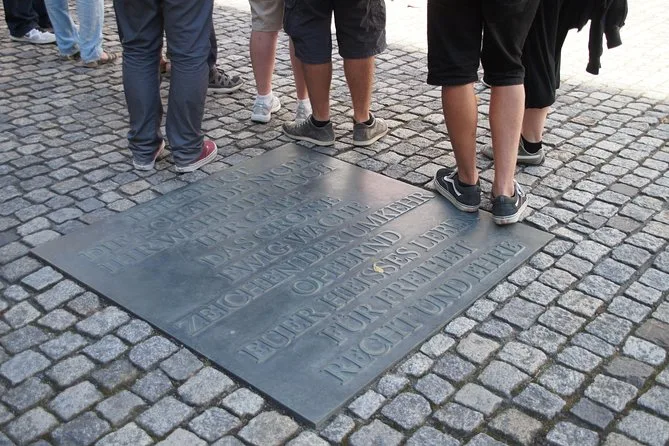
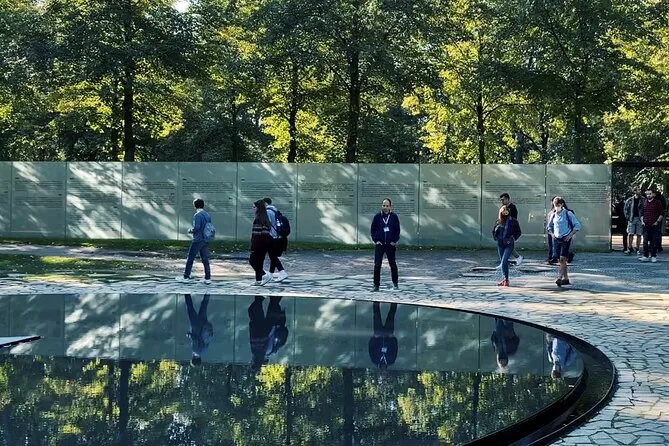
- See the Monument to Sinti and Roma victims
- View the Soviet War Memorial in Tiergarten
- Explore Tempelhof Airport historic site
- Tour the Topography of Terror museum
- Discover Hitler's last refuge at Führerbunker

The Experience
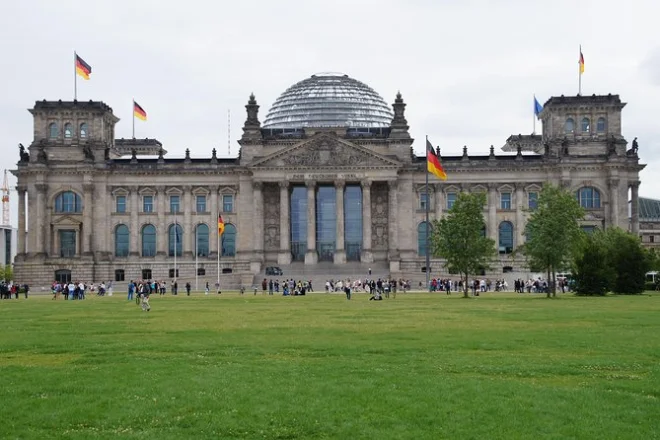
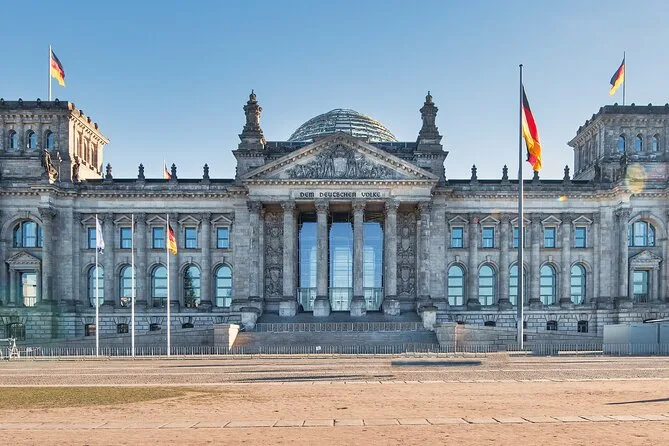
Most visitors to Berlin see the glass dome of the Reichstag and move on. On this tour, you stop inside the same parliament building where the Enabling Act passed in 1933—the moment democracy ended—and your guide walks you through what that vote meant, who voted, and why. The contrast hits hard: the building looks restored, modern, functional. But the history it holds is the opposite. You're standing in the room where it happened.
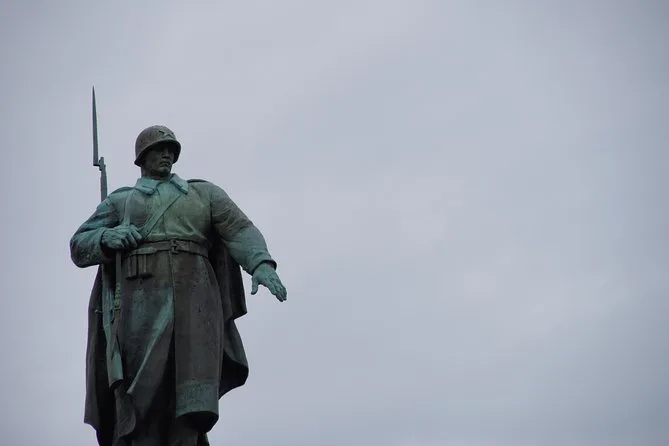
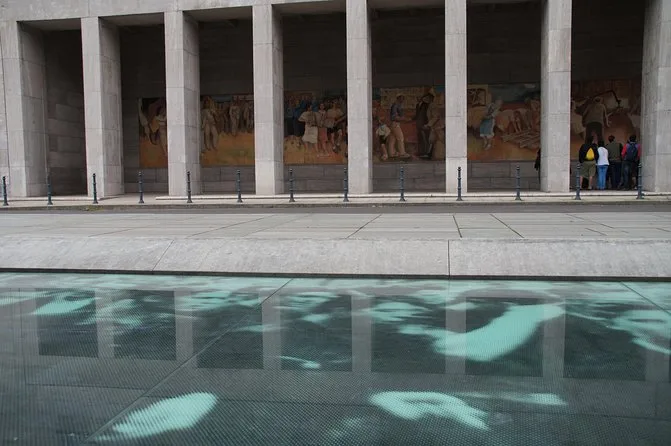
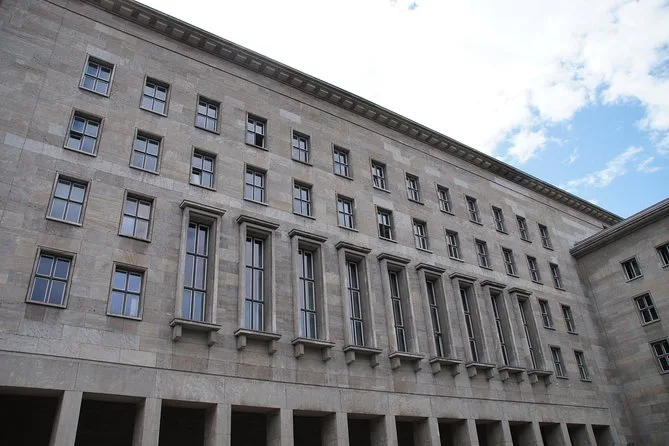
From there, the tour moves through the physical geography of Nazi power. You see the Topography of Terror, an open-air and indoor museum built on the site of the Gestapo headquarters—the secret police that made terror systematic. Your guide explains the propaganda apparatus, the SS, the structure of the regime, not as abstraction but as the actual people and offices that occupied these streets. Then you walk to the Soviet War Memorial in Tiergarten, where 80,000 Soviet soldiers who died in the Battle of Berlin are remembered. It's a shift in perspective: the end of the war, the cost of it, the liberation that came at enormous price. You also visit Haus Schwarzenberg, a building that survived the bombing and carries the marks of that survival, and pass Tempelhof Airport, once Europe's largest in 1926, later repurposed by the regime. Each stop is a piece of how a modern city was transformed.
The tour ends at the Führerbunker—the underground shelter where Hitler spent his final days. There's nothing grand about it now; it's mostly unmarked, partly underground, a place most tourists walk past without knowing what it is. Your Spanish-speaking guide explains what happened in those last hours, the collapse of the regime, and why Berlin chose not to make it a monument. The absence itself is a choice, and that matters. You leave understanding not just what happened, but how a city remembers—and what it chooses to forget.

What’s included
Your tour includes a Spanish-speaking guide who leads you through the Reichstag, Topography of Terror, Soviet War Memorial in Tiergarten, Haus Schwarzenberg, Tempelhof Airport, and the Führerbunker. All sites are wheelchair accessible, and public transportation is available nearby if you need it.
Operated by cultourberlin
Is this one for you?Right for anyone wanting to understand how the Nazi regime took power and shaped a city—not as dates and names, but as decisions made in specific buildings you can stand in. Expect a full afternoon and difficult history told plainly by someone who knows the sites.
Traveler reviews
Compare the 13 similar options
 Berlin: Nazi History Tour with Führerbunker & Reichstag★ 4.87 (151)4hES€ 25
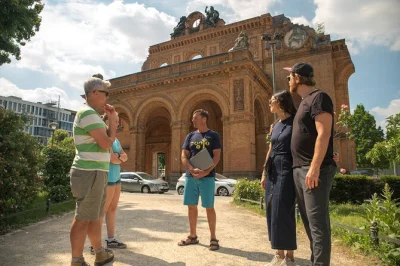 Berlin: Third Reich & WWII Walking Tour with Expert GuideNazi Berlin history tour: Hitler's bunker, Reichstag fire site. Local guide, small group, wheelchair accessible. Three hours from Friedrichstrasse Station.★ 4.93 (3,547)3hEN€ 18.32View ›
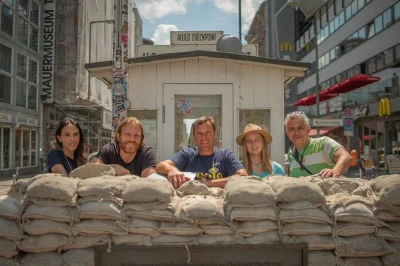 Berlin: Third Reich & Cold War Walking Tour LandmarksFeel Berlin’s layered history on a walking tour with a local guide, from the Brandenburg Gate to Checkpoint Charlie. Includes all main sites and English-speaking guide.★ 4.96 (6,168)2hEN€ 19.12View ›
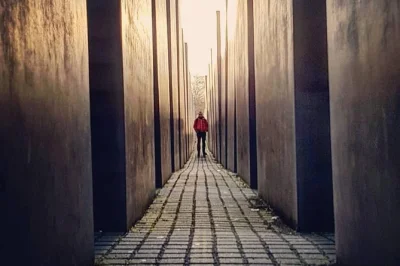 Berlin: Private Walking Tour of History & Iconic LandmarksStep into Berlin’s layered past with a private walking tour, from Brandenburg Gate to the Berlin Wall. Hear stories from a local expert and enjoy flexible stops along the way.★ 4.95 (493)6hEN · PL +2€ 210View ›
 3-Hour Berlin Bike Tour: Brandenburg Gate, Reichstag & WallBike through Berlin's essential landmarks in 3 hours with a local English-speaking guide—Brandenburg Gate, Reichstag, Berlin Wall3hEN€ 87View ›
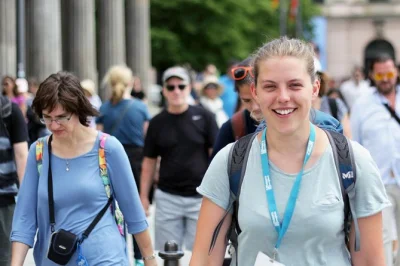 Berlin: Brandenburg Gate & Wall Walking Tour 4 Hours4-hour walking tour through Berlin's Mitte district covering Brandenburg Gate, Berlin Wall, Checkpoint Charlie, Holocaust Memorial and Reichstag with professional guide.★ 4.92 (10,207)3h 30mEN · DE€ 20View ›
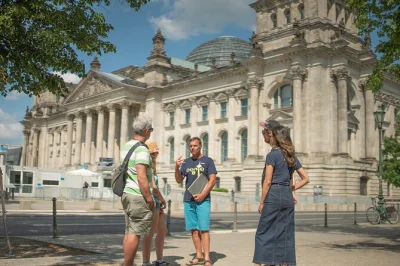 Berlin: Private Third Reich Walking Tour with Hotel PickupStep into Berlin’s WWII history—walk from Hitler’s Bunker to the Holocaust Memorial, Reichstag & Topography of Terror, with a guide & hotel pickup included.★ 4.97 (388)3h–4hEN · DE +1€ 170View ›
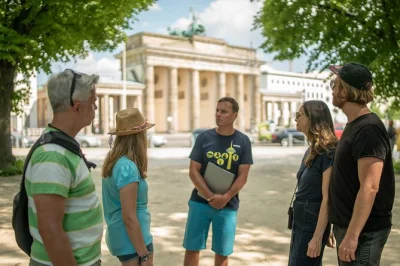 Berlin WWII & Cold War Tour: Brandenburg Gate to Hitler's Bunker3-hour walking tour of Berlin's WWII and Cold War sites: Brandenburg Gate, Checkpoint Charlie, Berlin Wall, Hitler's bunker. Wheelchair accessible.★ 4.94 (4,588)3hEN€ 16.03View ›
 Berlin City Bike Tour: Brandenburg Gate, Reichstag & Beer GardenSix hours on two wheels through Berlin's divided past and present—Brandenburg Gate, Checkpoint Charlie★ 4.89 (922)5h 30mEN€ 69View ›
 Berlin: Reichstag & Government Quarter Guided TourGuided tour of Berlin's Reichstag building with plenary chamber, dome access, and rooftop views. Includes government district walk. Wheelchair accessible.★ 5.00 (2)2h 30mDE€ 17.99View ›
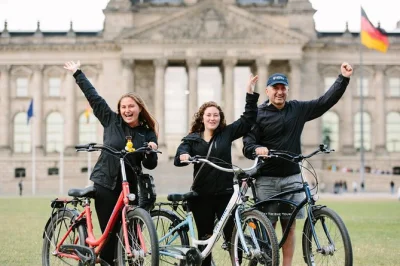 Berlin Highlights 3-Hour Bike Tour: Brandenburg Gate & ReichstagBike tour of Berlin's top sites in 3 hours with English-speaking guide and bike included — meet at Alexanderplatz★ 4.92 (1,065)3hEN€ 35View ›
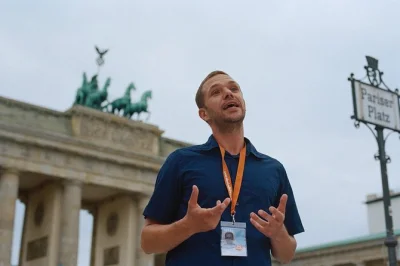 Berlin: 3-Hour History Walking Tour French-Speaking Guide3-hour guided walking tour of Berlin covering Checkpoint Charlie, Führerbunker, Memorial to Murdered Jews, Unter den Linden, Brandenburg Gate and Museum Island. French-speaking guide.★ 4.95 (354)3hFR€ 27View ›
 Berlin: Reichstag Dome & Government District with German GuideGovernment District tour in Berlin with Reichstag dome access, plenary hall visit and rooftop views. Guided in German, registration included, small groups.★ 4.68 (117)2h 30mEN · DE€ 16View ›
Top questions
Is the guide Spanish-speaking?
Yes, the tour includes a Spanish-speaking guide.
Can I visit the Führerbunker itself?
The tour visits the Führerbunker site, though the bunker itself is mostly underground and not open for interior tours. Your guide explains its history and significance from outside.
Are the sites wheelchair accessible?
Yes. All areas and surfaces on this tour are wheelchair accessible, and public transportation options are available nearby if needed.
What is the Topography of Terror?
It's an indoor and outdoor history museum built on the site of the former Gestapo headquarters. It documents the Nazi regime's terror apparatus and is one of the main stops on the tour.
Will we see the inside of the Reichstag?
Yes, you visit the German Parliament (Bundestag) building, the former Reichstag, where your guide explains the Enabling Act and what happened in that chamber.
Is this tour suitable for children?
The tour is suitable for all physical fitness levels and infants and small children can ride in a pram or stroller. However, the content covers difficult historical material, so consider your child's age and sensitivity to the subject.
Can I bring a stroller?
Yes, infants and small children can ride in a pram or stroller throughout the tour.
Berlin: Nazi History Tour with Führerbunker & Reichstag
4h · ES
from € 25 per person
★★★★★★★★★★4.87151 reviews
