

 +507 6792-0894


Berlin: Cold War Walking Tour, Berlin Wall & Espionage Sites





Summary
Walk through divided Berlin’s secrets and stories with locals
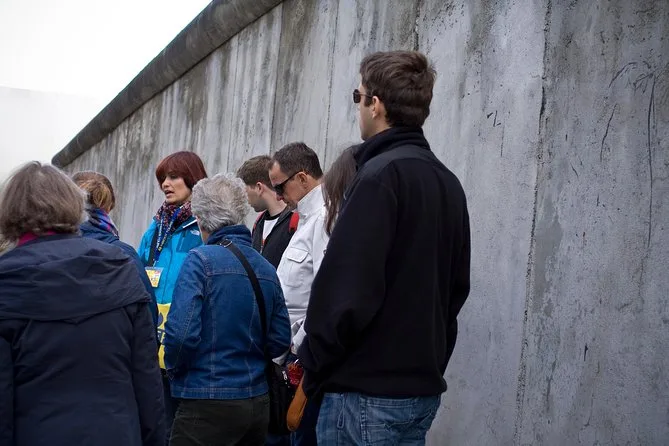
You’ll trace Cold War history across Berlin with a local guide—standing at border crossings like Friedrichstrasse Station, riding the “ghost train,” seeing preserved stretches of the Berlin Wall, and pausing in places where families once parted ways. Expect honest stories and small moments that stick with you long after you leave.

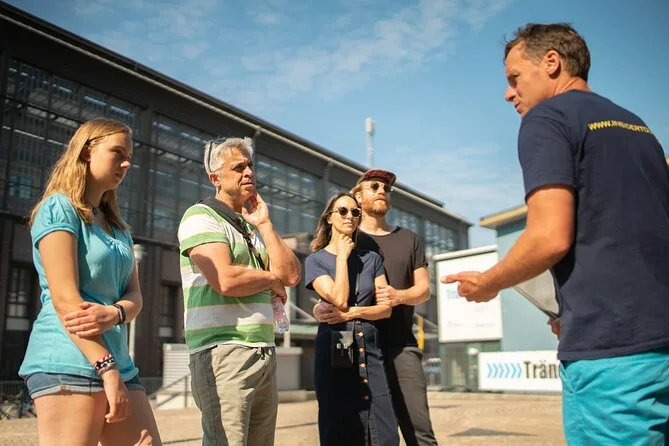
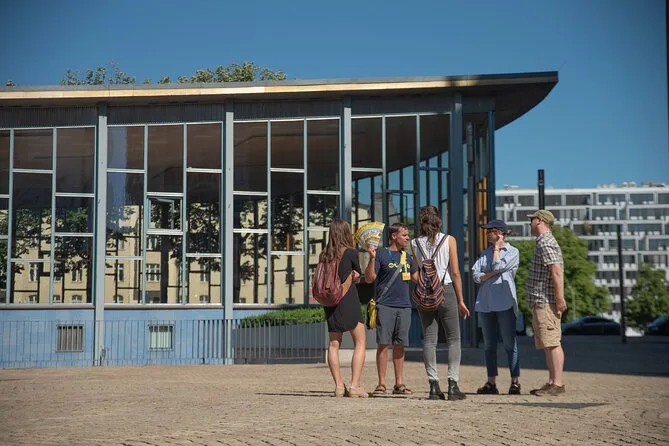
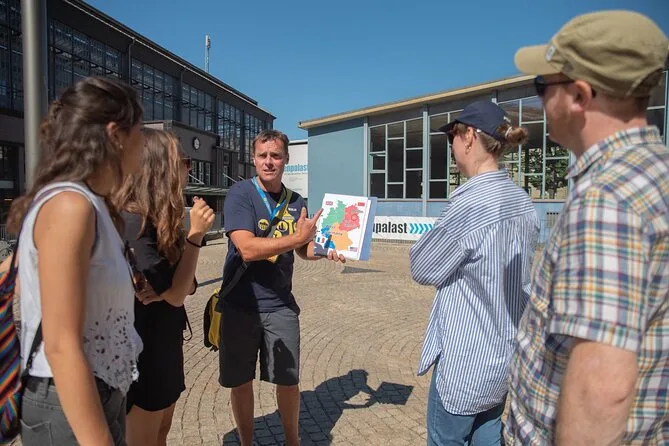
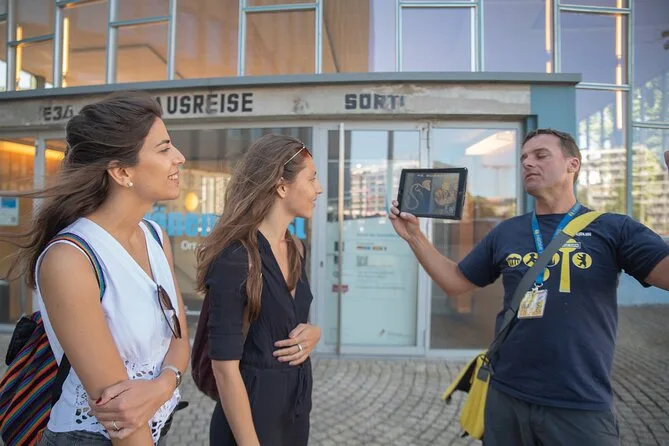
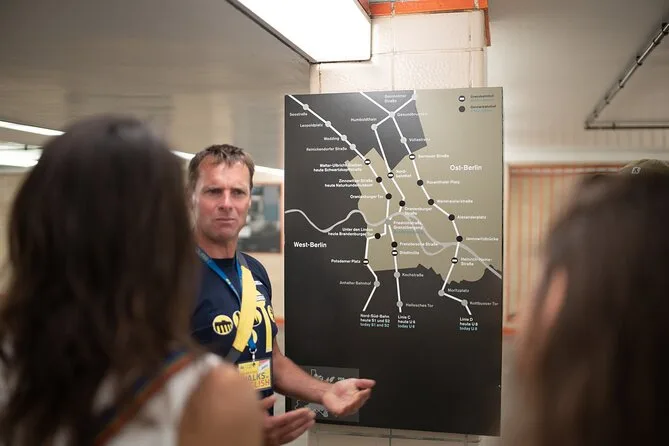
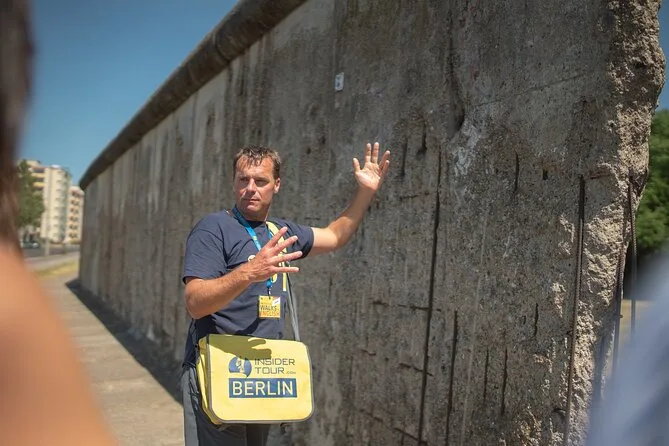
The first thing I remember is our guide, Thomas, waving us over at Friedrichstrasse Station—he had this battered messenger bag and a smile that said he’d seen it all. He started right away, asking if any of us had ever tried to read a U-Bahn map from the 1980s (I hadn’t, and honestly, I still wouldn’t know where to start). The station was busy, but he pointed out how it used to be a border crossing—the kind where people hugged for too long before letting go. I could almost hear the echoes of those goodbyes in the tiled halls.
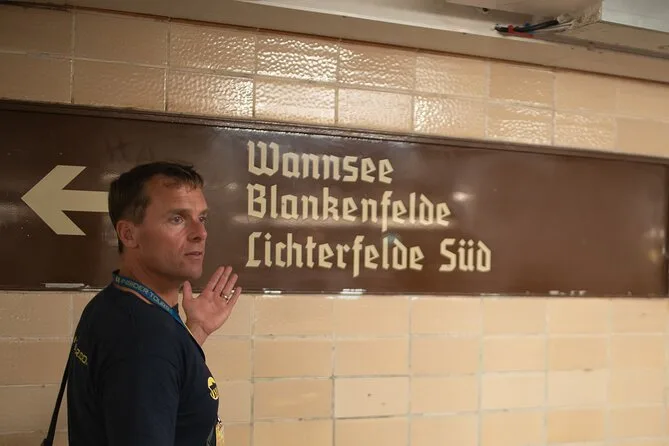
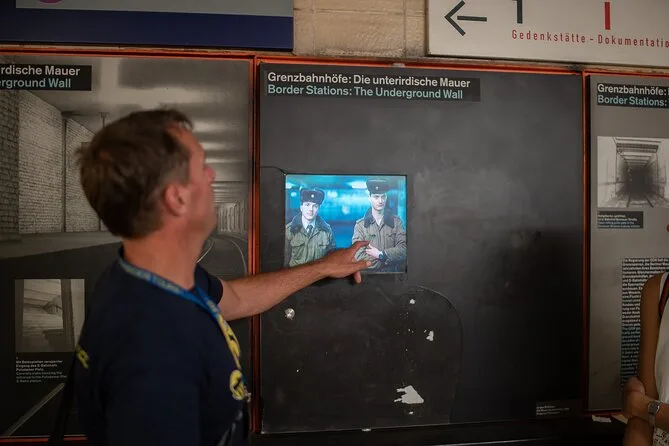
We squeezed onto the S-Bahn together—Thomas called it the “ghost train” because it once rattled through sealed-off stations under East Berlin. The air underground felt cooler, like the city was holding its breath. He told us about families split by just a few stops, and at Nordbahnhof he showed us one of those old “ghost stations”—graffiti layered over fading signs. There was this strange silence when we stepped off; even now, I can smell that faint metallic tang you only get in old subway tunnels.
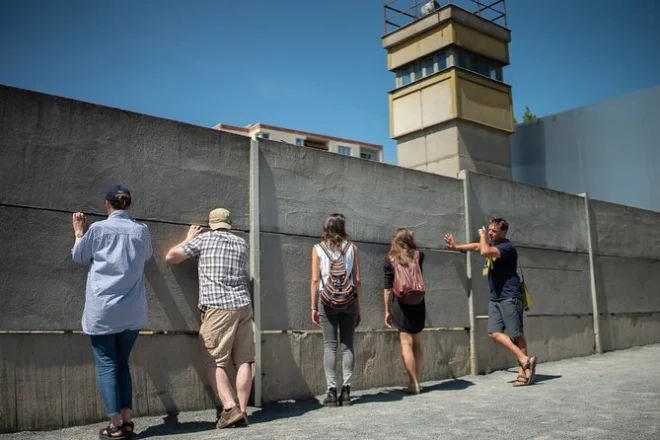
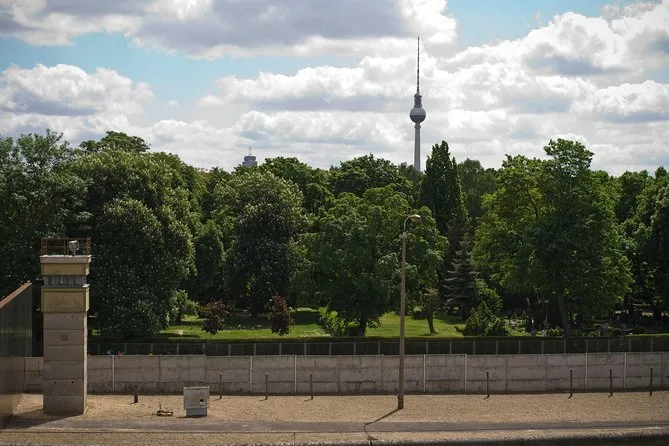
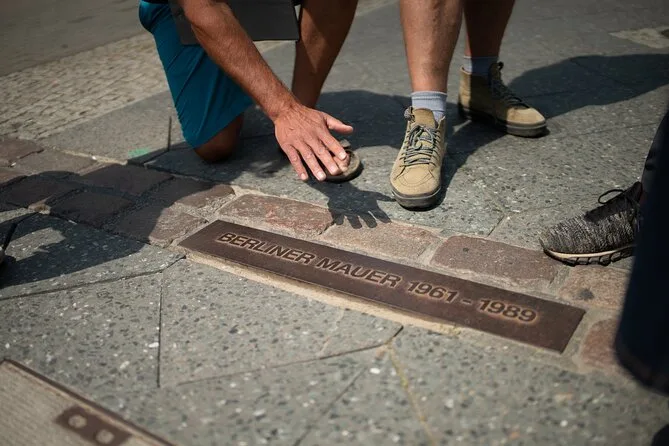
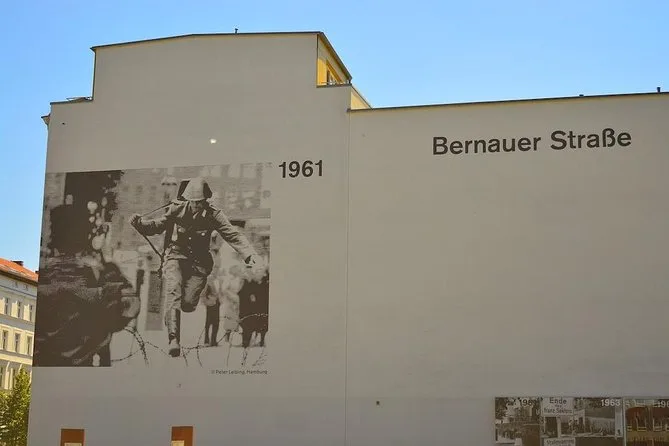
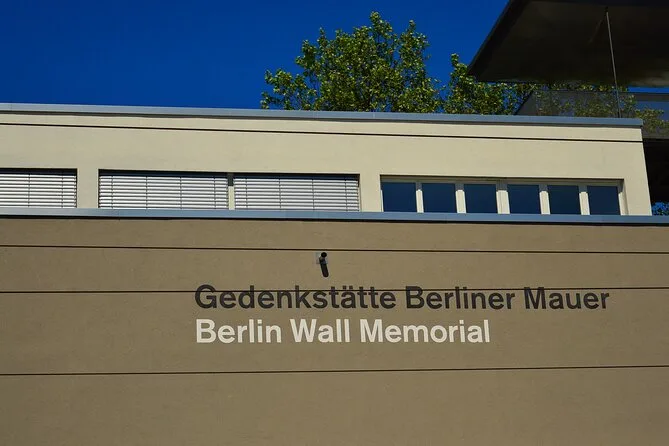
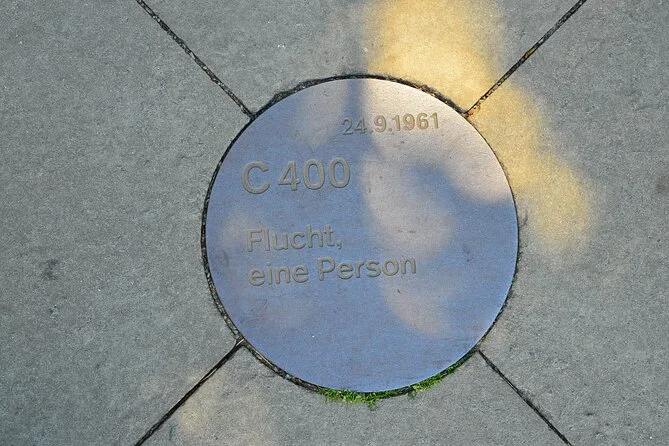
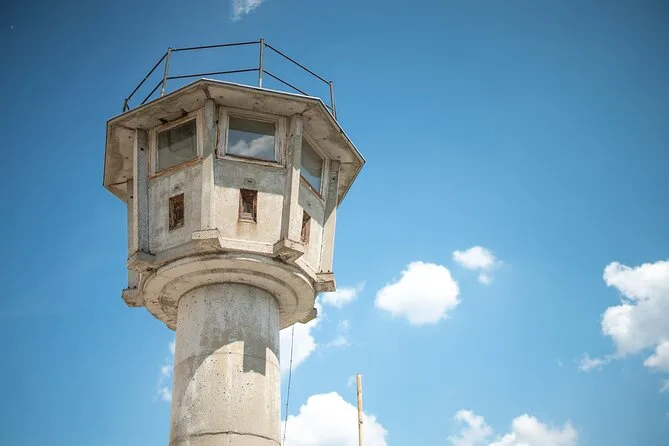
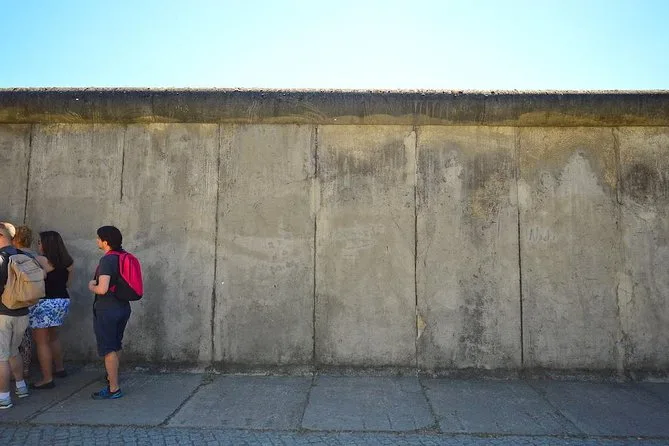
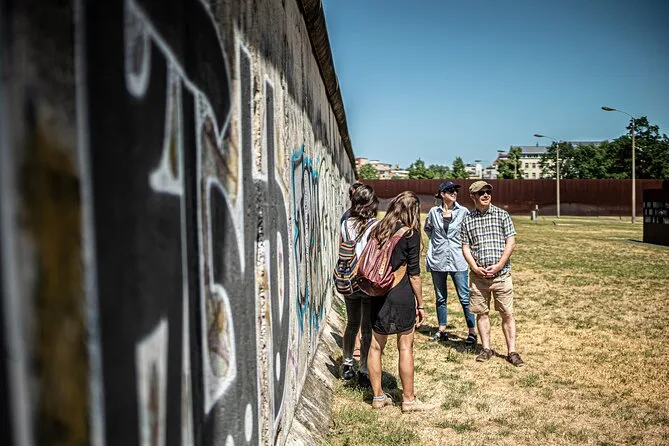
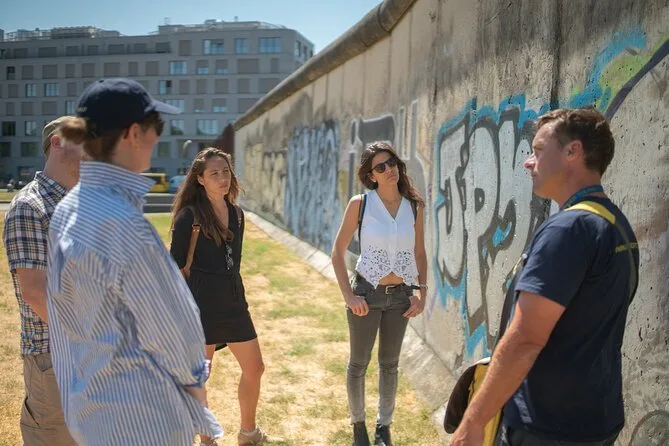
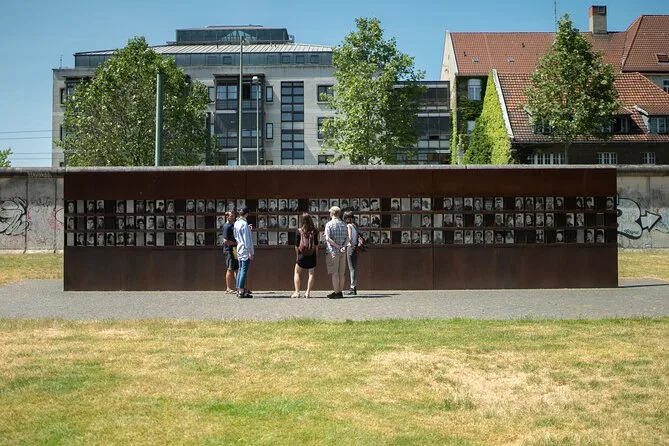
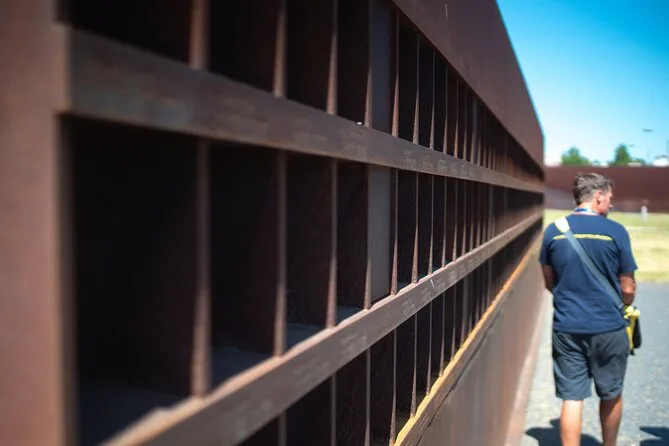
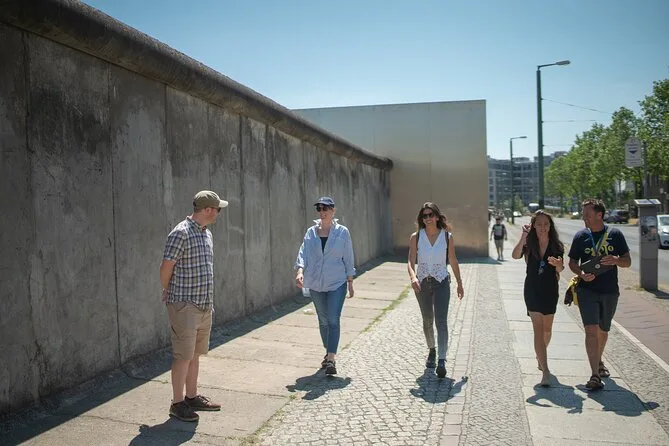
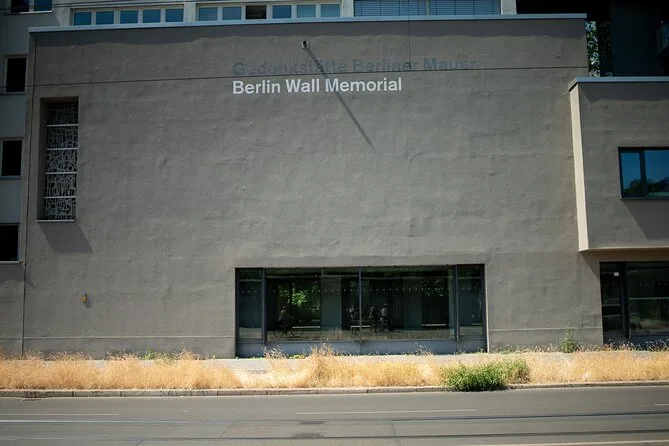
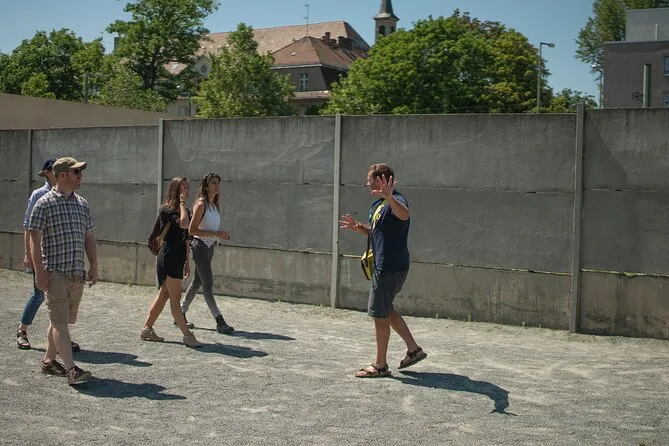
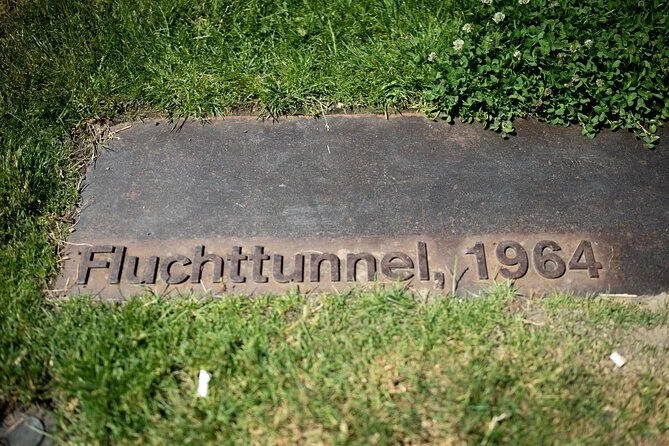
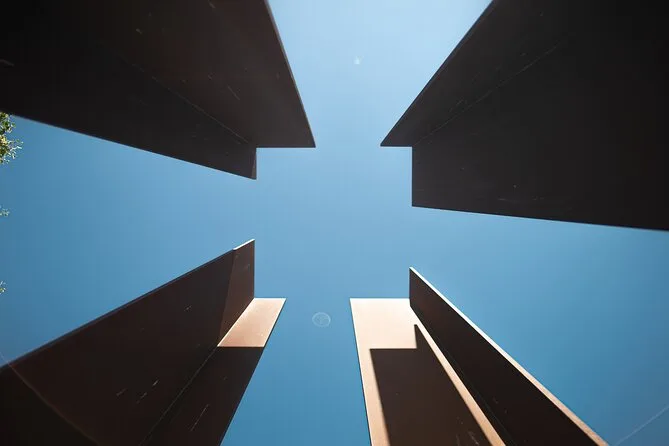
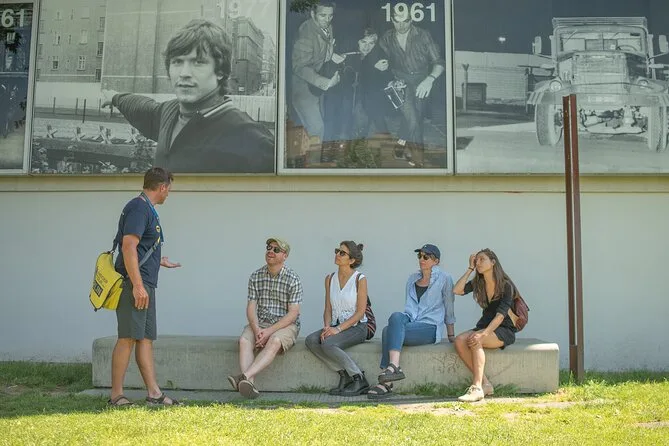
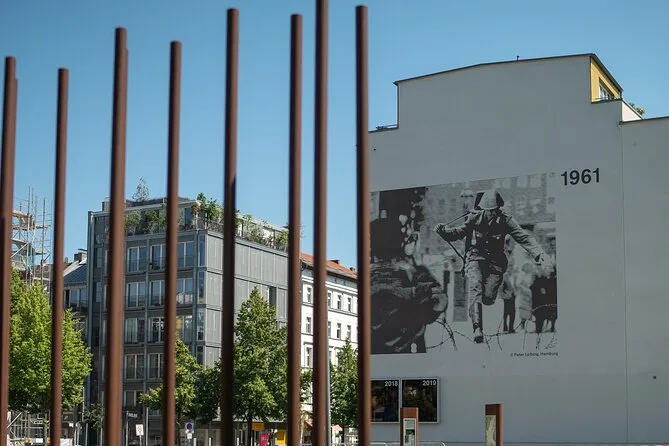
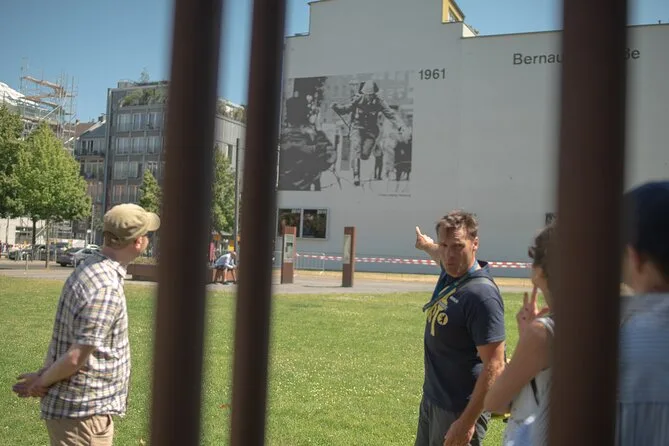
At the Palace of Tears, there were suitcases behind glass and faded photos of people crying—real tears on real cheeks. Thomas let us linger there longer than scheduled (“take your time,” he said), which I appreciated more than I expected. Someone asked about escape tunnels and he just nodded toward Bernauer Strasse. That walk along the Berlin Wall Memorial hit different—the wind picked up and you could see school kids running past what used to be the Death Strip. It’s weird how normal life grows around places like that.
The last stop was this small church—the Chapel of Reconciliation—where we sat for a minute in quiet. Sunlight came through rough glass windows; dust floated in the beams. Thomas told us about people who risked everything for freedom, but also about those who stayed behind. I kept thinking how easy it is to forget these stories if no one bothers to tell them out loud.
 3h
3h

Step-by-step itinerary
Day 1 — Explore Cold War Berlin history
- Meet at Friedrichstrasse Train Station
- Overview of the Cold War tour
- Ride the ghost train underground
- See East German Political Party founding site
- Visit the Place of Tears museum
- Ghost train ride to Nordbahnhof
- Explore Bernauer Strasse Wall Memorial
- Visit the Church of Reconciliation

Top questions

Where does the Cold War Berlin walking tour start?
The tour begins at Friedrichstrasse Train Station in central Berlin.
Is this tour wheelchair accessible?
Yes, all areas and transportation options are wheelchair accessible.
How long does the walking tour last?
The tour lasts approximately three hours.
What main sites are included on this Cold War tour?
You’ll visit Friedrichstrasse Station (Palace of Tears), ghost stations on the S-Bahn, Bernauer Strasse Wall Memorial, and Chapel of Reconciliation.
Do I need a public transport ticket?
Yes, please bring a valid Berlin Transport AB Zone ticket for travel during the tour.
Is lunch or food included?
No meals are included; comfortable shoes are recommended due to walking involved.
Are strollers or prams allowed?
Yes, infants and small children can ride in a pram or stroller during the tour.
Will we have a local guide throughout?
Yes, an expert local guide leads the entire experience from start to finish.

What’s included
Your day includes an expert local guide leading you from Friedrichstrasse Station through key Cold War sites like ghost stations and preserved sections of the Berlin Wall; you’ll need to bring your own AB Zone transport ticket for short rides between stops. All areas are wheelchair accessible and strollers are welcome throughout.
 Super deal
  Free booking, free cancellation.
  Don't lose your place.


 Do you need help planning your next activity?
  +507 6792-0894


