
Papeete Walking Tour: Tahiti History & Culture


Walk the streets where Papeete emerged in 1818, from the market stalls to the colonial Town Hall.
A two-hour guided walking tour of Papeete, Tahiti, led by a local guide in English or French, covering the market, Town Hall, Territorial Assembly and surrounding neighborhoods. The route includes three itinerary options: the back of the city with street art and religious schools, the center with Notre Dame Cathedral and government areas, or the seafront with the port and Pā'ofa'i garden. The tour ends at Tu Marama Place on the waterfront near restaurants overlooking Moorea Island. Tours are customizable and wheelchair accessible.
 2h
2h

Step-by-step itinerary
Explore Papeete's history and culture
- Visit the traditional market place
- Learn about colonial architecture at Town Hall
- Access garden at Territorial Assembly

The Experience
Two hours on foot through Papeete starts at the Papeete Market, where the guide walks you through the stalls and explains what the market means to island life. From there you move to the Town Hall, a colonial-era building whose architecture and history frame how the city took shape. The Territorial Assembly comes next—when it's open, you can step into its garden, standing in one of the centers of Tahitian political life and on the former lands of Queen Pomare IV.
After the core stops, you choose which direction the walk takes. One option heads to the back of the city, where you'll see street art and religious schools that shaped the community. Another stays in the center around Notre Dame Cathedral and the government quarter. The third follows the seafront past the port and into Pā'ofa'i garden. Whichever route you pick, the tour wraps up at Tu Marama Place on the waterfront, where two restaurants face the bay and Moorea Island across the water.
Your guide is a local who knows Papeete's popular and forgotten stories alike—the kind of knowledge that takes more than a minute to share. The tour is built to be customized, so if a particular neighborhood or building interests you, the route can shift. Wear shoes for walking, bring a hat and sunglasses, and carry water; the guide is included, and so are all taxes and fees.

What’s included
- Two-hour guided walking tour with a local guide in English or French.
- access to the Papeete Market, Town Hall, and Territorial Assembly garden.
- all taxes, fees and handling charges.
Operated by FAATI CITY
Is this one for you?Book this tour if you want to understand Papeete's real history and identity beyond the surface—a local guide who knows the forgotten stories makes the difference between a quick walk and an actual education about how the city came together.
Traveler reviews
Compare the 5 similar options
 Papeete Walking Tour: Tahiti History & Culture★ 4.80 (95)2hEN · FRUS$ 59
 Papeete Food Tour: Raw Fish Breakfast & Market TastingsStart your day in Papeete with a local guide, tasting raw fish in coconut milk, exploring the vibrant market, and sampling childhood snacks. Includes tastings.★ 5.00 (106)3h 30mEN · FRUS$ 125View ›
 Tahiti 4x4 Safari: Mountain waterfalls & natural poolsPrivate 4x4 tour through Tahiti's interior with a guide who knows the island's history—stop to swim in natural pools, cross river fords★ 4.69 (551)6h 30mEN · FRUS$ 138View ›
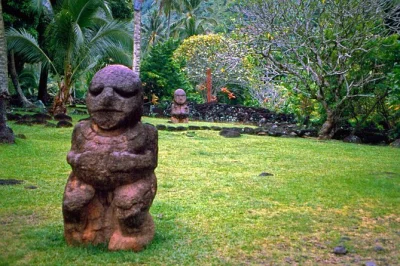 Tahiti Private Island Tour: Waterfalls & Black Sand BeachPrivate 5-hour Tahiti island tour for up to 6 people. Visit Faarumai Waterfalls, Maraa Grotto, Vaipahi Gardens, Venus Point lighthouse and black sand beach with guide.★ 4.99 (238)5hEN · FRUS$ 360per groupView ›
 Tahiti Safari 4x4: Mana Road Crossing & River SwimmingCross Tahiti's interior by 4x4 truck on the Mana Road with river swimming, waterfall stops, and fruit tasting. Private pickup, certified guide, full day.★ 4.91 (542)7h–8hEN · FRUS$ 141View ›
Top questions
What is the Papeete Market like, and what will I learn there?
The Papeete Market is the traditional heart of the city, and your guide will walk you through the stalls and explain what the market means to island life and Tahitian culture.
Can I choose which neighborhoods to visit on this tour?
Yes, the Papeete walking tour offers three itinerary choices: the back of the city with street art and religious schools, the center with Notre Dame Cathedral and government areas, or the seafront with the port and Pā'ofa'i garden. The route can also be customized based on your interests.
What is the Territorial Assembly, and can I go inside?
The Territorial Assembly is one of the centers of Tahitian political life and sits on the former lands of Queen Pomare IV. When it's open, you can access the garden and see this important local institution firsthand.
How long is the walk, and what should I bring?
The tour runs two hours and covers several neighborhoods on foot. Wear comfortable walking shoes, bring a hat or cap and sunglasses, and carry a bottle of water.
What languages does the guide speak?
The guide leads the tour in English or French, so you can choose the language that works for you.
Where does the tour end?
The Papeete walking tour ends at Tu Marama Place on the seafront near two restaurants facing the bay and Moorea Island, so you can grab a meal or a drink after the walk if you'd like.
Papeete Walking Tour: Tahiti History & Culture
2h · EN · FR
from US$ 59 per person
★★★★★★★★★★4.8095 reviewsVerified traveler reviews via our booking provider
