
Marais & Jewish Quarter Paris: 2.5-Hour Private Walking Tour
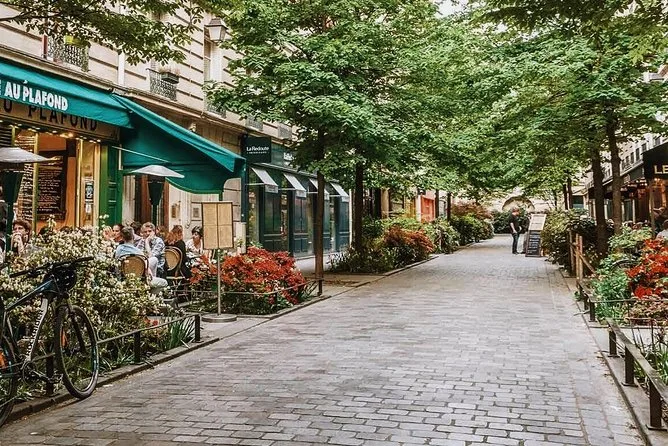
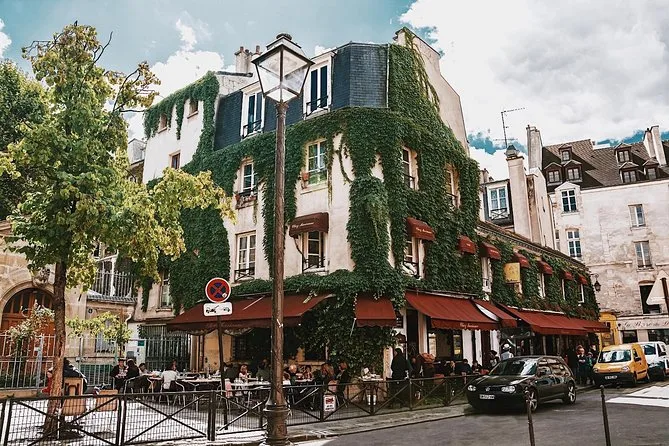
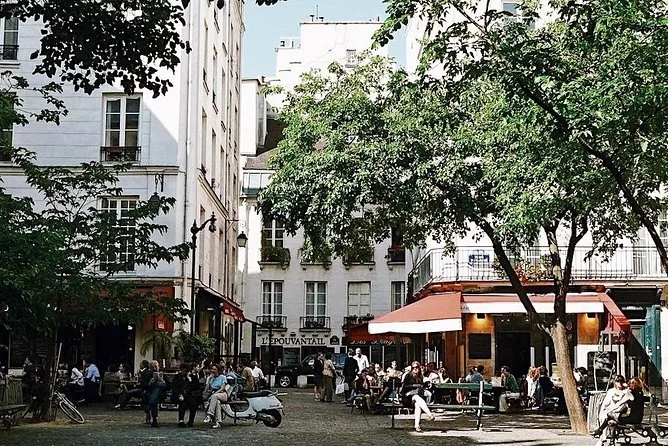

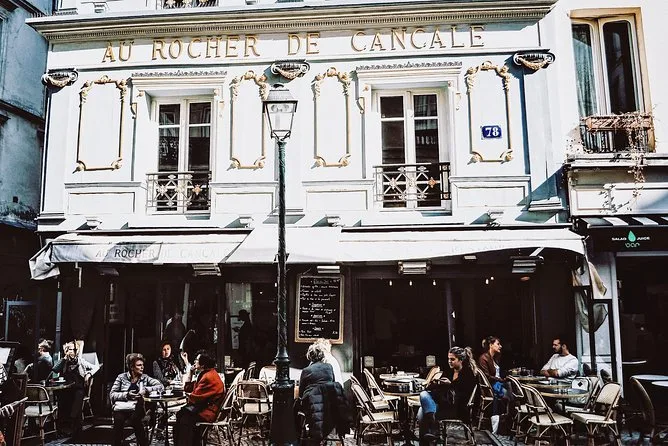

The Marais's Hidden Courtyards and 400 Years of Paris History
You walk through 2.5 hours of the Marais with a private guide who knows the courtyards, mansions, and Jewish Quarter history that most visitors miss. You see Place des Vosges, the Hôtel de Sully, Musée Carnavalet, Centre Pompidou, and the Hôtel de Ville without arranging transport or timing yourself. The route stays the same rain or shine, and the guide handles the navigation so you can focus on the streets themselves.
 2h 30m

Step-by-step itinerary
Explore Marais and Jewish Quarter highlights
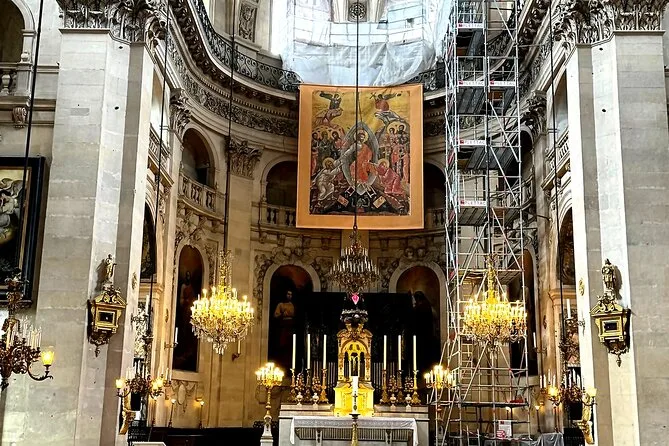
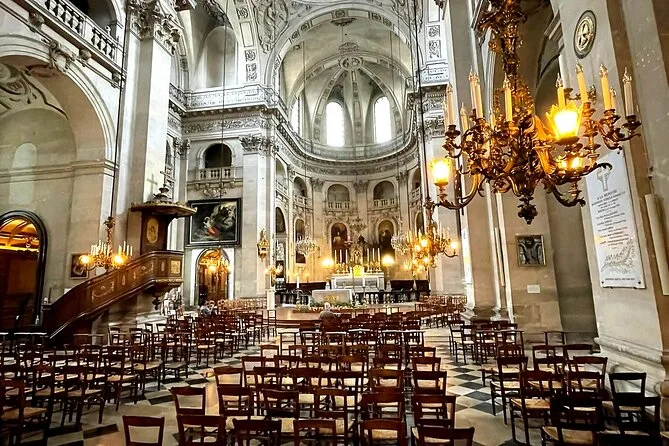
- Visit St-Paul-St-Louis church
- Pass by Hotel de Sully
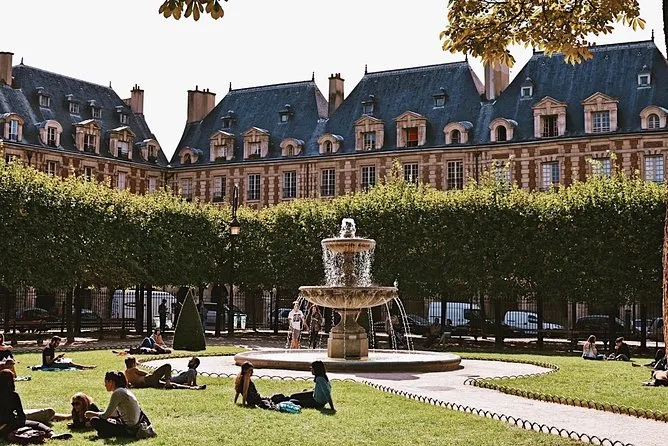
- Stroll Place des Vosges
- Walk along Rue des Francs Bourgeois
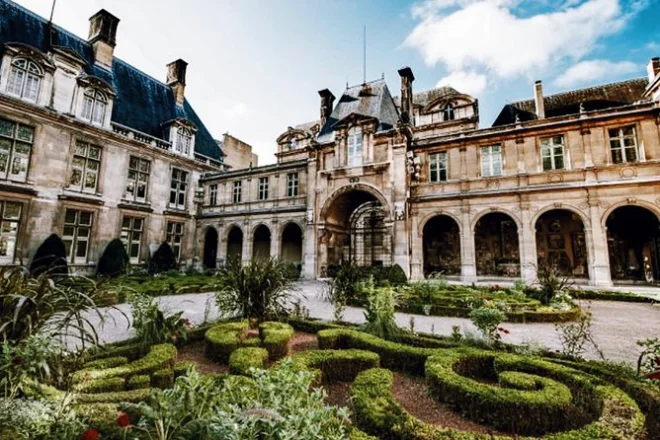
- See Hôtel and Musée Carnavalet
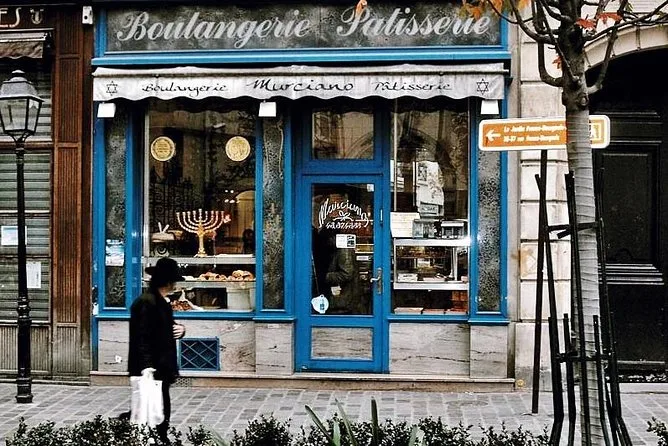
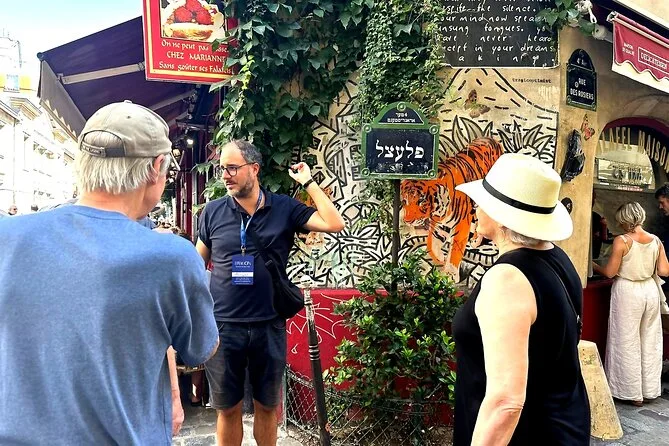
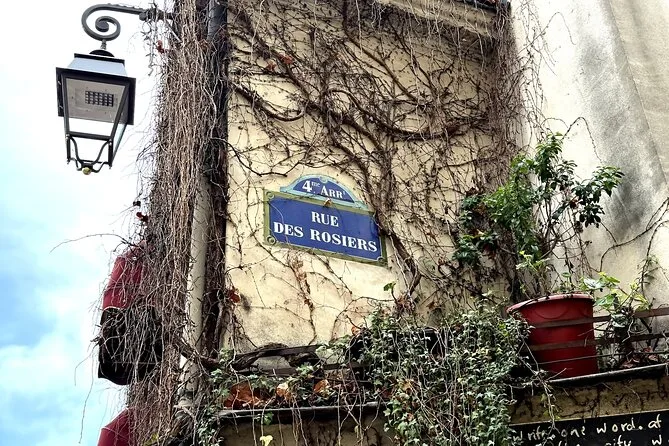
- Walk along Rue des Rosières
- Visit Jardin des Rosiers garden
- Explore Centre Pompidou exterior
- End at Hôtel de Ville
- View Église Saint-Gervais Saint-Protais

The Experience
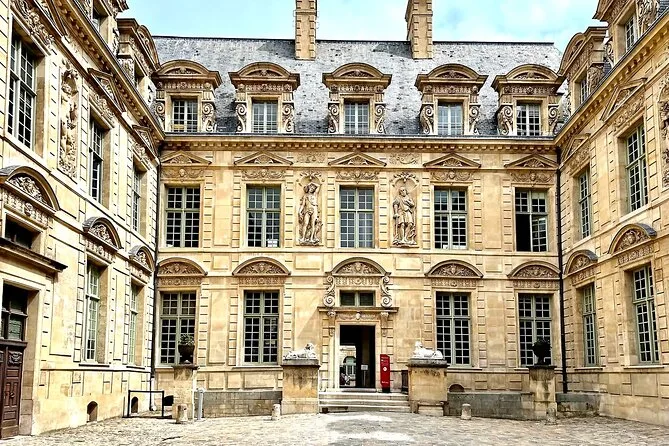
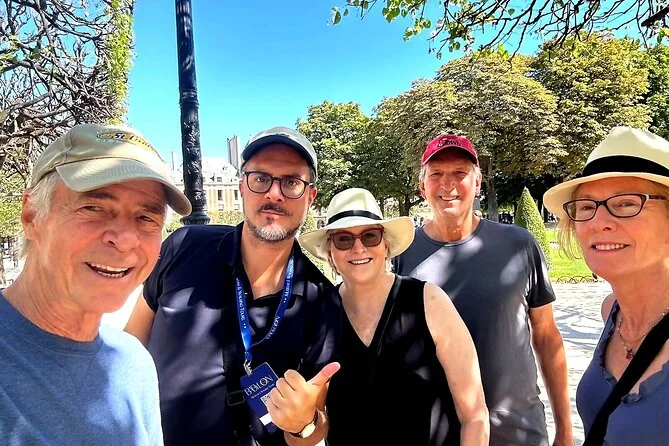
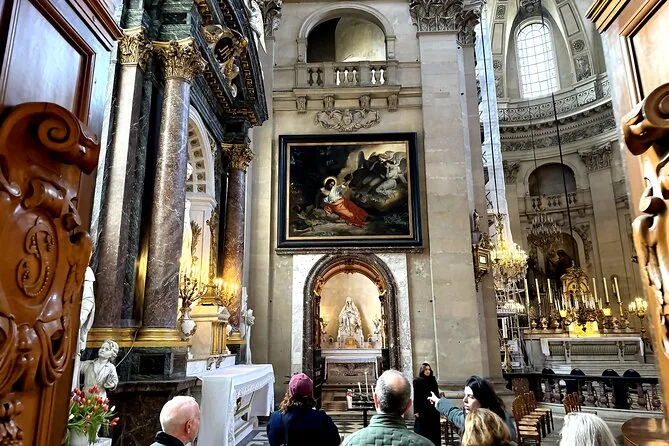
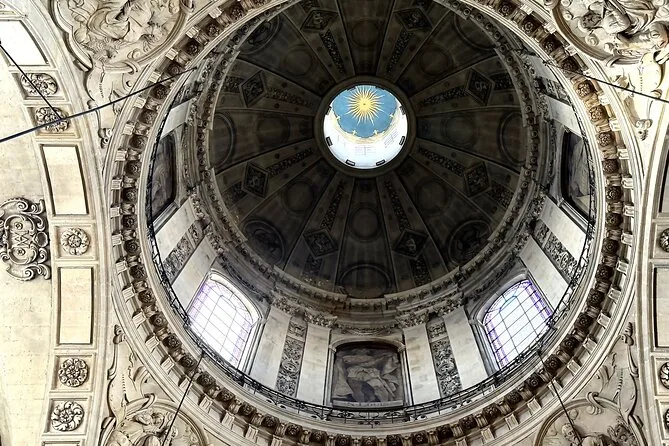
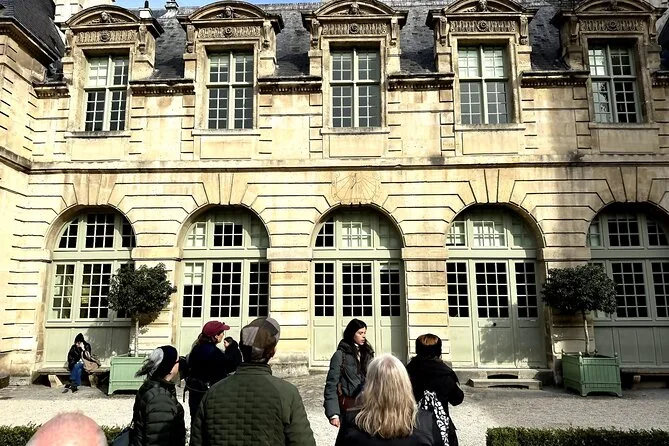
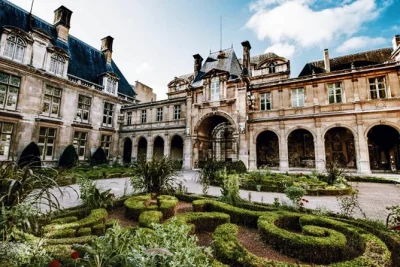
Your guide is supposed to meet you at a specific corner, but the street is narrower than the map suggested and there's a market stall in the way. You text, they text back — and then you spot them. This is how the Marais walking tour starts: a little disoriented, standing in front of the Church of Saint Paul and Saint Louis, a 17th-century Jesuit church built in the style of Rome's Gesù. The guide points out the courtyard of the Hôtel de Sully across the way, a Renaissance mansion from 1624 with Baroque details that somehow survived centuries of Paris reshaping itself around it. You're already inside the 3rd and 4th arrondissements without quite realizing the transition.
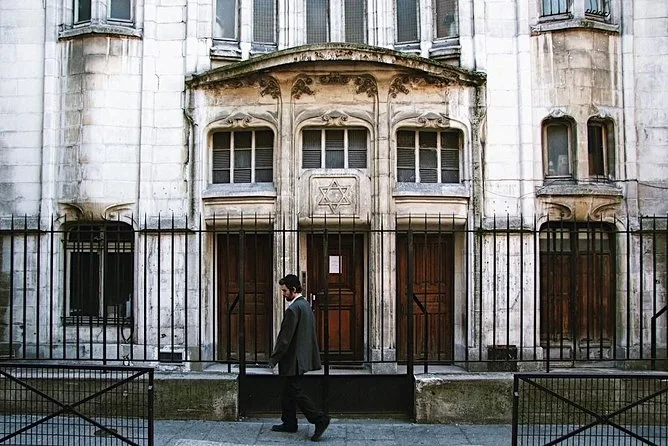
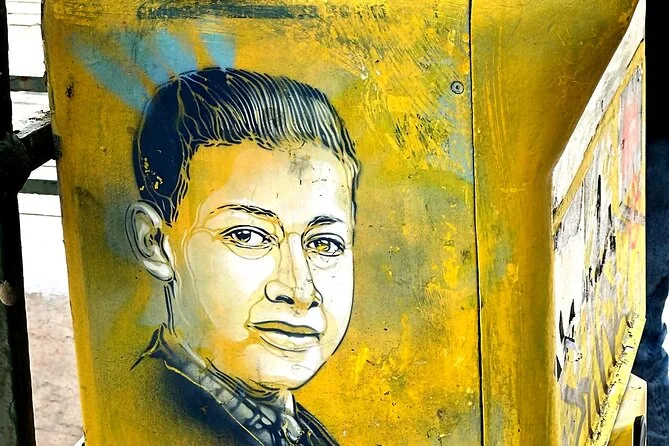
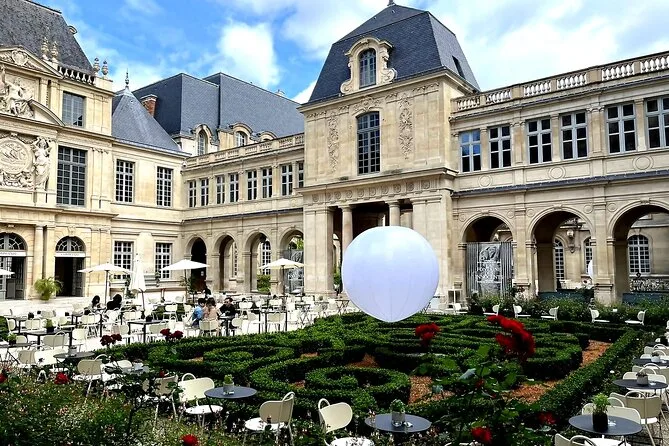
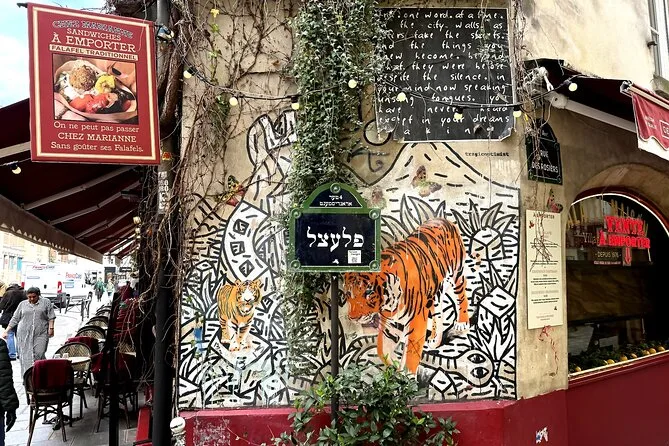
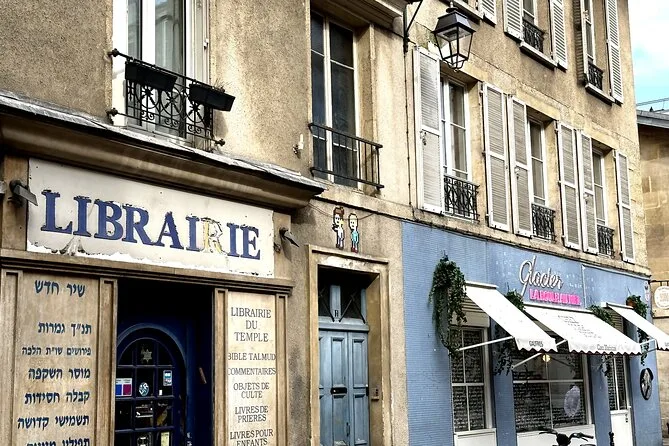
The tour moves through Place des Vosges next — the oldest planned square in Paris, with arcaded mansions on all four sides and a garden in the middle that feels like stepping into a 17th-century engraving. Your guide walks you down Rue des Francs Bourgeois, now lined with fashion boutiques but still the spine of the neighborhood, then stops at the Hôtel Carnavalet, a rare example of Renaissance architecture in the city. The Musée Carnavalet sits inside it, a museum devoted entirely to Paris's past — you won't go in on this tour, but the building itself tells the story. Then the route shifts. Rue des Rosières opens up, narrow and quieter, at the center of what was the Jewish Quarter. The Jardin des Rosiers, a small garden tucked between hotels, is named after Joseph Migneret, a school principal who hid students during World War II and was eventually arrested and killed. The guide doesn't linger, but the weight of that detail stays with you as you walk.
The final stretch takes you past the Centre Pompidou, the contemporary museum with its exposed pipes and steel framework — a deliberate shock of high-tech design meant to house art, literature, and culture all in one place. Then you end at the Hôtel de Ville, the city's municipal headquarters since 1357, and catch a glimpse of the Église Saint-Gervais Saint-Protais, the first French Baroque church in Paris. The whole route is walkable, the guide sets the pace, and the 2.5 hours move without feeling rushed. The tour runs rain or shine, so bring an umbrella and comfortable shoes — no large bags allowed, and the streets are tight enough that you'll notice.

What’s included
- Your 2.5-hour tour includes a private guide (or shared guide if you choose the semi-private option) who leads you through the Marais district on foot.
- The route covers the Church of Saint Paul and Saint Louis, the Hôtel de Sully courtyard, Place des Vosges, Rue des Francs Bourgeois, the Hôtel Carnavalet and Musée Carnavalet exterior, Rue des Rosières and the Jardin des Rosiers in the Jewish Quarter, the Centre Pompidou, and the Hôtel de Ville.
- The tour runs in all weather conditions.
- Entry to museums and attractions is not included, and access to synagogues is not available due to security restrictions.
Operated by Babylon Tours Paris
Is this one for you?Book this if you want the Marais's history and hidden courtyards explained by someone who knows the neighborhood, without having to arrange your own route or timing — the private guide means you move at your own pace and ask questions as you go.
Traveler reviews
Compare the 13 similar options
 Marais & Jewish Quarter Paris: 2.5-Hour Private Walking Tour★ 4.94 (223)2h 30mEN · DE +4€ 55
 Paris Marais & Jewish Quarter Walking Tour Max 12 GuestsStep into Paris’ Marais district with a small group, tasting bakery scents, hearing local stories, and exploring hidden courtyards on this guided walking tour.★ 4.95 (438)2h 30mEN€ 55View ›
 Paris Walking Tour: Montmartre, Eiffel Tower & Latin QuarterFeel the pulse of Paris with a half-day walking tour through Montmartre, the Eiffel Tower, and the Latin Quarter. Includes guide and city highlights.★ 4.85 (3,243)4h–5hEN€ 65View ›
 Paris Marais Walking Tour: Jewish Quarter & Place des VosgesWalk the 3rd & 4th arrondissements with a local guide: Rue des Rosiers, Place des Vosges, Hôtel de Ville, and a French merveilleux pastry. Around 2 km at a relaxed pace.★ 4.78 (204)2hEN€ 51View ›
 Paris Fashion Tour: Chanel, Dior & Haute Couture StreetsTour Place Vendôme, Rue Cambon & Rue du Faubourg Saint-Honoré with a fashion journalist. Learn design history, Paris Fashion Week stories, and heritage houses like Hermès, Dior, Balenciaga.★ 5.00 (1)2hEN · DE +1€ 380per groupView ›
 Paris: Notre-Dame Cathedral Guided Tour & Interior AccessTour the exterior with expert narration, then explore inside alone. Choose from group, semi-private (max 12), or private options with English-speaking guide included.★ 4.50 (1,555)1h 10mEN€ 26View ›
 Paris Le Marais: Food Tour with Cheese, Wine & FalafelStart your Paris food tour in Le Marais with 10+ tastings—cheese, wine, pastry, falafel—plus a local guide and lunch. Includes pickup and all food.★ 4.83 (1,247)3h–3h 30mEN€ 89View ›
 Paris: Notre-Dame Cathedral & Ile de la Cité Semi-Private TourStep inside Notre-Dame Cathedral with a small group, wander Ile de la Cité’s medieval streets, and hear stories of Parisian history from a local guide. Includes guided entry.★ 4.71 (99)2hEN€ 107View ›
 Paris Bike Tour: Marais, Latin Quarter & Secret StreetsPedal Paris’ side streets on a small-group bike tour with a local guide. Explore the Marais, Latin Quarter, and Saint Germain. Includes bikes and easy flat routes.★ 4.87 (373)3hEN · DE +4€ 44View ›
 Paris Eiffel Tower Stairs Climb: Skip the Elevator QueueClimb 674 steps to the Eiffel Tower's second floor with a guide. Includes observation decks, landmark orientation, and skip-the-line stairs access. 2 hours.2hEN · FR +1€ 110View ›
 Paris Golf Cart Tour: Private City Ride with Pickup & Flexible StopsRoll through Paris in a private golf cart tour with pickup, local guide, and stops at Montmartre, Sacré-Cœur, and more. Choose your route and pace.★ 4.92 (1,697)1h–10hEN · FR€ 139per groupView ›
 Paris bike tour: Marais, Bastille, Latin Quarter with local guideCycle through Paris neighborhoods on a guided bike tour covering the Marais, Bastille, Latin Quarter and Seine islands — three hours of back streets★ 4.85 (1,354)3h–3h 30mEN€ 45View ›
 Notre-Dame Cathedral Guided Tour: Skip-the-line inside the naveNotre-Dame's Gothic architecture, sacred relics and 850 years of history. Skip-the-line access, wheelchair accessible, 4th Arrondissement.★ 4.53 (230)1hEN€ 75View ›
Top questions
How long is the Marais walking tour?
2.5 hours. The pace is moderate and covers the 3rd and 4th arrondissements.
Is the tour private or in a group?
You can book it as a private tour (guide exclusively for you) or semi-private (shared with others at a lower price). Only the private option is wheelchair accessible.
What do I need to bring?
Comfortable walking shoes, a water bottle, and an umbrella or hat depending on the season. Large bags and suitcases are not allowed.
Does the tour include entry to museums or synagogues?
No. The tour is a walking tour of the exteriors and streets. Synagogues are not accessible due to security restrictions.
What if there's bad weather?
The tour runs rain or shine. Dress appropriately and bring an umbrella.
Can I do this tour in a wheelchair?
Yes, but only if you book the private tour option. The semi-private option is not wheelchair accessible.
What if there are national celebrations or street closures?
The guide will provide an alternative route that still covers all the main highlights. No refunds or discounts are offered in these cases.
Do I need to be very fit for this tour?
You should have at least a moderate level of physical fitness. It's a walking tour through city streets with no major climbs.
What's included in the tour?
A private or semi-private guide for 2.5 hours. Entry fees to museums and attractions are not included.
Why is a mobile phone number required?
The tour operator needs it to confirm your booking and contact you if there are any changes or delays.
Marais & Jewish Quarter Paris: 2.5-Hour Private Walking Tour
2h 30m · EN · DE +4
from € 55 per person
★★★★★★★★★★4.94223 reviewsVerified traveler reviews via our booking provider
