

 +507 6792-0894


Omo Valley tribes: 4-day tour from Jinka with guide




Summary
Four days meeting Omo Valley’s tribes—unexpected moments & real stories
Experience four days exploring Omo Valley’s tribal cultures with a local guide—from Ari pottery lessons near Jinka to lively markets and Kara body painting by the river. You’ll meet Hamar villagers, see Nyangatom necklaces up close, and travel through Mago National Park to visit the Mursi people—a journey full of small surprises you’ll remember long after you leave Ethiopia.

The first thing that happened was my bag’s zipper broke at Jinka airport—right as our guide, Solomon, waved us over with this huge grin. I was still fussing with it when he said, “Don’t worry, we have time,” and somehow that set the tone for the whole trip. We dropped our stuff at Nassa Pension (simple place, but clean), then headed out to meet the Ari tribe. The smell of woodsmoke and something earthy—maybe enset?—hung in the air. I tried to ask one of the women about her pottery (my Amharic is…not great), and she just laughed and handed me a half-finished bowl. It felt rough and cool in my hands. I didn’t expect to feel so awkward and welcome at the same time.
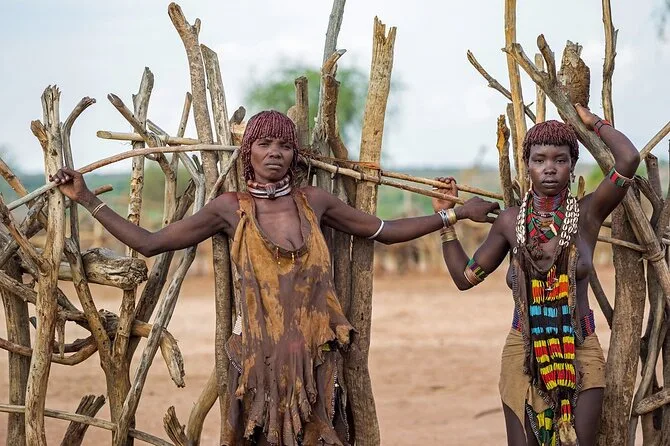
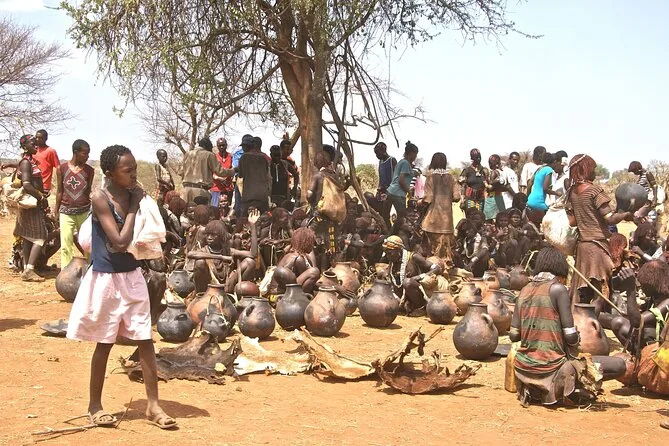
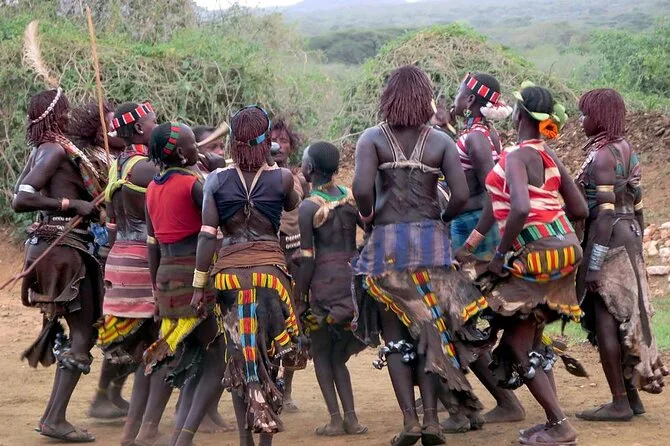
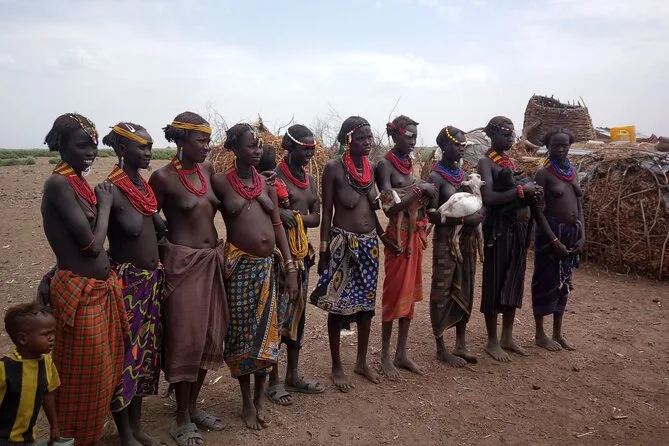
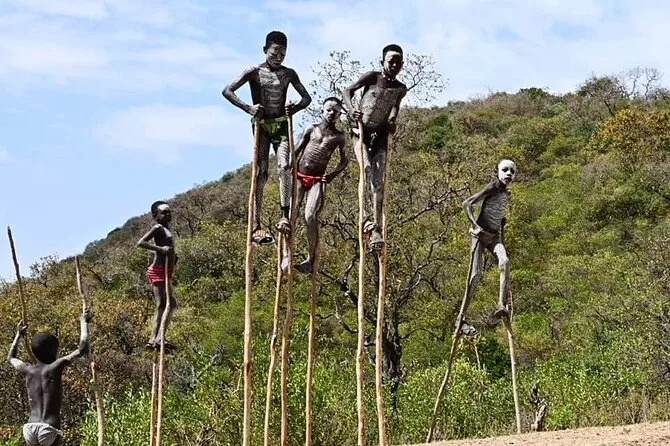
The next morning we drove out of Jinka toward Turmi—three hours of red dust and goats darting across the road. Thursdays mean Key Afer market, so we stopped there; it was loud, bright, packed with people trading everything from sorghum to plastic sandals. Solomon pointed out Bena boys on tall sticks (he called them “stick walkers”), patrolling their fields like stilted sentries. Later that day in a Hamar village, we heard drumming in the distance—someone whispered about a bull jumping ceremony but it turned out not today. Still, seeing how everyone gathered under those thorn trees just to talk or braid each other’s hair…there’s something about how time moves here.
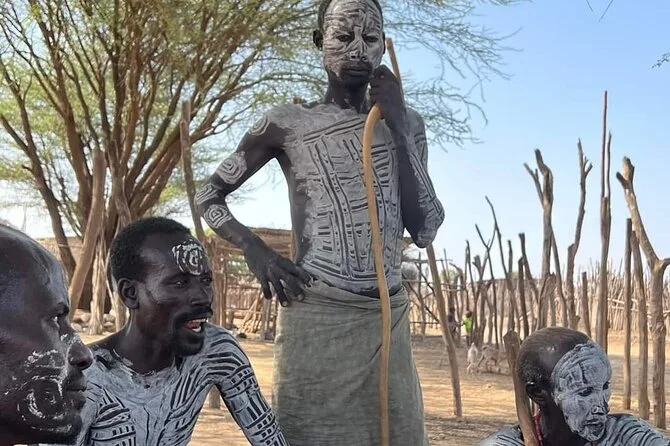
Day three was all about borders—driving toward Kangaten where Ethiopia meets Kenya and South Sudan. The Nyangatom women wore these heavy necklaces that clinked when they moved; one little girl kept peeking at us from behind her mother’s skirt until I waved back and she giggled. Afterward we visited the Kara tribe by the river—their body paint is wild, all white dots and lines against brown skin. Lunch back in Turmi tasted smoky (goat stew?) and I’m pretty sure I’ll never get all that ochre dust out of my shoes.
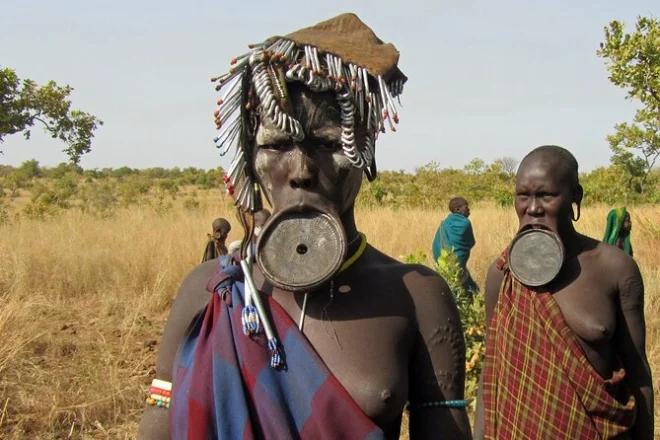
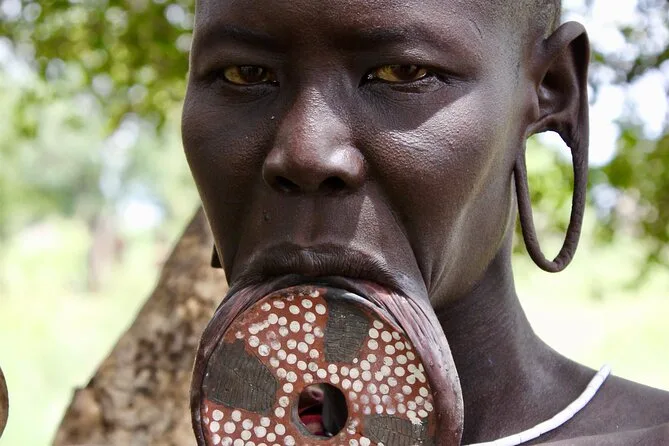
On our last morning we bumped along through Mago National Park to visit the Mursi tribe—famous for their lip plates. It’s strange seeing something you’ve only read about up close; one woman let me hold a plate (it was heavier than I thought). Back in Jinka before leaving, we watched an old documentary at the museum about rites of passage—I caught myself thinking how much more complicated everything is than what you see in photos or quick tours. There’s always more going on beneath the surface here—you know?
 4d
4d

Step-by-step itinerary
Day 1 — Arrival and Ari Tribe Visit
- Pick up and visit Ari tribe village
Day 2 — Drive to Turmi and Hamar Tribe
- Drive to Turmi with tribal market visit
- Visit Hamar tribe and bull jumping
Day 3 — Nyangatom and Kara Tribes Visit
- Visit Nyangatom tribe in Kangaten
- Visit Kara tribe village
- See Bena stick walking boys and drive to Jinka
Day 4 — Mursi Tribe and Departure
- Visit Mursi tribe via Mago National Park
- Visit South Omo Research Center and transfer to airport

Top questions

How long does it take to drive from Jinka to Turmi?
The drive from Jinka to Turmi takes about three hours.
Which tribes do you visit on this Omo Valley tour?
You visit Ari, Bena, Hamar, Nyangatom, Kara, and Mursi tribes during this four-day tour.
Is pickup included for this Omo Valley tribal tour?
Yes, pickup is included from Jinka airport or any location in Jinka town.
Are meals included during the tour?
Breakfast is included each day; other meals are not specified in the inclusions.
What kind of accommodation is provided?
You stay at Nassa Pension or similar hotels in Jinka and Emerald Lodge or similar hotel in Turmi.
Can I see a bull jumping ceremony with the Hamar tribe?
Bull jumping is seasonal; you may witness it if available on your visit day.
Is there a chance to visit local markets during this trip?
Yes, you can visit colorful tribal markets depending on which day you travel through Key Afer, Alduba or Dimeka villages.

What’s included
Your experience includes private transportation throughout Omo Valley with pickup and drop off in Jinka town or airport; guidance from a professional local guide; admission fees for all village visits; three nights’ accommodation with breakfast each morning; plus stops at tribal markets and museums along the way before your return transfer at journey’s end.
 Super deal
  Free booking, free cancellation.
  Don't lose your place.


 Do you need help planning your next activity?
  +507 6792-0894


