
Omo Valley Tour: Indigenous Cultures & Bull-Jumping Ceremony


Six days moving through remote villages, ethnic ceremonies and the Omo River
A six-day cultural tour of Ethiopia's Omo Valley departing from Addis Ababa, visiting multiple ethnic groups—Dorze, Mursi, Hammer, Dassench and Konso—with domestic flights, lodge accommodation, an English-speaking guide and transport in an air-conditioned vehicle. The tour includes village visits, a boat trip on the Omo River, a morning on Lake Chamo watching crocodiles and hippos, and the chance to witness the bull-jumping ceremony if available during your dates.
 6d
6d

Step-by-step itinerary
Day 1 — Flight to Arba Minch and Dorze visit
- Fly to Arba Minch early morning
- Check in and take a short break
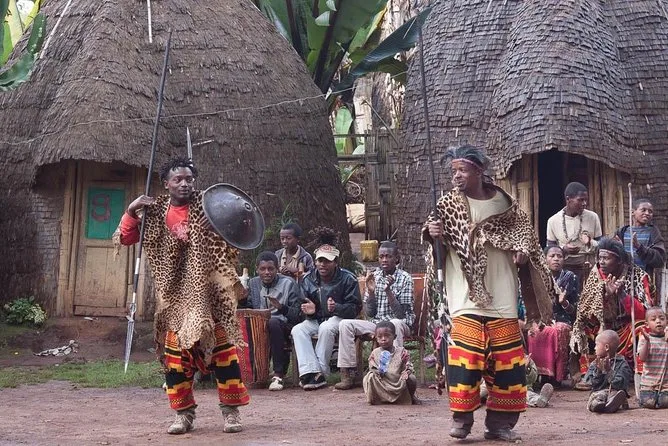
- Visit Dorze village
- Drive back to Arba Minch
- Dinner and overnight at lodge
Day 2 — Drive to Jinka and local visits
- Breakfast in Arba Minch
- Drive to Jinka via Konso
- Lunch at Konso
- Check in at Jinka resort
- Visit Jinka museum and Ari village
- Dinner and overnight at resort
Day 3 — Mursi village and drive to Turmi
- Breakfast in Jinka
- Visit Mursi tribe village
- Drive back to Jinka for lunch
- Drive to Turmi with village visit
- Check in at Turmi lodge
- Dinner and overnight at lodge
Day 4 — Omorate and Hammer tribe excursion
- Early drive to Omorate
- Boat trip on Omo River
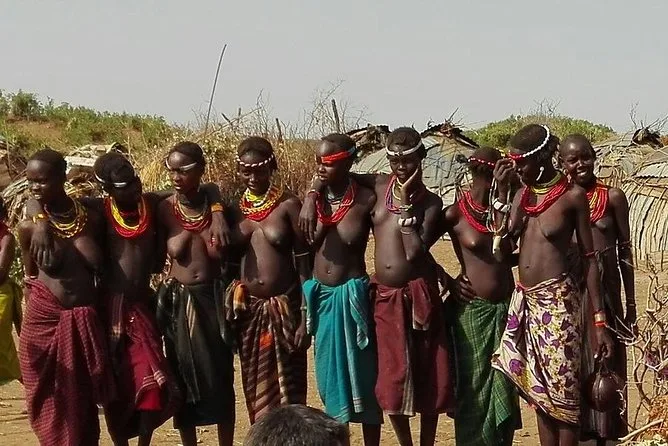
- Visit Dassench village
- Return to Turmi for lunch
- Walk to Hammer village
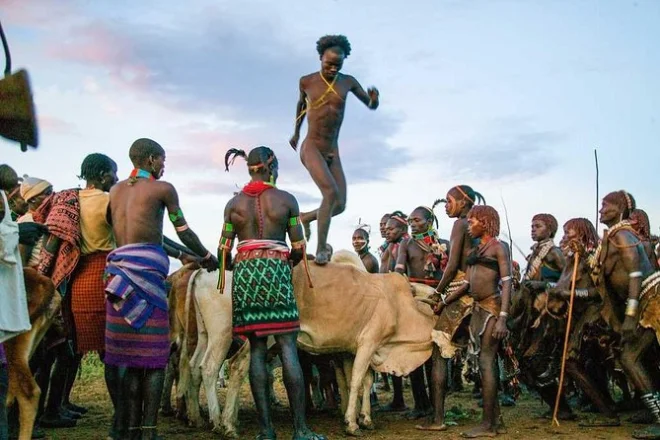
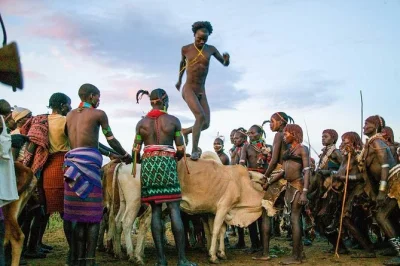
- Explore Hammer tribe and bull jumping
- Drive back to lodge
- Dinner and overnight at lodge
Day 5 — Return to Arba Minch via Konso
- Breakfast in Turmi
- Drive to Arba Minch
- Visit Konso village en route
- Check in at Arba Minch lodge
- Dinner and overnight at lodge
Day 6 — Lake Chamo boat trip and flight
- Breakfast in Arba Minch
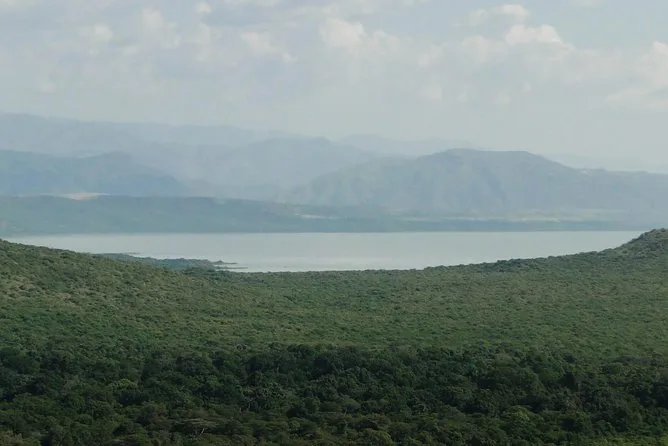
- Boat ride on Lake Chamo
- See crocodiles, hippos, and birds
- Lunch and relax
- Flight back to Addis Ababa
- Shopping for souvenirs
- Farewell dinner with folk dance
- Transfer to airport for departure

The Experience
Six days takes you from Addis Ababa south to Arba Minch by short flight, then overland through the Omo Valley's remote villages. The route moves through four different ethnic territories—each with distinct dress, rituals and ways of life—and ends with a boat trip on Lake Chamo before the return flight to the capital. An air-conditioned vehicle carries the group between stops; a guide who speaks English (and Spanish, Italian, French or another language) travels with you the whole way. Overnight lodges and one resort provide the base; meals happen at your accommodation or en route.
The Dorze village opens the tour with beehive-shaped houses and traditional weaving. From there the route moves to Jinka, where you visit the local museum and an Ari village before heading deeper into the valley. The Mursi people are known for the women's large clay lip plates; a morning drive takes you out to their settlement, then back for lunch. The real draw for many travelers is the Hammer territory around Turmi—the Hammer are famous for elaborate body painting and hairstyles made with clay and vegetable pigments. If the timing aligns and the ceremony is happening, you may witness the bull-jumping ritual in which a young man is initiated into adulthood by jumping across a line of cattle. A boat trip on the Omo River visits the Dassench village from the water side. The Konso people, encountered on the drive back to Arba Minch, are known for their colorful dress and the terraced hillsides recently recognized as a UNESCO World Heritage site.
The final morning brings a boat ride on Lake Chamo to see crocodiles, hippos and birdlife before the short flight back to Addis Ababa. The tour ends with a farewell dinner at an Ethiopian traditional restaurant featuring folk dance and local food and drinks. Pickup from your hotel is included; the domestic flights and any alcoholic beverages are separate costs.

What’s included
- Air-conditioned vehicle for all ground transport.
- English-speaking guide (Spanish, Italian, French or another language available).
- pickup from your hotel.
- five nights' accommodation in lodges and one resort.
- meals at your accommodation.
- village visits to Dorze, Ari, Mursi, Hammer, Dassench and Konso communities.
- boat trip on the Omo River.
- boat trip on Lake Chamo with wildlife viewing.
- farewell dinner at an Ethiopian traditional restaurant with folk dance.
Operated by Simien mountain ethiopia tours
Is this one for you?Book this tour if you want to spend time in remote villages with multiple ethnic groups and their distinct ways of life, rather than a quick circuit of the most famous sites. The six-day pace and overnight stays in the valley let you move slowly enough to observe daily life, attend ceremonies if they're happening, and travel with the same guide and group the whole way through.
Traveler reviews
Compare the 13 similar options
 Omo Valley Tour: Indigenous Cultures & Bull-Jumping Ceremony★ 5.00 (1)6dEN · DE +3US$ 1,712
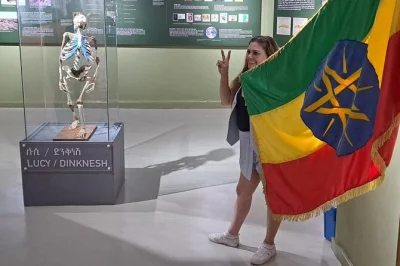 Full-Day Private City Tour of Addis Ababa: Lucy & Mount EntotoPrivate full-day tour of Addis Ababa with expert guide, hotel or airport pickup, and home-cooked Ethiopian meals—see Lucy's fossil at the National Museum★ 4.91 (198)7h–9hEN · DE +2US$ 160per groupView ›
 Addis Ababa to Debre Libanos & Portuguese Bridge Day TripFeel the countryside air on a day trip from Addis Ababa to Debre Libanos, explore the monastery, walk the old Portuguese Bridge, and spot wild Gelada baboons—includes pickup.★ 4.59 (79)6h–8hENUS$ 70View ›
 Addis Ababa city tour: Lucy, Mount Entoto, Mercato & coffeeGuided tour of Addis Ababa with National Museum entry, Mount Entoto views, Mercato market walk and traditional Ethiopian lunch included.★ 4.98 (63)4h–6hENUS$ 56View ›
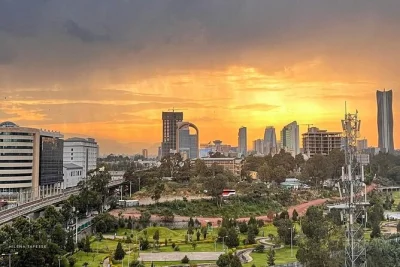 Addis Ababa City Tour: Historic Sites & Local MarketsVisit Addis Ababa's Bata Mariam Church underground crypts, National Museum's Lucy fossil, Mount Entoto's palace, and Ethiopia's largest traditional market with a local guide.★ 4.94 (155)4h–8hEN · DE +3US$ 70View ›
 Debre Libanos & Blue Nile Gorge tour from Addis AbabaDrive through Ethiopian highlands to Debre Libanos Monastery, cross the Portuguese Bridge, descend into the Blue Nile Gorge★ 4.74 (292)7h–8hEN · IT +2US$ 110View ›
 Addis Ababa city tour: Museums, market, Mount Entoto, coffeeGuided tour of Addis Ababa with your choice of National Museum, Mount Entoto viewpoint, Merkato market and traditional coffee tasting★ 4.94 (114)6hENUS$ 90View ›
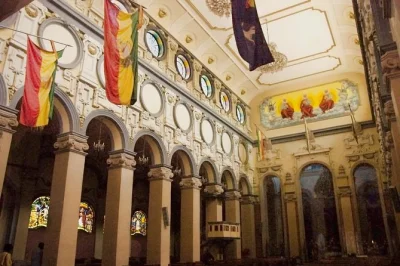 Addis Ababa Tour: Museum, Merkato & Mount EntotoFull-day Addis Ababa city tour with hotel pickup, National Museum entry, Merkato market and Mount Entoto views★ 4.91 (563)6h–7hENUS$ 70View ›
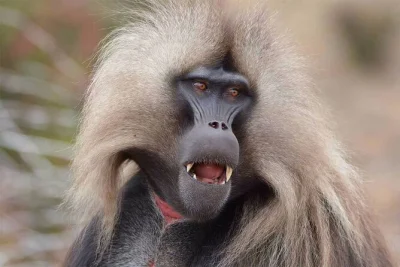 Addis Ababa to Debre Libanos Monastery Day Trip: See the Portuguese BridgeVisit Debre Libanos Monastery, a 13th-century spiritual site near Addis Ababa, with stops at the Portuguese Bridge and Jemma River Gorge on this full-day guided tour.★ 4.92 (355)8h–9hENUS$ 100View ›
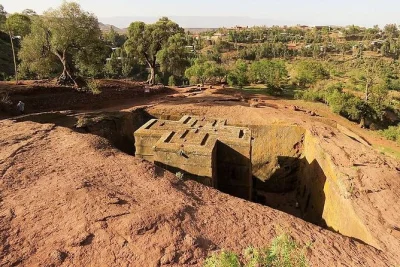 5-Day Lalibela & Danakil Depression Tour: Churches, Volcanoes, Salt FlatsExplore Ethiopia's Lalibela churches & Danakil Depression on a 5-day tour. Walk ancient sites, see lava lakes, salt caravans & local Afar culture.★ 4.71 (14)5dENUS$ 1,200View ›
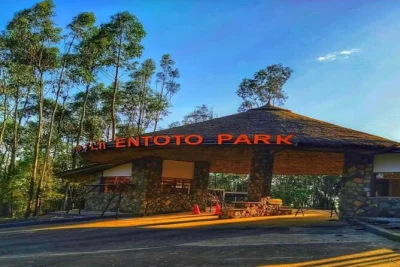 Addis Ababa: Entoto Hill & National Museum with Market TourFull-day Addis Ababa tour covering Mount Entoto, Menelik II Palace, National Museum with Lucy fossil, and Shiro Meda textile market. Includes pickup, lunch, and entry fees.★ 4.98 (164)4h–6hENUS$ 74View ›
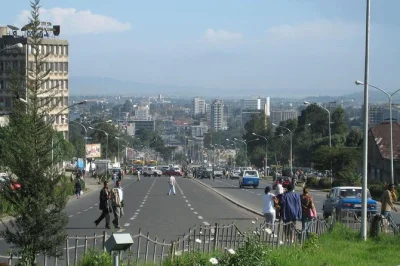 Addis Ababa: City Tour with Lucy Museum & Merkato MarketSeven-hour guided tour of the National Museum (Lucy fossil), Ethnological Museum, Merkato market, and Entoto Maryam Church with hotel pickup and English-speaking guide.★ 4.94 (264)6h–7hENUS$ 60View ›
 Addis Ababa: City Highlights Tour with Merkato & CoffeeFeel the pulse of Addis Ababa—explore Merkato, Entoto Mountain views, historic cathedrals, and end with Ethiopian coffee. Includes pickup and local guide.★ 4.96 (84)4h–5hENUS$ 55View ›
Top questions
What are the Mursi people known for that I'll see on this tour?
The Mursi are recognized for their distinctive cultural practice of wearing large clay plates inserted into the lower lips of women. The tour includes a morning visit to a Mursi village where you can observe this tradition and their broader way of life in the valley.
Will I get to see the bull-jumping ceremony?
The bull-jumping ceremony is listed as an optional excursion during the Hammer village visit near Turmi, and attendance depends on whether the ceremony is happening during your tour dates. Your guide will confirm availability when you arrive in the valley.
How much driving is involved between villages?
The tour covers significant distances by vehicle—270 km from Arba Minch to Jinka, 55 km to the Mursi village, 142 km to Turmi, 75 km to Omorate, and 280 km back to Arba Minch. All travel is in an air-conditioned vehicle with your guide.
What's included in the price besides the guide and lodging?
The tour includes pickup from your hotel, the air-conditioned vehicle for all ground transport, overnight accommodation at lodges and one resort, meals at your accommodation, village visits and the boat trips on the Omo River and Lake Chamo. The domestic flights between Addis Ababa and Arba Minch are not included.
What are the Konso people and their terraces?
The Konso are an ethnic group in the southern valley known for their colorful traditional dress and for the impressive terraced hillsides they have built and maintained over generations. These terraces were recently designated a UNESCO World Heritage site and are visible during the drive back to Arba Minch on day five.
Is there a minimum age for this tour?
Yes, the minimum age is 18 years old. The tour is not recommended for travelers with spinal injuries, pregnant travelers, or those with poor cardiovascular health due to the long driving distances and remote terrain.
Omo Valley Tour: Indigenous Cultures & Bull-Jumping Ceremony
6d · EN · DE +3 · at your hotel
from US$ 1,712 per person
★★★★★★★★★★5.001 reviewVerified traveler reviews via our booking provider
