

 +507 6792-0894


12-Day Ethiopia Tour: Simien Mountains, Lalibela & Danakil



Summary
Simien Mountains Trek, Lalibela Churches & Danakil Adventure
You’ll hike wild escarpments in Simien Mountains, explore Lalibela’s hand-carved churches, watch lava bubble at Erta Ale volcano, and climb to hidden Tigray chapels—all guided by locals who know every shortcut and story along the way.

Landing in Gondar, the air felt cooler than I expected—almost crisp, with a faint scent of eucalyptus from the hills. Our guide met us right at the airport, and within an hour we were wandering through the Royal Compound. The castles here look almost out of place—like something out of a storybook, but with real history etched into every stone. Later, stepping into Debre Berhan Selassie Church, I couldn’t help but stare up at the painted angels on the ceiling. The caretaker told us how close this place came to being destroyed centuries ago. It’s quiet inside, except for the soft shuffle of feet on stone and the occasional bird call drifting in through a window.
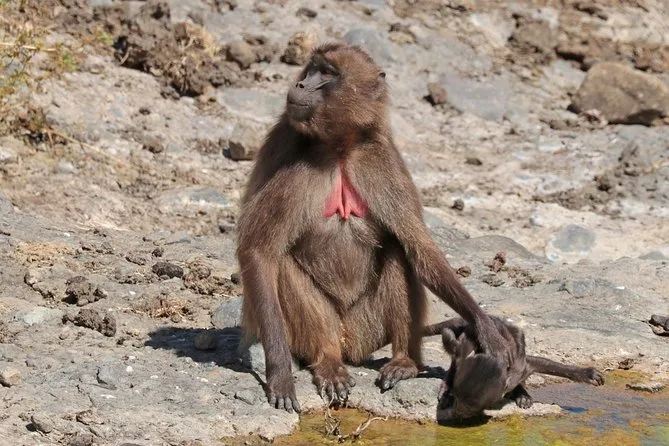
The drive to Simien Mountains National Park was smoother than I’d pictured—paved most of the way. At Debark, we sorted permits and picked up our scout, who knew every twist in the road. The first hike along the escarpment was gentle; we spotted gelada baboons grazing just meters away, their manes catching the late sun. The wind up there carries a hint of wild thyme, and you can hear distant goat bells echoing from below. Nights in camp are cold—bring layers—and the sky is packed with stars you just don’t see back home.
We trekked deeper into the Simiens, following narrow ridges and barley fields to Gich village. Lunch by Jinbar River tasted better after hours on foot—simple bread and spicy lentils, eaten with hands washed in chilly water. There’s a waterfall nearby that drops so far you lose sight of it in mist. In Gich, we were invited into a round hut for coffee—thick, earthy, served with popcorn. The kids giggled at our attempts to speak Amharic. Sunset from Kedadit was unreal: gold light spilling over cliffs and shadows stretching forever east.
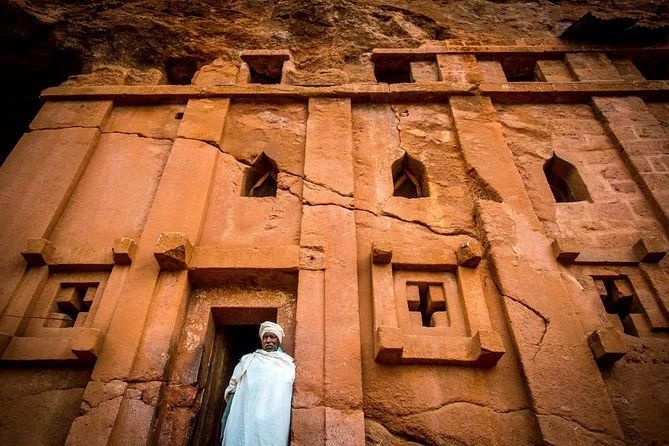
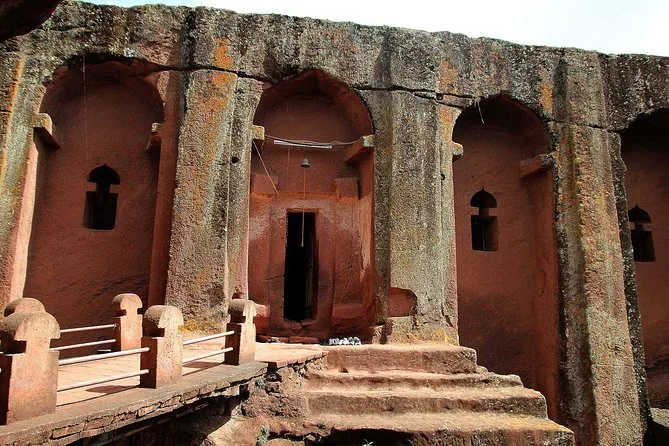
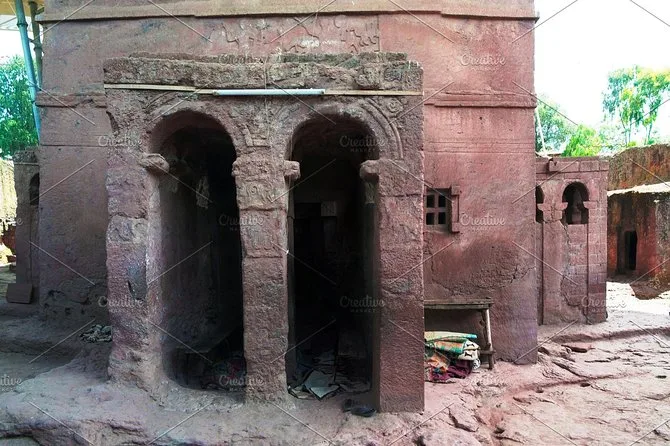
Lalibela was next—a short flight but a world away. The rock-hewn churches are something else; Bet Medhane Alem feels almost impossible in scale when you step inside. Our local guide explained how each church connects through tunnels and courtyards. Bete Giyorgis stands alone, cross-shaped and perfectly carved down into the rock—hard to believe it’s all hand-chiseled. You’ll want to take your time here; there’s always another detail hidden in shadow or behind a doorway.
The drive to Mekele is long (about eight hours), but watching the landscape shift from highlands to dry plains kept me glued to the window. In Danakil, things get real: rough roads, heat shimmering off black lava fields, camels plodding along loaded with salt blocks. We camped near Erta Ale volcano—just before dusk we started hiking up with only headlamps lighting the path. Standing at the rim watching lava bubble below is something I’ll never forget—the heat on your face, sulfur in your nose, and that low rumble from deep underground.
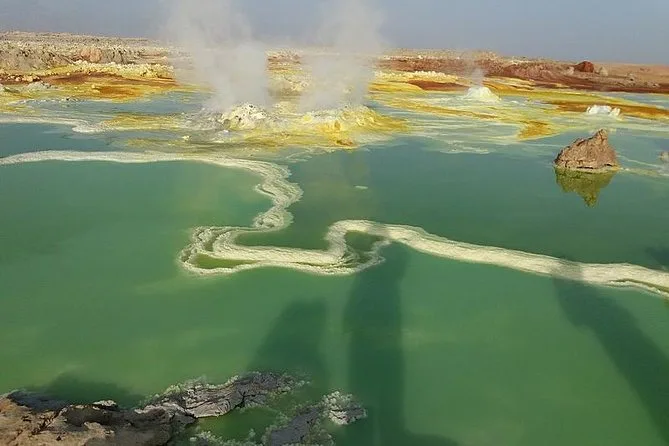
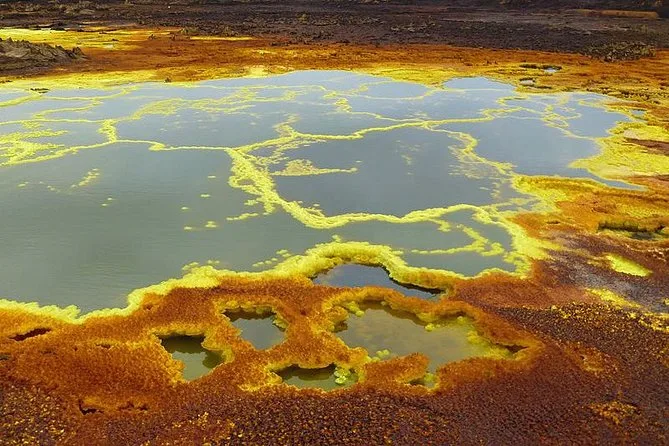
Back down in Hamad Ela village, we woke early to see salt miners at work—men breaking slabs from the earth and loading them onto camels while Afar kids watched us curiously from behind piles of salt bricks. Dallol’s colors are wild: yellow-green pools and rusty orange crusts stretching under a harsh sun. It’s one of those places where you have to squint because everything is so bright.
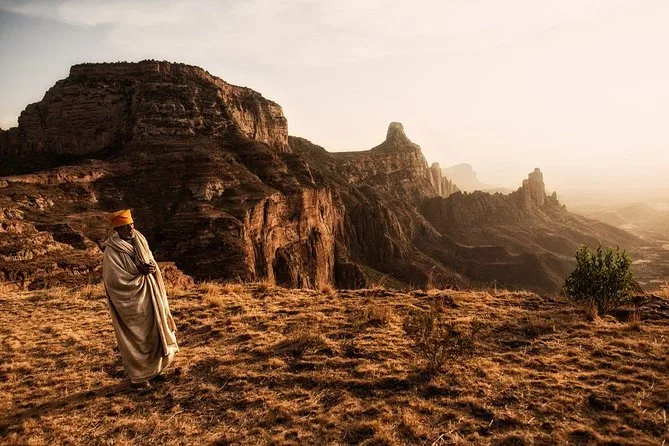
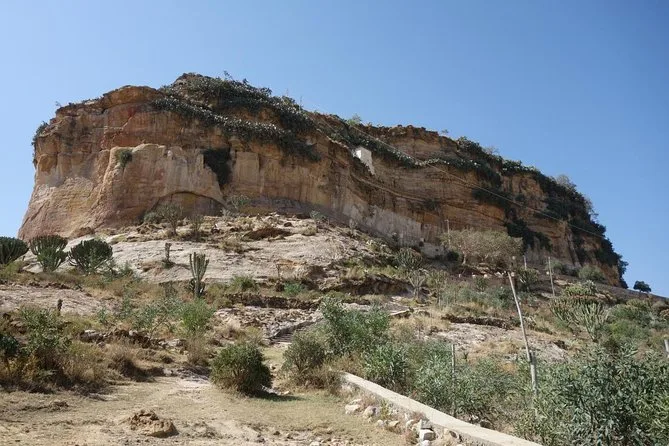
Tigray’s rock churches are not for anyone afraid of heights—I’m not kidding! Climbing up to Abuna Yemata Guh means gripping handholds carved into sandstone while your heart pounds (and yes, there’s a ledge barely wider than your foot). But inside? Frescoes painted centuries ago still glow in the dim light. Maryam Korkor is bigger than I imagined—twelve pillars holding up a ceiling that seems impossibly high for something carved by hand.
Axum wrapped things up: ancient stelae fields dotted with obelisks leaning at odd angles; tales of lost tombs; and St Mary’s of Zion Cathedral where locals believe the Ark of the Covenant rests (though you won’t get close—it’s guarded). The National Museum in Addis Ababa is worth lingering over too—Lucy’s bones are smaller than I thought but seeing them made me realize how deep Ethiopia’s history runs.
 12d
12d

Step-by-step itinerary
Day 1 — Fly to Gondar and City Tour
- Fly from Addis to Gondar and city tour
- Visit DebreBerhan Selassie Church
Day 2 — Drive to Simien Mountains
- Drive to Simien Mountains National Park and introductory walk
Day 3 — Simien Mountain Trekking
- Trek northern escarpment, visit Jinbar River and Gich village
Day 4 — Trekking and Return to Gondar
- Continue trekking and drive back to Gondar
Day 5 — Fly to Lalibela and Church Visits
- Fly to Lalibela and visit rock-hewn churches
Day 6 — Drive to Mekele
- Drive to Mekele
Day 7 — Drive to Hamede Ela and Erta Ale Trek
- Drive to Dodom and trek to Erta Ale volcano rim
Day 8 — Explore Hamd Ela and Salt Flats
- Morning walk around craters and visit Lake Afdera salt flats
Day 9 — Danakil Salt Mining and Dallol
- Visit salt mining, Dallol, Lake Assal and camel caravans
Day 10 — Tigray Churches Day Trip
- Visit Abuna Yemata Guh and Maryam Korkor churches, drive to Mekele
Day 11 — Trek Tigray Churches and Visit Axum
- Morning trek around Tigray rock churches and drive to Axum
- Visit Northern Stelae field, Queen of Sheba's Palace, and St. Mary's of Zion
Day 12 — Fly to Addis and City Tour
- Fly from Mekele and visit Entoto Mountain
- Visit Shiro Meda market and National Museum
- Explore National Museum exhibits including Lucy
- Visit largest market in Africa

Top questions

How tough are the hikes in Simien Mountains?
Most hikes are moderate but do involve some steep sections and high altitude. Our guides adjust pace for everyone’s comfort—you’ll need decent fitness but don’t need to be an expert trekker.
Is it safe to visit Danakil Depression?
Yes—with experienced local guides and scouts who know the area well. The region is remote and hot; hydration and sun protection are key.
What should I pack for this tour?
Bring sturdy walking shoes or boots, layers for cold nights (especially in Simien), sun hat and sunscreen for Danakil, plus basic toiletries and any personal medication.
Are meals included throughout?
Full board is included during Simien Mountains and Danakil sections; elsewhere breakfast is provided at hotels.
Can I join as a solo traveler?
Absolutely! Solo travelers are welcome—you’ll join small groups led by friendly local guides.

What’s included
You’ll get entry fees for all key sights (including Lalibela churches), guided tours by knowledgeable locals, domestic flights within Ethiopia (three routes), all transfers in comfortable vehicles, full board during Simien Mountains and Danakil adventures, hotel stays with breakfast elsewhere, plus all taxes covered.
 Super deal
  Free booking, free cancellation.
  Don't lose your place.


 Do you need help planning your next activity?
  +507 6792-0894


