
Southampton: Private Walking Tour with Historian & Mayflower


Walk Southampton's Hidden Stories with a Historian Who Knows Them
You walk through Southampton's key historical sites (Tudor house, Mayflower Memorial, Titanic engineers memorial, Georgian architecture, and the original Cenotaph) guided by a PhD historian or trained educator who explains how each shaped the city and the world. The tour emphasizes mindful tourism, so you're thinking about the community's story, not just collecting sights. Gratuities included, fully accessible, and paced for understanding rather than speed.
 1h 10m–1h 30m

Step-by-step itinerary
Explore Southampton's historical landmarks
- Hear Tudor house history
- See Mayflower Memorial
- Learn about port and harbour
- Visit Holyrood Church and Dolphin hotel
- See engineers memorial and Titanic history
- View original Cenotaph and WW1 history
- See Isaac Watts statue and conclude tour

The Experience
There's something that shifts when you realize a place you're passing through isn't just a backdrop. It's a story that shaped the world. Southampton has that feeling, and walking through it with someone who actually understands the layers makes the difference. Dr Lillian Cespedes Gonzalez and her team of history educators lead private walking tours that move slowly enough to let things sink in, stopping at the Tudor house, the Mayflower Memorial, the Titanic engineers memorial, and the original Cenotaph that became the blueprint for war memorials across Britain. You're not rushing between checkmarks on a list. You're standing in front of something real and hearing why it mattered.
The tour practices what they call mindful tourism, which sounds like it could be corporate-speak until you realize what it actually means: thinking about how your presence as a visitor affects the community you're moving through, and understanding the history as something that shaped real people, not just dates. You'll see Holyrood Church and the Dolphin hotel (one of the best examples of Georgian architecture in the city), and hear about the port's role as a cruise capital, the Titanic connection, and what World War One meant for Southampton specifically. The guide isn't performing. They're sharing knowledge they've built their career around. It's the kind of tour where you leave thinking differently about the place, not just having seen it.
The walk is wheelchair accessible, prams and strollers work fine, and service animals are welcome. Public transport is nearby if you need it. Gratuities are included, so there's no awkward moment at the end. You can book a private tour, which means the pace and focus are yours. If you want to linger longer on the Mayflower or ask deeper questions about the Titanic's Southampton connection, the guide adjusts. It's built for people who want history to mean something, not just happen around them.

What’s included
- Your private walking tour includes stops at the Tudor house, Mayflower Memorial, Southampton's port and harbour, Holyrood Church, the Dolphin hotel, the Titanic engineers memorial, the original Cenotaph, and the statue of Isaac Watts.
- You'll be guided by a PhD historian or trained educator with a background in history or education.
- Gratuities are included in the price.
Operated by Travelusion Tours
Is this one for you?Book this if you want to understand Southampton's role in world history (the Mayflower, the Titanic, World War One) rather than just walk past the buildings. A PhD historian or trained educator means the stories are accurate and layered, which is what makes a private tour worth the cost.
Traveler reviews
Compare the 13 similar options
 Southampton: Private Walking Tour with Historian & Mayflower★ 4.93 (112)1h 10m–1h 30mEN · ES£ 22
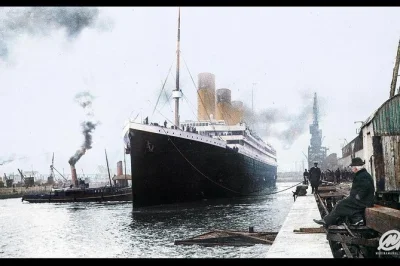 Walk the Secrets of the Titanic: Southampton's Port HistoryWalking tour of Southampton's Titanic history with a local guide covering the port, the Mayflower, QE2 and where passengers stayed before departure.★ 4.81 (467)2hEN£ 16View ›
 Southampton Self-Guided Walking Tour: Riddles & HistorySelf-guided walking tour of Southampton using phone riddles to navigate Tudor House, medieval Watergate Ruin and City Art Gallery, start anytime.★ 4.63 (8)2hEN · NO +23£ 5View ›
 Southampton to London via Cotswolds, Oxford & Pub LunchDay trip from Southampton cruise terminal through Cotswold villages to Oxford for a guided walking tour and lunch at a traditional pub, including Divinity School entry.★ 4.67 (61)10h 30mEN£ 218View ›
 Stonehenge and Salisbury Cathedral Private Tour from SouthamptonPrivate tour from Southampton to Stonehenge and Salisbury Cathedral in a Mercedes sedan with driver, bottled water and air conditioning. Entrance fees separate.★ 4.88 (60)5h£ 430per groupView ›
 Winchester historical walking tour: Romans to literary legendsWalk Winchester's streets with a guide who brings the Romans, Alfred the Great, William the Conqueror, Henry VIII.★ 4.88 (375)2hEN£ 12View ›
 Bath and Cotswolds Day Tour from Southampton: Private GuidePrivate full-day tour from Southampton cruise port visiting Bath's Roman Baths, the Cotswolds villages of Castle Combe and Lacock with a professional guide and hotel pickup.★ 5.00 (19)8hEN£ 329View ›
 Private Historic Southampton Walking Tour: Titanic HeritageTwo-hour private walking tour of Southampton's maritime history and Titanic legacy with a professional local guide.★ 5.00 (1)2hEN£ 337View ›
 Southampton Titanic Secrets GPS Walking Tour GameInteractive GPS walking tour of Southampton following Titanic connections and maritime history.★ 3.00 (2)2h–3h£ 16.34View ›
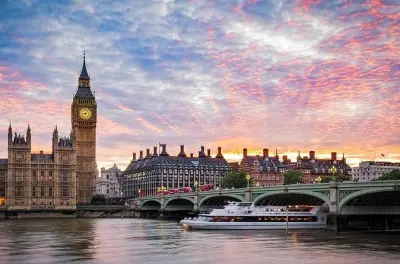 London day trip from Southampton: 10-hour private tourCruise passengers get 10 hours from Southampton port to London with private vehicle, driver and official guide for 4 hours covering Tower of London.★ 5.00 (1)10hEN · FR +1£ 848View ›
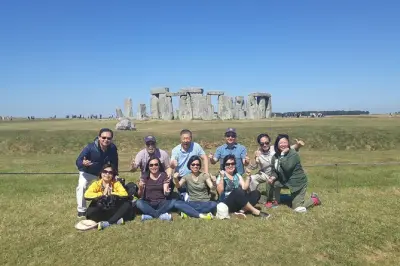 Bath and Stonehenge Day Tour from SouthamptonPrivate full-day tour from Southampton cruise terminal with a professional guide, Roman Baths entry and Stonehenge included.★ 4.94 (17)8hEN£ 375View ›
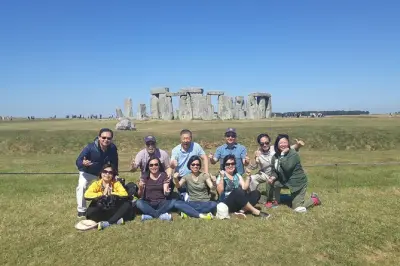 Stonehenge and Salisbury day tour from SouthamptonPrivate day tour from Southampton to Stonehenge and Salisbury Cathedral, with driver-guide and hotel or cruise port pickup.★ 5.00 (4)8hEN£ 295View ›
 Southampton to London Private Transfer: Stonehenge TourPrivate transfer from Southampton with sightseeing at Stonehenge, Windsor Castle and Salisbury Cathedral.★ 4.90 (10)4h–18hEN · DE +3£ 259View ›
Top questions
Is the Southampton walking tour suitable for children?
Yes, infants and small children can ride in a pram or stroller, and the tour is suitable for all physical fitness levels.
Who leads the Southampton history tour?
Dr Lillian Cespedes Gonzalez, a PhD historian, or one of her team members with backgrounds in history and education.
Is the tour wheelchair accessible?
Yes, all areas and surfaces are wheelchair accessible, and transportation options are also wheelchair accessible.
What does the tour include?
The tour covers the Tudor house, Mayflower Memorial, Southampton port and harbour history, Holyrood Church, the Dolphin hotel, the Titanic engineers memorial, the original Cenotaph, and the statue of Isaac Watts. Gratuities are included.
Can service animals join the tour?
Yes, service animals are allowed.
What is mindful tourism?
According to the tour description, it means understanding how the community you are visiting is impacted by you and history: thinking about your presence as a visitor and the real people behind the historical events.
Is there parking or public transport near the tour?
Public transportation options are available nearby.
Southampton: Private Walking Tour with Historian & Mayflower
1h 10m–1h 30m · EN · ES
from £ 22 per person
★★★★★★★★★★4.93112 reviewsVerified traveler reviews via our booking provider