
London: Jack the Ripper Walking Tour with Small Group
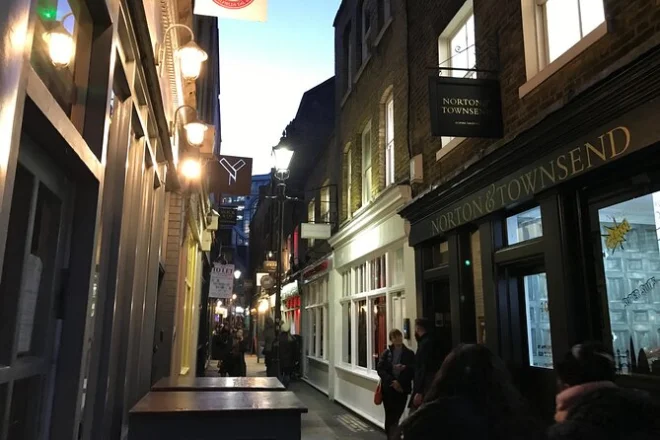
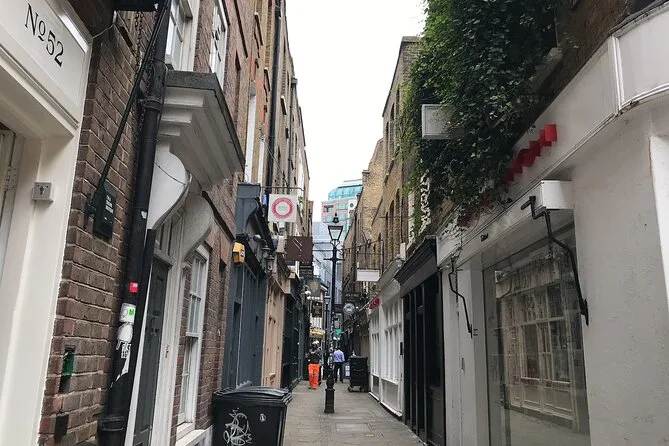
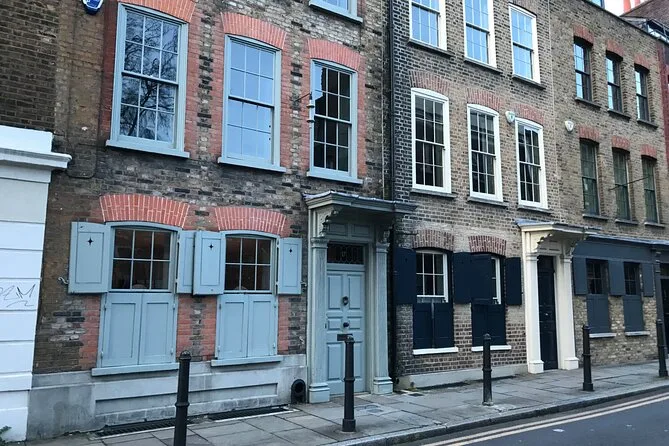

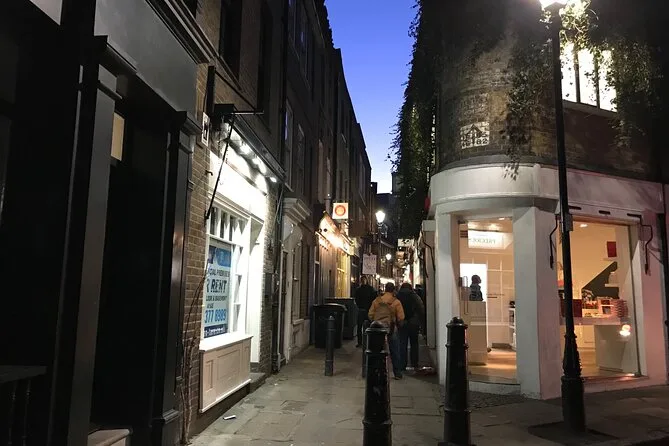
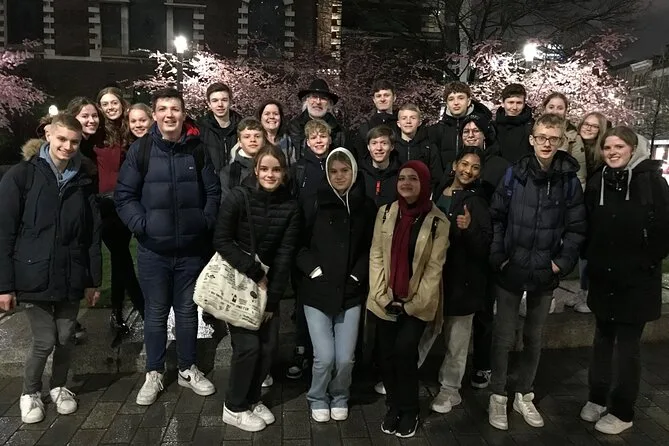

Whitechapel’s secrets, Spitalfields shadows, real stories in London’s night air
You’ll follow your guide through Whitechapel’s narrow lanes with a small group—radio headset included—hearing true stories at each spot where history changed forever. See Spitalfields Market lit up at night, stand outside infamous pubs and churches, and feel London’s past layered beneath your feet. This isn’t just another Jack the Ripper tour—it lingers long after you leave.
 2h 15m

Step-by-step itinerary
Explore Jack the Ripper crime scenes
- Start at Whitechapel Road London Hospital
- Visit Buck's Row crime scene investigation
- Explore Brick Lane and Thrawl Street area
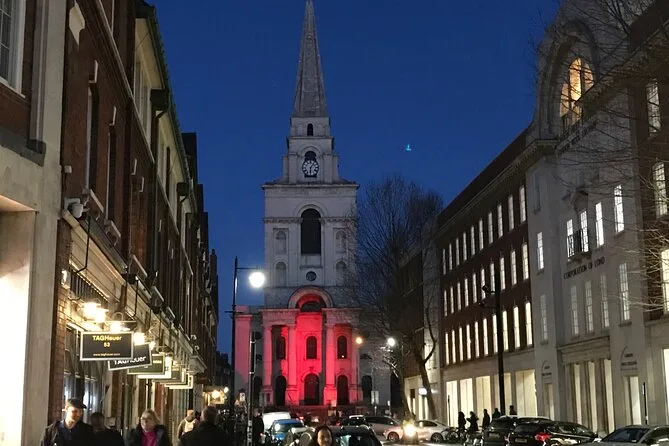
- See Christchurch Spitalfields and Ten Bells Pub
- Visit Old Spitalfields Market
- Explore Spitalfields where victims lived

The Experience
The first thing I noticed was the way footsteps echoed off Whitechapel Road — sharper than I expected, even with the city humming somewhere behind us. Our guide, Steve (he had that dry London humor), handed out little radios and earphones so we wouldn’t miss a word. I fiddled with mine for a second, then just listened as he pointed at the old London Hospital across the street. That’s where Emma Smith died after her attack in 1888. It felt strange standing there, people rushing past on their way home while we were tracing these old stories in the dusk.
Buck’s Row was next — well, it’s called Durward Street now, but Steve still called it by its old name. He described how Polly Nichols became Jack the Ripper’s first victim right there, and honestly, I caught myself glancing over my shoulder more than once. The air smelled like fried onions from a kebab shop nearby. We talked about suspects (there are always more than you think), and Steve pulled up photos on his iPad — not too gory, but enough to make me shiver a bit.
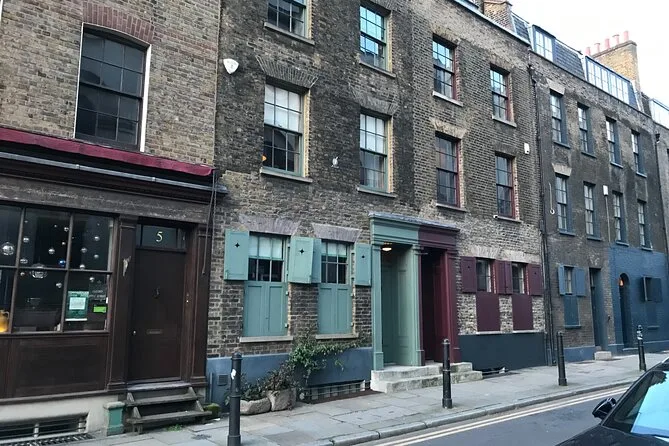
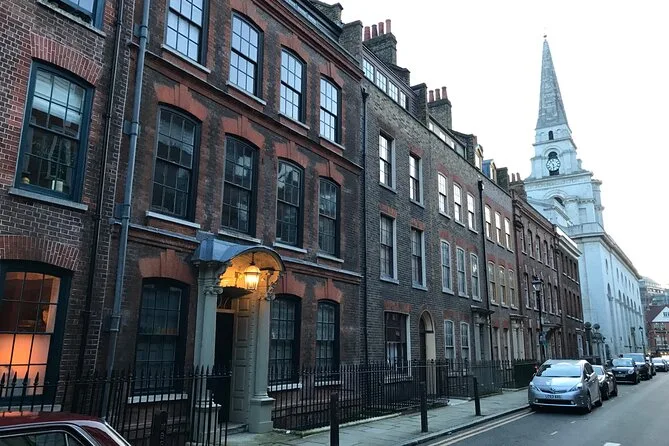
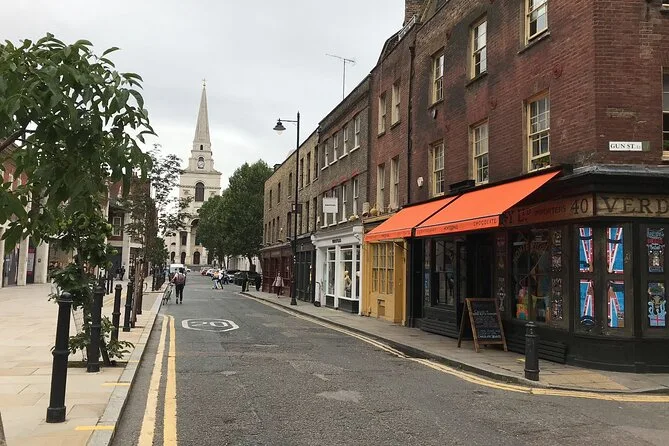
I’d always heard about Brick Lane for its curries (and yeah, you can smell them drifting out of doorways), but I didn’t realize how close all these places were. Thrawl Street and Flower & Dean Street — names that sound almost made-up until you’re actually standing there. Steve explained how Scotland Yard and even an FBI profiler tried to map where Jack lived; it’s weird to think of those modern methods applied to Victorian fog. Oh, and Christchurch Spitalfields is just as imposing as people say — all white stone and sharp angles against the sky. The Ten Bells pub across from it looked warm inside; apparently some of the victims drank there. Makes you look at a pint differently.
We ended near Old Spitalfields Market, which was busy with people eating and laughing under strings of lights. There was something comforting about that after all those grim stories — life going on in places where so much darkness happened before. I still think about Mary Kelly’s story sometimes; Steve said she was different from the others in ways most tours don’t talk about. Anyway, it wasn’t what I expected from a “Jack the Ripper walking tour” — it felt more real somehow, not just ghost stories or cliches. Maybe because we were such a small group and could actually ask questions without feeling silly.

What’s included
Your evening includes use of a radio transmitter and earphones so you never miss a word from your guide—even in busy streets—and an iPad display with historical images to bring each story alive as you walk through Whitechapel and Spitalfields together.
Operated by Richard Walker
Traveler reviews
Compare the 13 similar options
 London: Jack the Ripper Walking Tour with Small Group★ 4.91 (223)2h 15mEN£ 30
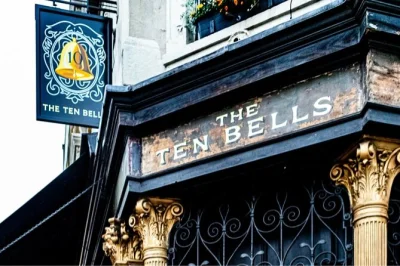 London: Jack The Ripper Walking Tour Whitechapel & Crime SitesJack the Ripper tour of 1888 Whitechapel crime scenes and victim stories with a professional guide. 2-hour tour starts at Aldgate Station.★ 4.96 (419)2h–3hEN£ 14View ›
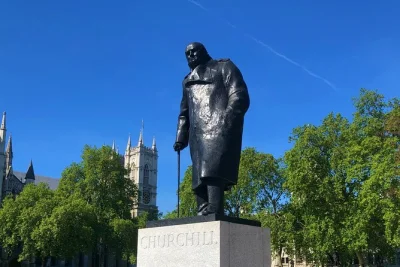 London WW2 Walking Tour & Churchill War RoomsWestminster WW2 walking tour with Churchill War Rooms entry, small groups under 15, local guide. 2–3 hours guided, then self-paced bunker exploration.★ 4.91 (902)3hEN£ 72View ›
 Jack the Ripper Tour London: Whitechapel Walking Tour & SuspectsTwo-hour evening walking tour through Whitechapel with a historian guide. Visit Mitre Square and trace the 1888 crimes through original photographs and evidence. Small groups.★ 4.95 (159)2hEN£ 13.98View ›
 Beatles London E-Bike Tour: Abbey Road, Savile Row & MoreRide a Super73 e-bike through Beatles London with a local guide, hitting Abbey Road Studios, Savile Row and Denmark Street in three hours instead of a walking day.★ 4.33 (3)3hEN£ 60View ›
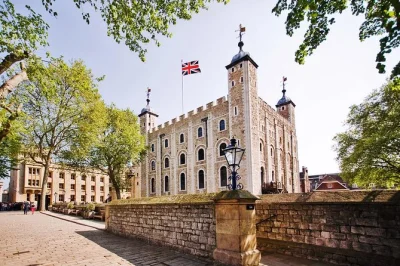 London: Tower of London Crown Jewels & Tower Bridge Early AccessSkip the queues at Tower of London's Crown Jewels with early access. Includes Crown Jewels, White Tower, Tower Bridge Glass Walkway & Engine Rooms. Guided tour.★ 4.76 (767)3h 30mEN£ 149View ›
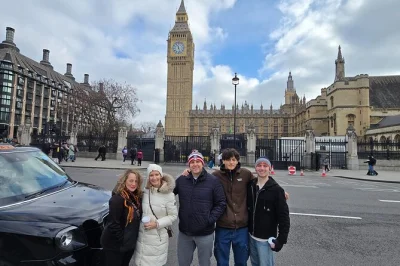 London Black Cab Private Tour: Landmarks, Royal Sights & PickupFeel the pulse of London from a classic black cab, see Buckingham Palace, Big Ben, Borough Market & more with a local driver-guide. Includes hotel pickup.★ 4.94 (587)6hEN£ 414per groupView ›
 London: Westminster Abbey Priority Tour & Cellarium PastriesSit in the medieval Cellarium for coffee & pastries, then step inside Westminster Abbey with priority access and a local guide. Includes small group tour.★ 4.76 (325)2hEN£ 85View ›
 London East End Food Tour: Brick Lane, Bagels & Street ArtStep into London’s East End for a food tour through Brick Lane, street art, bagels, curries, and the famous Humble Crumble—includes tastings with a local guide.★ 4.96 (1,898)3h 30mEN£ 89View ›
 Frida Kahlo Exhibition Tour at Tate Modern LondonOver 30 Frida Kahlo paintings and 200+ works by contemporaries at Tate Modern. One-hour guided tour with expert, groups under 15, admission included.★ 2.39 (23)1hEN£ 49View ›
 London: Churchill War Rooms Tour & WWII Walk Small GroupStep into Churchill’s secret bunker, walk Whitehall’s wartime streets, and hear stories from a passionate guide. Includes timed War Rooms entry and small group size.★ 4.99 (260)2h–2h 30mEN£ 144View ›
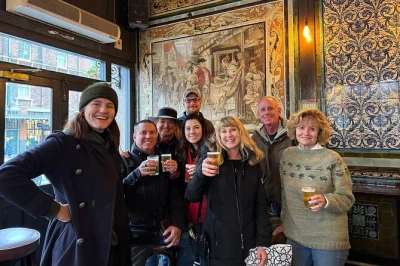 London East End Food Tour: 7 Tastings & Bagels WalkFollow a local guide through London’s East End, sampling bagels, fish & chips, apple crumble, and more. Includes 7 tastings, pub stop, and walking tour.★ 4.96 (270)3hEN£ 180View ›
 London: Churchill War Rooms Tour & Wartime Walk Small GroupStep into Churchill’s secret London on a guided tour from Parliament Square to the War Rooms, with reserved entry and stories you won’t find in guidebooks.★ 5.00 (107)2h 30mEN£ 144View ›
Top questions
Where does the Jack the Ripper walking tour start?
The tour starts at Whitechapel Station in London.
How many people are on each Jack the Ripper small group tour?
Group size is strictly limited; you won’t be following 35 or 40 people.
Is audio equipment provided during the tour?
Yes, each guest receives a radio transmitter and earphones to hear the guide clearly.
Which locations are visited on this Jack the Ripper walking tour?
You’ll visit Whitechapel Road, Buck's Row (Durward Street), Brick Lane area, Christchurch Spitalfields, Old Spitalfields Market, and nearby streets linked to the murders.
Are public transportation options available near the starting point?
Yes, public transportation is available near Whitechapel Station where the tour begins.
Is this tour suitable for travelers with limited mobility?
No, it is not recommended for travelers with spinal injuries or poor cardiovascular health; moderate fitness is needed.
Does this day trip include lunch or food stops?
No meals are included; however Brick Lane offers many food options nearby if you want to eat before or after.
Will we learn about both victims and suspects?
Yes, your guide shares details about victims’ lives as well as suspects based on Scotland Yard and FBI profiles.
London: Jack the Ripper Walking Tour with Small Group
2h 15m · EN
from £ 30 per person
★★★★★★★★★★4.91223 reviewsVerified traveler reviews via our booking provider
