
San Salvador walking tour: landmarks & Metropolitan Cathedral
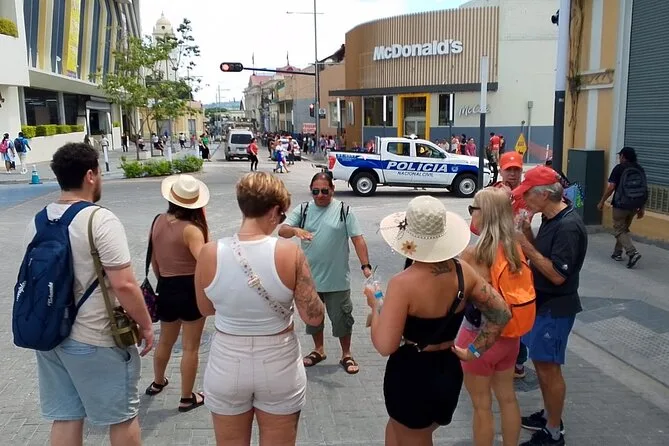
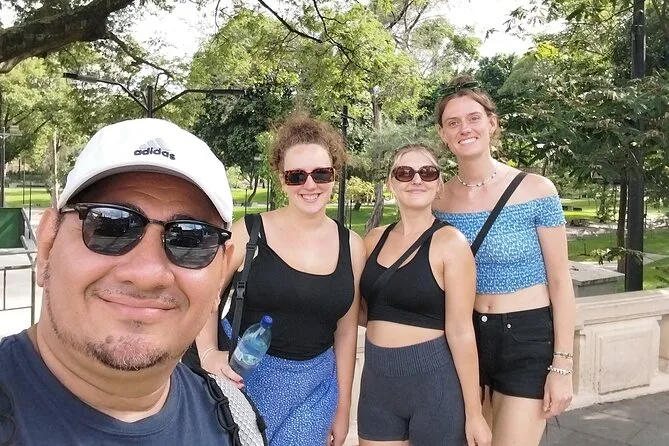
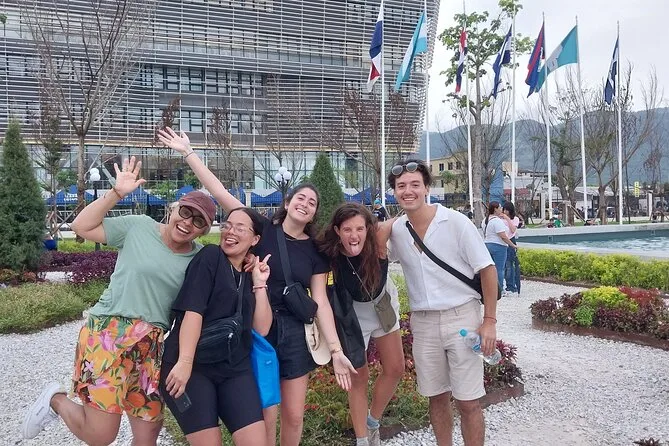

Three hours through San Salvador's plazas, churches and the story behind the name
A three-hour walking tour of San Salvador's landmarks led by a local guide in English or Spanish, covering Parque Cuscatlán, the Basilica of el Sagrado Corazón, the Metropolitan Cathedral and the historic center's recently renovated streets and library. The tour includes entry to churches, parks and plazas, and stops for Salvadoran snacks like pupusas, empanadas and horchata (available on some departures). Children from age 4 are welcome.
 3h
3h

Step-by-step itinerary
Explore San Salvador landmarks and culture
- Meet at Parque Cuscatlán entrance
- Walk through hospital area and university campus
- Visit Basilica of Sagrado Corazón de Jesus
- See street vendors area and Kilometro 0
- Explore Gerrardo Barrios plaza and surrounding buildings
- Learn about National Palace history
- Admire Metropolitan Cathedral and Monsenor Romero crypt
- Visit Morazan plaza and National Palace exterior
- Discover Centro Historico and Kilometro 0 significance
- End tour at the new library and Central American garden

The Experience
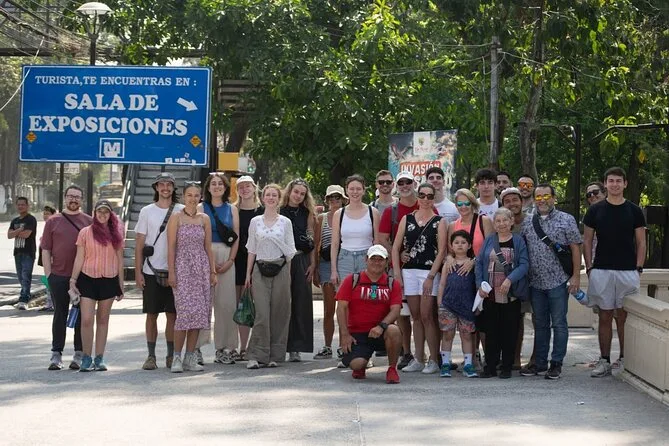
The walk starts at Parque Cuscatlán, where the guide explains how San Salvador has changed since 2017 — the park's role in the city's cultural revival, the new art and music venues, and why the space matters now. From there you move through the hospital district and past a university campus before reaching the Basilica of el Sagrado Corazón, where the guide connects the building to the country's civil war history. The route covers about three kilometers by the end, so comfortable shoes matter.
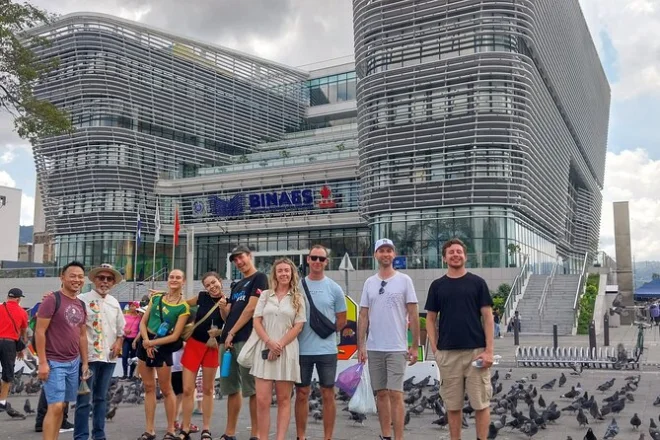
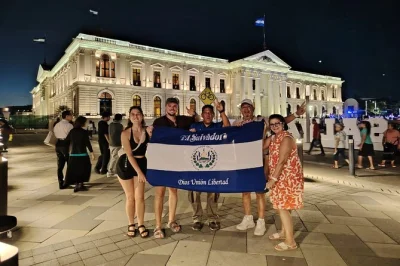
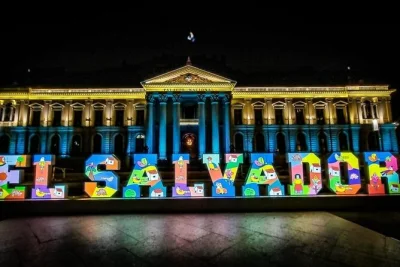
The heart of the tour sits in the historic center, where you'll stand in Gerrardo Barrios plaza and see the National Palace, the Metropolitan Cathedral and the new Central American library all at once. The guide explains why each building was built, what happened inside them — the palace hosted presidential ceremonies since 2019 — and what changed on these streets. The historic center was avoided for years; now the renovated plazas and street vendor markets make it a place to walk and photograph. You'll learn where Monseñor Romero's crypt is inside the cathedral and why the country is called El Salvador.
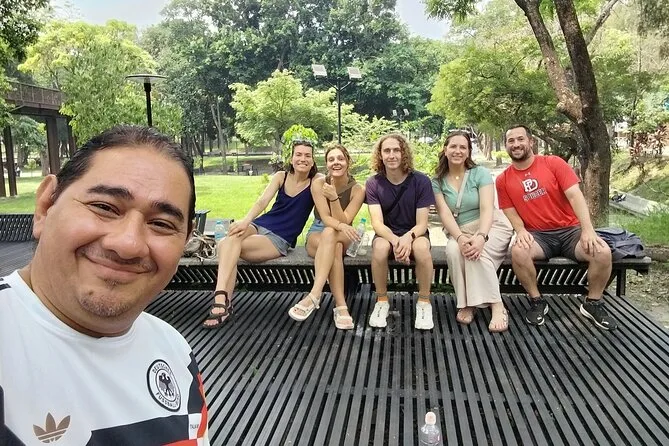
The tour ends at the new library, described as the nicest in Latin America, with air conditioning and views back over the historic center. Next to it sits a Central American garden built in a week with a water fountain. If you drive, parking is available at Mercado Cuscatlán at the start or Estacionamiento Morazán at the end. Public transportation options are nearby if you prefer not to drive.

What’s included
- Entry to churches, parks and plazas.
- the walking tour to all stops.
- a local guide in English or Spanish.
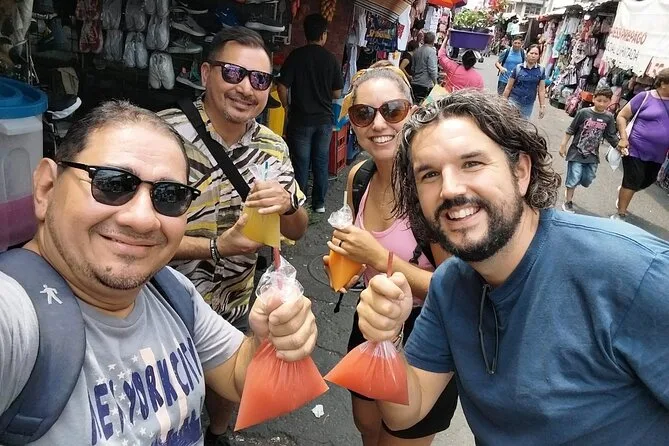
- Salvadoran snacks and beverages on select departures (pupusas, empanadas, quesadillas and horchata).
Operated by Dave Mendez
Is this one for you?Book the Spanish-language tour if you want to hear the guide's full storytelling about the city's history and recent changes; the English option works if you prefer to walk at your own pace of understanding. The tour suits anyone comfortable walking three kilometers over three hours and interested in how San Salvador's center has transformed — not a sprint through highlights, but a stop-by-stop explanation of why each plaza, church and building matters.
Traveler reviews
Compare the 5 similar options
 San Salvador walking tour: landmarks & Metropolitan Cathedral★ 4.95 (183)3hEN · ESUS$ 35
 San Salvador Walking Tour: Civil War Stories & MarketsWalk San Salvador's historic squares, Rosary Church and National Library with a certified guide who lived through the city's transformation from murder★ 4.96 (233)3hEN · ESUS$ 19.99View ›
 San Salvador: El Boquerón Volcano & Historic Center Private TourPrivate tour of El Boquerón volcano crater and San Salvador's historic center with National Palace, Cathedral, and lunch. Includes pickup and specialized guide.7hEN · ESUS$ 135View ›
 Copán Ruins from San Salvador: Full-Day Maya Archaeological TourFull-day Copán Ruins tour from San Salvador with Maya archaeology guide, entry tickets, and round-trip transport. Includes Hieroglyphic Stairway.★ 4.82 (109)12h–15hEN · FR +1US$ 175View ›
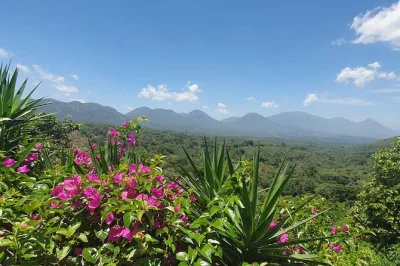 Ruta de Las Flores: Colonial Towns & Coffee Farm Day TripFeel the buzz of Nahuizalco’s market, taste fresh coffee at Entre Nubes, and wander Ataco’s murals on this Ruta de Las Flores day trip from San Salvador with private transport.★ 4.84 (249)8h–9hEN · IT +2US$ 99View ›
Top questions
What is the Metropolitan Cathedral and why does the guide spend time there?
The Metropolitan Cathedral is where Monseñor Romero's crypt is located. The guide explains the significance of this site to El Salvador's history, including the massacre of March 30, 1980, and connects it to why the country carries the name El Salvador.
Can I bring my four-year-old on this walking tour?
Children are welcome from age 4. The tour covers three kilometers over three hours, so consider your child's comfort with walking at that pace.
What food and drinks are included in the tour?
Some departures include Salvadoran snacks and beverages like pupusas, empanadas, quesadillas and horchata; these are excluded from the base price on some options, so confirm at checkout which departure includes them.
How has San Salvador's historic center changed recently?
Since 2017, the historic center has been renovated with new street vendor markets that offer secure selling spaces, parking and food courts. The streets were previously avoided but are now safe to walk and photograph. A new library and Central American garden were added to the area.
Is this tour suitable if I have limited mobility or back problems?
The tour is not recommended for travelers with spinal injuries. It is suitable for all other fitness levels, though the three-kilometer walk and standing at multiple stops should factor into your decision.
Who will be guiding the tour?
The tour is led by Dave, Marcela, Marielos or other team members depending on the departure. English and Spanish guides are available.
San Salvador walking tour: landmarks & Metropolitan Cathedral
3h · EN · ES
from US$ 35 per person
★★★★★★★★★★4.95183 reviews
