
Luxor West Bank tour: Valley of the Kings with Egyptologist
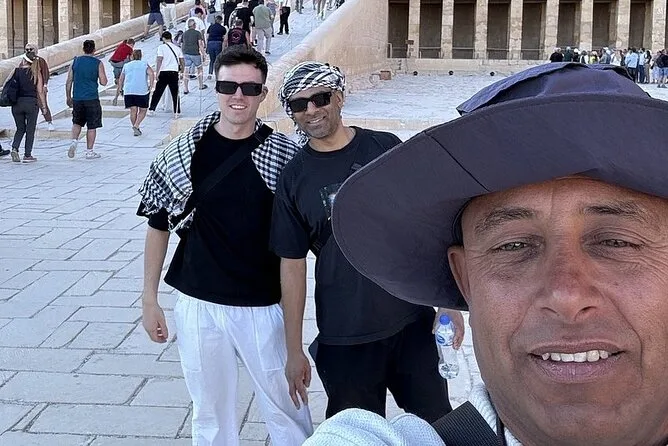
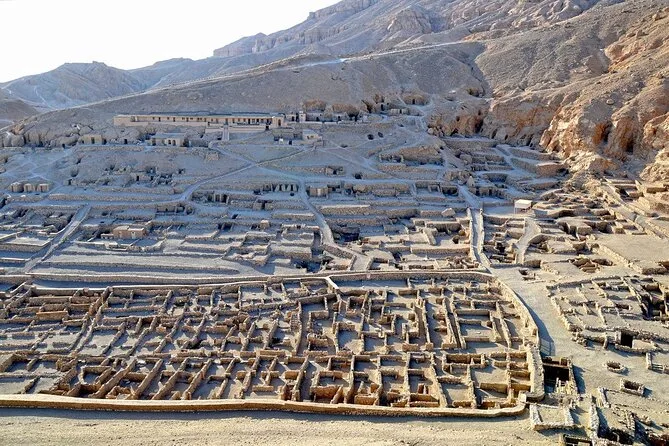
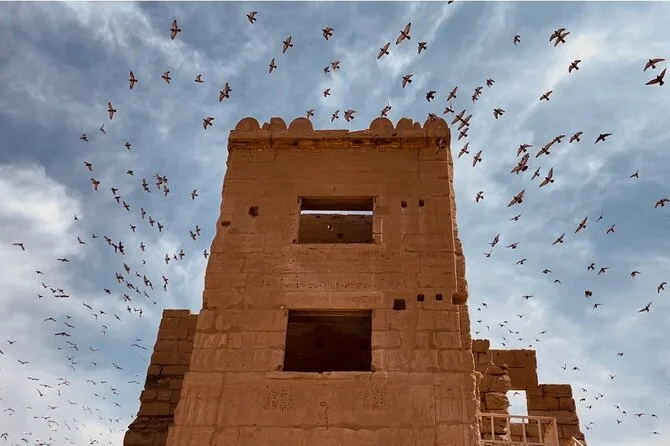
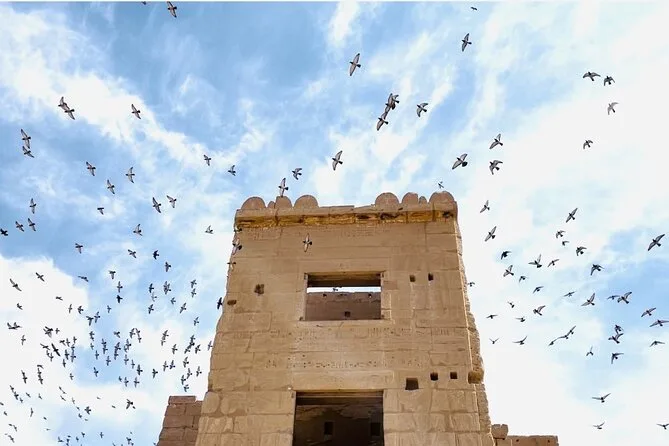
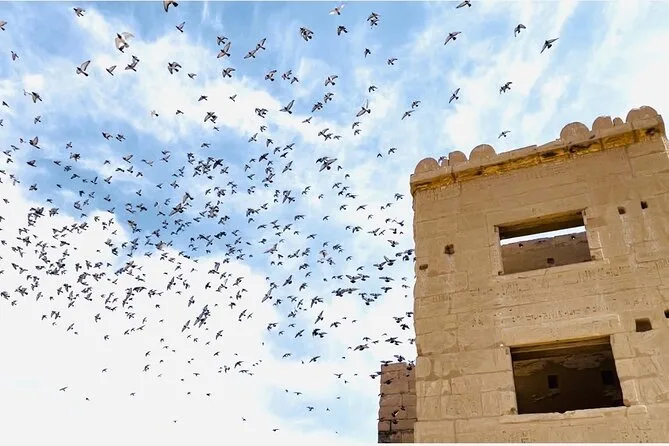


The workers who built the royal tombs left behind their own village, and you walk through it.
A private full-day tour of Luxor's West Bank archaeological sites with a live Egyptologist guide, hotel pickup, and entrance fees to the Valley of the Kings, Hatshepsut Temple, Medinet Habu, Valley of the Queens, Colossi of Memnon, and Deir el-Medina. The tour runs 6 to 9 hours depending on how long you spend at each stop. Your guide speaks English, Spanish or French (Spanish and French cost €30 extra), and the vehicle is air-conditioned. You choose at checkout whether to add the guide and tickets or book transport and entry separately.
Compare the 12 alternatives
 Luxor West Bank: Valley of Kings & Hatshepsut Temple Private TourEvery day · first departure 06:00, last 09:00 · All ages★ 4.91 (834)7h–10hEN · DE +3
 Valley of the Kings tour: Five pharaonic sites in one dayEvery day · first departure 06:00, last 11:00 · All ages★ 4.91 (127)7h–10hEN · DE +3US$ 12View ›
 Luxor: Valley of Kings & Queens Private Day TourEvery day · first departure 07:00, last 09:00 · All ages★ 4.88 (1,740)8hENUS$ 89View ›
 Luxor: Valley of Kings & Queens, Hatshepsut Temple Half DayEvery day · first departure 05:30, last 14:00 · All ages★ 4.99 (296)5h–6hEN · AR +2US$ 12.49View ›
 Luxor: Valley of the Kings, Karnak & Hatshepsut Full Day TourEvery day · first departure 06:00, last 08:30 · All ages★ 4.95 (125)8h–9hEN · DE +3US$ 15View ›
 West Bank Luxor tour: Valley of the Kings, Queens & HatshepsutEvery day · 07:00, 08:00 and 09:00 · All ages★ 5.00 (14)6h–7hEN · AR +4US$ 40View ›
 Luxor West Bank tour: Valley of the Kings & Medinet HabuEvery day · first departure 06:30, last 09:00 · From age 3★ 4.95 (146)6h–8hEN
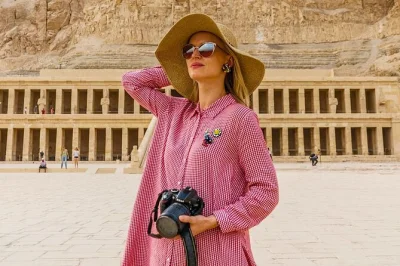 Luxor West Bank tour: Valley of the Kings & Hatshepsut TempleEvery day · first departure 06:00, last 11:00 · All ages★ 4.99 (137)8hENUS$ 16View ›
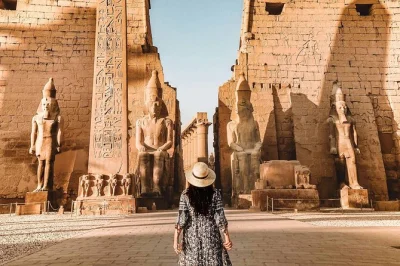 Luxor: Valley of Kings & Karnak Temple Private Full-Day TourEvery day · 07:00 and 08:00 · All ages★ 4.84 (581)8hEN · AR +2US$ 90View ›
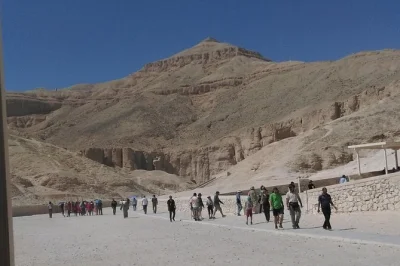 Private Valley of the Kings tour from Luxor: 4 temples in one dayEvery day · 06:30, 08:00 and 11:00 · All ages★ 5.00 (17)5h–6hENUS$ 75View ›
 Luxor West Bank Private Tour: Valley of the Kings & HatshepsutEvery day · 07:00 and 08:00 · All ages★ 4.76 (285)5hEN · AR +2US$ 20View ›
 Luxor West Bank: Private Day Tour Valley of the Kings & NefertariEvery day · first departure 06:00, last 09:30★ 4.98 (149)8hENUS$ 20View › Compare more experiences like this »
Step-by-step itinerary
- Valley of the Kings2h 30m · entry included
- Temple of Hatshepsut1h 30m · entry included
- Colossi of Memnon30m
- Medinet Habu1h · entry included
- Deir el-Medina1h · entry included
Explore Luxor West Bank tombs and temples
- Pick up from hotel or Nile Cruise
- Visit Valley of the Kings tombs
- Explore Temple of Queen Hatshepsut
- Admire Colossi of Memnon statues
- Lunch break
- Tour Medinet Habu temple
- Discover Deir el-Medina village
- Visit Valley of the Queens tombs
The experience
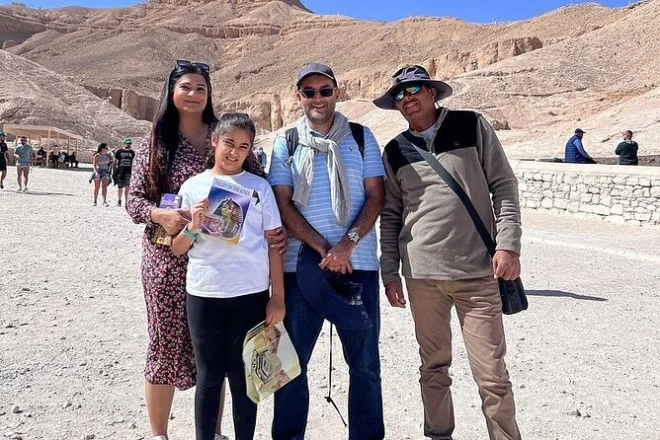
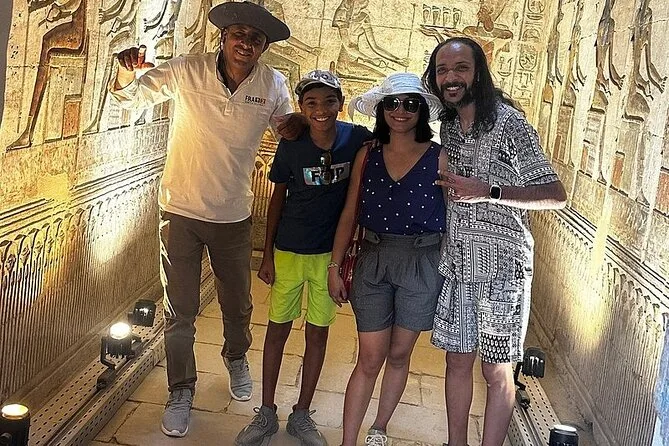
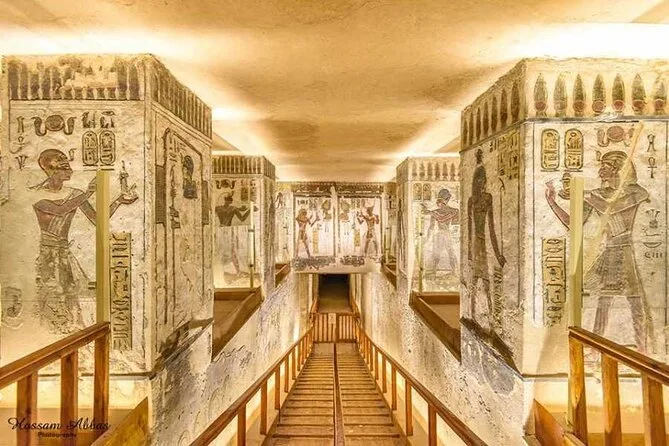
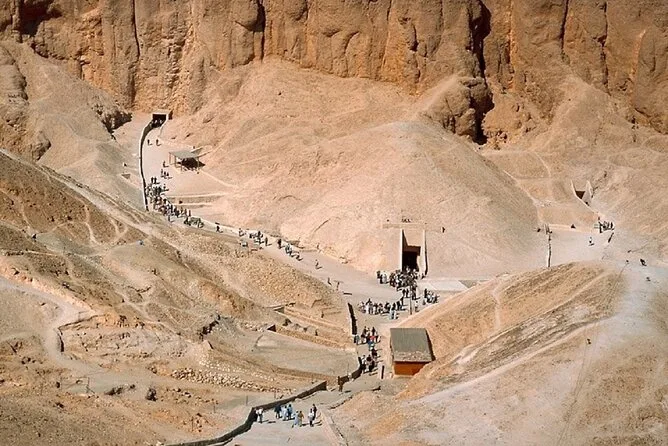
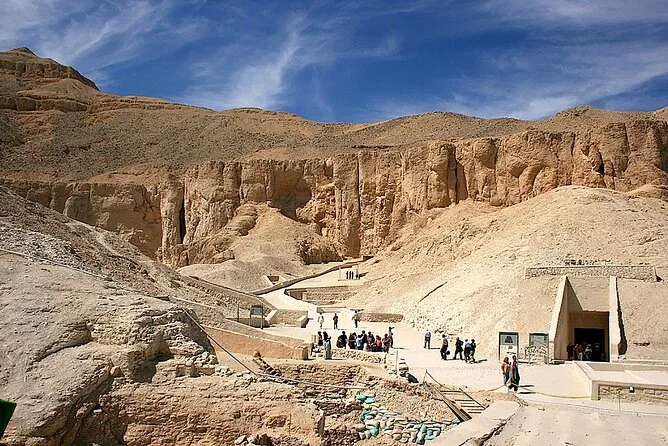
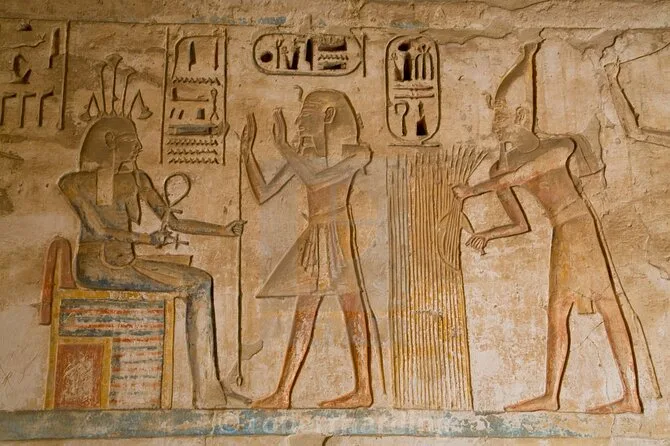
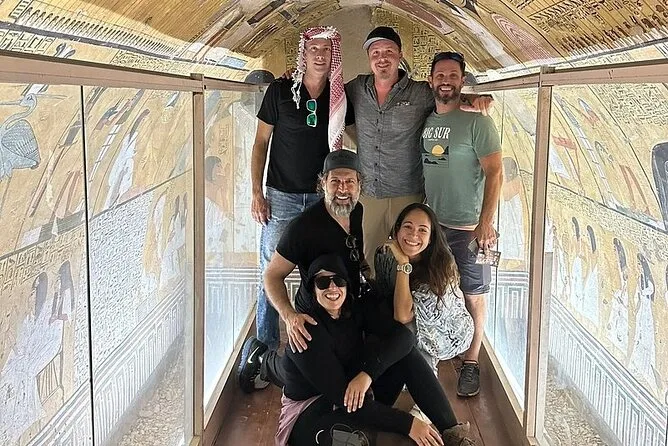
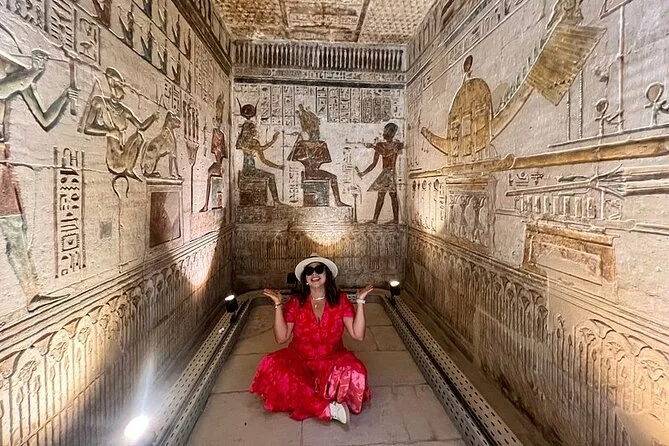
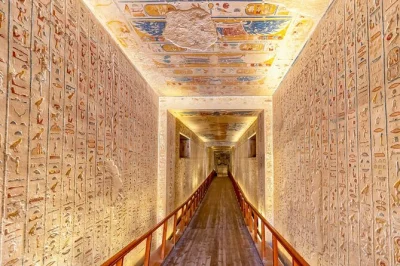
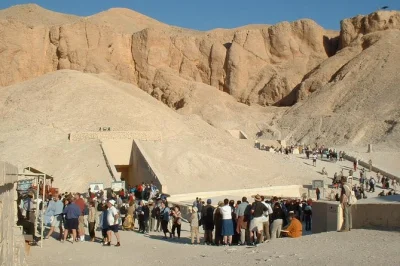
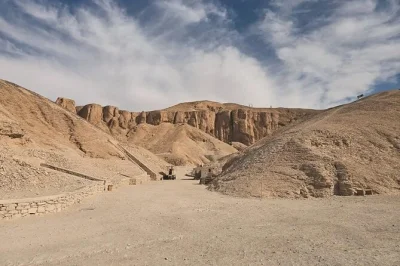
You're picked up from your Luxor hotel or Nile cruise in an air-conditioned car and driven to the Valley of the Kings, a burial ground holding 63 royal tombs carved into the rock. Your Egyptologist guide walks you through the chambers, pointing out the hieroglyphics and mythological scenes painted on the walls: the beliefs about the afterlife that shaped how the pharaohs were buried. King Tutankhamun's tomb is among the most famous, though the valley holds the graves of dozens of rulers across centuries.
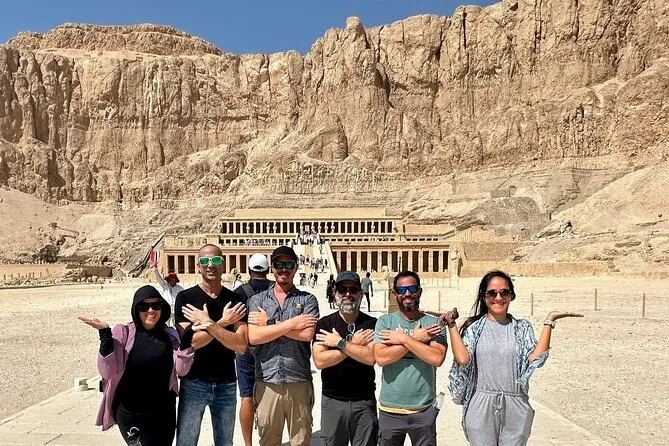
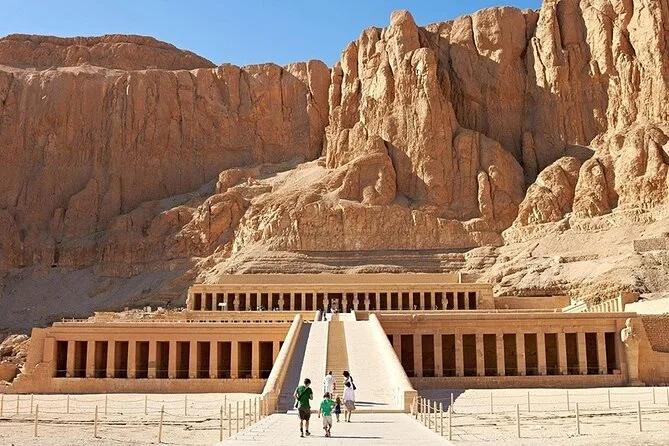
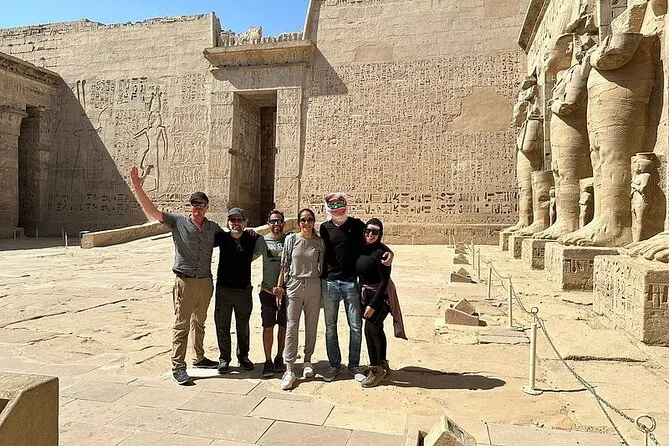
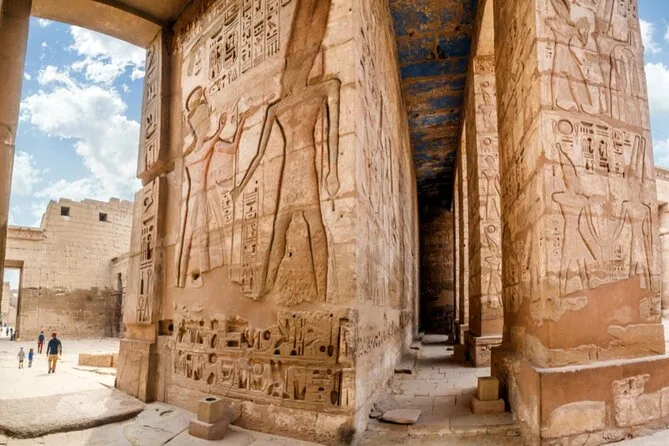
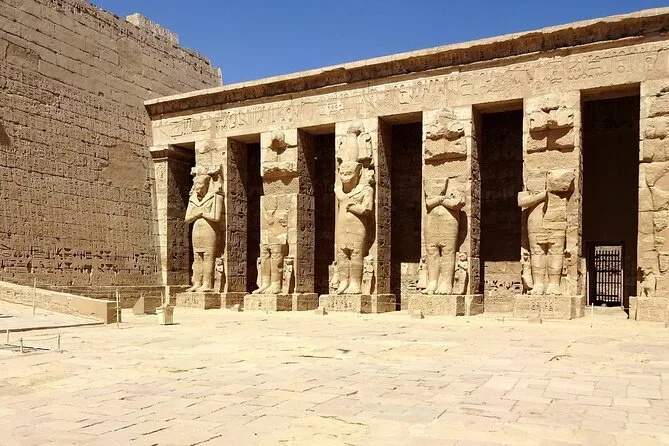
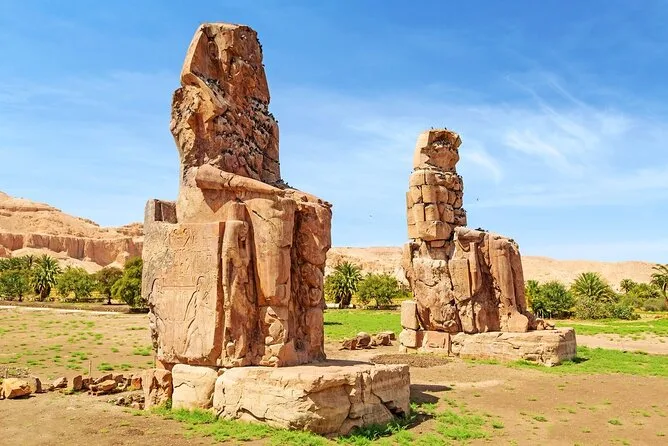
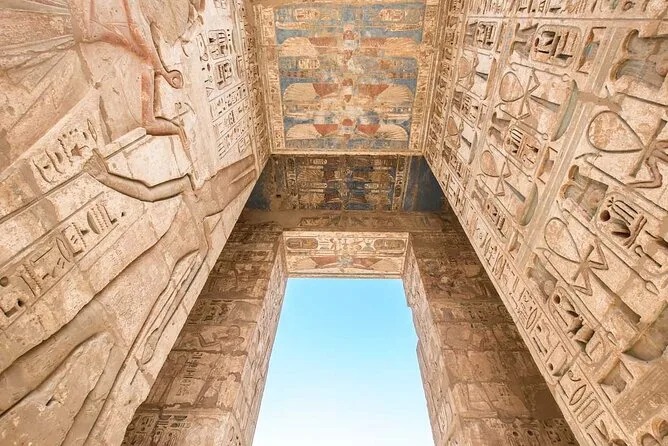
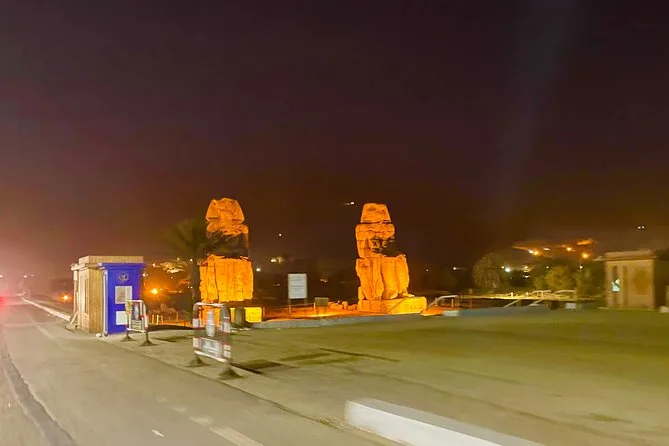
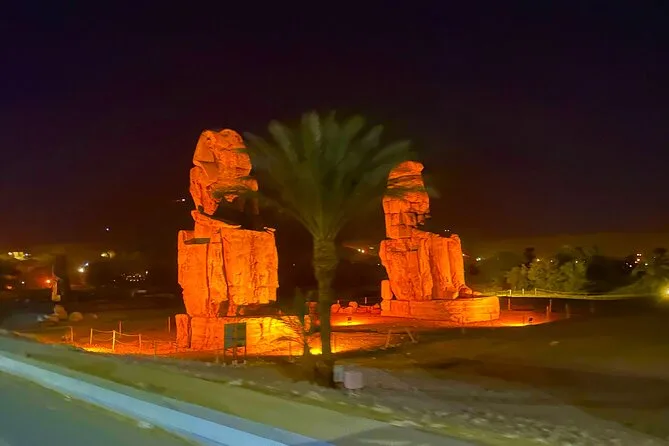
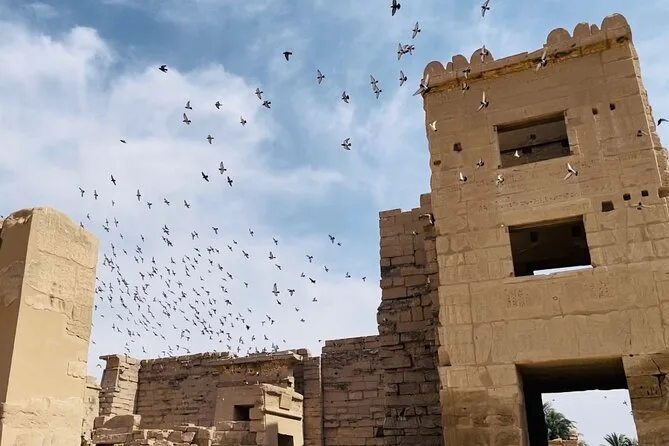
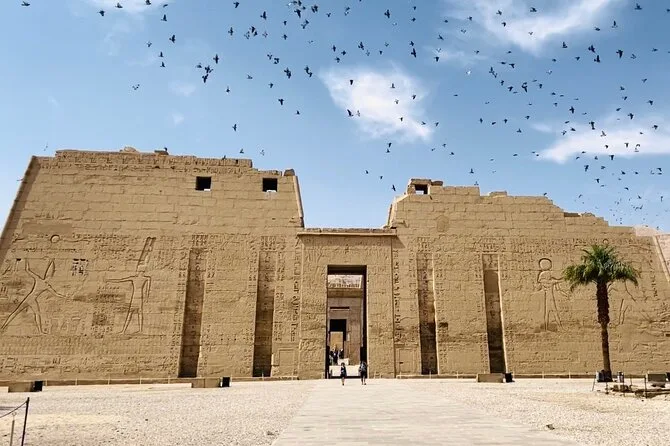
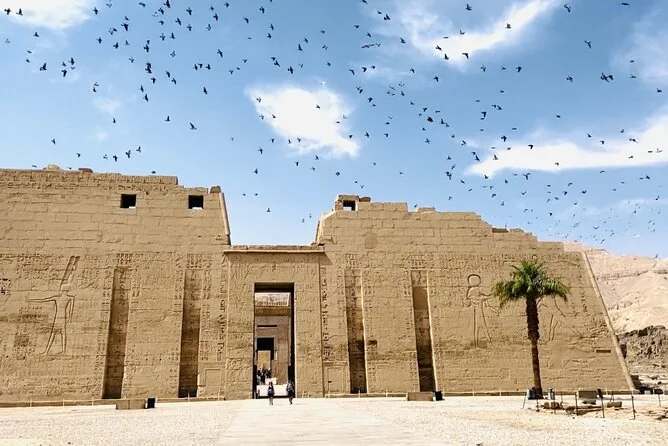
From there you move to the Temple of Hatshepsut, a terraced structure built into the cliffs where Queen Hatshepsut, known as "Foremost of Noble Ladies," commissioned her own monument. You spend roughly an hour here before a 30-minute stop at the Colossi of Memnon, two massive quartzite statues that tower over the plain. After lunch, the tour continues to Medinet Habu, the temple King Ramses III built to commemorate his reign, where you explore the intricate carvings and layout for about an hour.
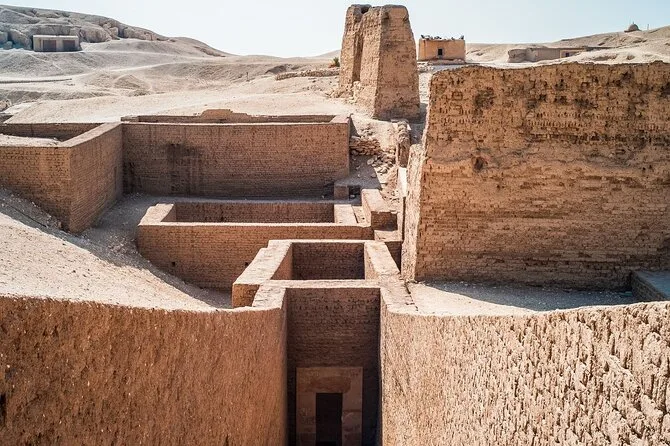
The last two stops are less crowded. Deir el-Medina is the ancient workers' village where the artisans, craftsmen and laborers who built and decorated the royal tombs actually lived. You walk through the remains of their homes and see how they organized their community. Then comes the Valley of the Queens, containing over 90 tombs including the famous burial of Queen Nefertari, wife of Ramses II, known for its stunning wall paintings of the Book of the Dead. Your guide brings water during the day, and the pace lets you absorb each site without rushing.
What’s included
- Air-conditioned vehicle with hotel pickup.
- live Egyptologist guide in English (Spanish or French for €30 extra).
- entrance fees to the Valley of the Kings, Hatshepsut Temple, Medinet Habu, Valley of the Queens, Colossi of Memnon, and Deir el-Medina (depending on your chosen option).
- a bottle of water during the tour.
Options for this experience
4 optionsYou pick the guide language when booking. Options with the same name differ in details you'll see when you pick a date.
Before you book
Prices and times updated 3 days ago
Operated by Icon Tours Egypt
Is this one for you?Book this if you want a private car and Egyptologist guide for the full West Bank in one day. You control the pace at each site while getting expert context on what you're seeing.
Traveler reviews
Top questions
What languages is the guide in?
Live guide in English, Spanish and French.
Can children come?
Yes. Ticket types: Child (3 to 8 years); Infant (under 3): free.
What's inside the Valley of the Kings that makes it worth a full morning?
The Valley of the Kings holds 63 royal tombs carved into the rock face, each decorated with hieroglyphics and scenes from Egyptian mythology that reveal how the pharaohs understood the afterlife. King Tutankhamun is buried there, and your Egyptologist guide explains the symbolism and history as you walk through the chambers.
How much time do I spend at each site?
The Valley of the Kings and Hatshepsut Temple each get substantial time for exploration. You pause 30 minutes at the Colossi of Memnon, spend roughly an hour at Medinet Habu, and an hour at Deir el-Medina. The Valley of the Queens is the final stop. The full tour runs 6 to 9 hours depending on how long you linger at each location.
What is Deir el-Medina and why is it on this tour?
Deir el-Medina is the ancient workers' village where the artisans and laborers who built and decorated the royal tombs lived. Unlike the grand temples and royal burial sites, it shows you the daily life and homes of the people who created Egypt's most famous monuments.
Does the tour include entrance fees to all five sites?
Your booking options let you choose: you can book transport and guide only, or add entrance fees to the Valley of the Kings, Hatshepsut Temple, Medinet Habu, Valley of the Queens, Colossi of Memnon, and Deir el-Medina. Check which option you select at checkout, as some include tickets and others do not.
Is hotel pickup included?
Hotel pickup in an air-conditioned vehicle is included in the options that feature a guide. If you book transport only, confirm the pickup location when you reserve.
Luxor West Bank tour: Valley of the Kings with Egyptologist
6h–9h · EN · ES · FR · at your hotel
from US$ 17 per person
4.93185 reviewsVerified traveler reviews via our booking provider