

 +507 6792-0894


Otavalo Market Day Tour from Quito: Culture, Nature & Handicrafts



Summary
Otavalo Indigenous Market Tour with Local Crafts & Andean Views
If you want to really experience Ecuadorian culture beyond Quito, this tour gives you hands-on moments with local food, crafts, and traditions in Otavalo and beyond—all guided by people who know these places inside out.

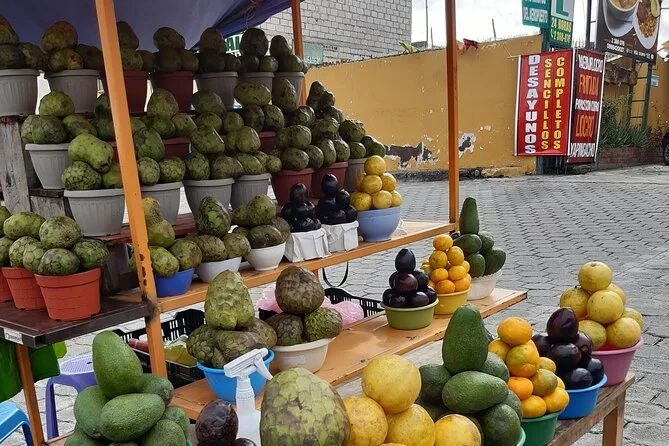
The day started early—our guide met us at the hotel right at 8am, just as the city was waking up. We left Quito behind and soon found ourselves winding through green valleys towards Guayllabamba. The air felt cooler out here, and at a roadside stand we tried custard apple for the first time—sweet and creamy, nothing like what you get back home. There were avocados the size of my hand and limes that smelled almost floral.
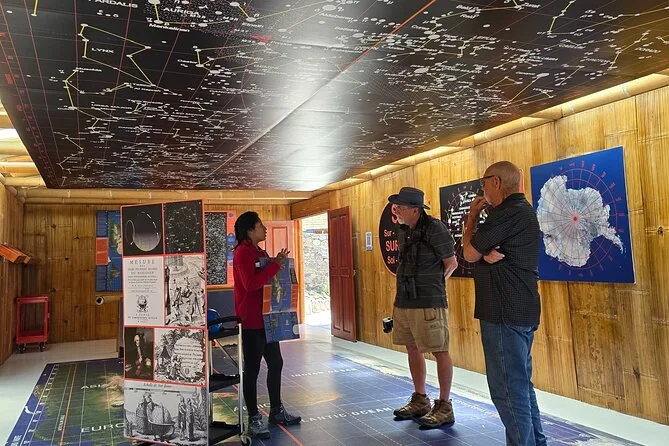
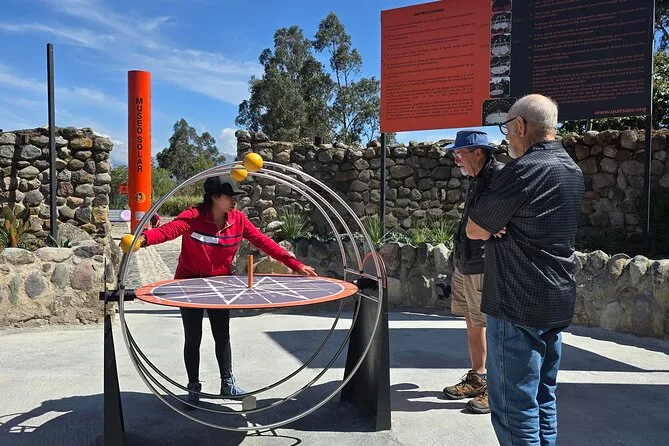
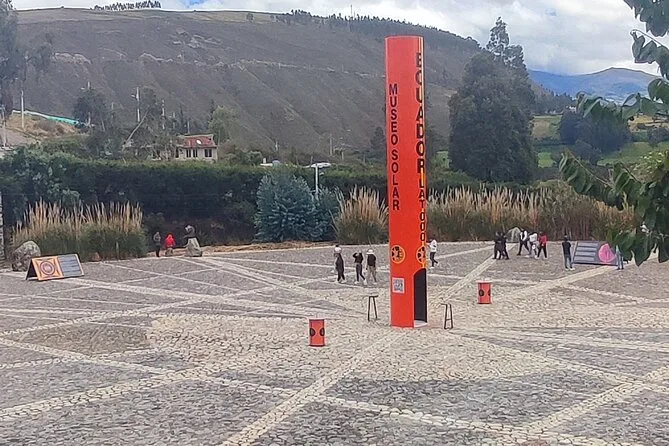
Back on the Panamericana highway, we made a quick stop at Quitsato Sundial. A local guide explained how this spot marks latitude zero—right on the Equator. He showed us how ancient Kitus people used the sun to track seasons. I could see volcanoes in the distance; Cotopaxi’s snowy top peeked through some clouds.
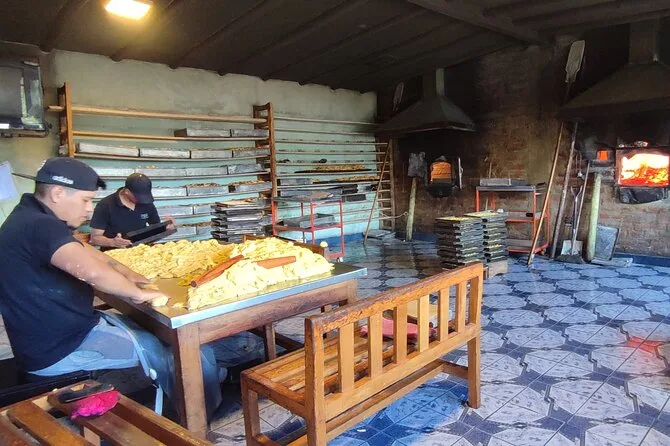
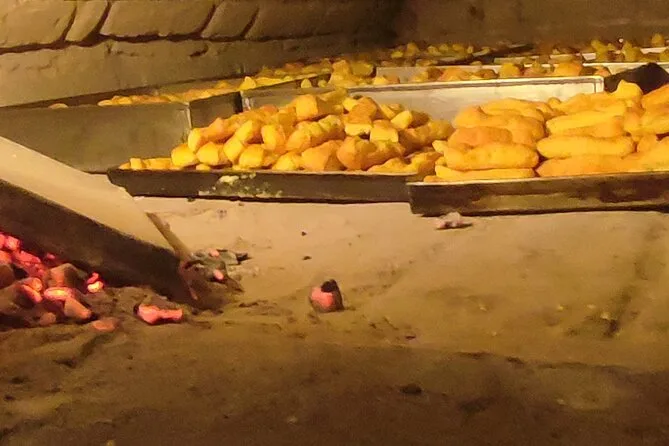
Cayambe town came next. We ducked into a tiny bakery where biscochos were coming out of the oven—crisp, buttery biscuits best eaten warm with fresh cheese and a bit of caramel. I grabbed a cup of hot chocolate too; it was perfect for the chilly morning.
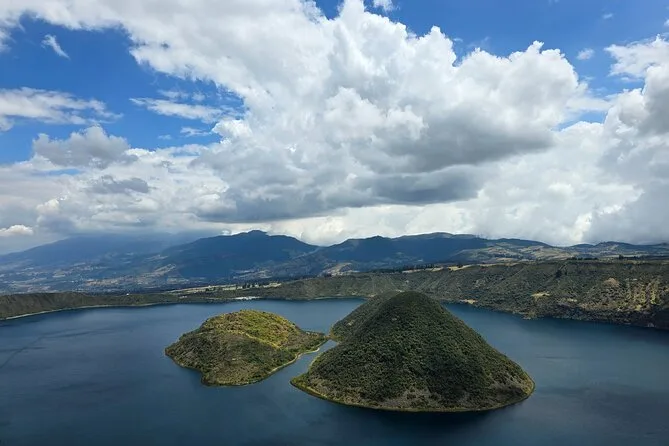
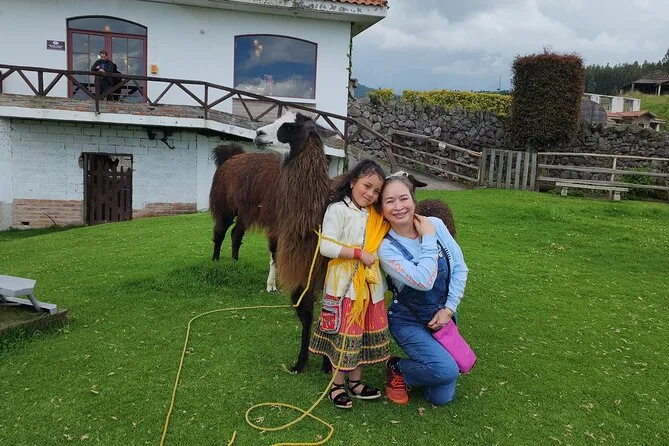
Before reaching Otavalo, we stopped at San Pablo Lake for photos—the water was calm and locals were setting up their craft stalls along the shore. I picked up a handwoven bracelet from a woman named Rosa who told me she’d been making them since she was a kid.
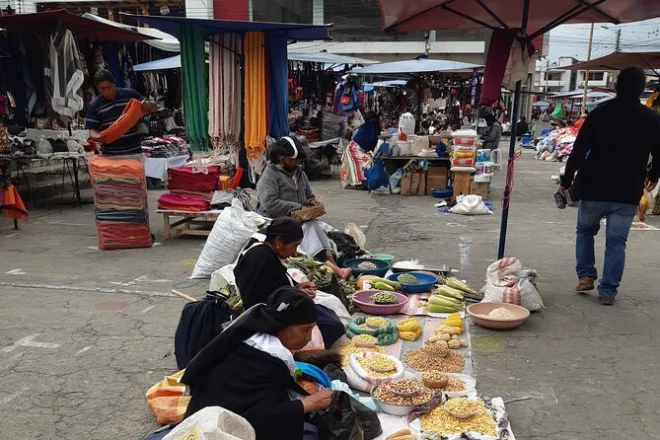
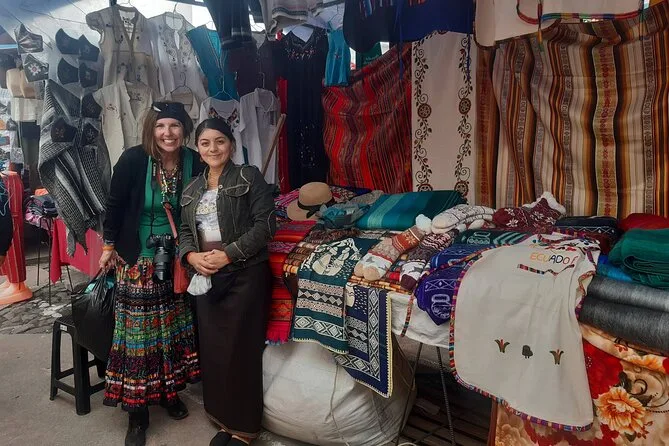
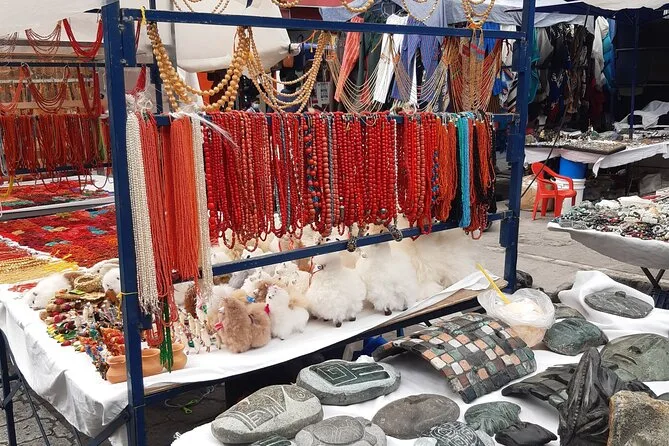
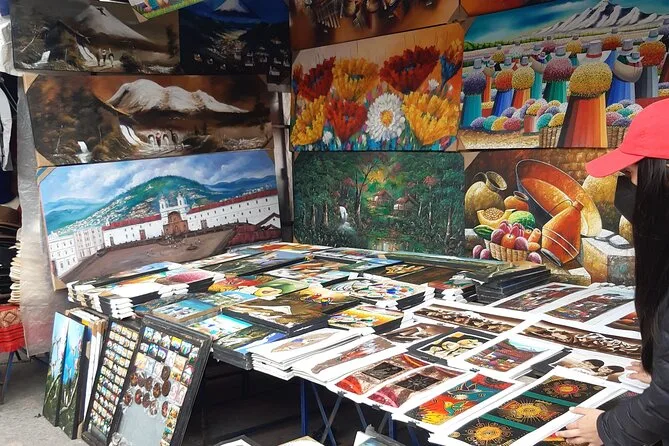
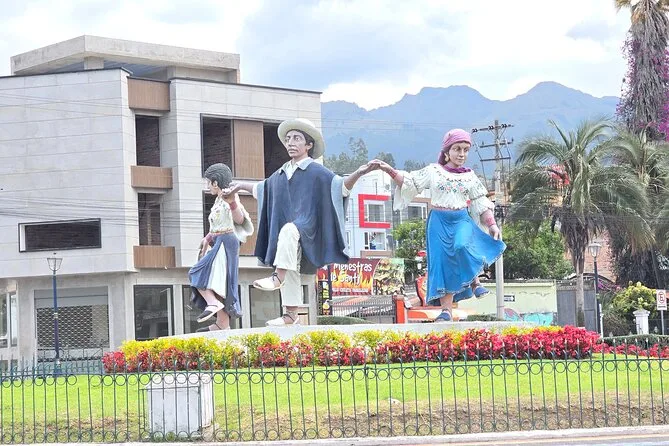
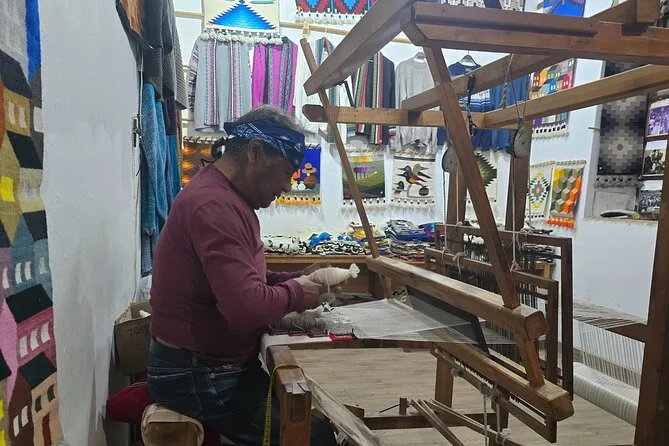
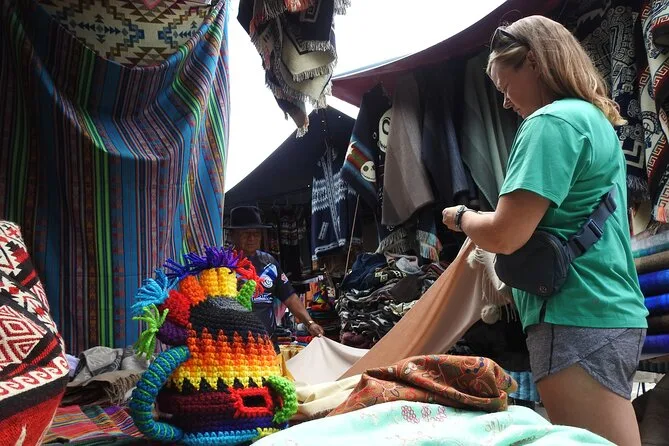
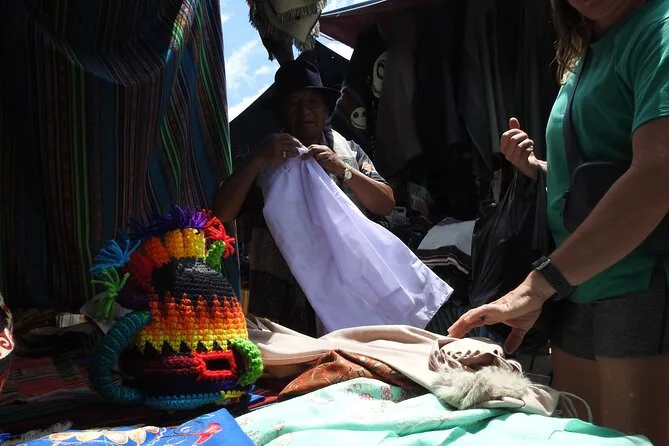
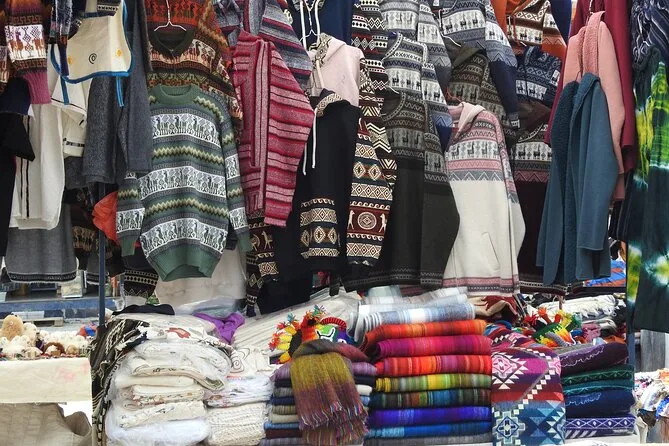
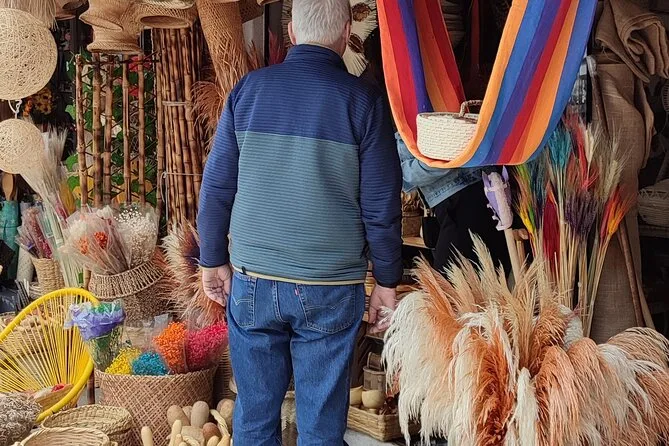
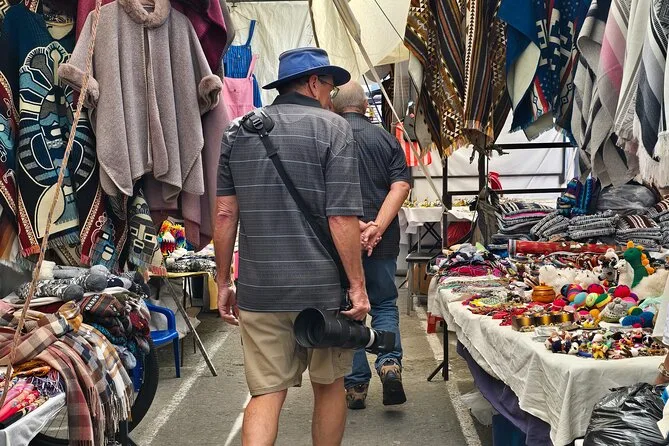
The heart of our trip was Plaza de los Ponchos in Otavalo. Even on weekdays, it buzzes with color: rows of ponchos, stacks of paintings, silver jewelry glinting in the sun. Our guide pointed out which stalls were run by families who’ve been weaving here for generations. For lunch, he took us to a small spot nearby—no menu, just whatever’s fresh that day (I had locro soup and grilled chicken).
We finished up at La Casa de los Instrumentos where José Fichamba showed us how he crafts pan flutes by hand—he even played a tune for us that echoed through his workshop. Last stop: an indigenous fabric gallery where we saw natural dyes being made from plants and learned how those bright colors end up in Otavalo’s famous textiles. By 6pm we were back in Quito, tired but honestly glad we’d seen so much more than just a market.
 10h
10h

Step-by-step itinerary
Day 1 — Otavalo Market and Andes Tour
- Pickup from hotel and visit Guayllabamba fruit stop
- Visit Quitsato Sundial and learn about Kitu civilization
- Tour artesanal biscuit bakery in Cayambe
- Stop at San Pablo Lake viewpoint and handcraft gallery
- Explore Plaza de los Ponchos and lunch
- Visit Casa de los Instrumentos and Indigenous Fabric Gallery

Top questions

Is this tour suitable for someone using a wheelchair?
Yes! All transportation and stops are wheelchair accessible—including restrooms and paths at main attractions.
What days is the Otavalo market open?
The Plaza de los Ponchos is open every day, but Saturdays are busiest with extra vendors.
Are meals included?
No meals are included but your guide will recommend great local spots for lunch—you pay directly there.
How long is the drive from Quito to Otavalo?
It takes about two hours each way depending on traffic and stops along the route.

What’s included
Your day includes an expert national guide throughout, tastings of tropical fruits in Guayllabamba and fresh Cayambe biscuits with cheese or caramel, all admission fees covered, plus comfortable air-conditioned transport door-to-door from your hotel.
 Super deal
  Free booking, free cancellation.
  Don't lose your place.


 Do you need help planning your next activity?
  +507 6792-0894


