

 +507 6792-0894


3-Day Quito to Baños Tour: Quilotoa, Waterfalls & Cotopaxi


Summary
Quito to Baños Adventure: Quilotoa, Waterfalls & Volcano Trails
You’ll travel from Quito through Ecuador’s Andes—visiting colorful markets, hiking around Quilotoa Crater Lake, riding a gondola over waterfalls near Baños, swinging above cloud forests, meeting local artists and weavers, and exploring Cotopaxi National Park with expert guides who know every shortcut and story along the way.

The van rolled out of Quito just as the city was waking up—mist still hanging over the hills. Our guide, Andrés, had us watching for llamas before we’d even left the suburbs. First stop: one of those lively indigenous markets in Pujilí or Zumbahua (depends on which day you go). I remember the smell of fresh cheese and a woman selling tiny red potatoes by the handful. We made a quick detour in Tigua, where artists paint Andean scenes on goatskin—some of their work hangs in big galleries now, but here you meet them face-to-face. The Toachi canyon came next; it’s deeper than it looks in photos and there’s this echo when you call out across it.
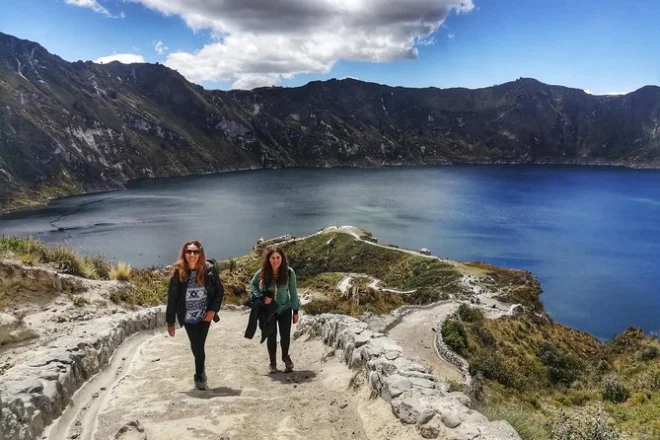
Quilotoa Crater Lake is something else—the water shifts from green to turquoise depending on the clouds. You can hike along the rim or head down to the lake itself (the climb back up is no joke; I caved and paid for a mule ride). Lunch was at a small spot run by locals—hot soup and fresh bread hit just right after that hike. On our way to Baños, we stopped for ice cream made with local fruit. It melts fast in your hand but tastes like nothing back home.
Waking up in Baños, you’ll hear birds and maybe distant church bells. After breakfast at La Floresta Hotel, we set off for the waterfalls route. There’s this little gondola that swings you out over the Pastaza River—my stomach dropped but the view of Manto de la Novia waterfall was worth it. Pailón del Diablo is loud and wild; you get soaked if you stand too close. The walk there takes about 45 minutes through thick forest—watch your step, it gets muddy after rain.
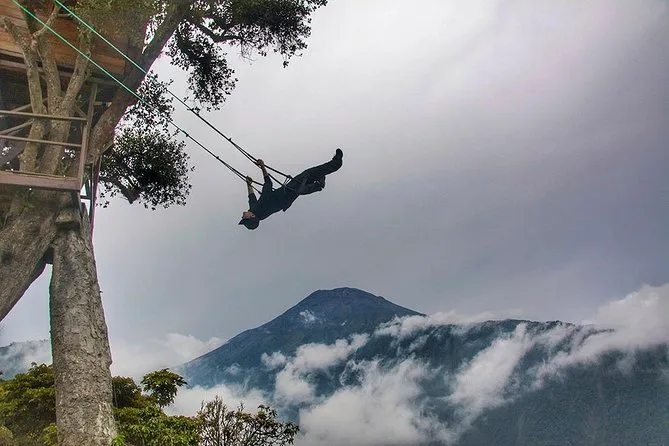
Back in town for lunch (I grabbed empanadas from a street vendor), then off to Casa del Árbol for that famous swing at the end of the world. It’s not as scary as it looks—unless you’re afraid of heights! The rest of the afternoon was free; I wandered around Baños’ main square where kids were chasing pigeons and vendors sold sugarcane juice.
The last day started early again—we visited Salasaca village where locals weave textiles right in front of you. Their main square smells faintly of wool and wood smoke. Then came Cotopaxi National Park: if clouds cooperate, you’ll see Cotopaxi volcano towering above everything else (it’s massive—almost 5,900 meters high). Our guide pointed out wild horses near Limpiopungo Lake while explaining how fragile this ecosystem is. We hiked around the lake; it’s flat but chilly with wind coming off the glacier. Lunch was simple but filling before heading back to Quito.
 3d
3d

Step-by-step itinerary
Day 1 — Quito to Baños via Quilotoa
- Drive from Quito to Quilotoa Crater Lake with stops at indigenous markets, Tigua village, and Toachi canyons
- Hike around Quilotoa crater or down to the lake
- Lunch at local restaurant near Quilotoa
- Drive to Baños with stop for traditional ice-cream
Day 2 — Baños Waterfalls and Swing
- Visit waterfalls route including gondola ride over Pastaza River to Manto de la novia waterfall
- Hike 45 minutes to Pailon Del Diablo waterfall
- Lunch in Baños
- Afternoon swing at the end of the world and town visit
- Free time in Baños
Day 3 — Baños to Quito via Cotopaxi
- Visit Salasacas indigenous group and textile shops
- Visit Cotopaxi Volcano and National Park with naturalist guide
- Hike around Limpiopungo Lake
- Lunch near Cotopaxi
- Return to Quito

Top questions

Is this tour suitable for families with kids?
Yes! Kids love the waterfalls and swing in Baños. Some hikes are challenging but mules are available at Quilotoa if needed.
What should I pack for weather changes?
Layers are best—it can be chilly at altitude but warm in Baños. Bring rain gear just in case; weather shifts quickly here.
Are meals included?
Breakfasts are included at your hotel each morning; lunches are arranged locally so you get fresh Andean food along the way.
I’m vegetarian—will there be options?
No problem! Just let us know when booking so we can arrange vegetarian meals during your trip.

What’s included
Your tour covers hotel pickup/drop-off in Quito area, two nights’ accommodation (like La Floresta Hotel), breakfasts, bottled water, all activities listed (including entrance fees), light refreshments on travel days, plus guidance from our naturalist guides who double as photographers so you don’t miss any moments.
 Super deal
  Free booking, free cancellation.
  Don't lose your place.


 Do you need help planning your next activity?
  +507 6792-0894


