
Zagreb Communism & Homeland War Tour: 20th Century History
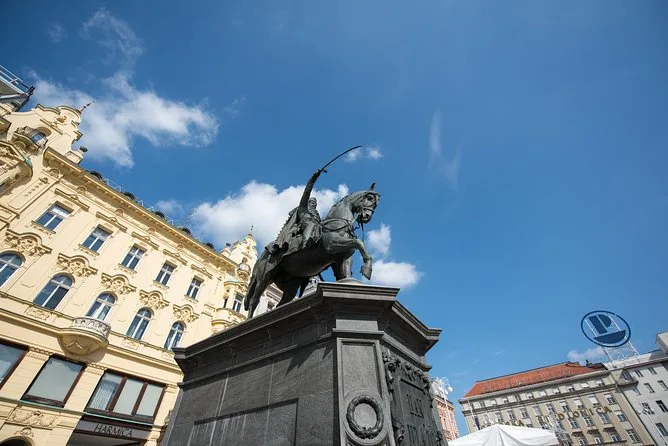

Three regimes, two wars, one afternoon underground.
A two-hour guided tour of Zagreb's 20th century history, starting at Ban Jelačić Square and moving through the Grič Tunnel and a multimedia exhibition on the Croatian Homeland War. The guide walks you through Croatia's time under five different regimes, the WWII fascist state, communist Yugoslavia under Tito, and the breakup of Yugoslavia in the 1990s, all grounded in the actual shelters and tunnels where these events unfolded. Tours run Monday to Saturday at 3pm and Sunday at 11am, with a certified local guide who has led over 500 tours.
 2h
2h

Step-by-step itinerary
Explore Croatian 20th century history
- Meet at Ban Jelačić Square
- Visit WW2 underground tunnels
- Learn about communist era in Zagreb
- Visit bombing shelter basement
- See multimedia exhibition on Yugoslavia fall

The Experience
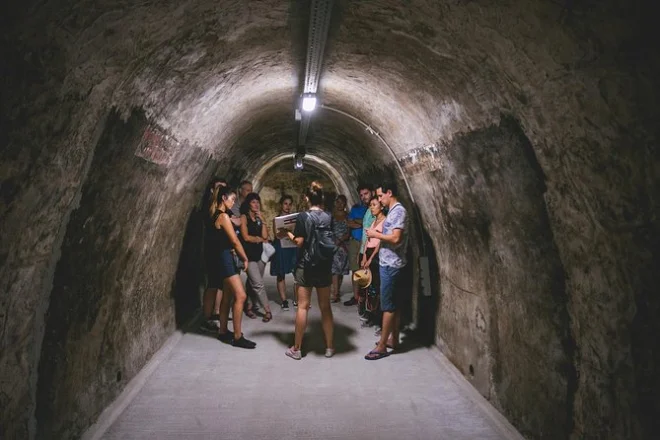
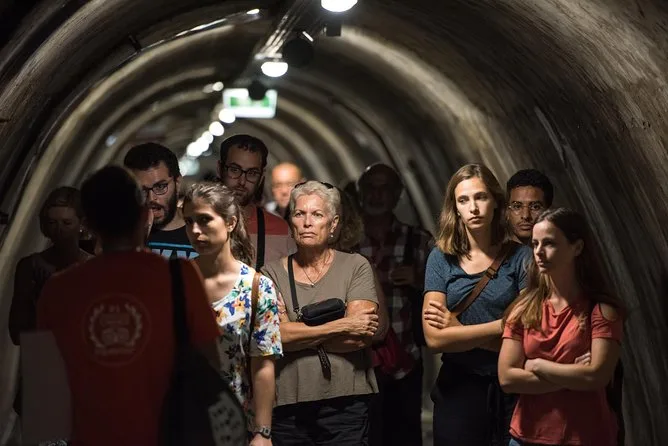
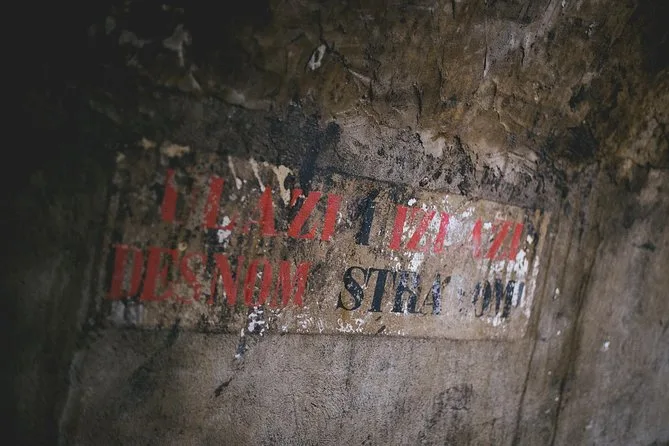
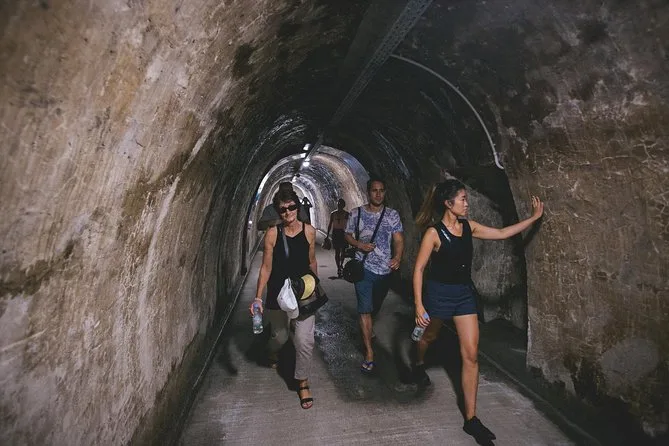
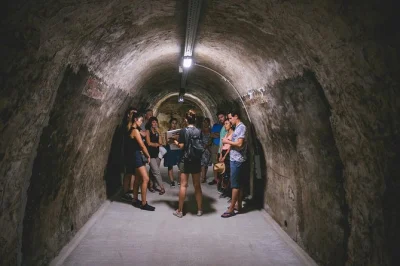
The tour starts at Ban Jelačić Square, the central meeting point, and moves into the Grič Tunnel—the WWII underground passages where Zagreb's residents sheltered during air raids. Your guide explains what life was like in the Croatian fascist state, then walks you through the basement itself, the actual space that protected people when bombs fell. The tunnel is not accessible during public events or the Christmas Market, but on regular tour days you move through it as part of the narrative, not as a museum exhibit.
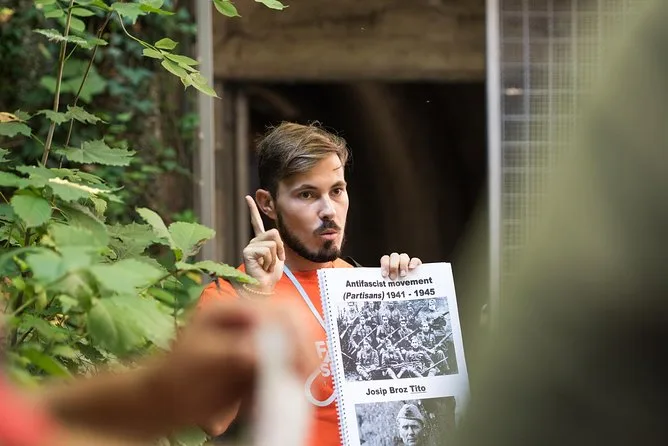
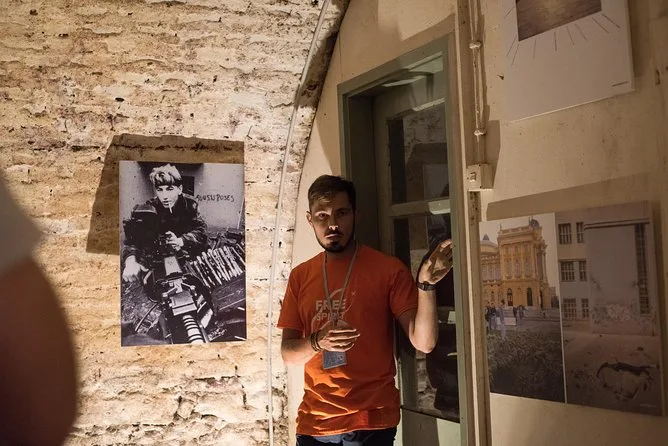
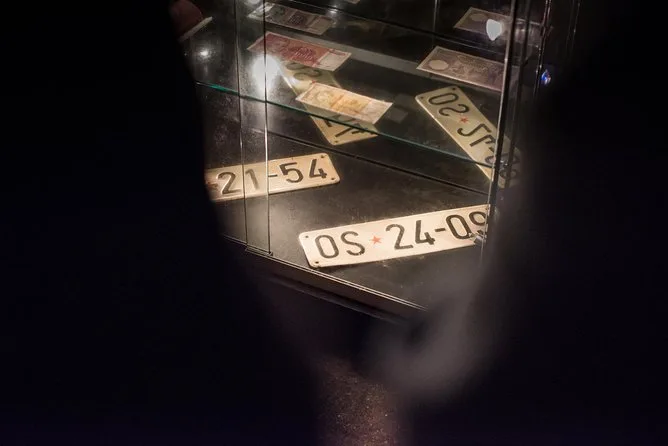
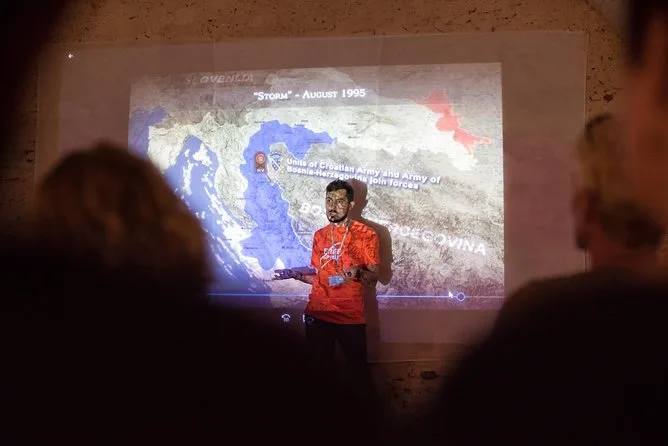
From there, the tour shifts to communist Yugoslavia and Tito's rule, using the same basement spaces to show how the city changed hands and how people lived under different systems. The multimedia exhibition on the Croatian Homeland War—the 1990s conflict that broke up Yugoslavia—sits in another basement shelter, the one used during the bombing of Zagreb in that war. You see the progression from one era to the next in the places where it happened, not in a gallery removed from the streets.
The guide is a certified local with 500+ tours under their belt, and the whole experience runs two hours. Tours depart Monday through Saturday at 3pm and Sunday at 11am from Ban Jelačić Square. The tour is available in English or Spanish, and you choose your language when you book.

What’s included
- Entry to the WWII underground tunnels and the basement shelter.
- the multimedia exhibition on the Croatian Homeland War.
- guidance by a certified local guide with 500+ tours of experience.
Operated by Free Spirit Tours Zagreb
Is this one for you?Walk through the actual sites of Croatia's 20th century—from fascist occupation to communist Yugoslavia to the 1990s war—and grasp decades of history in a few hours through the places where it unfolded.
Traveler reviews
Compare the 13 similar options
 Zagreb Communism & Homeland War Tour: 20th Century History★ 4.97 (1,509)2hEN · ESUS$ 46
 Zagreb: Walking Tour Upper Town, Stone Gate & FunicularWalking tour of Zagreb's Upper and Lower Town with Stone Gate, Lotrščak Tower, Grič Tunnel and funicular ride. Local guide, 2–3 hours, all fitness levels.★ 4.93 (480)2h–3hENUS$ 24View ›
 Zagreb Walking Tour: Old Town, WW2 Tunnels & Local GuideWalk Zagreb's medieval Old Town with a licensed local guide, see Ban Jelačić Square and the Cathedral, step inside the WW2 Grič Tunnel★ 4.91 (424)2h 30mENUS$ 24View ›
 Zagreb Old Town, WWII Tunnels & Tastings: 2-Hour TourWalk Zagreb's Old Town with a licensed guide, descend into rare WWII tunnels beneath the city, ride the world's shortest funicular★ 4.97 (1,176)2hEN · ESUS$ 24View ›
 Zagreb Food Tour: Local Dishes & City StoriesTaste authentic Zagreb dishes at multiple stops across the city centre with a licensed local guide in a small group★ 4.98 (288)3hEN · ESUS$ 93View ›
 Zagreb: Private Walking Tour with Funicular & Upper TownWander Zagreb’s lively streets with a private guide, ride the world’s shortest funicular, explore Dolac Market, and end with local tips. Includes hotel pickup.★ 4.98 (87)3hENUS$ 65View ›
 Zagreb Food Tour: Old Town Walk & Croatian Wine TastingsFollow a local guide through Zagreb’s old town, taste regional Croatian dishes and wines, stroll Dolac Market, and end with dessert. Includes food tastings.★ 4.81 (224)3h–4hENUS$ 105View ›
 Zagreb: Private Walking Tour with Local Guide & FunicularPrivate walking tour of Zagreb with licensed local guide. Includes Stone Gate, Zagreb Cathedral, Dolac Market, Grič Tunnel, and world's shortest funicular. Half-day tour.★ 4.98 (151)2hENUS$ 118View ›
 Zagreb: Walking Tour & Panoramic City with Cathedral & MarketsZagreb full-day tour with walking and car routes through Upper Town, Ban Jelačić Square, Stone Gate, Museum of Broken Relationships, Dolac Market and Cathedral. Includes hotel pickup and guide.★ 4.87 (108)3h–4hEN · HRUS$ 136View ›
 Zagreb Walking Tour: Old Town, Dolac Market & WWII TunnelStep into Zagreb’s heart with a private walking tour—explore Dolac Market, the WWII Grič Tunnel, and the city’s oldest streets. Includes funicular ticket & local guide.★ 4.98 (185)2hENUS$ 118View ›
 Zagreb: City Bike Tour with Upper & Lower Town SightsHear the noon cannon, pedal past Dolac Market, and catch stories behind Zagreb’s landmarks on a small-group bike tour with a local guide and all gear included.★ 4.93 (219)2h 30mENUS$ 49View ›
 Zagreb: Old Town Private Tour & Ban Jelačić Square2-hour private walking tour of Zagreb's medieval Old Town with certified guide. Covers Ban Jelačić Square, Stone Gate, Cathedral & Lotrščak Tower. Hotel pickup included.★ 4.98 (364)2hEN · DE +4US$ 88View ›
 3-Day Zagreb, Plitvice Lakes & Slovenia Private TourExplore Zagreb, Plitvice Lakes, and Slovenia’s Lake Bled on a private 3-day tour with guide, skip-the-line entry, and hotel pickup. Book your adventure now.★ 5.00 (2)3dENUS$ 950View ›
Top questions
What exactly is the Grič Tunnel and why is it part of this tour?
The Grič Tunnel is a WWII-era underground passage in Zagreb where residents sheltered during air raids. The tour uses it as a physical anchor for understanding life under the Croatian fascist state and the bombing that followed, so you're learning the history in the actual space where it occurred.
Will I actually go inside the tunnels and the basement shelters?
Yes, the tour includes entry to the WWII underground tunnels and the basement used as a bombing shelter during the 1990s Homeland War. The tunnels are not accessible during public events in the space or the Christmas Market, but on regular tour days you walk through them as part of the guided experience.
How long does this tour take and when does it start?
The tour runs two hours. It departs Monday through Saturday at 3pm and Sunday at 11am, both times from Ban Jelačić Square in central Zagreb.
What does the multimedia exhibition cover?
The multimedia exhibition focuses on the Croatian Homeland War and the breakup of Yugoslavia in the 1990s. It's housed in a basement that was used as a bombing shelter during that conflict, so the exhibition sits in the actual space affected by the events it documents.
Is this tour suitable for people who are not in great physical shape?
The tour is suitable for all physical fitness levels. However, it is not recommended for travelers with poor cardiovascular health, since it involves walking and moving through underground spaces.
What languages is the tour available in?
The tour is offered in English or Spanish. You select your language when you book, and a certified local guide leads the tour in that language.
Zagreb Communism & Homeland War Tour: 20th Century History
2h · EN · ES
from US$ 46 per person
★★★★★★★★★★4.971,509 reviews
