
Medellin private history tour with local guide

Guided Medellin Escobar sites & cable car experience
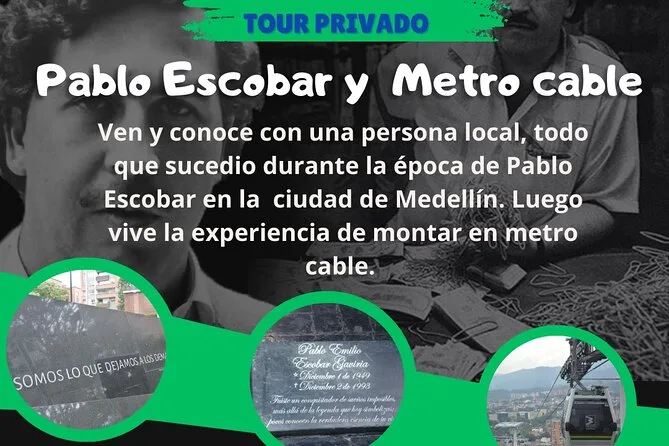
You’ll walk through Medellin’s real history with a local guide—visiting key Escobar sites, hearing untold stories, and seeing the city from above on the cable car.
 3h–5h
3h–5h

Step-by-step itinerary
Pablo Escobar Historical Tour
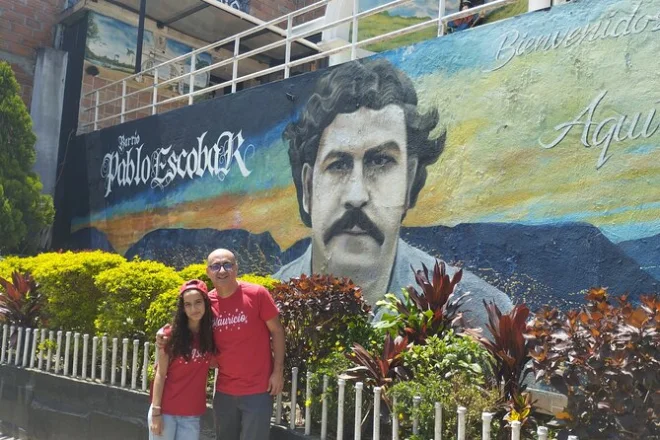
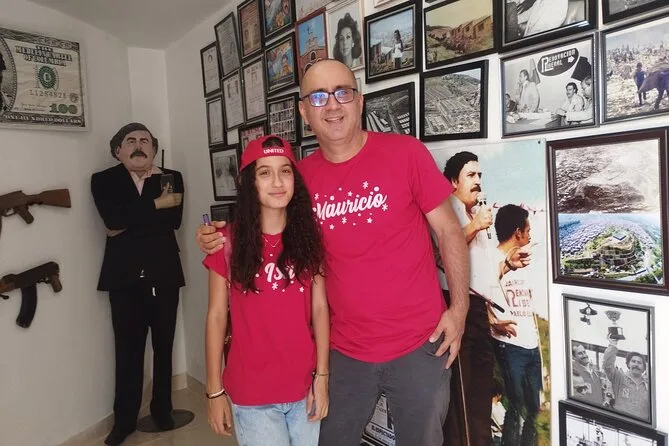
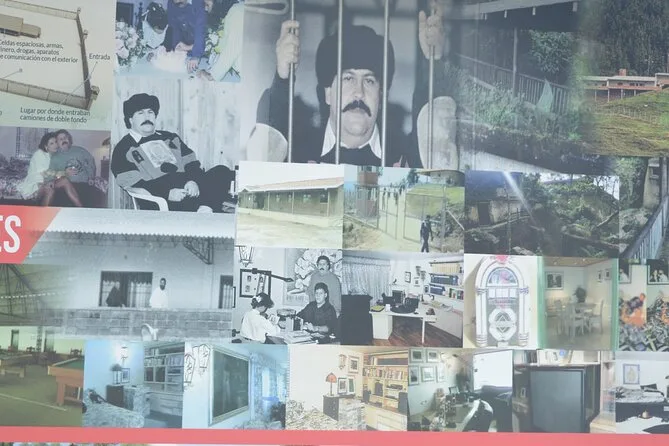
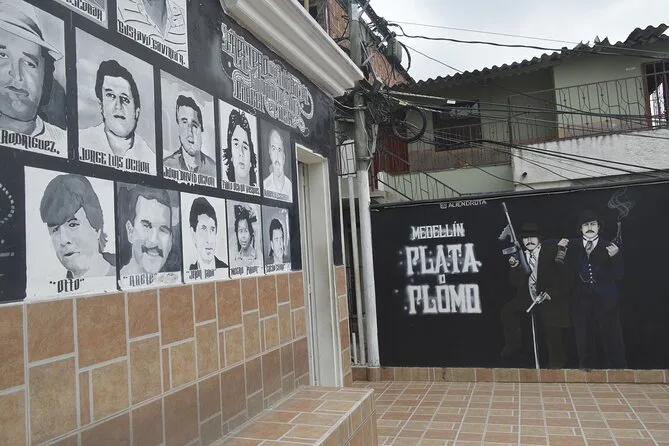
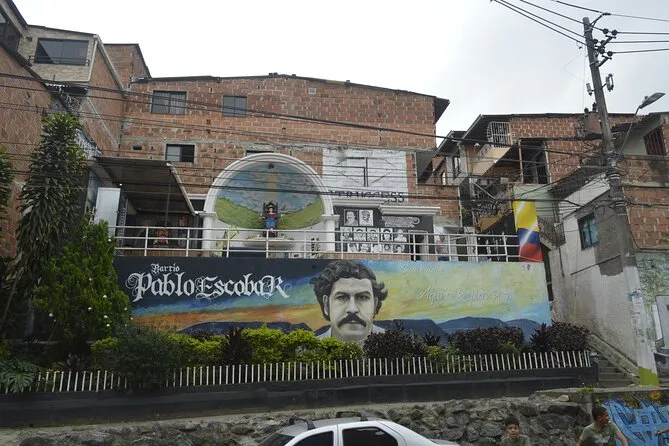
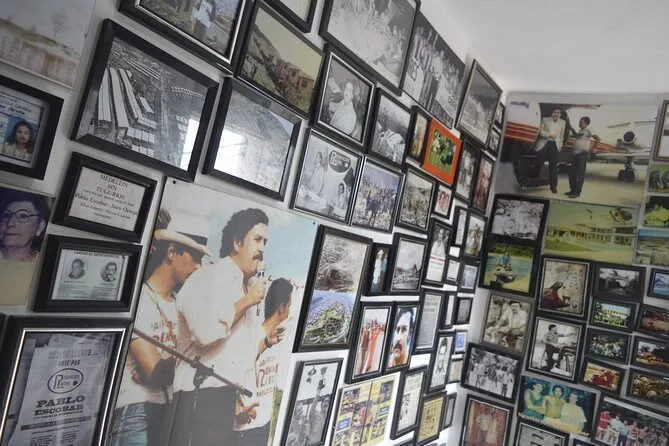
- Visit Pablo Escobar neighborhood and museum
- See Monaco building memorial park
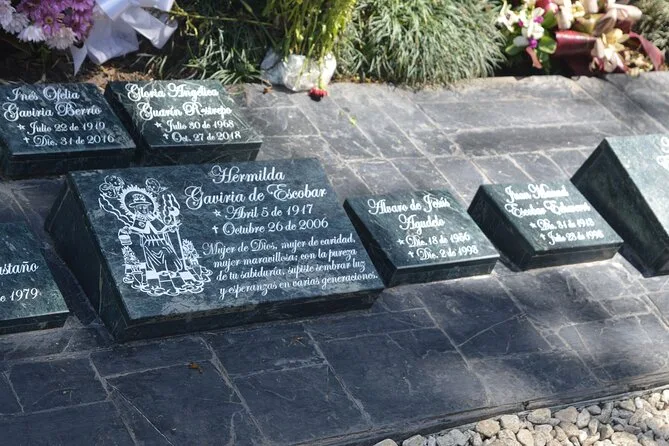
- Visit Pablo Escobar family tomb
- Visit Pablo Escobar death house
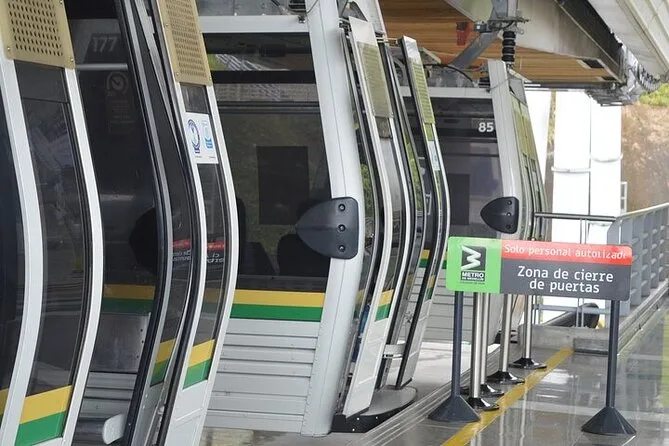
- Ride Medellin cable metro over Comuna 13

The Experience
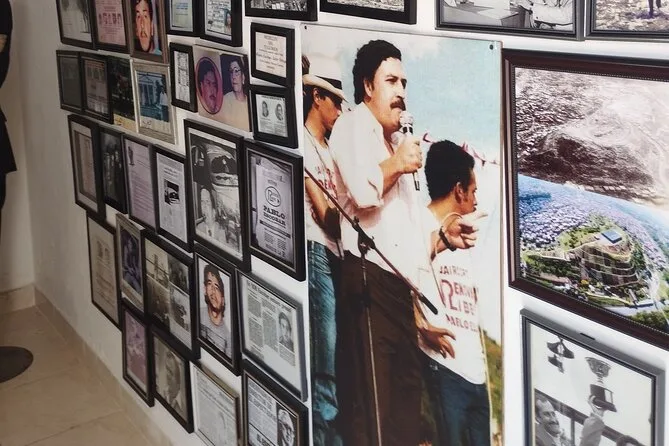
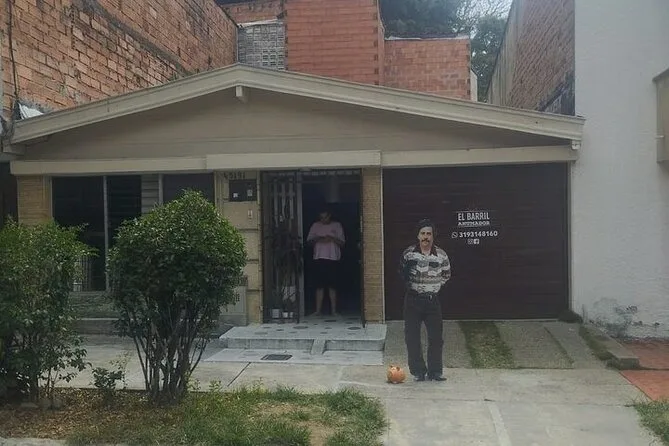
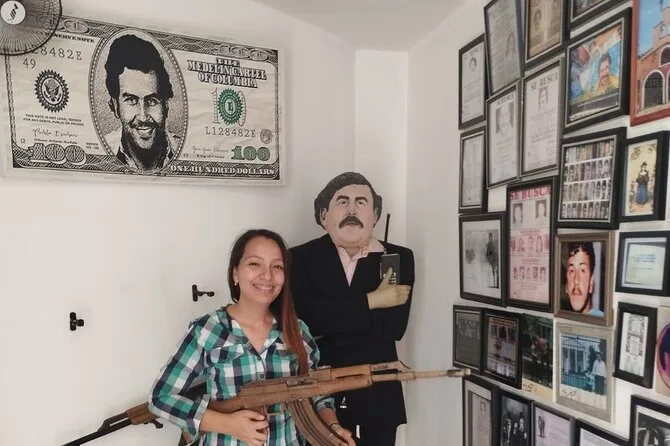
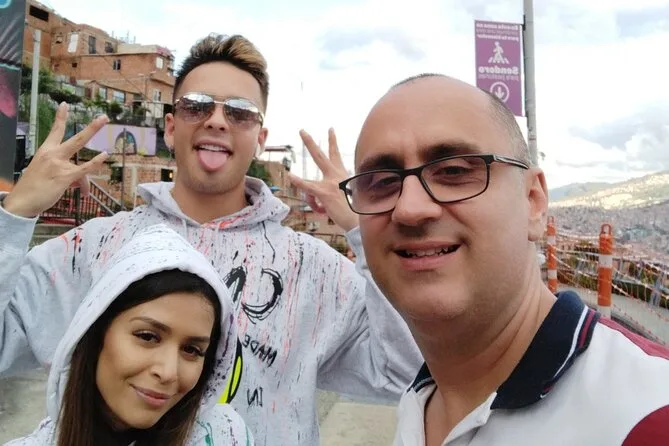
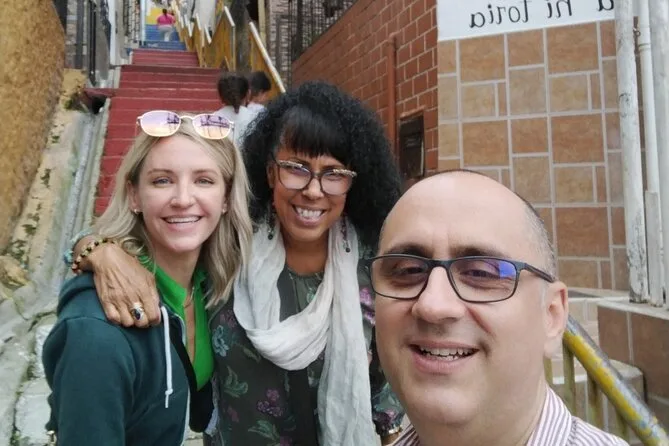
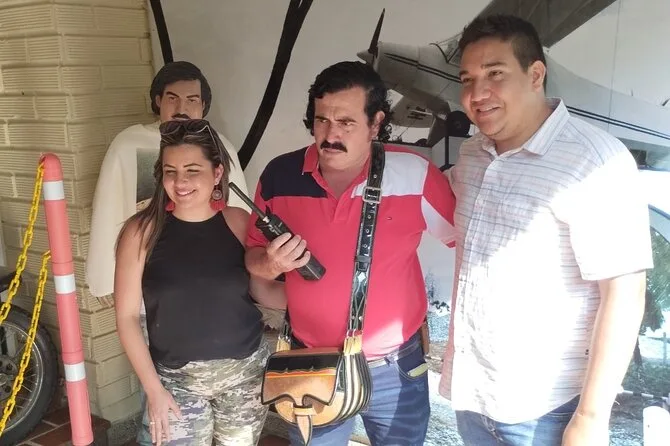
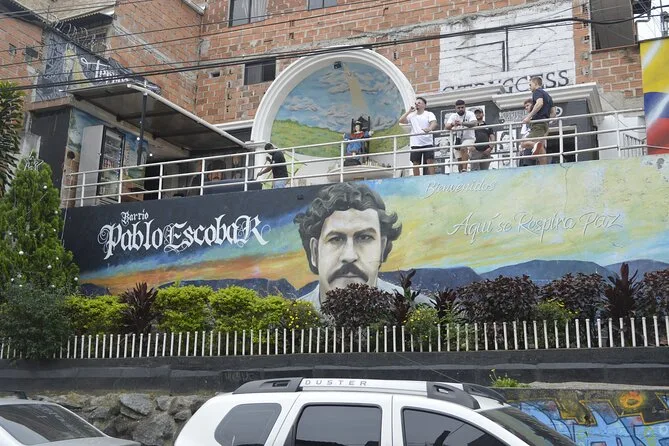
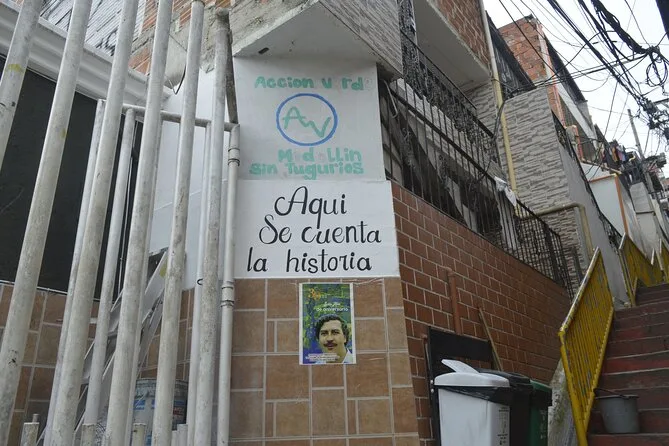
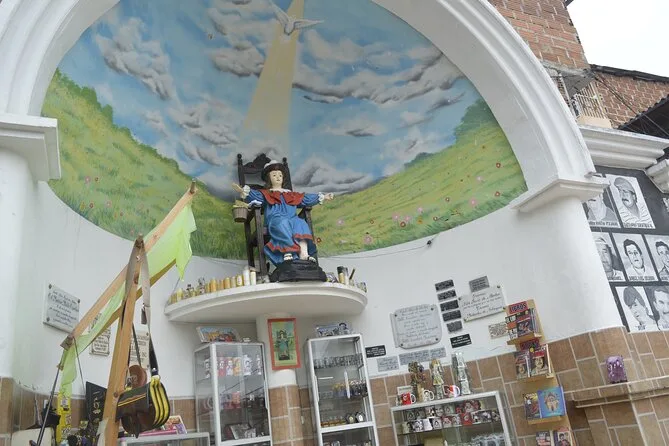
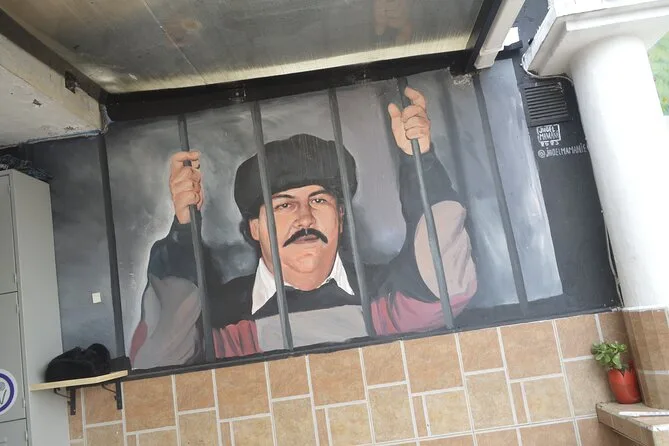
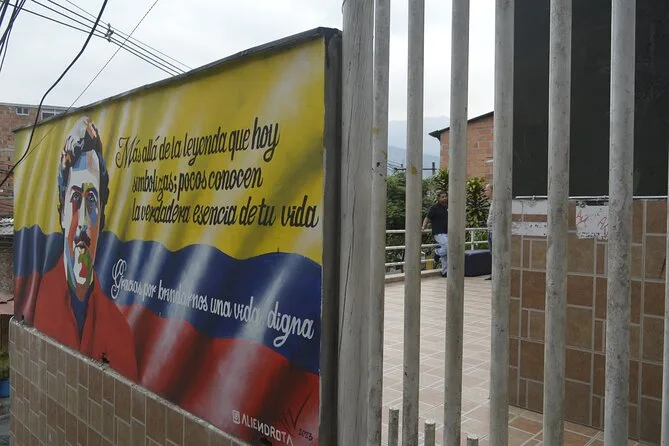
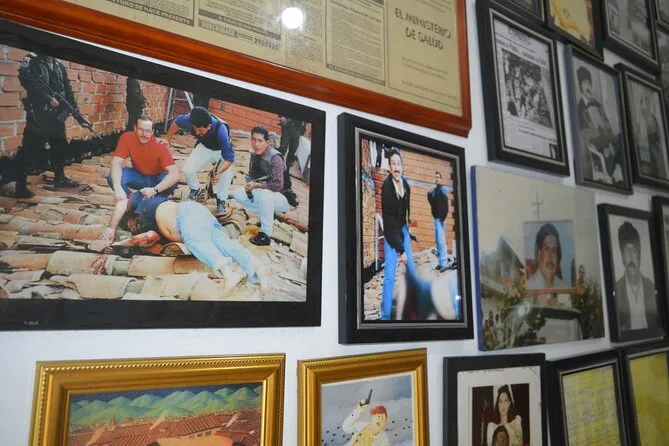
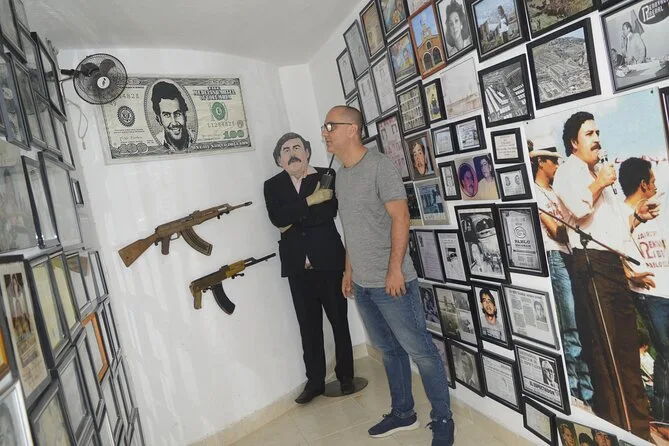
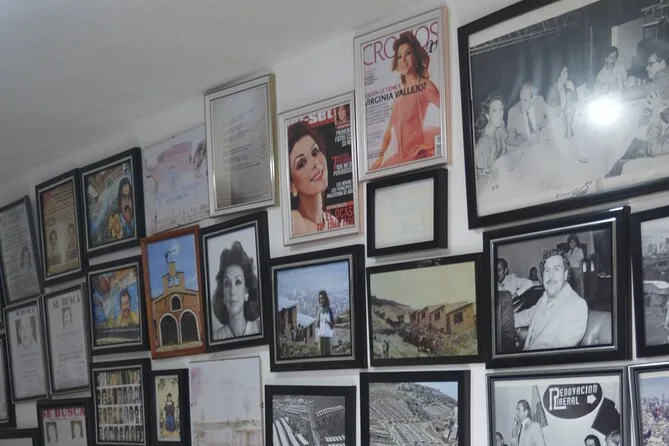
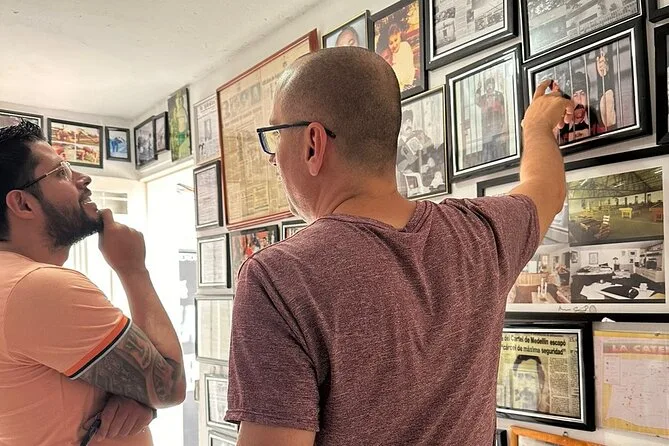
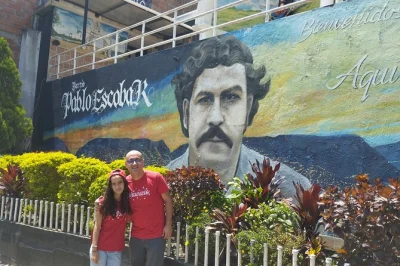
The morning air in Medellin felt a little heavy as we wound our way through the Pablo Escobar neighborhood. Our guide, Andrés, grew up just a few blocks away—he pointed out the faded murals and the small corner shop where he used to buy empanadas as a kid. The houses here, built decades ago for families who had almost nothing, still buzz with life. We ducked into a tiny museum run by locals—inside, the scent of old paper and coffee mixed together, and I found myself thumbing through black-and-white photos while Andrés explained how the community has tried to reclaim its story. I picked up a hand-painted magnet from Doña Marta, who smiled shyly behind her table of souvenirs.
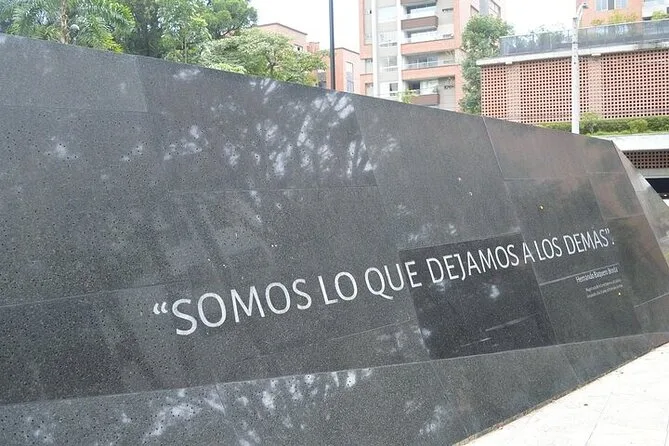
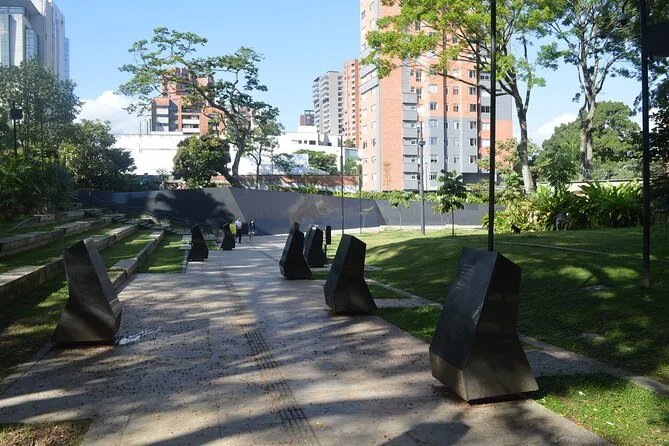
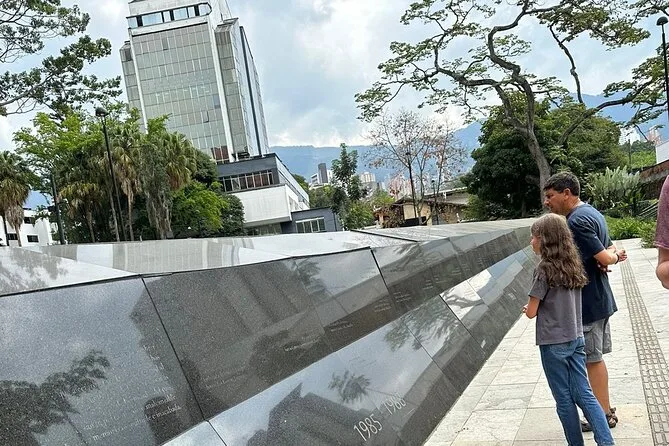
Next, we stopped at the site of the old Monaco building. There’s nothing left of the original structure now—just a memorial park, quiet except for the distant hum of traffic. The names of thousands of victims are etched into stone. Andrés didn’t sugarcoat anything; he told us about the bombings, the fear that gripped the city, and how families would sleep with their shoes on, just in case. I noticed a group of teenagers skateboarding nearby, laughing—life moving forward, right beside the memories.
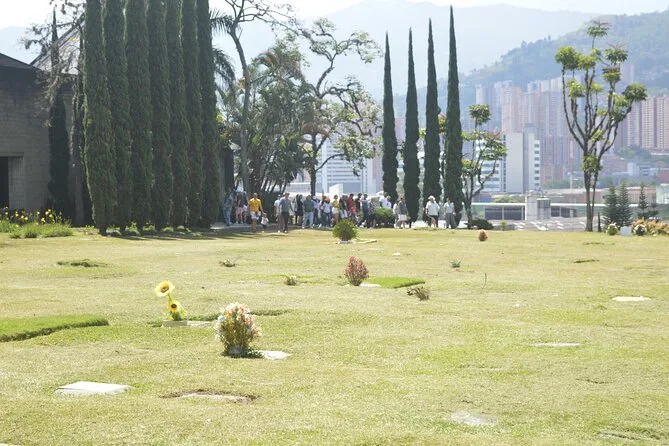
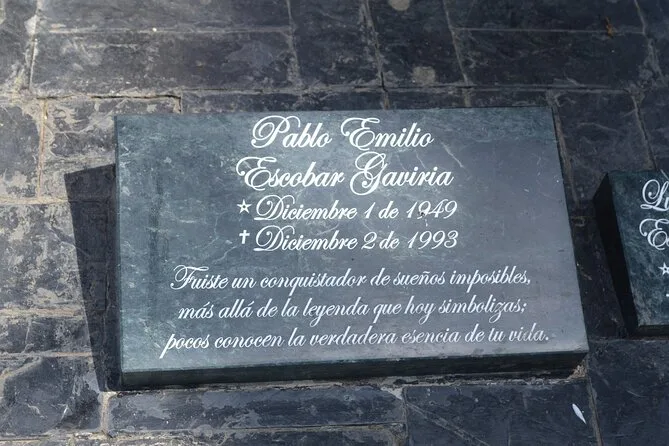
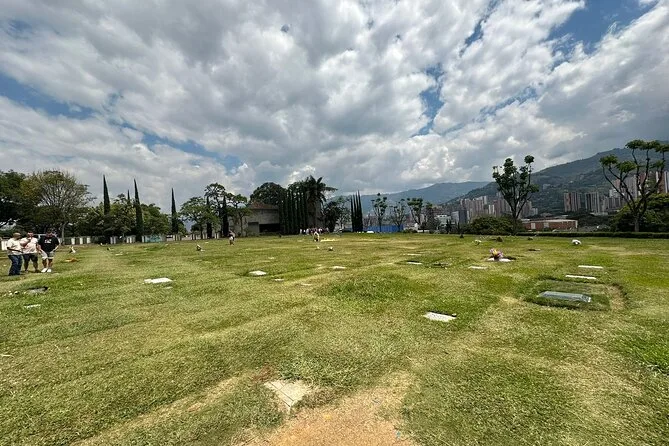
The cemetery was surprisingly peaceful. We stood by Pablo Escobar’s grave, along with those of Gustavo Gaviria and other family members. There were fresh flowers—someone had been here earlier. I overheard a local woman quietly telling her son why people still visit, her voice barely above the sound of birds in the trees. It felt strange, standing there, thinking about how many stories ended right at this spot.
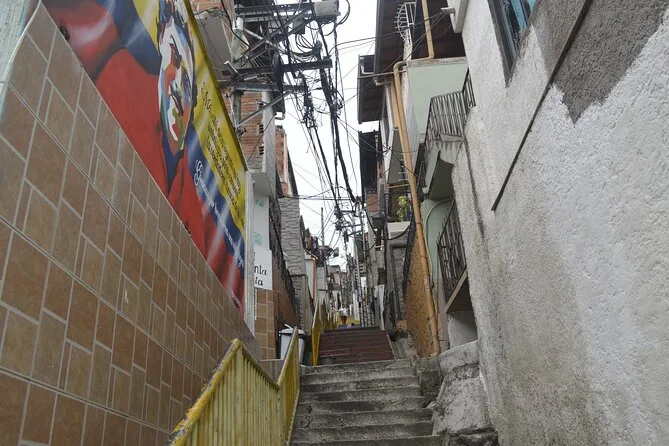
Later, we walked to the house where Escobar died. The street looked ordinary—kids playing soccer, laundry flapping from balconies. Andrés described the operation that led to Escobar’s last moments; you could almost picture it happening right there, just above our heads. He showed us a faded plaque on the wall, easy to miss if you weren’t looking for it.
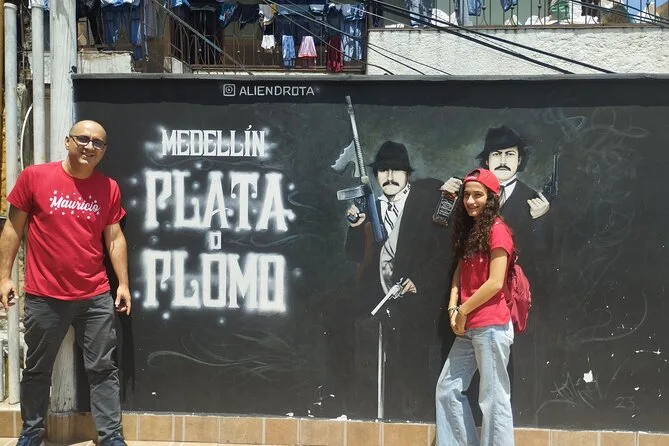
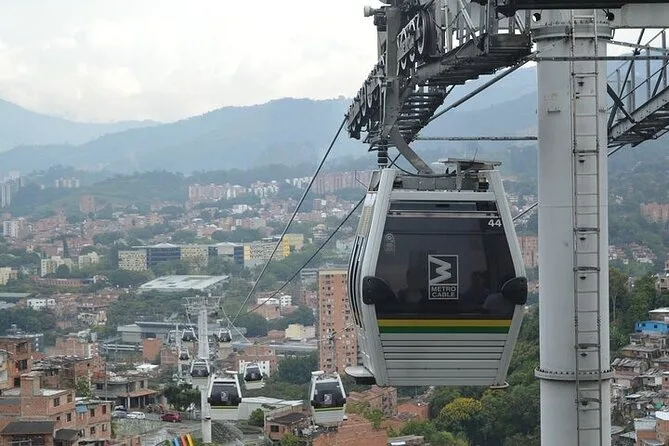
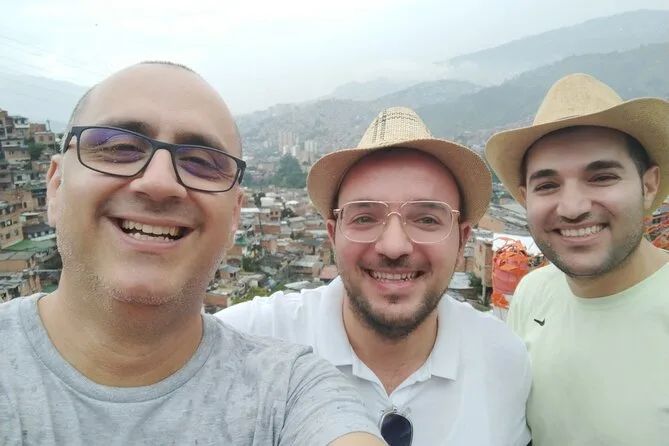
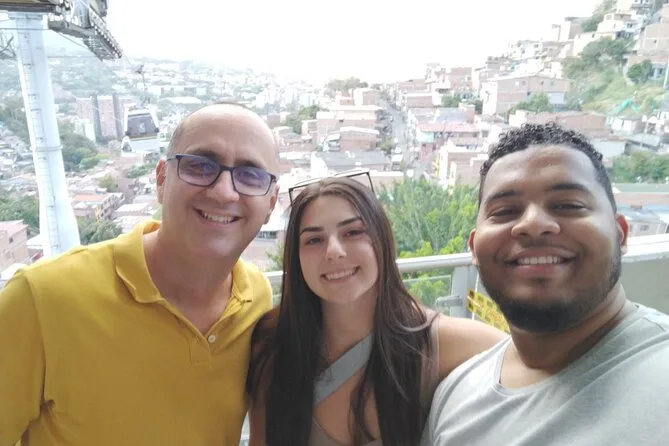
We finished with a ride on the Medellin cable metro. As we glided over Comuna 13, the city opened up below us—patches of bright paint on rooftops, dogs barking somewhere far off. The air up there was cooler, and you could see how the hills shape daily life. Andrés pointed out murals and explained how things have changed since his childhood. I leaned against the window, watching as sunlight flickered across tin roofs. It was hard not to feel hopeful.

What’s included
Your spot includes insurance for peace of mind, plus all guiding and metro cable tickets. Just bring your curiosity—and maybe some pesos for snacks or souvenirs along the way!
Operated by Medellín Best Tours
Traveler reviews
Compare the 13 similar options
 Medellin private history tour with local guide★ 5.00 (20)3h–5hEN · ESUS$ 75
 Medellin: Comuna 13 Graffiti Tour & Metrocable Day TripFeel Medellin’s pulse on a day trip with graffiti art in Comuna 13, Metrocable rides, Barefoot Park, and Plaza Botero—includes lunch and bilingual guide.★ 4.92 (1,935)7h–8hEN · ESUS$ 52View ›
 Medellin Pablo Escobar Tour: Museum, Cemetery & RooftopTrace Medellin’s past with a guided Pablo Escobar tour, including the family museum, rooftop site, cemetery visit, and local beer tasting. Entry fees included.★ 4.91 (98)4hEN · ESUS$ 31View ›
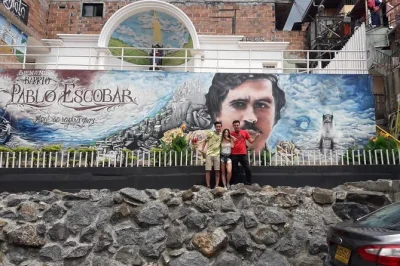 Pablo Escobar Tour Medellín: Museum, Cemetery & SitesGuided tour of Pablo Escobar sites in Medellín with museum entry, cemetery visit and private transportation★ 4.89 (1,384)4h–5hEN · ESUS$ 40View ›
 Medellín: Comuna 13 Street Art & Cable Car TourMedellín's Comuna 13 with cable car ride and street art walk. Includes metro, cable car and bus. Meet local artists. 2–3 hours from Poblado metro.★ 4.75 (712)4h 30mEN · ESUS$ 28View ›
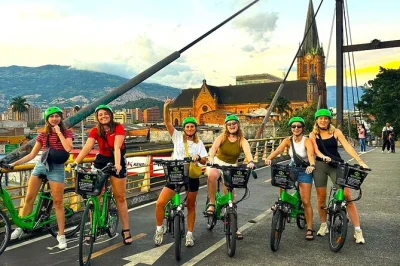 Medellin: Electric Bike City Tour with Coffee & Local SnackFeel Medellin’s pulse on an electric bike tour—glide through vibrant neighborhoods, taste Colombian coffee, snack with locals, and enjoy city views. Includes guide.★ 4.93 (1,462)4hEN · ESUS$ 40View ›
 Comuna 13 Medellín guided tour: graffiti, escalators, snacksWalk through Comuna 13's transformed streets with a guide who explains the graffiti stories and the escalators that changed the neighborhood★ 4.96 (1,940)3hEN · ESUS$ 15.12View ›
 Commune 13 graffiti tour Medellín: street art and cable carStart at San Javier Metro Station and ride the cable car through Medellín's skyline, then walk Commune 13's electric stairs with a local guide who★ 4.91 (160)4hENUS$ 19.50View ›
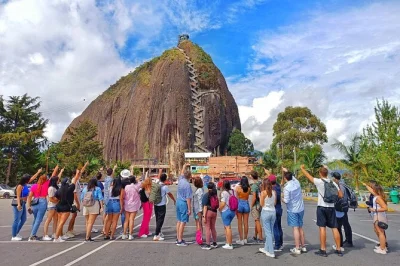 Guatapé Day Tour from Medellín: Rock, Boat & Colorful TownSpend ten hours exploring Guatapé's colorful streets, climbing El Peñol Rock, and cruising the reservoir by boat from Medellín with meals and a guide.★ 4.95 (8,105)10h–11hEN · ESUS$ 43View ›
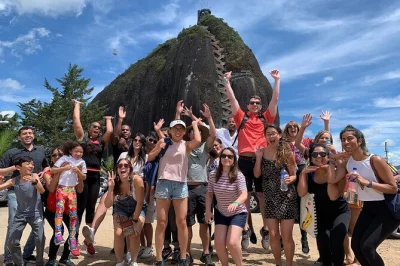 Guatapé from Medellín: Piedra del Peñol & Boat Tour Celebrity HomesFull-day Guatapé tour from Medellín with Piedra del Peñol climb, town walk, boat ride past celebrity mansions, and breakfast & lunch included. Small groups, 10-12 hours.★ 4.84 (3,095)10h–11hEN · ESUS$ 45View ›
 Guatapé tour from Medellín: Peñol Rock, boat ride, llamasEleven-hour guided tour from Medellín with breakfast, 700-step Peñol Rock climb, traditional lunch, luxury boat ride through the reservoir★ 4.89 (1,380)11hEN · ESUS$ 44View ›
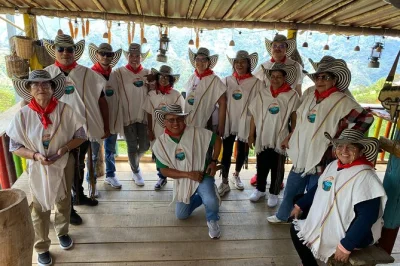 Medellín Coffee Farm Tour with Tastings & Local LunchSmell fresh coffee beans in the hills near Medellín, join a family farm for hands-on harvesting, taste local brews, and enjoy a traditional lunch—includes pickup.★ 4.90 (453)4hEN · ESUS$ 75View ›
 Comuna 13 Graffiti Tour with Street Food in MedellínGuided graffiti tour of Medellín's Comuna 13 with local street food tastings, electric escalators and a city viewpoint★ 4.91 (9,311)3hEN · ESUS$ 21View ›
Top questions
Is this tour suitable for people who don’t know much about Pablo Escobar?
Absolutely! The guide explains everything clearly and shares both historical facts and personal stories, so you don’t need any background knowledge.
How long does the tour take?
The experience usually lasts around half a day, but it can vary depending on questions or group pace.
Will we have time to buy souvenirs or take photos?
Yes—there are chances to pick up souvenirs in the neighborhood museum and plenty of time for photos at each stop.
Medellin private history tour with local guide
3h–5h · EN · ES · at your hotel
from US$ 75 per person
★★★★★★★★★★5.0020 reviews
