
Medellin Pablo Escobar Tour: Museum, Cemetery & Rooftop


Four stops through Medellin's cartel history, led by guides trained by the Escobar family
You’ll trace Medellin’s complicated history with a local guide—from beer tasting in El Poblado to hearing stories at the Escobar Family Museum, seeing the rooftop where his story ended, visiting graves at Montesacro cemetery, and pausing for reflection in Inflection Park. Each stop feels personal in its own way—sometimes heavy, sometimes oddly hopeful.
 4h
4h

Step-by-step itinerary
Explore Pablo Escobar's life and legacy
- Visit Escobar Family Museum
- See roof where Escobar was shot
- Visit tombs of Escobar and others
- Explore Inflection Park memorial

The Experience
The day started with us running late—classic. Our taxi took a wrong turn near Parque de la Poblado, so we showed up a bit flustered. Our guide, Andrés, just grinned and handed me a cold Colombian beer before we even got into the story of Pablo Escobar. I didn’t expect to start this tour with laughter, but there it was—somehow that first sip cut through my nerves and the city’s humid buzz.
Inside the Escobar Family Museum, Laura (she said she was related—cousin? niece? I didn’t quite catch it) walked us through glass cases filled with old photos and things that looked ordinary until you heard what they’d seen. There was this faded leather jacket that still smelled faintly of cologne and dust. We were allowed to ask anything—Andrés encouraged it—and honestly, some questions felt heavy in the air. He explained how Medellin has changed since those days; I could see he’d told these stories before but still cared about getting them right.
Later, standing on the roof where Escobar died, I felt weirdly quiet. The sun bounced off chipped tiles and you could hear kids playing somewhere below—life going on. Andrés told us about the different versions of what happened up there; he didn’t pretend to know everything for sure. Then at Montesacro cemetery, we found Escobar’s grave next to Griselda Blanco’s. Someone had left fresh flowers—roses, I think—and an old man nearby made a sign of the cross without looking up at us.
Inflection Park was our last stop. It’s meant for remembering victims now—a place for reflection right where so much chaos started. There wasn’t much talking then; just birds in the trees and a few people sitting quietly on benches. I keep thinking about that feeling—how history can be both loud and silent at once.

What’s included
Your day includes pickup from Parque de la Poblado (or nearby), entry tickets to the Escobar Family Museum where you’ll hear personal stories from locals connected to his legacy, stops at key historical sites including his grave and Inflection Park, plus a cold Colombian beer or water along the way—all by air-conditioned vehicle before returning to central Medellin.
Operated by Enjoy Medellín Tours
Is this one for you?This tour is built for travelers who want the full arc of Medellin's Escobar story in one morning without arranging separate tickets and transport -- the guides are trained by the family itself, which changes what you learn at each stop.
Traveler reviews
Compare the 13 similar options
 Medellin Pablo Escobar Tour: Museum, Cemetery & Rooftop★ 4.90 (100)4hEN · ESUS$ 31
 Medellin: Comuna 13 Graffiti Tour & Metrocable Day TripFeel Medellin’s pulse on a day trip with graffiti art in Comuna 13, Metrocable rides, Barefoot Park, and Plaza Botero—includes lunch and bilingual guide.★ 4.92 (1,946)7h–8hEN · ESUS$ 52View ›
 Medellín: Comuna 13 Street Art & Cable Car TourMedellín's Comuna 13 with cable car ride and street art walk. Includes metro, cable car and bus. Meet local artists. 2–3 hours from Poblado metro.★ 4.75 (715)4h 30mEN · ESUS$ 28View ›
 Guatapé Day Tour from Medellín: Rock, Boat & Colorful TownSpend ten hours exploring Guatapé's colorful streets, climbing El Peñol Rock, and cruising the reservoir by boat from Medellín with meals and a guide.★ 4.95 (8,123)10h–11hEN · ESUS$ 43View ›
 Guatapé from Medellín: Piedra del Peñol & Boat Tour Celebrity HomesFull-day Guatapé tour from Medellín with Piedra del Peñol climb, town walk, boat ride past celebrity mansions, and breakfast & lunch included. Small groups, 10-12 hours.★ 4.84 (3,096)10h–11hEN · ESUS$ 45View ›
 Comuna 13 Medellín guided tour: Graffiti, escalators, snacksWalk through Comuna 13's transformed streets with a guide who explains the graffiti stories and the escalators that changed the neighborhood★ 4.96 (1,949)3hEN · ESUS$ 15.12View ›
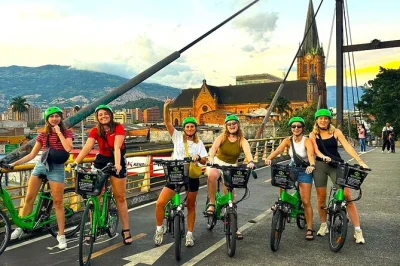 Medellin: Electric Bike City Tour with Coffee & Local SnackFeel Medellin’s pulse on an electric bike tour—glide through vibrant neighborhoods, taste Colombian coffee, snack with locals, and enjoy city views. Includes guide.★ 4.93 (1,472)4hEN · ESUS$ 40View ›
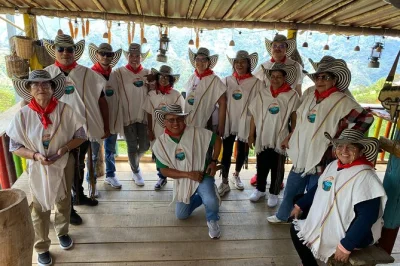 Medellín Coffee Farm Tour with Tastings & Local LunchSmell fresh coffee beans in the hills near Medellín, join a family farm for hands-on harvesting, taste local brews, and enjoy a traditional lunch—includes pickup.★ 4.90 (457)4hEN · ESUS$ 75View ›
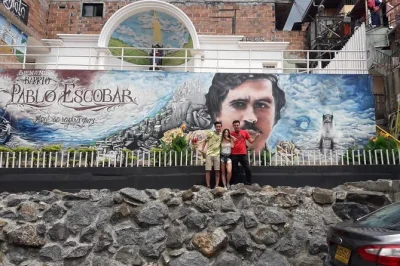 Pablo Escobar Tour Medellín: Museum, Cemetery & SitesGuided tour of Pablo Escobar sites in Medellín with museum entry, cemetery visit and private transportation★ 4.89 (1,391)4h–5hEN · ESUS$ 40View ›
 Medellín: Street Food Tour in El Poblado & Manila with TastingsLet Medellín surprise you with a street food tour through El Poblado and Manila. Taste nine local bites, sip Colombian coffee, and wander with a local guide.★ 4.91 (92)2h 30mEN · ESUS$ 55View ›
 Commune 13 graffiti tour Medellín: Street art and cable carStart at San Javier Metro Station and ride the cable car through Medellín's skyline, then walk Commune 13's electric stairs with a local guide who★ 4.91 (161)4hENUS$ 19.50View ›
 Guatapé tour from Medellín: Peñol Rock, boat ride, llamasEleven-hour guided tour from Medellín with breakfast, 700-step Peñol Rock climb, traditional lunch, luxury boat ride through the reservoir★ 4.89 (1,404)11hEN · ESUS$ 41View ›
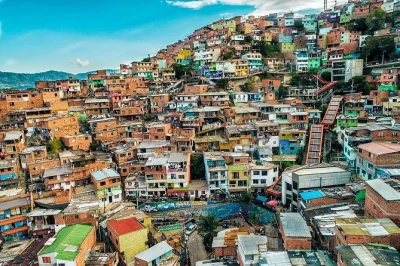 Comuna 13 Graffiti Tour with Street Food in MedellínGuided graffiti tour of Medellín's Comuna 13 with local street food tastings, electric escalators and a city viewpoint★ 4.91 (9,359)3hEN · ESUS$ 21View ›
Top questions
What sites are included on the Pablo Escobar tour in Medellin?
The tour includes Parque de la Poblado (with beer tasting), the Escobar Family Museum, the rooftop where Escobar died, Montesacro Gardens cemetery (Escobar and Griselda Blanco's graves), and Inflection Park.
Is entry to the Escobar Family Museum included?
Yes, admission to the museum is included in your tour booking.
Who leads the Pablo Escobar tour in Medellin?
The guides are specialized locals trained with help from Escobar's family members.
Does this day trip include transportation?
An air-conditioned vehicle is provided during the tour between sites.
Are drinks or food included on this Pablo Escobar history tour?
You’ll get a local Colombian beer or water as part of your experience.
How long does it take to visit all stops on this Medellin tour?
The full experience covers several key locations over half a day; exact timing may vary depending on group pace.
Can children join this Pablo Escobar guided tour?
The tour is suitable for all physical fitness levels; infants must sit on an adult's lap during transport.
Is public transportation available near the starting point?
Yes, public transportation options are available close to Parque de la Poblado where you begin.
Medellin Pablo Escobar Tour: Museum, Cemetery & Rooftop
4h · EN · ES
from US$ 31 per person
★★★★★★★★★★4.90100 reviewsVerified traveler reviews via our booking provider
