
Medellin: Comuna 13 Graffiti Tour, Fruit Tasting & Cable Car

Street art stories, cable car views and fruit you’ve never tasted in Medellin
You’ll walk Medellin’s Comuna 13 with a local guide who shares street art stories and neighborhood history, taste rare Colombian fruits at a real market, and ride the city’s cable car above colorful rooftops. Expect honest conversations about Medellin’s past—and moments that stick with you long after you leave.
 4h–5h
4h–5h

Step-by-step itinerary
Comuna 13 tour and fruit tasting
- Walk Comuna 13 graffiti district
- Try traditional Colombian snacks
- Visit viewpoint and graffiti pathway
- Ride cable car over hillside houses
- Learn about Medellin's social history
- Taste exotic Colombian fruits
- Return to drop-off location

The Experience
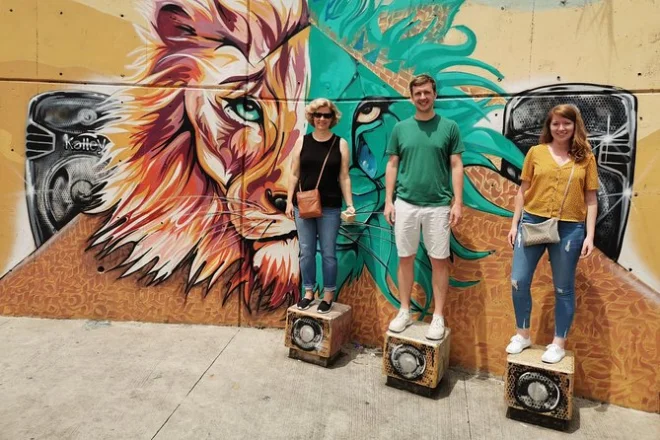
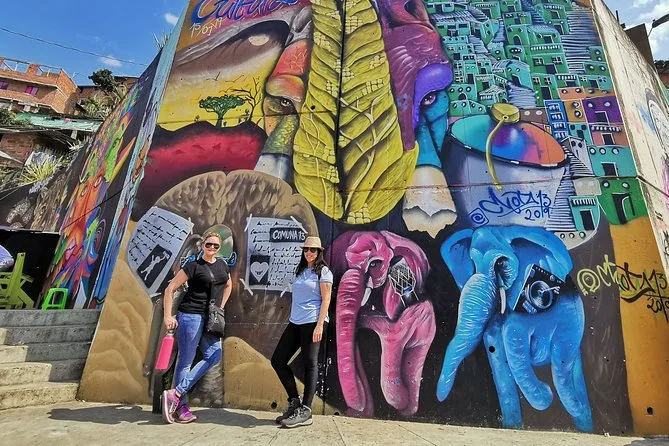
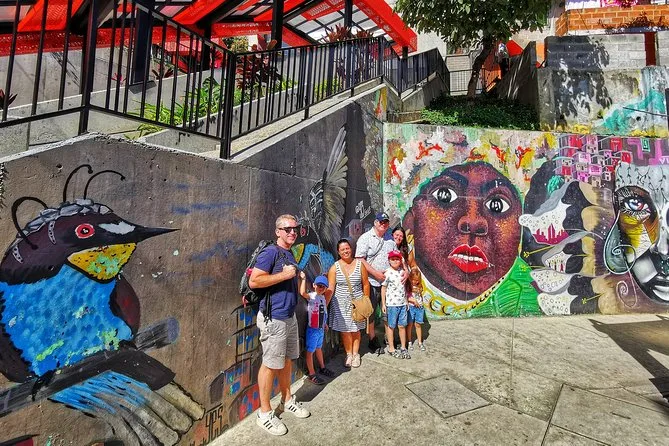
"You ever tried lulo before?" That’s what our guide, Andrés, asked as we stopped at a tiny stall in Comuna 13. I hadn’t even heard of half the fruit names he rattled off. The morning started with us winding through streets covered in graffiti—some wild bursts of color, some almost hidden unless you really looked. Andrés would pause every so often to tell us who painted what, or why there was a hummingbird tucked into the corner of a mural. Kids played on the steps nearby. It was humid but not too hot, and the smell of frying empanadas drifted out from somewhere close. I’m still thinking about that first bite—crispy outside, soft inside, just salty enough.
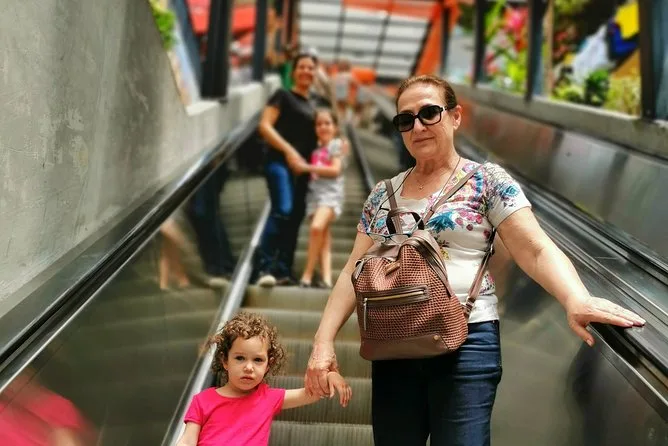
We took those famous outdoor escalators up the steep hill (which honestly felt surreal—escalators outside?), passing people chatting or selling snacks on the landings. At one point, an old woman smiled and waved at us; Andrés said she’d lived here since before things changed for the better. He didn’t sugarcoat anything—he talked about the violence that used to grip this place and how street art became a way for people to reclaim their walls. The view from up top is something else: houses stacked like Lego bricks, mountains behind them, city stretching out below. I tried to take it all in but there’s just so much color everywhere you look.
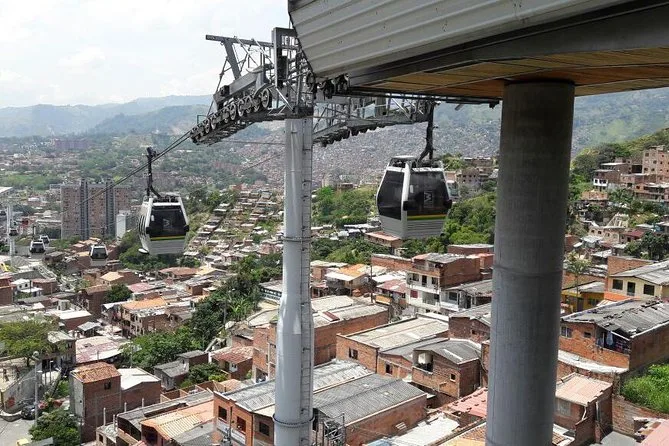
The cable car ride was quieter than I expected—just a soft hum as we glided over rooftops and green patches between houses. Andrés pointed out which neighborhoods had been built by families displaced by conflict; you could see laundry flapping on lines and kids waving up at us. He explained how this system changed daily life for thousands here—suddenly people could get to work or school without climbing endless stairs. Kind of makes you rethink public transport back home.
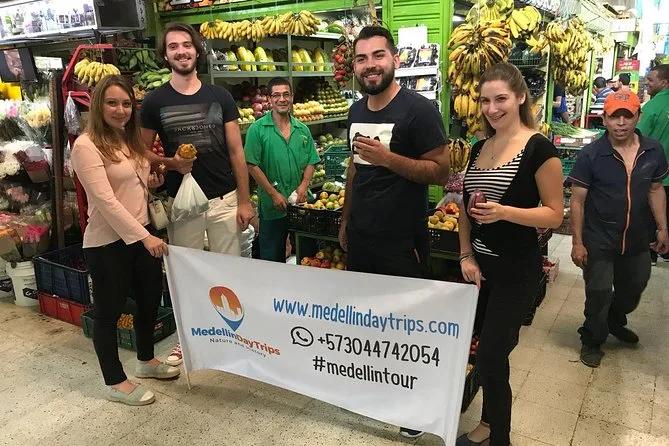
Afterwards we hit a local market—not touristy at all—and lined up slices of guanabana, maracuyá, feijoa… I lost count after six or seven fruits. Some were sweet and sticky; others almost sour enough to make my eyes water (I made a face and Andrés laughed). He told me how Colombia grows more types of fruit than anywhere else per square meter—I believe it now. We finished sticky-fingered and happy before heading back to our hotel with way more photos than I meant to take. Still can’t pronounce half those fruit names right.

What’s included
Your day includes hotel pickup and drop-off in Medellin, guided walks through Comuna 13’s graffiti-covered streets with personal stories from your local guide, light refreshments along the way including traditional snacks like empanadas plus an exotic fruit tasting session at a non-touristy market stand—all before returning comfortably by car wherever you want in town.
Operated by MedellinDayTrips
Traveler reviews
Compare the 13 similar options
 Medellin: Comuna 13 Graffiti Tour, Fruit Tasting & Cable Car★ 4.99 (175)4h–5hEN · ESUS$ 99
 Medellin: Electric Bike City Tour with Coffee & Local SnackFeel Medellin’s pulse on an electric bike tour—glide through vibrant neighborhoods, taste Colombian coffee, snack with locals, and enjoy city views. Includes guide.★ 4.93 (1,472)4hEN · ESUS$ 40View ›
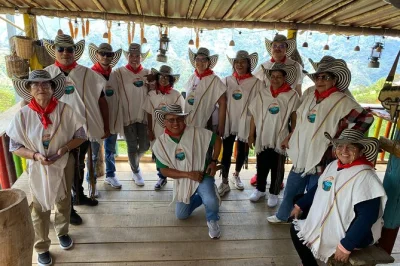 Medellín Coffee Farm Tour with Tastings & Local LunchSmell fresh coffee beans in the hills near Medellín, join a family farm for hands-on harvesting, taste local brews, and enjoy a traditional lunch—includes pickup.★ 4.90 (457)4hEN · ESUS$ 75View ›
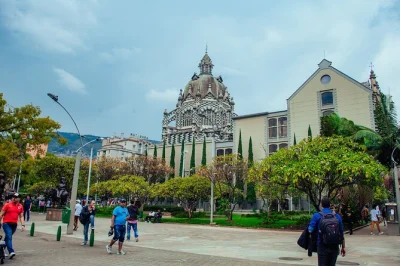 Medellin: Comuna 13 Graffiti Tour & Metrocable Day TripFeel Medellin’s pulse on a day trip with graffiti art in Comuna 13, Metrocable rides, Barefoot Park, and Plaza Botero—includes lunch and bilingual guide.★ 4.92 (1,946)7h–8hEN · ESUS$ 52View ›
 Medellín: Comuna 13 Street Art & Cable Car TourMedellín's Comuna 13 with cable car ride and street art walk. Includes metro, cable car and bus. Meet local artists. 2–3 hours from Poblado metro.★ 4.75 (715)4h 30mEN · ESUS$ 28View ›
 Comuna 13 Graffiti Tour with Street Food in MedellínGuided graffiti tour of Medellín's Comuna 13 with local street food tastings, electric escalators and a city viewpoint★ 4.91 (9,359)3hEN · ESUS$ 21View ›
 Medellín: Street Food Tour in El Poblado & Manila with TastingsLet Medellín surprise you with a street food tour through El Poblado and Manila. Taste nine local bites, sip Colombian coffee, and wander with a local guide.★ 4.91 (92)2h 30mEN · ESUS$ 55View ›
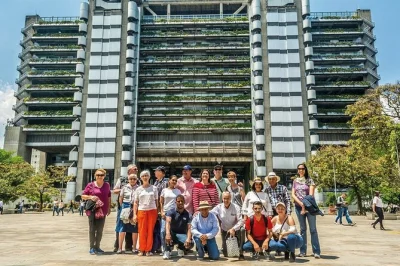 Medellín: Metro Cable, Botero Plaza & Pueblito Paisa Day TourRide Medellín’s metro cable, wander Botero Plaza’s sculptures, and relax at Barefoot Park—all with a local guide and city transport included.★ 4.89 (1,792)3h–4hEN · ESUS$ 26View ›
 Comuna 13 Medellín guided tour: Graffiti, escalators, snacksWalk through Comuna 13's transformed streets with a guide who explains the graffiti stories and the escalators that changed the neighborhood★ 4.96 (1,949)3hEN · ESUS$ 15.12View ›
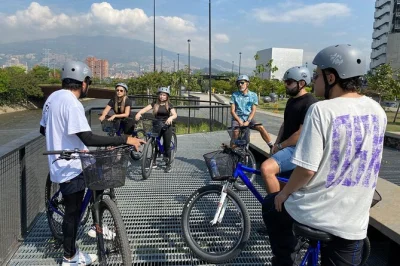 Medellin: City Bike Tour with Botero Plaza & Pueblito PaisaFeel Medellin’s pulse on a city bike tour—Botero Plaza, Pueblito Paisa, local snacks, and organic coffee. Includes guide, helmet, drinks, and all gear.★ 4.88 (180)4hEN · ESUS$ 28View ›
 Commune 13 graffiti tour Medellín: Street art and cable carStart at San Javier Metro Station and ride the cable car through Medellín's skyline, then walk Commune 13's electric stairs with a local guide who★ 4.91 (161)4hENUS$ 19.50View ›
 Medellín Comuna 13 Graffiti Tour with Escalators & Street FoodFeel the energy of Medellín’s Comuna 13 on a graffiti tour with local street food, live shows, and panoramic viewpoints. Includes snacks and escalator ride.★ 4.98 (164)3hEN · ESUS$ 20View ›
 Pablo Escobar Tour Medellín: Museum, Cemetery & SitesGuided tour of Pablo Escobar sites in Medellín with museum entry, cemetery visit and private transportation★ 4.89 (1,391)4h–5hEN · ESUS$ 40View ›
Top questions
How long does the Comuna 13 graffiti tour last?
The tour is a half-day experience including walking Comuna 13, the cable car ride, and fruit tasting stops.
Is hotel pickup included for this Medellin tour?
Yes, hotel pickup and drop-off are included in your booking.
Will we try Colombian street food during the tour?
Yes, traditional snacks like empanadas are offered during your walk through Comuna 13.
What makes the cable car ride special?
The cable car offers views over Medellin’s neighborhoods built by displaced families and shows how public transport transformed daily life here.
How many different fruits do we taste on this tour?
You’ll taste at least ten exotic Colombian fruits at a local market stand.
Is this tour private or shared?
This is a private tour led by your own local guide.
Are there any fitness requirements?
You should have moderate physical fitness as there is walking involved in hilly areas.
Can pregnant travelers join this tour?
This tour is not recommended for pregnant travelers due to walking and terrain.
Medellin: Comuna 13 Graffiti Tour, Fruit Tasting & Cable Car
4h–5h · EN · ES · at your hotel
from US$ 99 per person
★★★★★★★★★★4.99175 reviewsVerified traveler reviews via our booking provider
