
Hong Kong Geopark Island Hopping: Red Rocks & Fossils
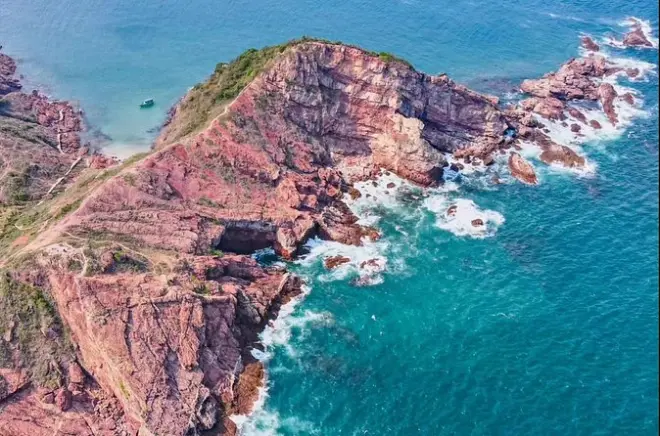


Two islands, eight rock formations, 140 million years of geology in one morning
An island-hopping tour through Hong Kong Geopark visits Bluff Head and Port Island to see red sedimentary rock formations shaped by weathering and plate movement over millions of years. You disembark at Bluff Head to explore Devil's Fist, Bacon Rock and sea caves formed 400 million years ago. Then spend longer at Port Island's North Bay examining five distinct rock shapes (Red Beach, Red Ridge, Sheep's Horn Rock, Dam Cliff and Cobra Rock) all colored red by iron oxidation from a climate 140 million years in the past. A guide explains how each rock layer's different composition created the varied shapes you see.
Compare the 5 alternatives
 Victoria Harbour night yacht cruise: Symphony of LightsEvery day · First departure 18:40, last 21:40 · All ages★ 4.50 (103)45mHK$ 198View ›
 Lantau Island: Big Buddha & Tai O Fishing Village TourEvery day · 09:45 · From age 4★ 4.91 (198)6hENHK$ 750View ›
 Aberdeen Fishing Village: Boat Tour & Floating MuseumEvery day · First departure 10:25, last 16:25 · All ages★ 4.77 (213)1h–3hHK$ 230View ›
 Full-Day Macau Tour from Hong Kong: Ruins, Temple & TowerEvery day · 07:30 · All ages★ 4.69 (255)9hENHK$ 1,680View ›
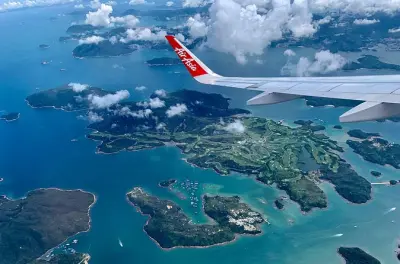 Hong Kong stopover tour from airport: Victoria Peak & essentialsEvery day · First departure 08:00, last 18:00★ 5.00 (1)4h–10hESHK$ 2,300View › Compare more experiences like this »
Step-by-step itinerary
Explore Hong Kong's Red Rock Islands
- Disembark at Bluff Head
- Explore Devil's Fist rock formation
- Visit Bacon Rock
- See Sea Caves at Bluff Head
- Disembark at North Bay, Port Island
- Explore Red Beach
- Visit Red Ridge
- See Sheep's Horn Rock
- Visit Dam Cliff
- See Cobra Rock
The experience
What makes these rocks red, and why do they look so different from each other? The answer sits in two geological timelines. At Bluff Head, sedimentary rocks formed 400 million years ago from river sediments that piled up layer by layer, then weathered into shapes like Devil's Fist: fingers carved by exposure to air, a wrist carved by sea erosion. The iron in these rocks oxidized in a hot, dry climate, turning them reddish. You might spot fossils like ammonite if you look closely at the sea caves.
Port Island's red formations are younger but more dramatically colored. The sandstone, siltstone and conglomerate rocks here date to the Cretaceous period, 140 million years ago, when the climate was extremely dry. Iron in the rock oxidized and turned deep red. Plate movements later pushed these sea-floor layers up to the surface, and now each layer, with its own resistance to weathering, has eroded into a distinct shape: Red Beach, Red Ridge, Sheep's Horn Rock, Dam Cliff and Cobra Rock. The guide walks you through why each one looks the way it does, and the red intensifies under sunlight against the blue water.
The tour runs 2.5 hours total: 40 minutes at Bluff Head to see the three main spots, then 1.5 hours at Port Island's North Bay to explore all five rock formations. You travel by boat between islands, wear a life jacket, and the guide provides photography from the tour. Public transportation options are available nearby if you need to reach the departure point.
What’s included
- A live guide in English, Chinese or Cantonese.
- life jacket for the boat journey.
- photography from the tour guide.
Before you book
Prices and times updated 4 days ago
Operated by Splitdyboat
Is this one for you?Book this tour if you want a guide to explain the geological forces behind what you're seeing: the weathering, erosion, oxidation and plate movement that shaped these rocks over hundreds of millions of years. The fixed 2.5-hour schedule fits both islands and all eight formations into one morning, so you don't need to choose between Bluff Head and Port Island.
Traveler reviews
Top questions
What languages is the tour guided in?
Live guide in English, Chinese, Chinese and Cantonese.
Can children come?
Yes. Ticket types: Infant (under 3): free.
What happens if it rains?
It may be canceled due to bad weather. If that happens, you're offered another date or a refund. Free cancellation up to 24 h before the start.
What is Devil's Fist and how did it get that shape?
Devil's Fist at Bluff Head is a 400-million-year-old sedimentary rock formation that resembles human fingers. The "fingers" were shaped by weathering after the rock was exposed to the air surface, while sea erosion carved the base to resemble a wrist. The rock formed from sediments (sand, silt and mud) that accumulated in lowlands over millions of years and became compressed into stone.
Why are the rocks at Port Island so red?
Port Island's rocks are red because iron in the sandstone, siltstone and conglomerate formations oxidized in an extremely dry climate about 140 million years ago. The oxidation turned the iron reddish, and the color intensifies when sunlight hits the rock against the blue water. These rocks were originally formed on the sea floor and were pushed to the surface by plate movements.
How many different rock formations will I see on this tour?
You'll see eight named rock formations across the two islands. At Bluff Head, you explore Devil's Fist, Bacon Rock and sea caves in 40 minutes. At Port Island's North Bay, you spend 1.5 hours examining five distinct shapes: Red Beach, Red Ridge, Sheep's Horn Rock, Dam Cliff and Cobra Rock, each formed by different layers of rock eroding at different rates.
Could I find fossils on this tour?
Fossils like ammonite can be found at Bluff Head's sea caves if you're lucky enough to spot them. Port Island has also had recent dinosaur fossil discoveries that make it a fascinating geological destination, though finding them yourself depends on careful observation during your exploration time.
What's included in the tour price?
The tour includes a live guide in English, Chinese or Cantonese; a life jacket for the boat journey; and photography from the guide. Lunch is not included, so plan to eat before or after the 2.5-hour tour.
Hong Kong Geopark Island Hopping: Red Rocks & Fossils
2h 30m · EN +3
from HK$ 640 per person
5.001 reviewVerified traveler reviews via our booking provider