

 +507 6792-0894


Rio Tijuca Rainforest Hike: Waterfalls, Caves & Wildlife






Summary
Rio’s rainforest trails lead to waterfalls, caves and wild animal encounters
You’ll follow forest trails past waterfalls and caves with a local guide who knows where to find wildlife hiding in Tijuca’s green maze. Dip your hands (or feet) in cold mountain water, listen for monkeys overhead, and end with sweeping views over Rio if conditions allow. This is one of those days you’ll remember by how it felt — humid air, cool spray, laughter echoing inside a cave.

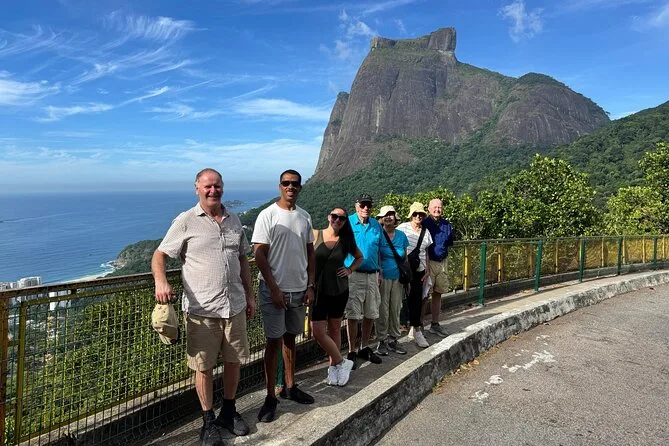
Ever wondered what the city sounds like when you leave it behind? I found out somewhere between Copacabana and the first thick wall of green in Tijuca Forest. Our guide, Pedro, picked us up just after sunrise — he joked that Cariocas aren’t built for early mornings but the forest wakes up before the city does. The van was quiet at first, but by the time we reached Mirante das Canoas and looked out at Pedra da Gávea’s hulking shape in the haze, everyone was wide awake. I remember thinking how close Rio’s chaos felt from up here, but also how far away.
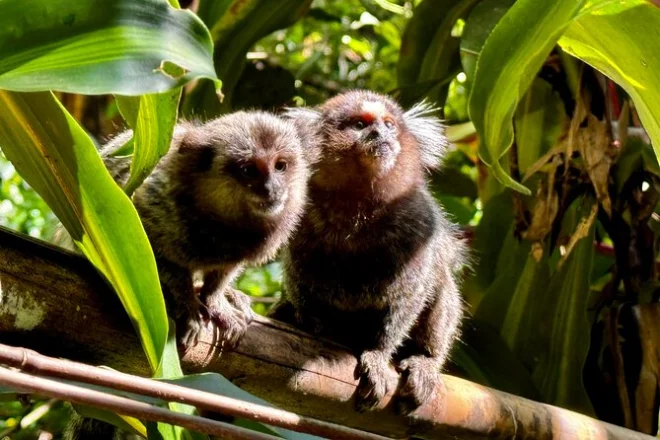
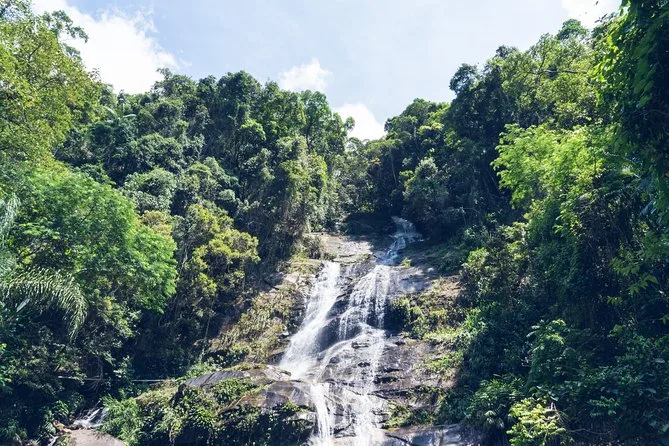
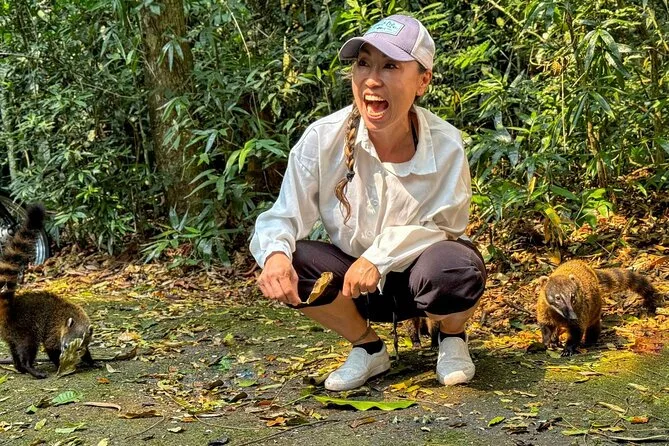
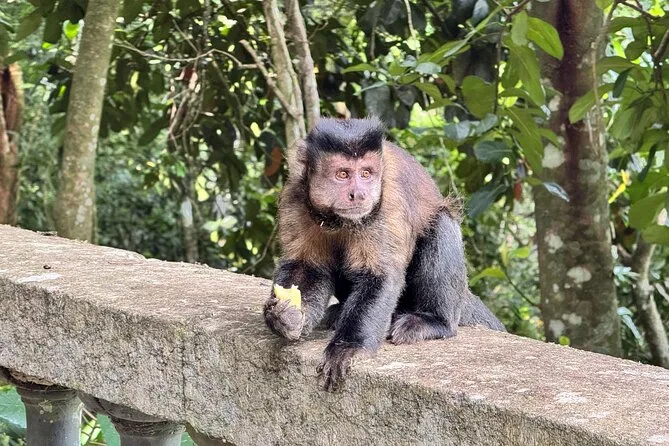
The air changed as soon as we stepped onto the trail — heavier, almost sweet. Pedro pointed out a family of coatis rustling in the undergrowth (they look like raccoons on stilts) and told us to keep our eyes open for monkeys or toucans. We didn’t see sloths, but someone swore they heard one moving above us. The Taunay Waterfall sounded before we saw it — not loud exactly, more like a constant hush that got under your skin. I dipped my hands in the water and honestly it was colder than I expected; maybe that’s why it felt so good after climbing those rocky steps.
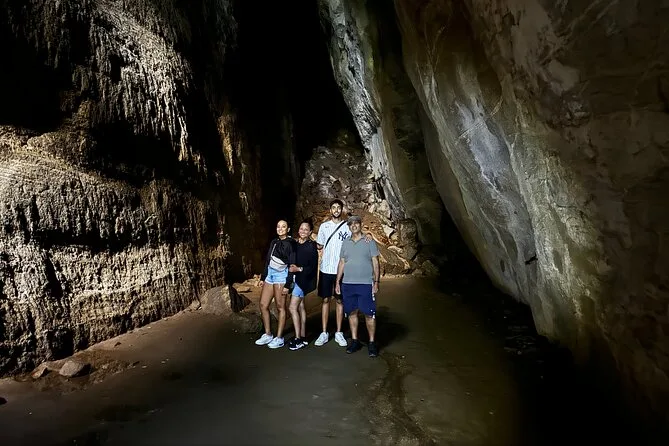
I’d never been inside a cave before this day trip in Tijuca Forest. The Bat Cave wasn’t spooky — more like stepping into another world where everything echoed weirdly and smelled faintly of earth and stone. Pedro handed around flashlights so we could see the rock formations (he called them “nature’s sculptures,” which made me laugh). Someone tried to spot bats but they must’ve been hiding from us noisy humans. Afterward we cooled off again at Baronesa Waterfall — I still think about that moment standing under a spray of water with sunlight flickering through leaves overhead. It felt like time paused for a second there.
On weekdays you get more quiet — Pedro said weekends are busier but even then, nature finds its own rhythm. We ended at Vista Chinesa (except on weekends), where you can see all of Rio laid out below: Christ the Redeemer off in the distance, blue haze over the city. There was a breeze up there that tasted faintly of eucalyptus and city dust mixed together. So yeah… if you’re looking for something real — not just another photo stop — this rainforest hike is worth every sweaty step.
 5h
5h

Step-by-step itinerary
Day 1 — Tijuca Rainforest hike and viewpoints
- Visit Mirante das Canoas viewpoint
- See Taunay Waterfall
- Explore first grotto cave
- Discover Bat Cave formations
- Swim at Baronesa Waterfall
- End at Vista Chinesa lookout

Top questions

What animals can you see on a Tijuca Rainforest hike?
You might spot coatis, monkeys, toucans, turtles, frogs or even sloths during your hike in Tijuca Forest—but sightings depend on weather and luck.
How hard is the hiking in Tijuca Forest?
The trails range from easy to moderate with some elevation; basic fitness is recommended for short climbs to caves and waterfalls.
Is hotel pickup included for this Rio rainforest tour?
Yes—pickup is included from hotels in Copacabana, Ipanema, Leblon or São Conrado neighborhoods.
When does this day trip to Tijuca Forest start?
Morning pickup runs from 6:45–8:00AM year-round; afternoon pickup is 12:45PM (May–Oct) or 1:30PM (Nov–Mar).
Can you swim at the waterfalls during this hike?
You can cool off at Baronesa Waterfall; swimming isn’t always possible depending on flow and safety conditions.
Is Vista Chinesa included on every tour?
No—Vista Chinesa is unavailable on weekends and holidays due to park regulations.
Do tours run if it rains in Rio?
Tours operate rain or shine; rainy weather often means livelier wildlife and fuller waterfalls in Tijuca Forest.

What’s included
Your day includes hotel pickup from central Rio neighborhoods (Copacabana, Ipanema, Leblon or São Conrado), entry tickets to Tijuca Forest trails and caves circuit, plus an experienced multilingual guide leading you past viewpoints and waterfalls before returning you comfortably back to your hotel.
 Super deal
  Free booking, free cancellation.
  Don't lose your place.


 Do you need help planning your next activity?
  +507 6792-0894


