

 +507 6792-0894


Rio de Janeiro: Rocinha Favela Tour & Community Projects




Summary
Walk through rocinha’s heart meet locals see rio from above support schools
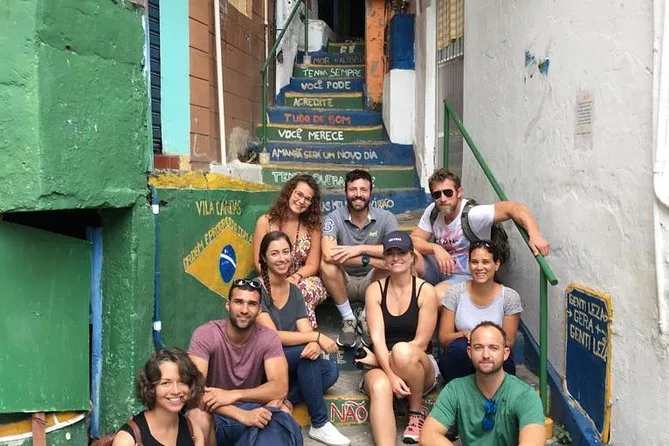
You’ll walk Rocinha’s winding lanes with a local guide who knows every shortcut, meet residents crafting jewelry or teaching kids, step onto terraces with sweeping views of Rio de Janeiro, and see firsthand how community projects shape daily life here. Expect honest stories and maybe even leave with a bracelet tied on your wrist—a small reminder of being welcomed in.

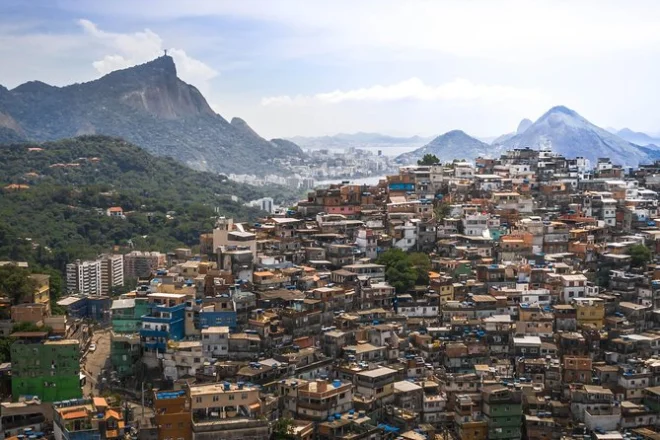
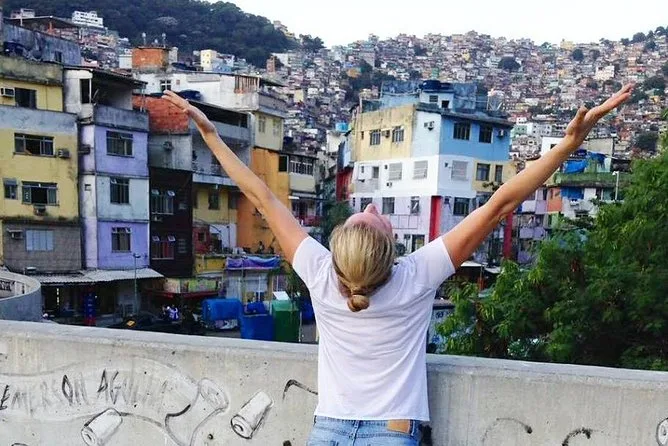
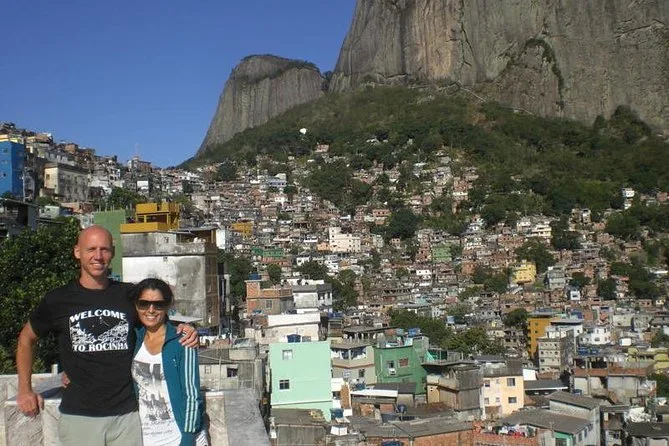
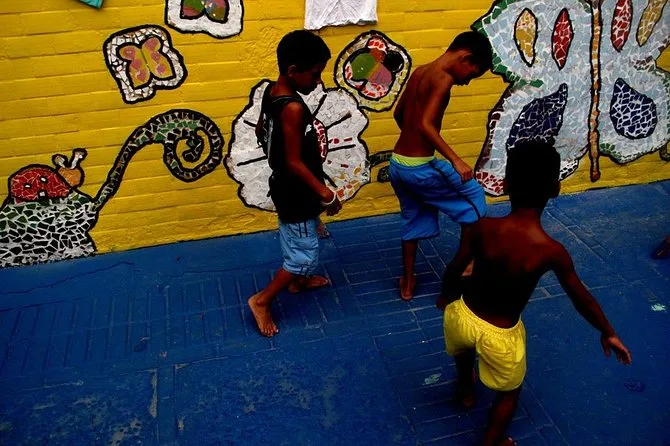
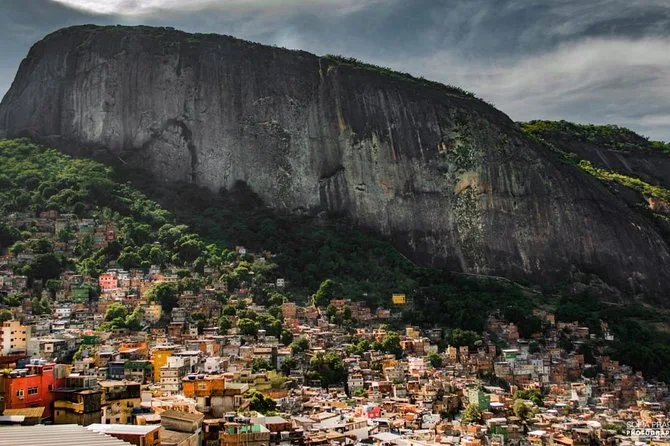
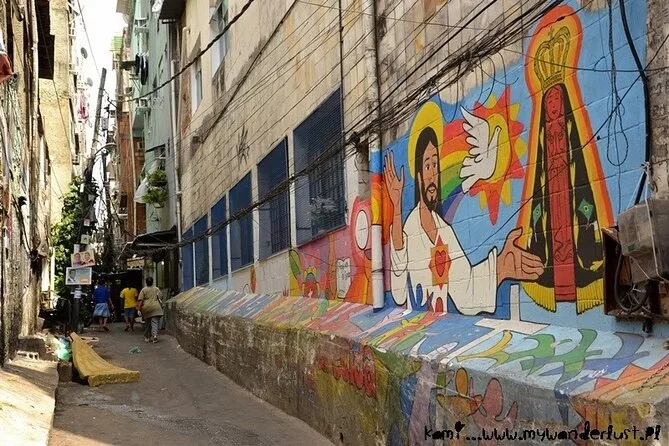
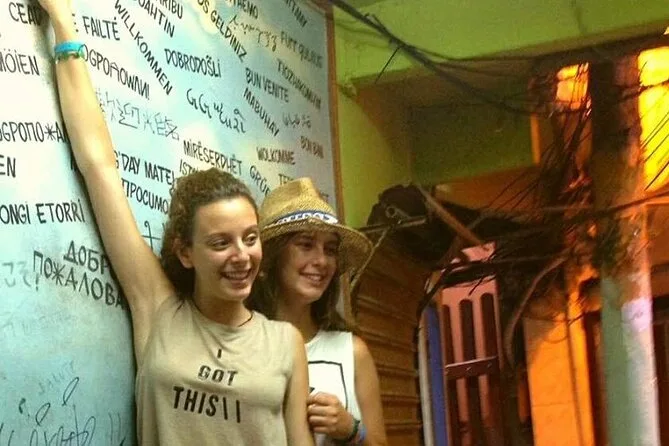
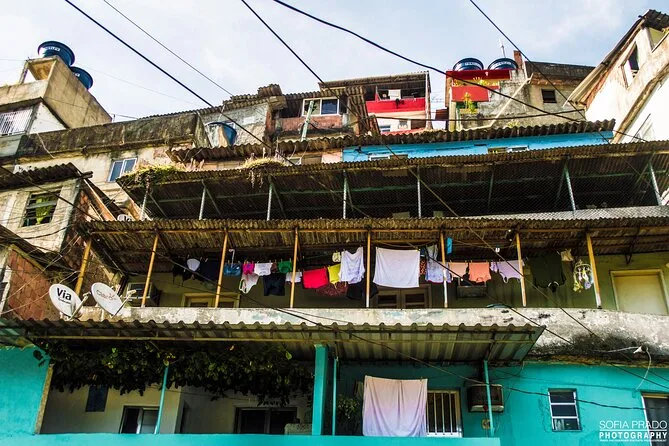
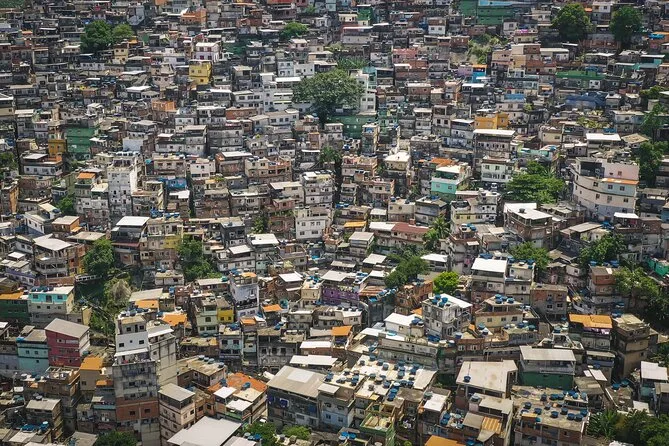
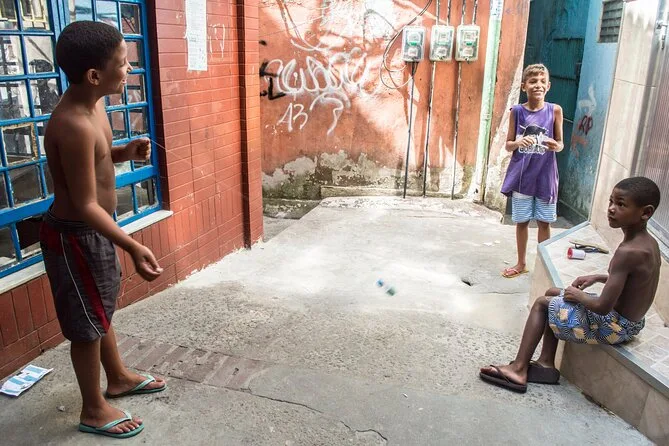
The first thing I noticed was the color—walls painted in wild blues and greens, laundry flapping on lines above us, and the way people greeted our guide like an old friend. We’d barely stepped into Rocinha when a kid darted past with a soccer ball, grinning at us like we were part of some inside joke. Our guide—Marcelo—grew up nearby, and he seemed to know everyone. He pointed out how the houses stacked up the hill “like Lego,” which made me laugh because it really did look that way.
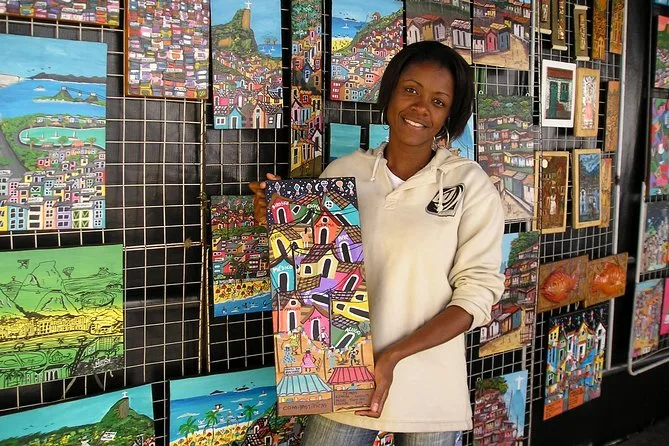
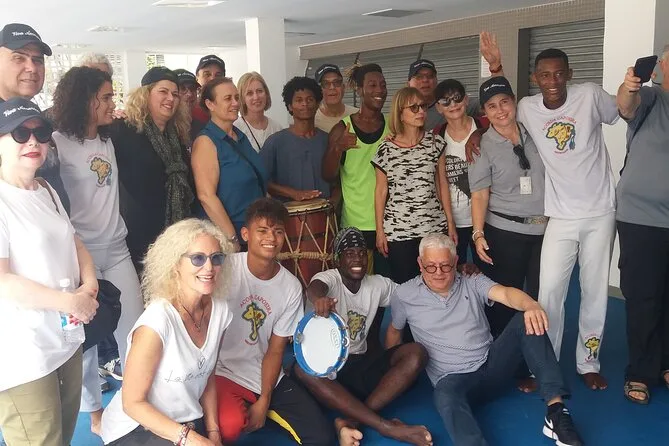
I didn’t expect to feel so at ease. There’s this constant hum here—radios playing samba, someone frying something that smelled sweet and oily (Marcelo said it was pastel), motorbikes zipping by. We stopped at a little handcraft center where women were weaving bracelets. I tried to ask about the patterns in my shaky Portuguese; one woman smiled and just tied one onto my wrist without a word. The day trip through Rocinha felt less like a tour and more like being let in on daily life for a few hours.
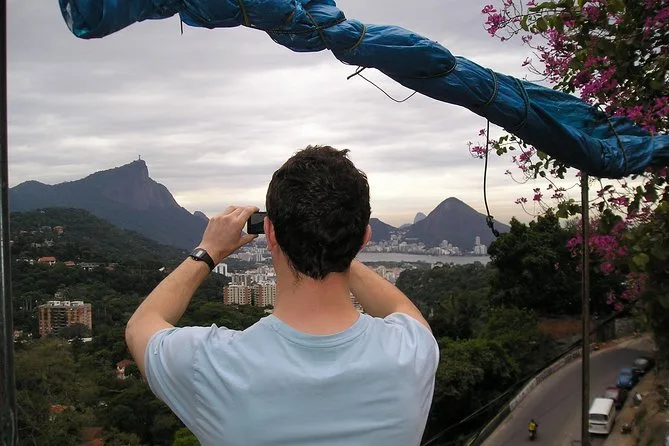
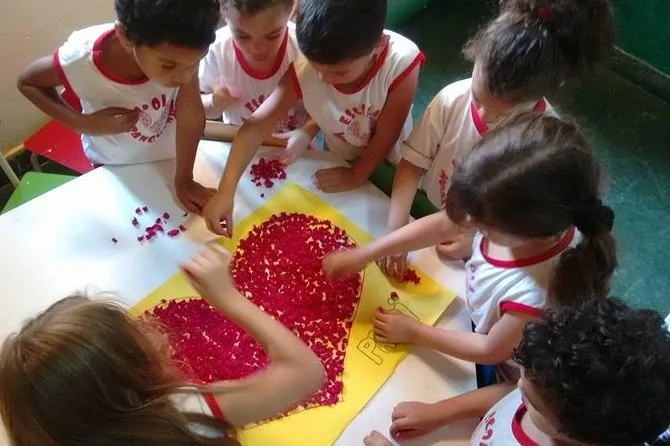
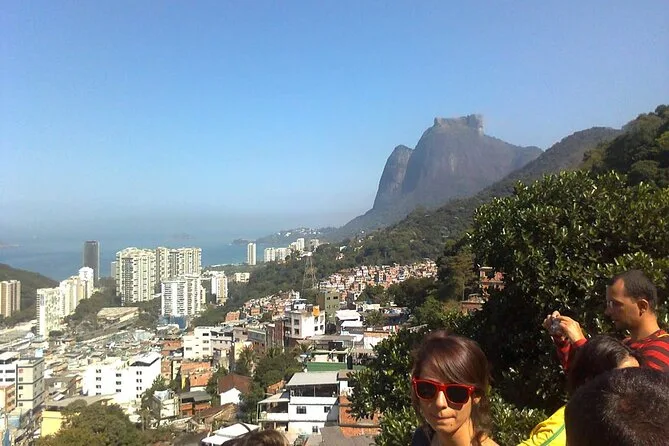
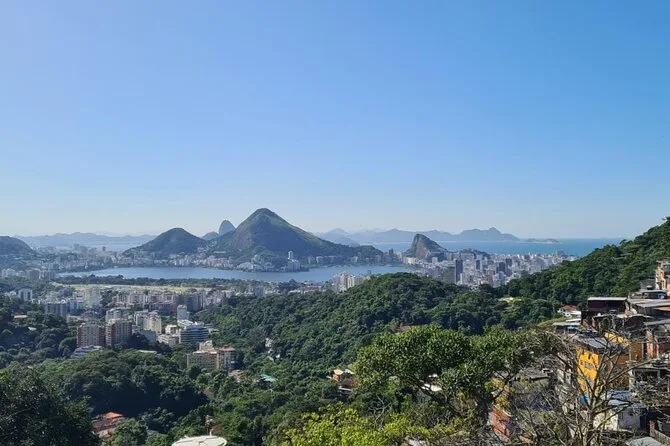
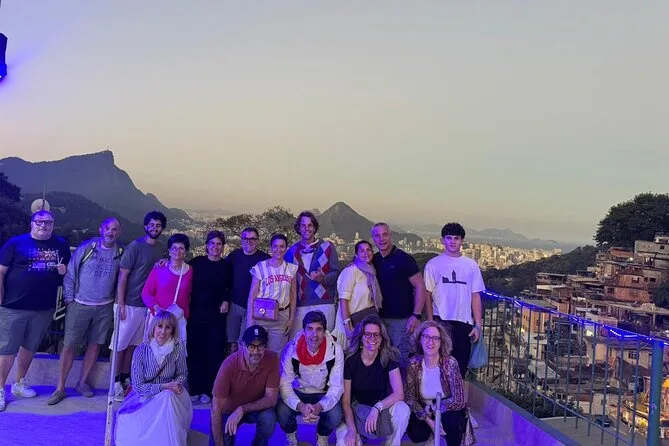
We climbed up to a terrace for that famous view over Rio—honestly, photos don’t get close. The city sprawled below us but up here it was quiet except for distant dogs barking. Marcelo talked about how these favelas are safer than most outsiders think, which surprised me. He also showed us a local school funded by the Favela Tour itself—kids learning English, music echoing from one room, computers lined up in another. I still think about those kids’ faces when they waved at us through the window.
On the drive back down Estrada da Gávea (apparently an old F1 track—who knew?), we passed Copacabana and Ipanema beaches all golden in late afternoon light. It hit me then how much of Rio you miss if you never cross into these neighborhoods. So yeah, if you’re curious about the real city—not just postcards—I’d say this favela tour is worth your morning.
 3h
3h

Step-by-step itinerary
Day 1 — Favela tour and local community visit
- Drive through South Zone beaches
- Arrive in Rocinha favela
- Learn about architecture and culture
- Visit Rocinha handcraft center
- Pause at local terrace for views
- Drive down Estrada da Gávea
- Walk commercial and central area
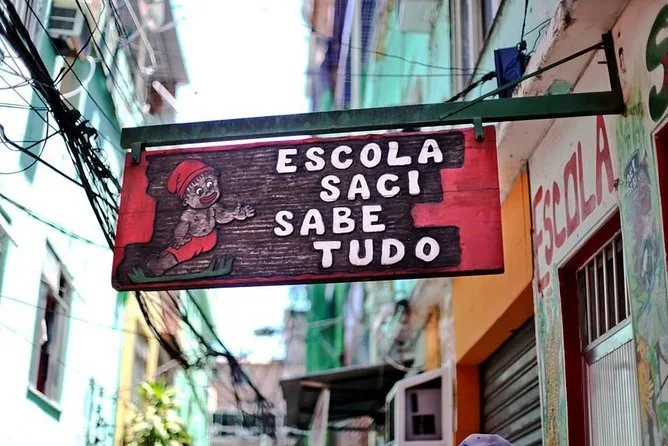
- Visit Moranguinhos and Saci Sabe Tudo schools

Top questions

Is the Rocinha favela tour safe?
The tour is organized with experienced guides who know the area well; favelas are safer than many believe when visited this way.
Does the favela tour include visits to community projects?
Yes, you’ll visit local schools financed by Favela Tour and learn about other community initiatives during your walk.
How long does it take to get from Copacabana or Ipanema to Rocinha?
The drive passes through South Zone beaches; timing depends on traffic but is typically short as they’re nearby.
Is hotel pickup included in the favela tour?
The tour includes air-conditioned vehicle transport; public transportation options are also available nearby if needed.
Can I buy souvenirs during the favela tour?
You can purchase handcrafts made by local residents at the Rocinha handcraft center if you wish.
Are children allowed on this favela tour?
The tour is suitable for all physical fitness levels; infants must sit on an adult’s lap during transport.
What language does the guide speak?
Your guide speaks Portuguese and usually English; they help bridge conversations between visitors and locals.
Will I see famous Rio beaches during this day trip?
The route to Rocinha passes Copacabana, Leblon, and Ipanema beaches so you’ll glimpse them along the way.

What’s included
Your day includes pickup in an air-conditioned vehicle, guided walks through both residential and commercial areas of Rocinha (and possibly Vila Canoas depending on weather), visits to local handcraft centers where you can shop if you want, stops at community schools supported by Favela Tour, plus time for panoramic photos over Rio before heading back via South Zone beaches.
 Super deal
  Free booking, free cancellation.
  Don't lose your place.


 Do you need help planning your next activity?
  +507 6792-0894


