

 +507 6792-0894


Rio: African Heritage Tour with Pedra do Sal & Gastronomy




Summary
Explore Rio’s vibrant Afro-Brazilian roots through art, music, and cuisine
You’ll dive deep into Rio’s African heritage with visits to MAR’s Morrinho Project and Kobra’s mural, walk historic ground at Valongo Pier and Little Africa, taste Afro-Brazilian dishes like acarajé, and join a live percussion workshop led by an African drummer. Expect honest stories from your local guide and moments that linger long after you leave.

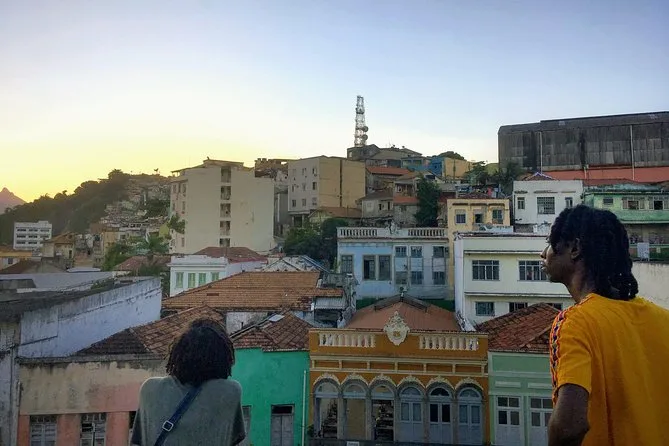
We started right in the middle of downtown Rio — I was still shaking off the noise from the metro when our guide, Ana, waved us over with this easy smile. She led us straight into the Rio Art Museum (MAR), where the Morrinho Project sits tucked away behind glass. It’s a whole favela in miniature — tiny houses painted bright blue and yellow, little clay people on winding alleys. Ana pointed out details I’d never have noticed: laundry lines strung between rooftops, a dog sleeping on a step. The model smells faintly of dust and glue; it’s weirdly moving, seeing daily life shrunk down like that. I caught myself staring too long at one corner — maybe because it reminded me of my own neighborhood back home.
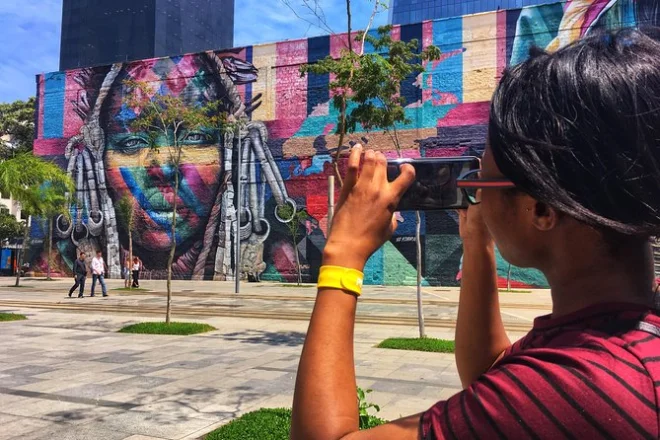
After that we walked outside into the glare — Carioca sun is no joke — to see Eduardo Kobra’s mural. It’s massive, colors so bold they almost hum in your chest. Ana told us about each face on the wall: indigenous elders, Yoruba women, all these ancestors woven into Brazil’s story. I tried to pronounce “Yoruba” right; Li laughed when I butchered it. Then came something heavier: the archaeological site where they found bones from Africans brought here as slaves. There was this hush among us as we looked at those displays — it hits different when you’re standing right there.
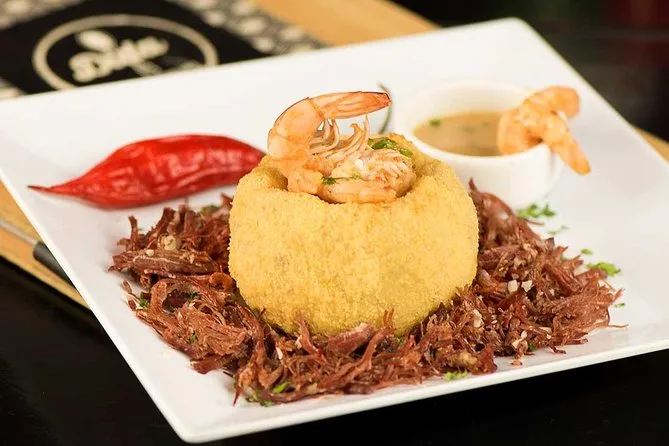
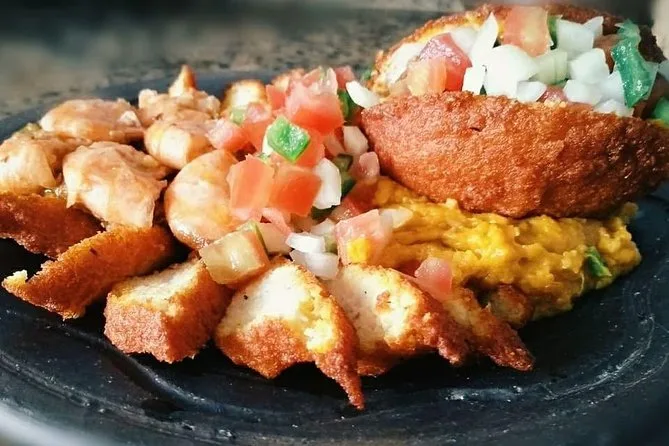
The day trip kept moving but never rushed. We wandered through Little Africa and stopped at Valongo Pier, where ships used to dock with their human cargo. Ana didn’t sugarcoat anything; she just let us stand there for a minute in silence before telling stories about resistance and survival. Later at Quilombo Pedra do Sal, samba music drifted out from somewhere — real drums this time, not museum audio guides. Locals were setting up for an outdoor session later (I wish we could’ve stayed longer). Someone handed me a plate of acarajé; spicy steam hit my nose before I even took a bite. Crunchy outside, soft inside — honestly? I still think about that taste.
There was a percussion workshop too — our instructor had this infectious laugh and didn’t mind repeating rhythms until even I could keep up (sort of). By sunset we ended up at Largo de São Francisco da Prainha with cold beer in hand and music echoing off old Portuguese buildings. The light turned gold on everyone’s faces; strangers started dancing together without much fuss or invitation. It felt like the city exhaled for a second.
 5h
5h

Step-by-step itinerary
Day 1 — Explore African heritage and culture in Rio
- Visit Morrinho Project at Rio Art Museum
- Contemplate Eduardo Kobra's mural art
- Visit archaeological site with African bones
- Explore Pier of Valongo and Little Africa
- Meet Quilombo Pedra do Sal community
- Enjoy Afro-Brazilian gastronomy tasting
- Participate in African percussion workshop
- Experience evening at Largo de São Francisco da Prainha

Top questions

What is included in the African Heritage tour in Rio?
The tour includes entry tickets to attractions like MAR, tastings of Afro-Brazilian cuisine, and a percussion workshop with an instructor from Africa.
Does the tour visit Pedra do Sal?
Yes, you’ll visit Quilombo Pedra do Sal to experience its cultural significance and weekly samba sessions.
Is food provided during this experience?
Yes, there is a tasting of typical Afro-Brazilian and Yoruba dishes included in the tour.
Are infants or children allowed on this tour?
Infants can join if seated on an adult's lap or in a stroller; service animals are also allowed.
What are some key stops on this day trip?
You’ll visit MAR (Morrinho Project), Kobra's mural, Valongo Pier/Little Africa region, Pedra do Sal community, and Largo de São Francisco da Prainha.
Is public transportation available near the meeting point?
Yes, public transportation options are available nearby for easy access to the starting location.
How physically demanding is this tour?
The experience is suitable for all fitness levels but may not be ideal for those with strict food restrictions.

What’s included
Your day includes entry tickets to all sites listed—like MAR and Valongo Pier—a guided walk through Little Africa with stories from your local guide, tastings of Afro-Brazilian dishes such as acarajé during lunch breaks, plus a hands-on percussion workshop led by an instructor from Africa before ending at Largo de São Francisco da Prainha as evening sets in.
 Super deal
  Free booking, free cancellation.
  Don't lose your place.


 Do you need help planning your next activity?
  +507 6792-0894


