

 +507 6792-0894


Recife, Olinda & Brennand Private Tour – Historic Sites & Art













Summary
Recife and Olinda Private City Tour with Brennand Institute Visit
If you want to see Recife and Olinda beyond postcards—taste real tapioca at Alto da Sé, wander historic prisons-turned-markets, stand beneath carnival giants—this private tour packs it all in without rushing you along.

First thing in the morning, we rolled up to Boa Viagem Beach. The breeze was salty and warm, the kind that sticks to your skin but feels good after a long drive. I grabbed a coconut water from a kiosk—honestly, nothing beats the taste when it’s fresh and cold right there on the sand. Locals were already jogging along the sidewalk, kids chasing pigeons near the water’s edge.
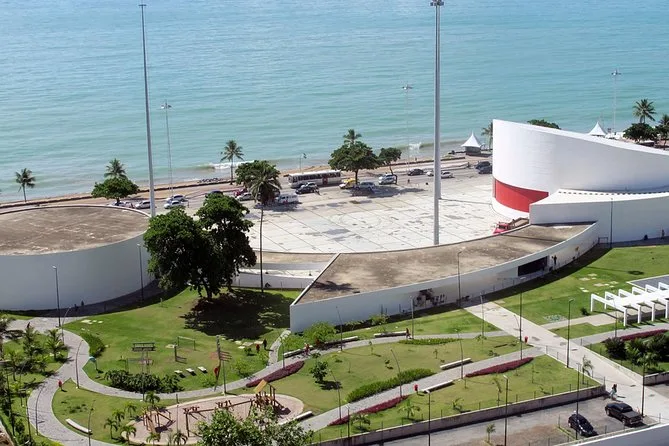
Dona Lindu Park came next—a spot that surprised me. It’s not just green space; you’ll see skaters carving up the bowl-shaped skate park (the only one like it in this part of Brazil), families walking dogs, and sometimes you catch a whiff of popcorn from a street vendor by the playground. Our guide pointed out the Luiz Mendonça Theater—Oscar Niemeyer designed it, which explains those wild curves—and we peeked into the Janete Costa Gallery for a quick look at some local art.
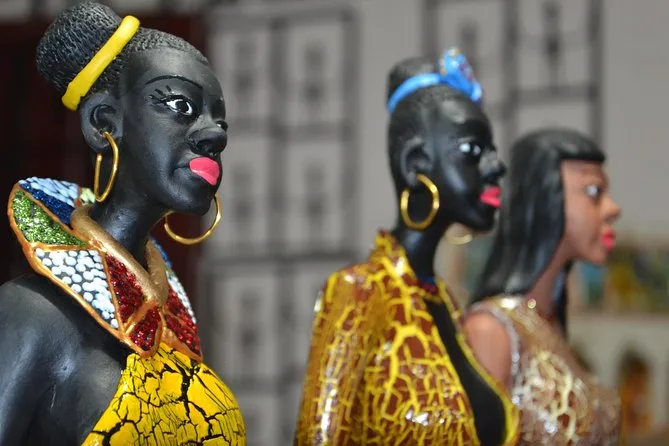
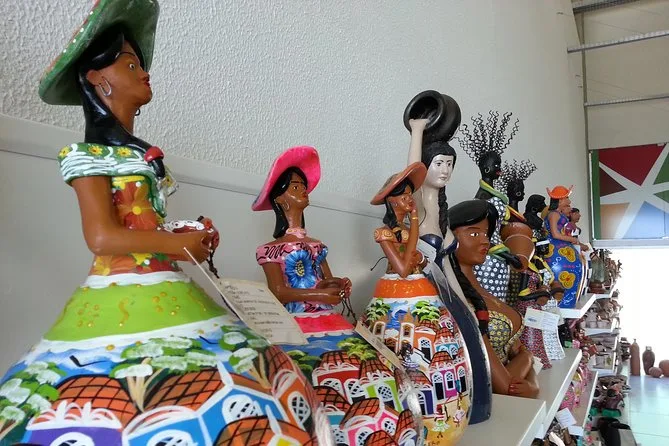
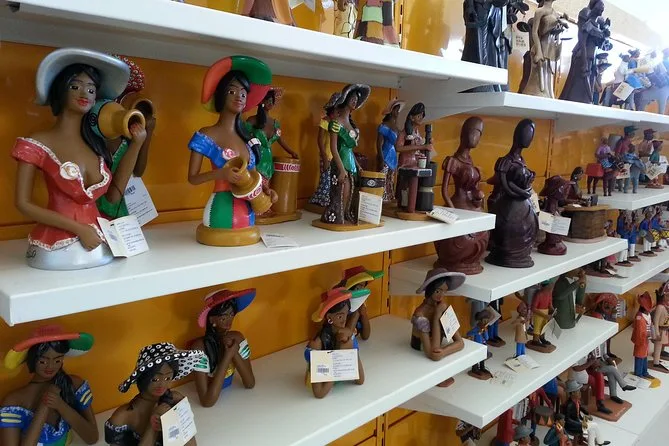
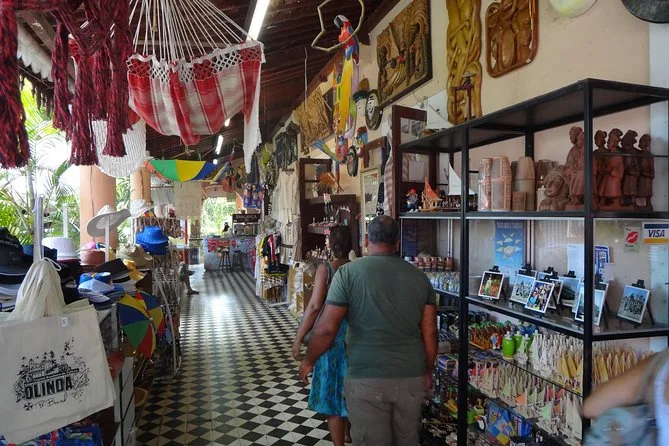
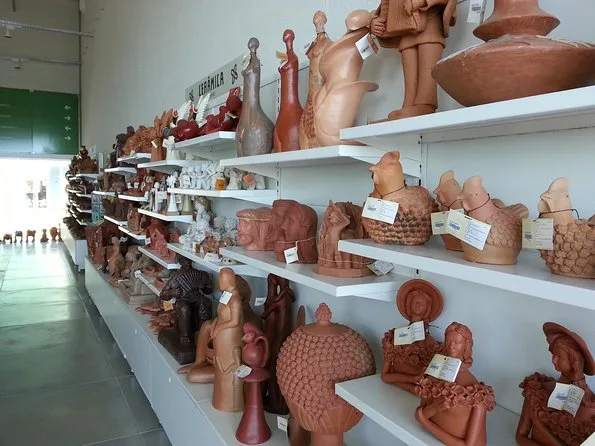
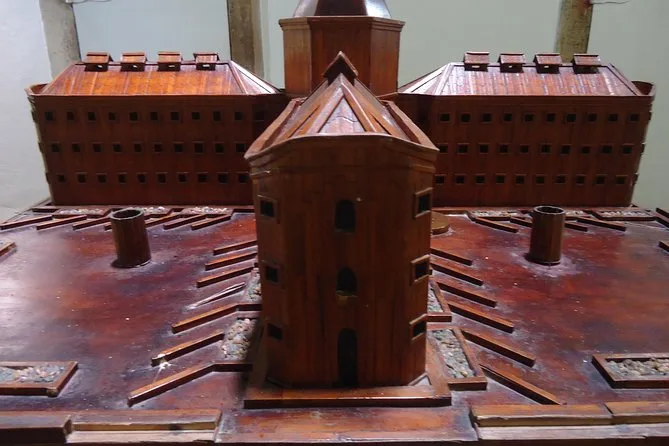
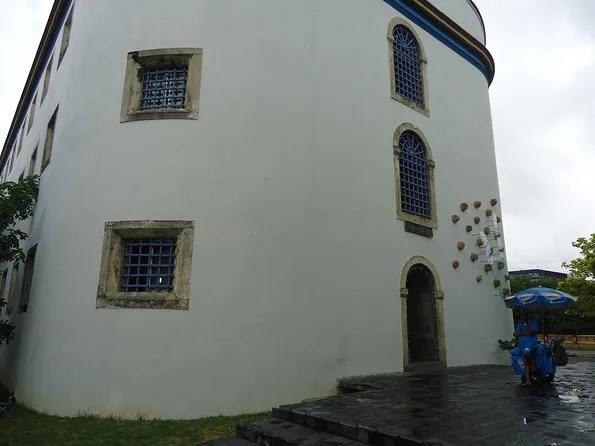
The House of Culture (Casa da Cultura de Pernambuco) is hard to miss—a huge cross-shaped building that used to be a prison back in 1855. Now it’s full of tiny shops selling lacework and wood carvings. You can still see where the old cells were (some shopkeepers will tell you stories if you ask). I picked up a small clay figurine as a souvenir—the vendor wrapped it in newspaper with practiced hands.
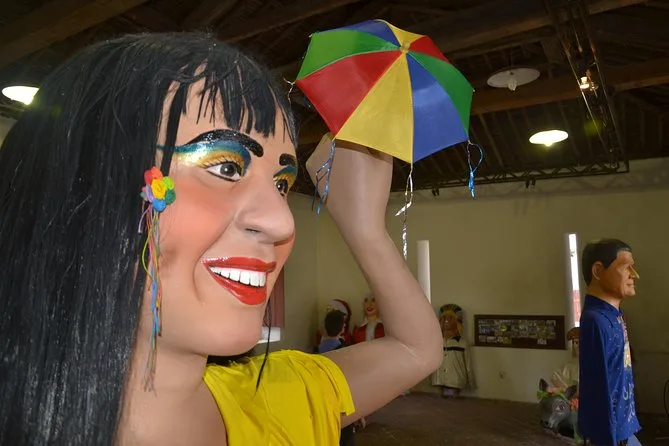
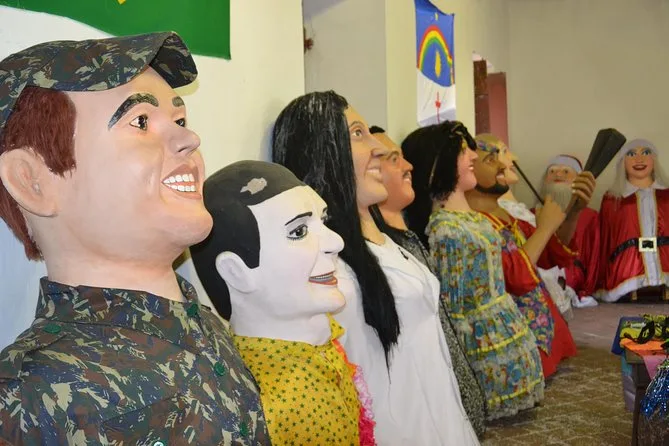
We wandered through Recife Antigo until we hit Marco Zero. There’s this massive mosaic by Cícero Dias right under your feet—easy to miss if you’re not looking down. Boats bobbed along the quay while street musicians played for coins nearby. The Embassy of Giant Dolls was just around the corner; inside, we learned about those enormous carnival puppets—some are taller than me! You can pose for photos with them if you want.
The Kahal Zur Israel Synagogue is tucked away on a narrow street—first synagogue in the Americas, our guide said. The original walls are still there, cool to touch even on a hot day. There’s an exhibit about Jewish history in Pernambuco; I lingered over some old maps and faded photos.
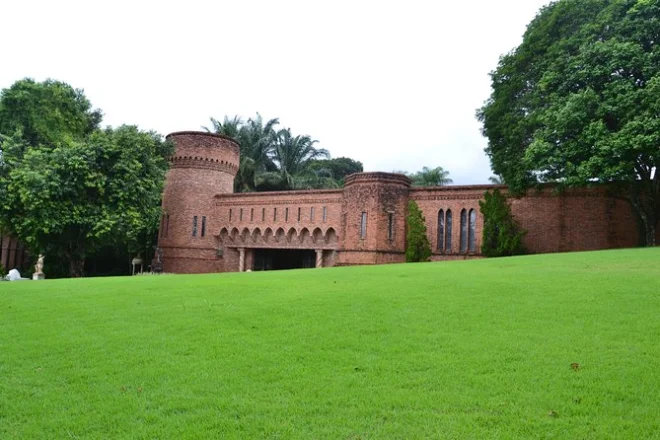
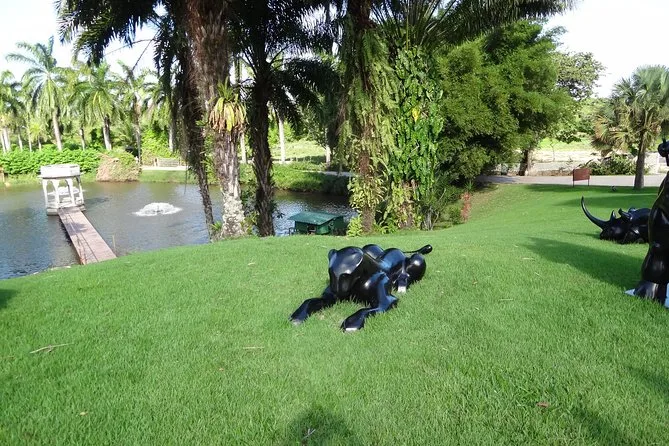
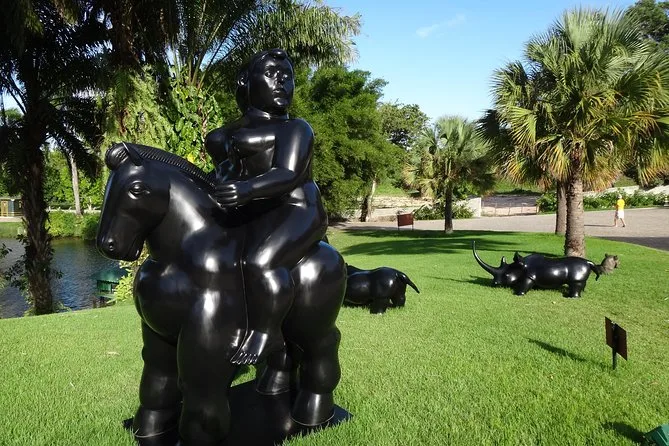
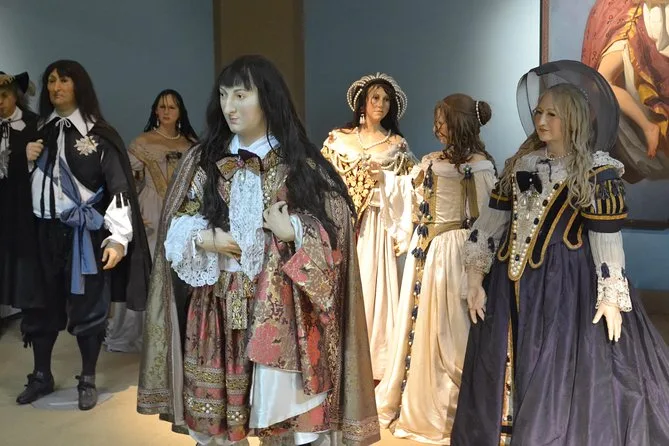
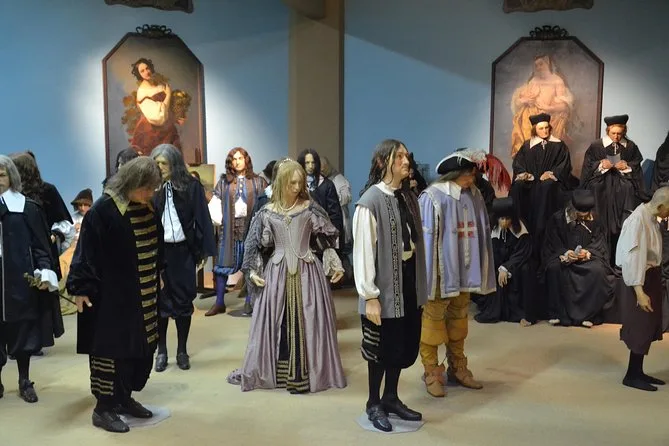
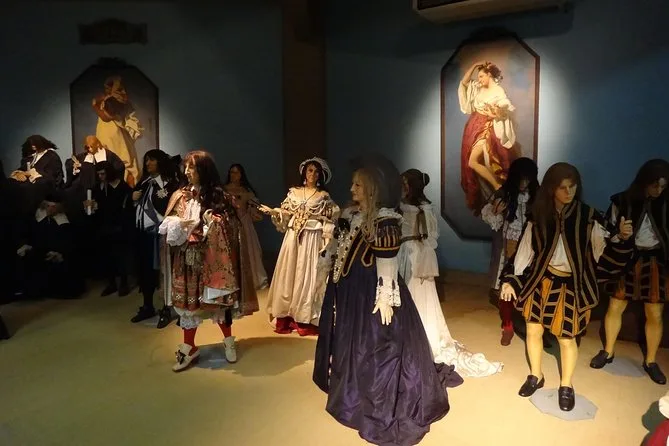
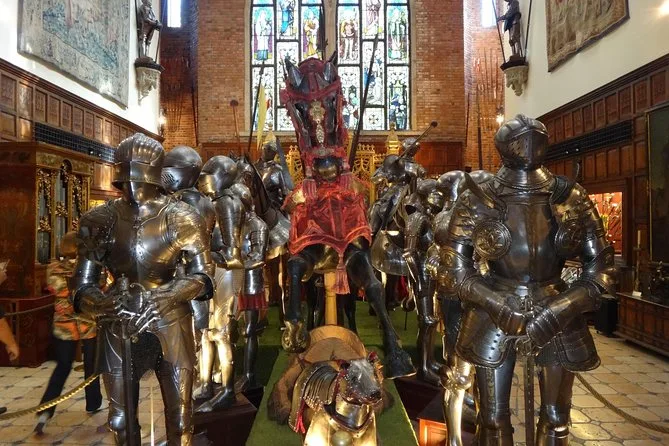
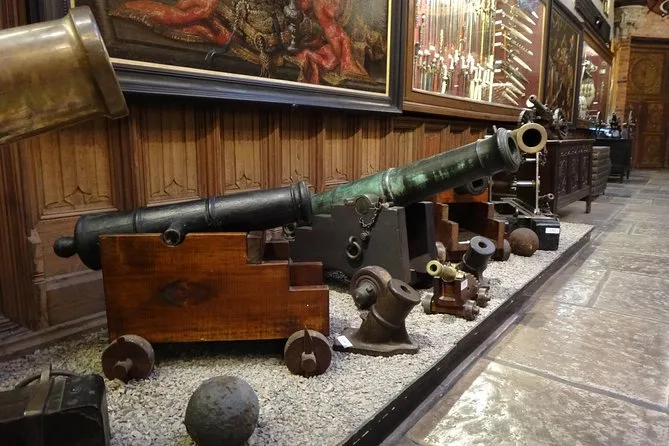
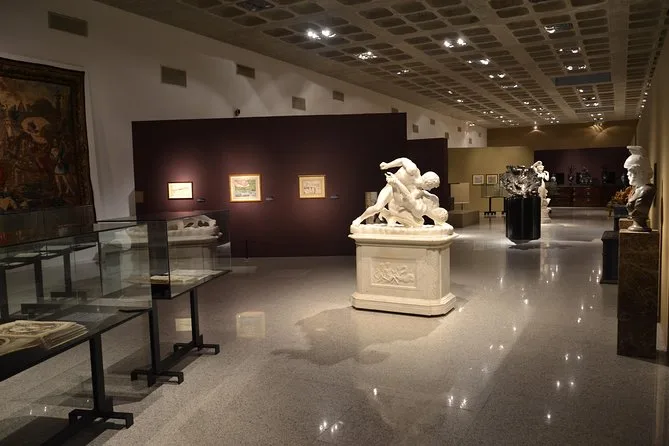
The Ricardo Brennand Institute felt like stepping into another world—lush gardens outside, then inside: armor displays, paintings by Frans Post (those Dutch landscapes look oddly familiar after driving around Recife), and swords lined up behind glass cases. It’s quiet here; even kids lower their voices as they walk past suits of armor twice their size.
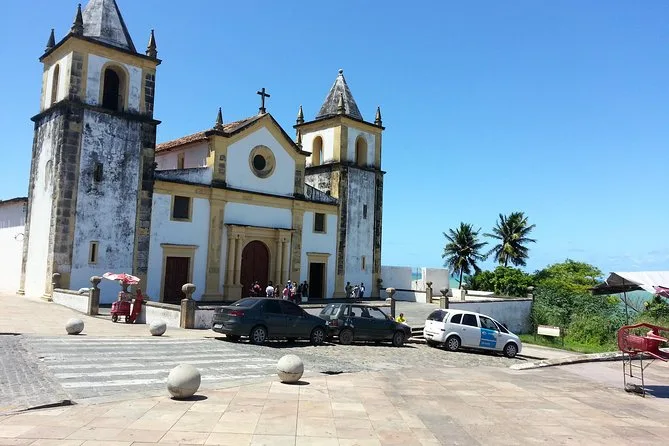
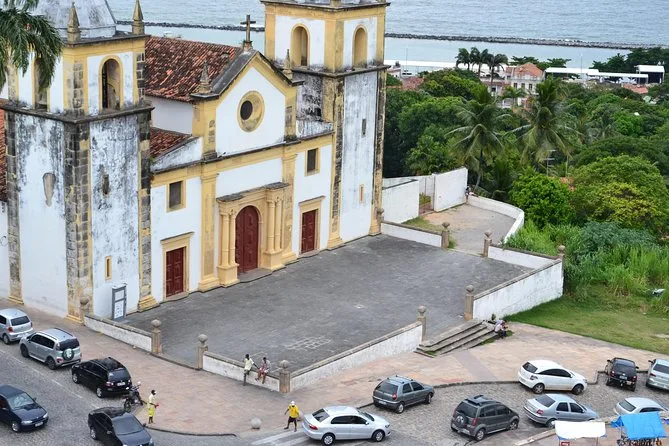
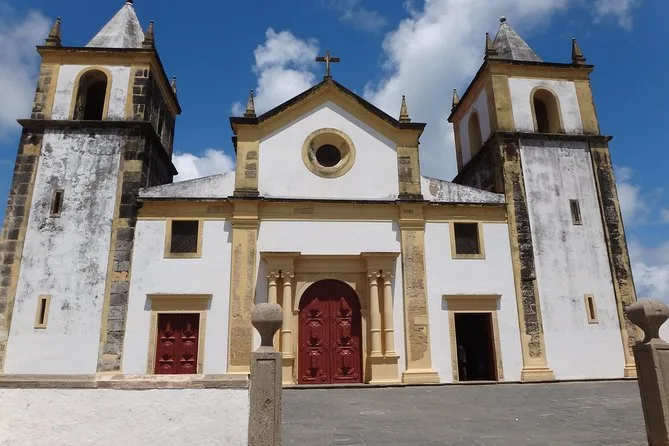
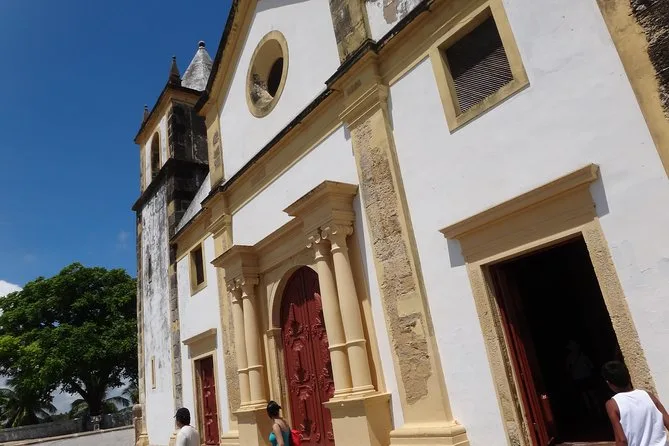
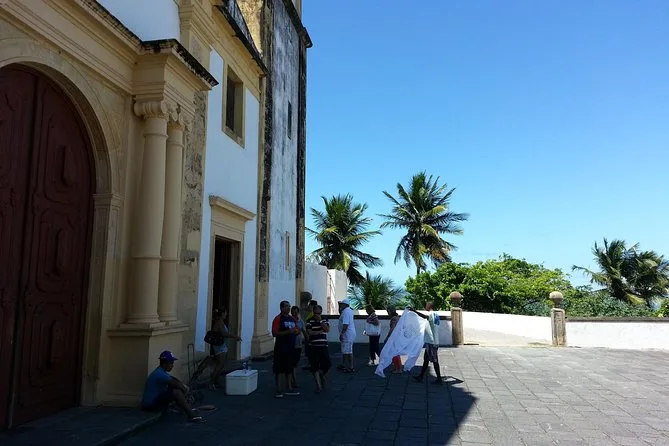
Olinda was our last big stop—cobblestone streets winding past pastel houses with peeling paint and bougainvillea spilling over walls. At Alto da Sé, I stopped for tapioca from one of the Sé tapioqueiras (go for coconut and condensed milk if you’ve got a sweet tooth). The view stretches all the way back to Recife’s skyline—you’ll want your camera out here.
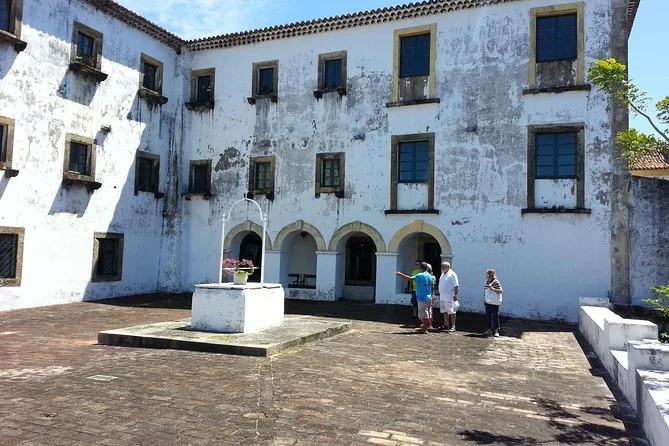
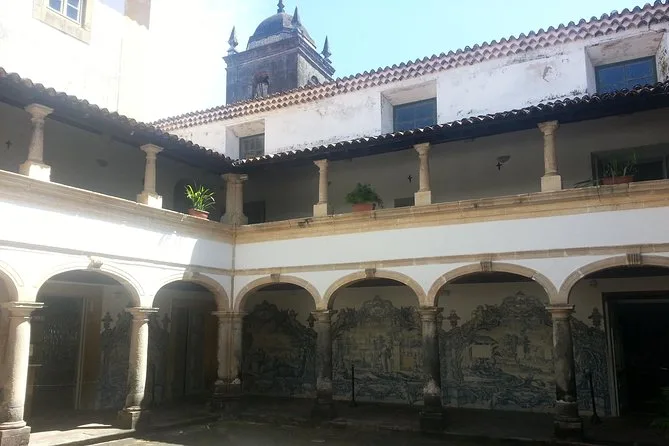
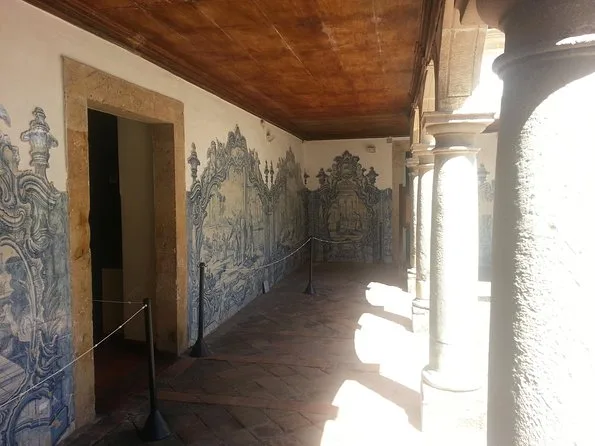
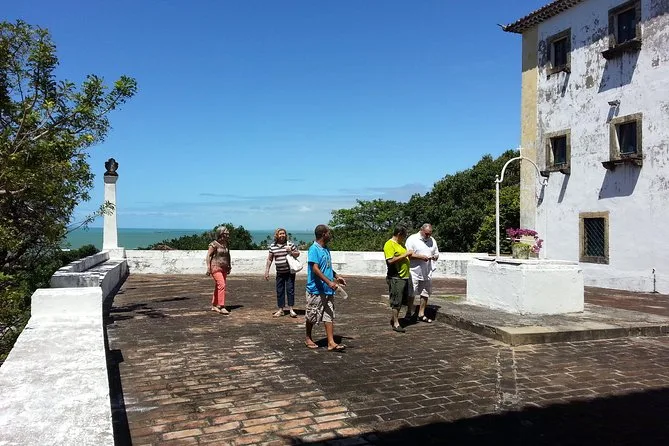
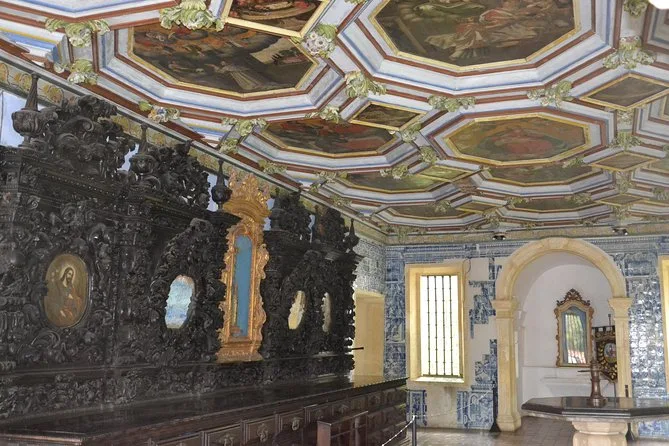
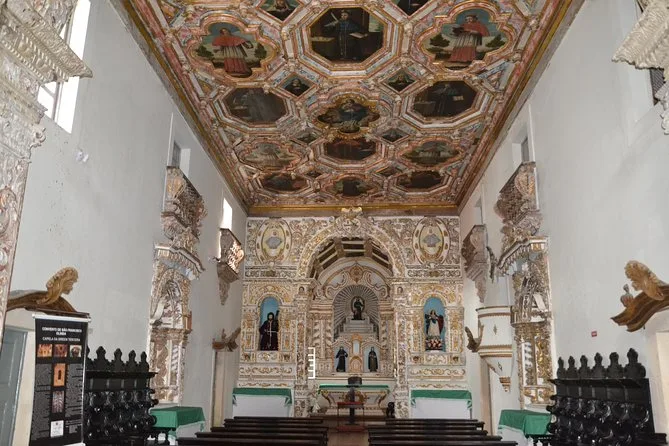
We walked past São Bento Monastery and Convent of St Francis—both UNESCO sites—with bells ringing faintly in the background. The Mercado da Ribeira was buzzing with locals picking up fruit or chatting over coffee at chipped tables. By late afternoon, my legs were tired but my head was spinning with everything we’d seen: forts, churches older than most countries, tiny shops packed with crafts.
 7h–8h
7h–8h

Step-by-step itinerary
Day 1 — Recife and Olinda Highlights
- Stop at Boa Viagem Beach
- Visit Dona Lindu Park and Theater
- See Recife House of Detention
- Explore Recife's Ground Zero Square
- Visit Embassy of Giant Dolls
- Tour first synagogue in Americas
- Visit Ricardo Brennand Institute
- See Baroque temple in Olinda
- Visit Alto da Sé and taste tapioca
- Explore Olinda carnival slopes
- Observe from Ground Zero
- Visit São Bento Basilica and Monastery
- Tour Convent of St. Francis
- Visit tourist spots
- Visit Catedral da Sé
- Visit Mercado da Ribeira
- Watch handicraft fights

Top questions

Is this tour suitable for families with young children?
Yes! There are stroller-friendly paths and spots like Dona Lindu Park where kids can play safely. Infant seats are available too.
Do guides speak English?
No, guides speak Portuguese only—but most stops have signs or staff who can help if needed.
How much time do we spend at each attraction?
It varies depending on group interest; usually 20-40 minutes per main site so there’s time to explore or grab snacks.
Can I buy souvenirs during the tour?
Definitely! Casa da Cultura has lots of local crafts and Mercado da Ribeira is great for handmade goods or snacks.

What’s included
Your ride is private and air-conditioned—no crowded buses here. We handle all transportation between stops so you can relax and enjoy each place at your own pace.
 Super deal
  Free booking, free cancellation.
  Don't lose your place.


 Do you need help planning your next activity?
  +507 6792-0894


