

 +507 6792-0894


Curitiba: Museum of Indigenous Art Entry & Sensory Experience




Summary
Curitiba museum ticket for indigenous art culture sounds aromas and textures
You’ll wander through Curitiba’s Museum of Indigenous Art with exhibition access, guided by locals who share stories behind every feathered mask or basket. Expect sensory surprises: music echoing softly, earthy tastes, even subtle scents that linger as you move between rooms. It’s less about looking at artifacts and more about feeling connected to lives you’ve never lived.

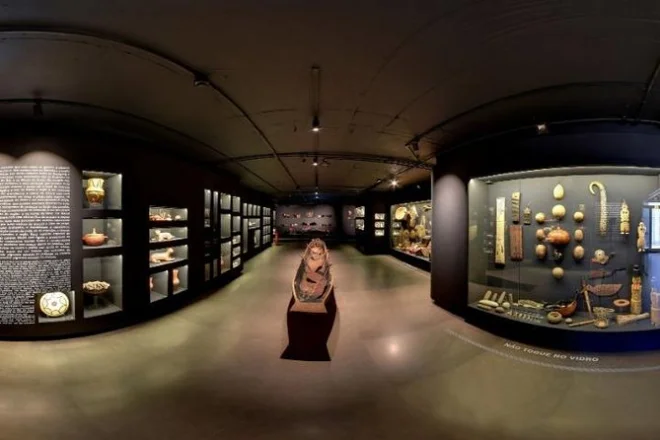
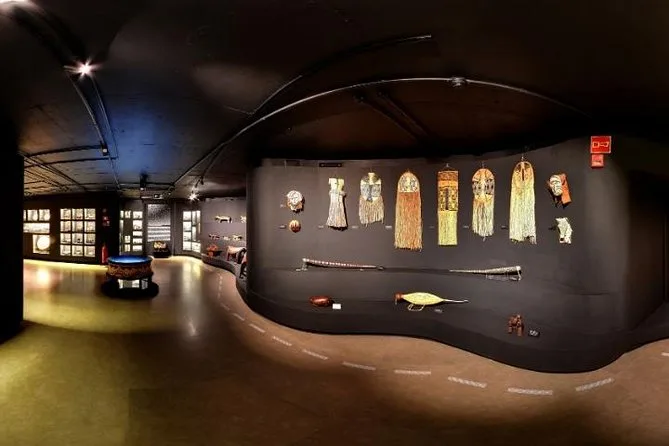
We stepped right off the street in Curitiba and straight into a different world at the Museum of Indigenous Art. I could still hear traffic outside, but inside it was all soft light and the faint smell of wood smoke — or maybe that was just my imagination running wild. Our guide, Mariana, greeted us with this easy warmth, like she actually wanted to know what brought us here. She told us about Julianna Rocha Podolan Martins, who started collecting these pieces back in the ‘90s. I liked that — you could feel someone’s obsession behind every mask or feathered headdress.
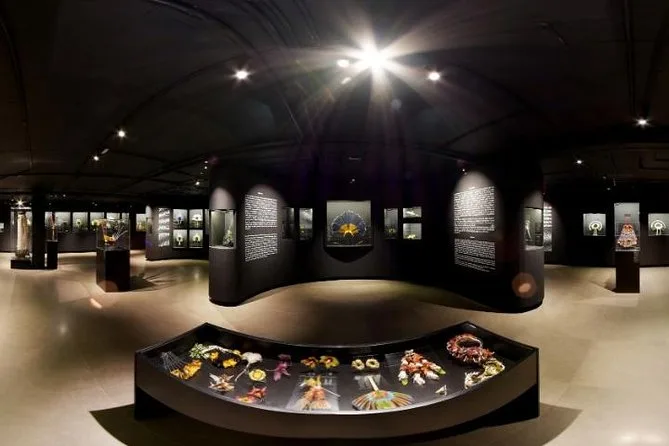
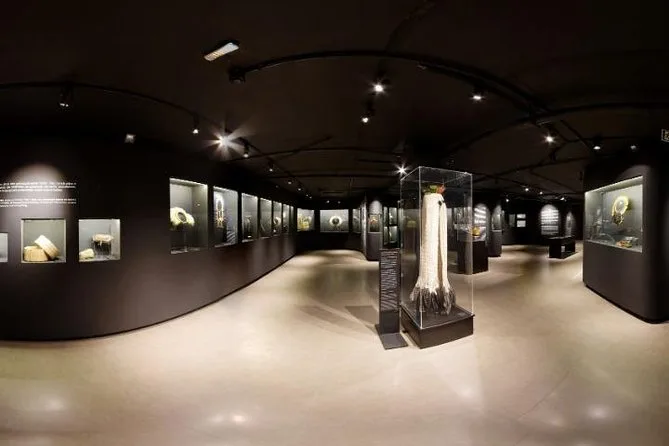
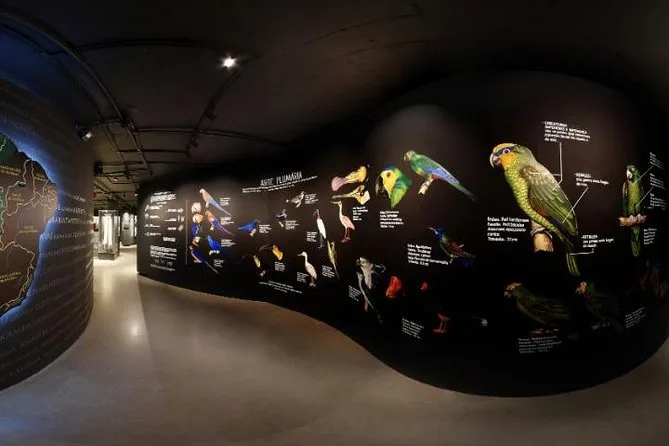
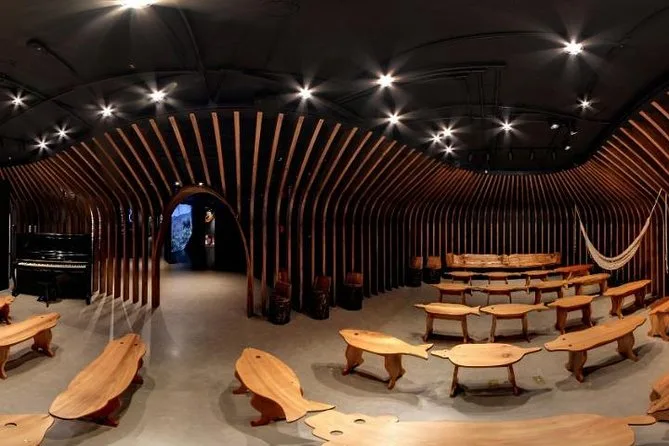
The first room was all feather art, bright reds and deep blues catching the light. I reached out (but didn’t touch — Mariana gave me a look!) and tried to picture the hands that made them. There were benches carved with animal shapes and baskets so tightly woven you’d swear they’d hold water. At one point, they played a recording of indigenous music — flutes, voices, something like rain in the background — and it kind of pulled me out of myself for a second. I didn’t expect to get goosebumps from a day trip museum ticket in Curitiba, but there you go.
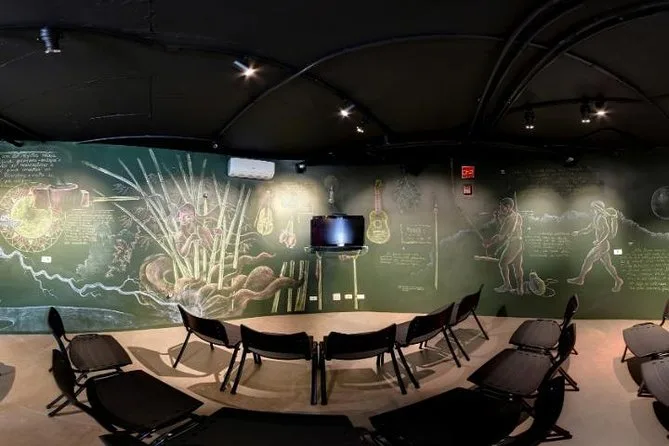
We tasted something sharp and earthy (I think it was some kind of root snack?) as part of this “palate” section — Li laughed when I tried to say its name in Tupi-Guarani; probably butchered it completely. There were ritual masks with wild hair and painted faces staring back at us from behind glass. The whole place felt alive with stories — not just objects on display but bits of daily life and ritual stitched together. Honestly, I left thinking about how much gets lost when we rush past places like this.
 1h 30m

Step-by-step itinerary
Day 1 — Visit MAI Museum of Indigenous Art
- Arrive at MAI Museum
- Explore Feather Art collection
- View Ceramics and Basketwork
- See Musical Instruments and Ritual Masks
- Observe Benches, Adornments, Utility Objects
- Experience indigenous sounds, aromas, palates
- Learn customs, rituals, daily life

Top questions

Is the Museum of Indigenous Art in Curitiba wheelchair accessible?
Yes, all areas and surfaces are wheelchair accessible.
Does the museum offer guided tours or is it self-guided?
The visit includes mediation by local guides sharing cultural context.
Are children allowed at the Museum of Indigenous Art?
Yes, infants and small children can attend; prams or strollers are welcome.
What does the museum entry include?
Your ticket includes access to all exhibition halls featuring indigenous art.
Is public transportation available near the museum?
Yes, there are public transportation options nearby.
Can service animals enter the museum?
Service animals are allowed inside the museum.
Are there any food tastings during the visit?
The experience may include tasting traditional indigenous flavors as part of the sensory journey.
How long should I plan for my visit?
The visit is immersive; most guests spend 1-2 hours exploring.

What’s included
Your day includes full access to all exhibition halls at Curitiba’s Museum of Indigenous Art, where you’ll encounter feather art, ceramics, baskets, musical instruments, ritual masks, benches, adornments and utility objects—plus sensory experiences with local sounds and flavors along the way.
 Super deal
  Free booking, free cancellation.
  Don't lose your place.


 Do you need help planning your next activity?
  +507 6792-0894


