
Botswana Safari: 17-Day Private Buffalo Track with Mobile Camps

Seventeen days tracing buffalo across Botswana’s wildest places
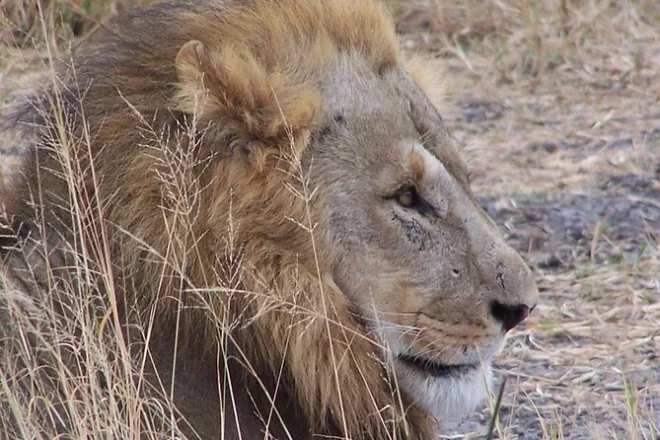
You’ll spend seventeen days moving through Botswana’s wildest places—sleeping in mobile camps from Makgadikgadi to Chobe, tracking lions and elephants with local guides who know every sound and sign. There are mokoro rides through Okavango’s waterways and nights by campfire under impossible stars. Expect moments that stay with you long after you’ve left.
 17d
17d

Step-by-step itinerary
Day 1 — Arrival and Makgadikgadi Pans Safari
- Arrive in Maun and meet guide
- Reach Makgadikgadi Pans camp
- Relax and have lunch
- Guide briefing about Makgadikgadi Pans
- Afternoon game drive in Ntwetwe Pan
- Return to camp for refreshments
- Dinner under the stars
- Relax around campfire
- Retire to tents for night
Day 2 — Nxai Pan Arrival and Game Drive
- Short morning game drive
- Return to camp for breakfast
- Break camp and travel to Nxai Pan
- Arrive and set up camp in Nxai Pan
- Relax and have lunch
- Guide briefing about Nxai Pan
- Afternoon game drive in Nxai Pan
Day 3 — Nxai Pan Morning and Afternoon Safari
- Early morning game drive after sunrise
- Visit Baine’s Baobabs at sunset
- Return to camp for brunch and siesta
- Late afternoon game drive
- Enjoy evening dinner
Day 4 — Return to Makgadikgadi Pans
- Morning game drive in Nxai Pan
- Return to camp for breakfast
- Break camp and travel to Makgadikgadi Pans
- Arrive and set up camp
- Relax and have lunch
- Guide briefing about Makgadikgadi
- Afternoon game drive
- Return to camp for refreshments
- Dinner under stars and campfire
Day 5 — Travel to Central Kalahari
- Early morning light breakfast
- Depart camp to locate big cats
- Return to camp for brunch
- Travel to Central Kalahari Game Reserve
- Arrive and set up camp
- Guide briefing about Central Kalahari
- Late afternoon game drive
Day 6 — Central Kalahari Full Day Safari
- Early morning tea and breakfast nibbles
- Morning game drive after sunrise
- Enjoy natural scenery and solitude
- Picnic lunch at chosen spot
- Return to camp before dark
- Campfire and sundowner refreshments
- Dinner and relax in tents
Day 7 — Travel to Okavango Delta
- Breakfast and depart Central Kalahari
- Travel to Maun
- Proceed to Okavango Delta
- Meet Mokoro Poler Guides
- Load luggage and board Mokoro
- Glide through waterways to campsite
- Set up camp and have lunch
- Relax and rest
- Late afternoon guided bush walk
Day 8 — Okavango Delta Activities
- Brunch at camp
- Optional Mokoro trip or bush walk
- Afternoon Mokoro trip to swimming spot
- Learn to pole a Mokoro
- Relax and enjoy landscape
- Dinner under stars
- Guides narrate cultural stories
- Astronomy viewing for interested guests
- Retire to tents
Day 9 — Moremi Game Reserve Arrival
- Early morning bush walk
- Optional swim if weather permits
- Relax and have late breakfast
- Break camp and load Mokoro
- Return journey through channels
- Meet safari vehicles in Maun
- Transfer to Moremi Game Reserve
- Begin game drive after Buffalo fence
Day 10 — Moremi Game Reserve Safari
- Early morning tea and breakfast
- Morning game drive in Moremi
- Visit Black Pools and Xini Area
- Return to camp for brunch and siesta
- Late afternoon game drive
- Enjoy evening dinner
Day 11 — Travel to Khwai Concession
- Early breakfast and final Moremi game drive
- Break camp and cross Khwai River
- Enter Khwai Concession
- Arrive and set up camp
- Relax and stretch legs
- Afternoon game drive in Khwai
Day 12 — Khwai Morning and Evening Safari
- Very early light breakfast
- Early morning game drive for big cats
- Return to camp for brunch and siesta
- Late afternoon game drive exploring concession
- Game drive along Khwai River banks
- Return to camp at sunset
- Sundowner and dinner under stars
Day 13 — Travel to Savuti
- Early wake up and light breakfast
- Break camp and depart Khwai
- Drive 5 hours to Savuti
- Rest at camp
- Late afternoon game drive in Savuti
- Enjoy bush dining and campfire
Day 14 — Savuti Game Drives
- Morning game drive in Savuti
- Breakfast and break camp
- Drive north to Chobe National Park
- Observe wildlife interactions at waterhole
Day 15 — Chobe National Park Arrival
- Game drive en route to Chobe Riverfront
- Arrive at Chobe camp and set up tents
- Relax and stretch legs
- Guide briefing about Chobe National Park
- Afternoon game drive in Chobe
- View and photograph wildlife and birds
Day 16 — Chobe Early Morning Safari
- Very early light breakfast
- Early morning game drive for big cats
- Experience Chobe’s wildlife and elephants
- Enjoy boat trips along Chobe River
- Dinner and relax at camp
Day 17 — Final Game Drive and Departure
- Early morning game drive in Chobe
- Return to camp for breakfast
- Transfer to Kasane International Airport

The Experience
I was nervous when we landed in Maun — not scared, just that weird mix of excitement and “what have I signed up for?” The first thing that hit me wasn’t the heat, but the smell of dry grass and woodsmoke. Our guide, Neo, met us with this easy smile and a laugh that made everything feel less formal right away. Before I knew it, we were bumping along toward Makgadikgadi Pans, dust swirling behind the truck. That first lunch at camp — honestly, I still think about it. Simple food tastes different out here, especially after hours on the road. There was a quiet between us as we listened to Neo’s stories about bat-eared foxes and meerkats (he does a pretty good meerkat impression too).
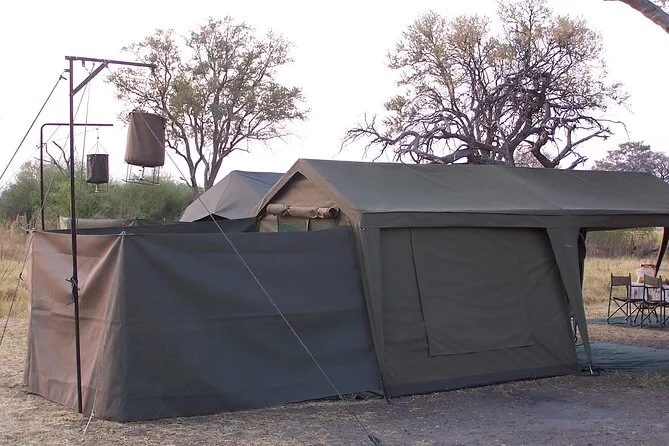
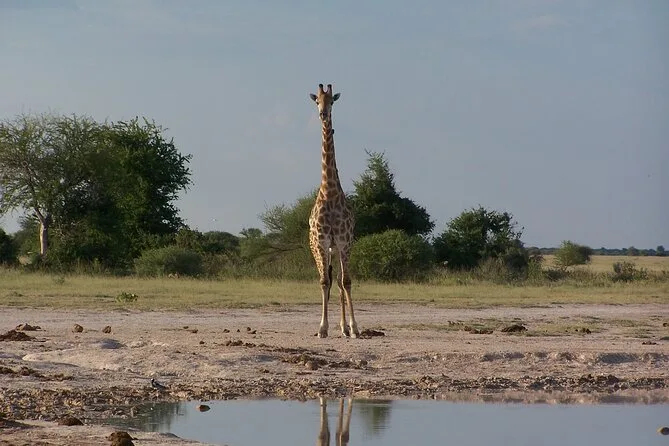
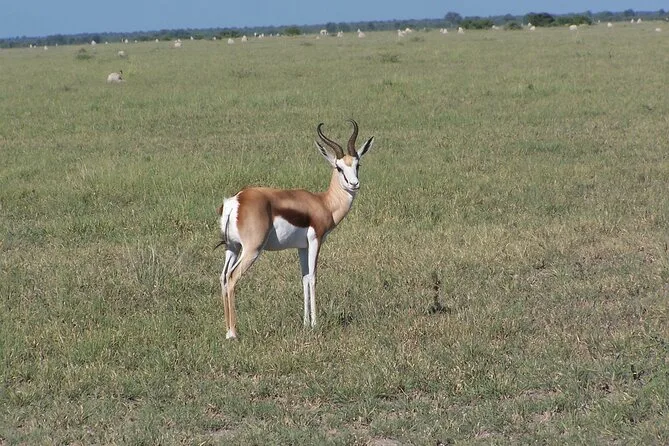
Sleeping in those junior Sahara Meru tents felt more comfortable than I expected — you get your own little corner of wilderness, with a bucket shower that’s way more refreshing than it sounds. Nights were something else: fire crackling, stars so thick you could almost scoop them up. One evening in Nxai Pan, our chef Tumi handed me a mug of hot tea while lions called somewhere far off. It was both eerie and grounding at once. Game drives started early (I’m not really a morning person but somehow didn’t mind), and every day brought something new: giraffes picking their way through mopane trees, springbok darting around like they’re late for something important.
When we reached the Okavango Delta, things slowed down — polers glided us through narrow channels in mokoros, water lilies brushing against my hands. The guides showed us how to spot tracks in the sand; I tried and failed to pole a mokoro myself (everyone laughed but it was good-natured). The air smelled sweet and green there, totally different from Savuti’s dry wind later on. By then, I’d stopped checking my phone for the time — days blurred into each other in this really peaceful way.
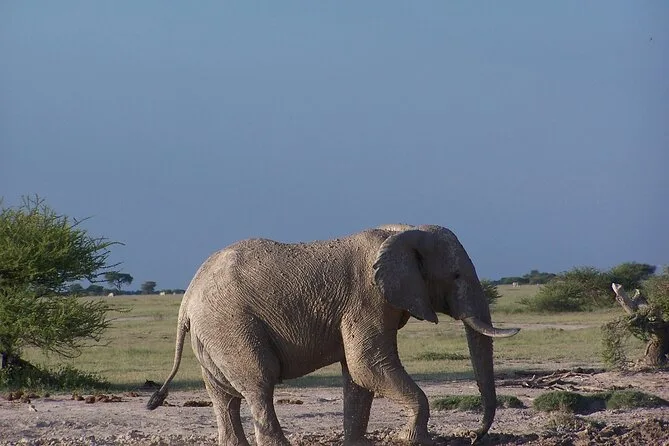
I’m not going to pretend every moment was perfect: sometimes it got hot enough to melt your thoughts or cold enough at night that I wished I’d packed thicker socks. But there was always someone nearby — Neo or Tumi or one of the polers — who seemed to know exactly what would help (usually tea or another story). Watching elephants cross the Chobe River at sunset felt like being let in on some huge secret. Even now back home, if things get loud or busy, I remember how quiet it was out there under those stars.

What’s included
- Your journey includes airport pickup in Maun and drop-off at Kasane International Airport.
- all accommodation in junior Sahara Meru tents with private bucket showers.
- all meals prepared by an experienced chef.
- daily game drives and bush walks led by expert local guides.
- mokoro excursions in Okavango Delta.
- bottled water and soft drinks.
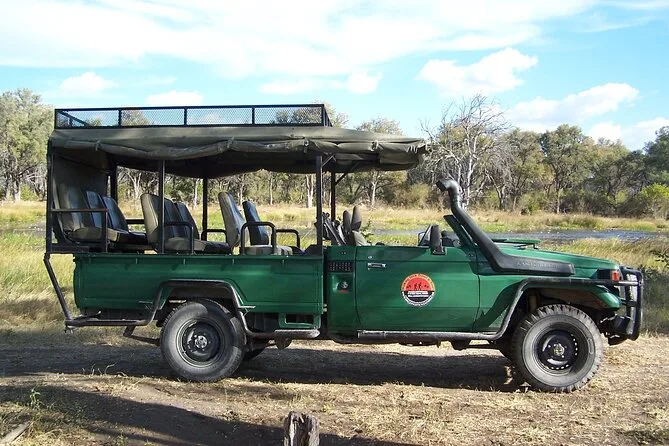
- plus comfortable transfers between each region by custom safari vehicles—all while camp staff take care of setup so you can simply enjoy each moment.
Operated by Walking Stick Travel Tours
Compare the 5 similar options
 Botswana Safari: 17-Day Private Buffalo Track with Mobile Camps17dENUS$ 6,539
 11-Day Safari Tour Botswana: Okavango, Moremi, ChobeAn 11-day safari through Okavango Delta, Moremi Game Reserve, Khwai Concession and Chobe National Park with game drives★ 4.45 (11)11dENUS$ 3,850View ›
 3-Day Okavango Delta Safari from Maun: Mokoro & Walking3-day Okavango Delta safari from Maun with mokoro rides, walking safaris and remote camp stays—guide, meals and transport included, children from age 8.★ 5.00 (11)3dENUS$ 868View ›
 Maun: Okavango Delta Mokoro Day Trip & Island WalkFull-day Okavango Delta canoe tour from Maun with local poler guide, packed island lunch, nature walk. Hotel pickup, 7:30am start, small groups. NG32 Concession.★ 4.76 (100)8hENUS$ 156View ›
 Camel ride in Maun: meet and feed the camelsRide camels in Maun at Okavango Camel Rides, one of two camel experiences in Botswana—meet the animals, feed them by hand★ 4.90 (31)1hENUS$ 60View ›
Top questions
How long is the Buffalo Track Botswana Private Tour?
The tour lasts 17 days from Maun to Kasane.
What kind of accommodation is provided?
You’ll stay in junior Sahara Meru tents with basic en-suite facilities including bucket shower and toilet.
Is this safari suitable for all fitness levels?
It’s suitable for most fitness levels but not recommended for travelers with spinal injuries, pregnancy or poor cardiovascular health.
Are meals included during the safari?
Yes, meals are included throughout the safari—prepared by an on-site chef at each mobile camp.
What wildlife can be seen on this tour?
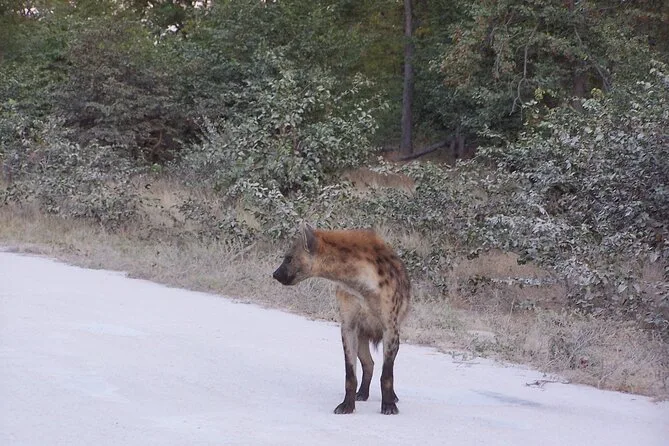
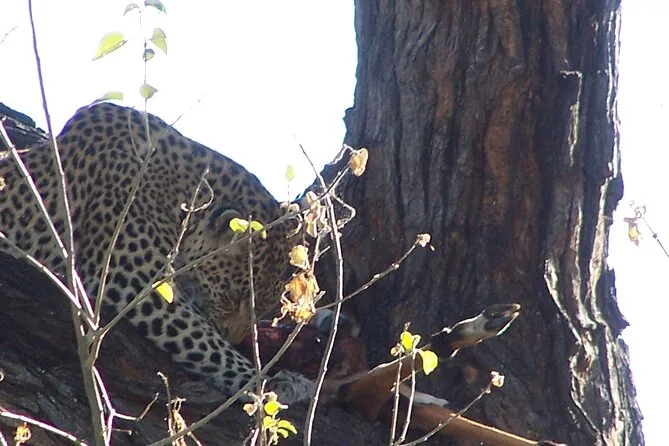
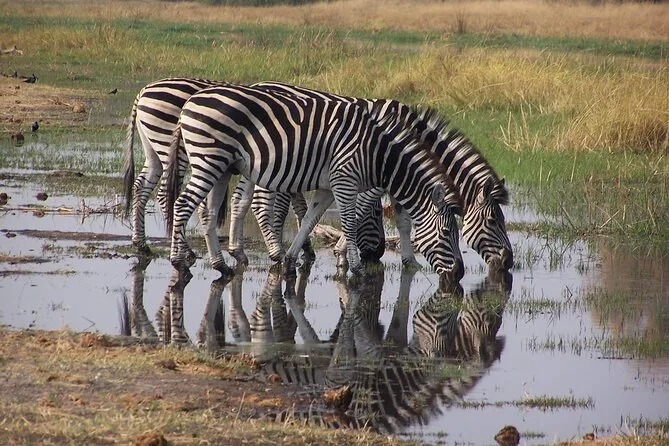
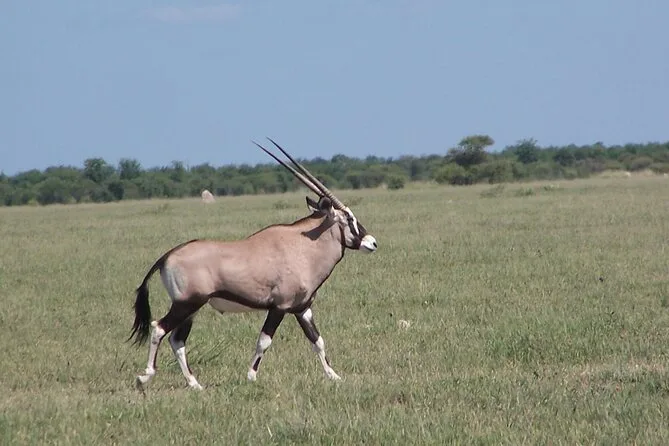
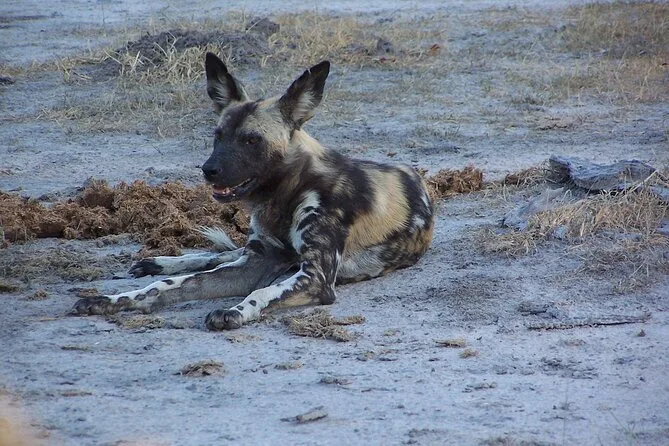
You may see lions, elephants, giraffes, leopards, wild dogs, springbok, meerkats and many bird species across different regions.
Are game drives included?
Yes—multiple daily game drives are part of the itinerary in areas like Moremi Game Reserve and Chobe.
Is airport pickup included?
Your guide will meet you upon arrival in Maun; drop-off is at Kasane International Airport at tour end.
Do I need to help set up camp?
No—this is a non-participation safari; staff handle all camp duties so you can relax.
Botswana Safari: 17-Day Private Buffalo Track with Mobile Camps
17d · EN · at your hotel
from US$ 6,539 per person

