

 +507 6792-0894


Sarajevo: War Tunnel, Trebevic & Jewish Cemetery Study Tour




Summary
Walk Sarajevo’s war scars from Sniper Alley to Trebevic with stories that linger
You’ll walk Sarajevo’s streets with a local guide who lived through its hardest days—see Sniper Alley, crawl through part of the War Tunnel Museum, climb Trebevic Mountain for views that hit different after hearing their stories, and pause among centuries-old tombstones at Europe’s second-largest Jewish cemetery. Expect moments that stick with you long after you leave.

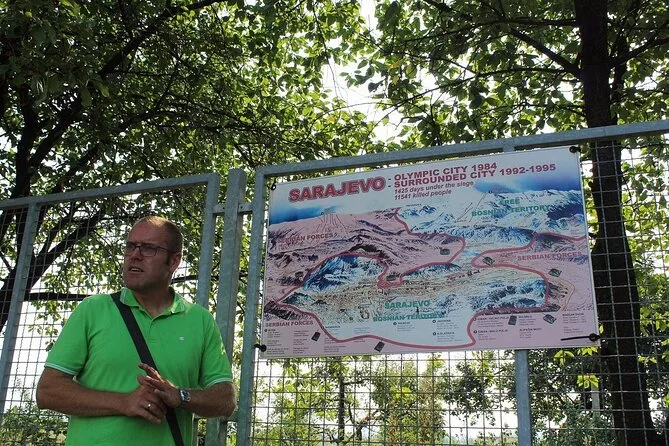
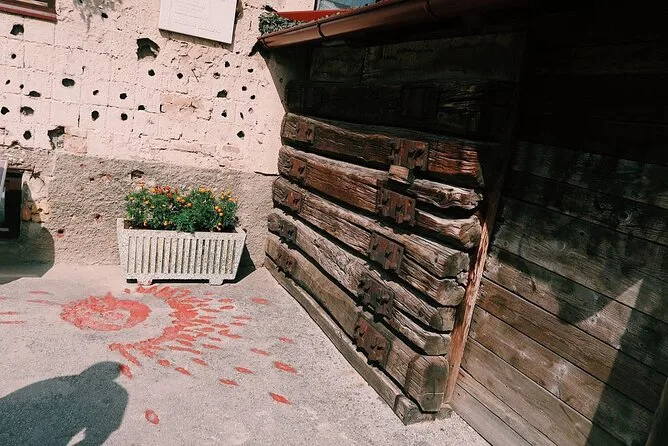
You know that feeling when you first step out onto Ferhadija Street and everything’s just a little too bright, like your eyes aren’t ready? That’s how it started for me in Sarajevo. Our guide, Emir, was already waiting near the “Meeting of Cultures” line—he smiled and asked if we’d eaten (I hadn’t, which I regretted later). We piled into the van and rolled past buildings still marked by shrapnel, while Emir pointed out spots I’d have missed: a bakery that survived shelling, a school with patched-up windows. The city felt busy but also hushed in some corners. And then he started talking about the Siege—no drama, just facts and a quiet voice. I remember the way he paused before mentioning Markale market.
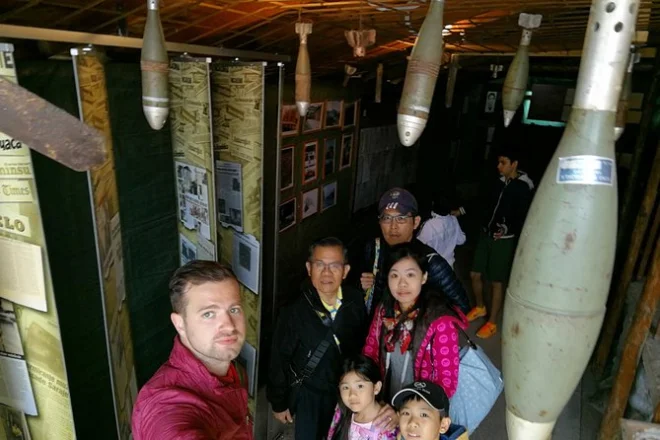
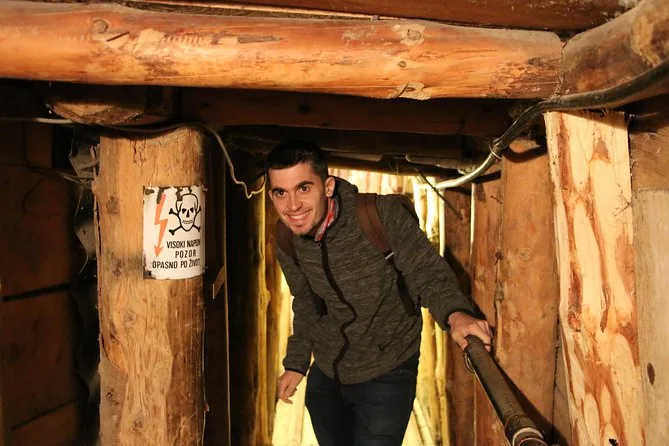
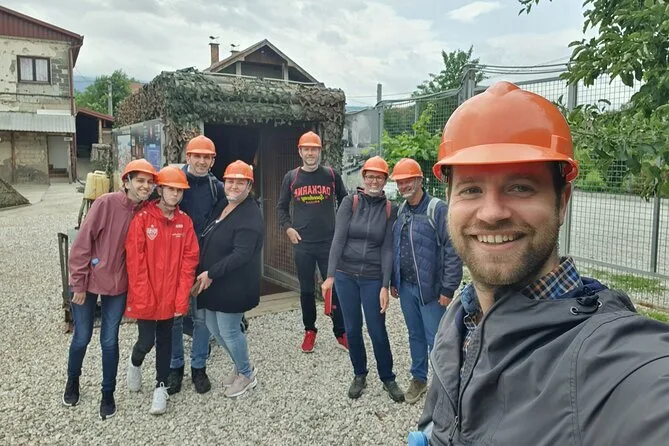
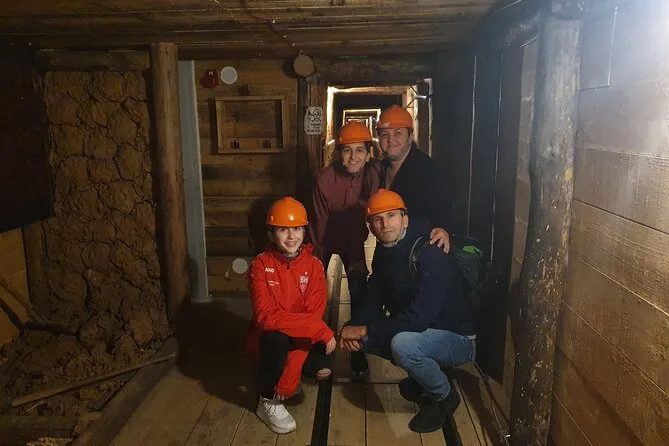
The drive along what they called Sniper Alley made my stomach knot up. It looks like any other boulevard now—buses, teenagers with headphones—but Emir explained how people used to sprint across open patches, sometimes carrying groceries or even kids. I tried to picture it and honestly couldn’t. At the War Tunnel Museum (the “Tunnel of Hope”), there was this faint damp smell underground and a chill even though it was warm outside. We watched an old video—grainy footage of families crawling through mud—and then walked through part of the tunnel ourselves. My shoes scraped against uneven concrete; someone behind me whispered something in Bosnian that sounded like a prayer.
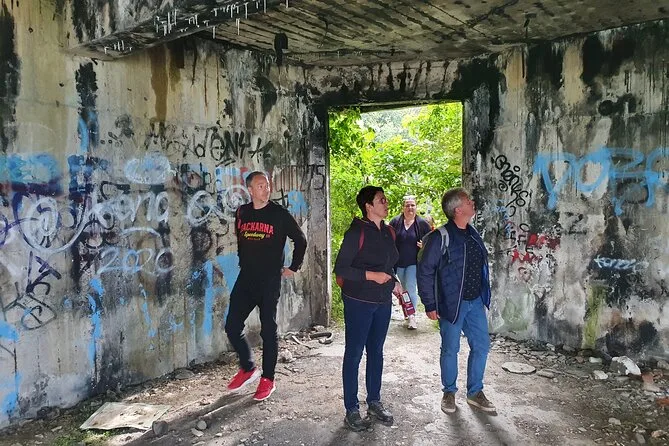
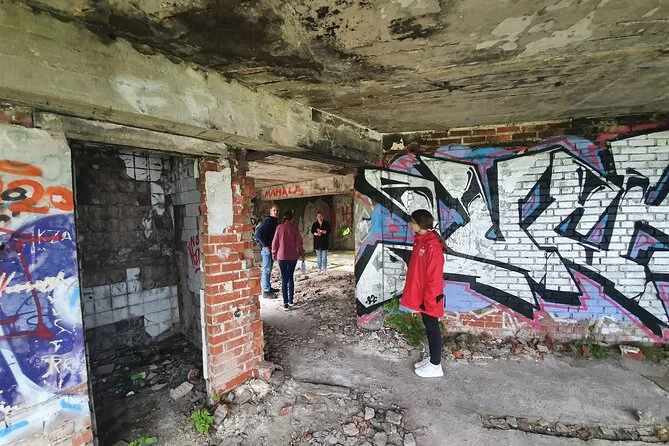
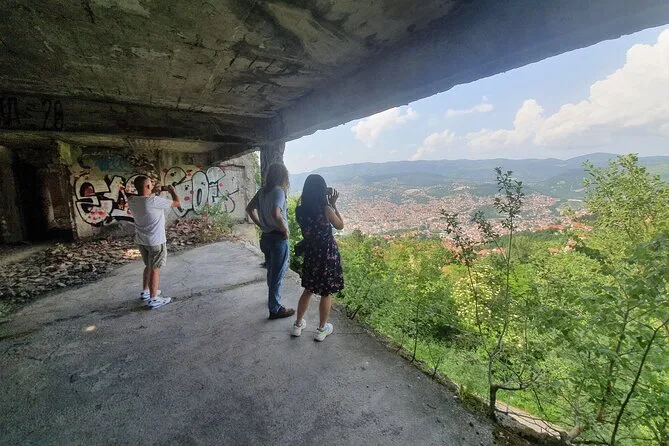
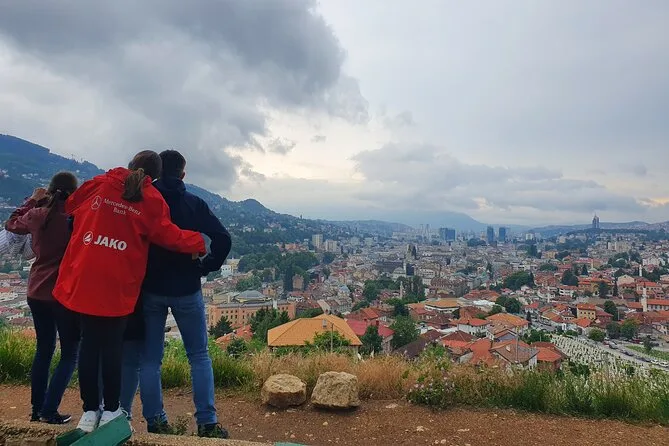
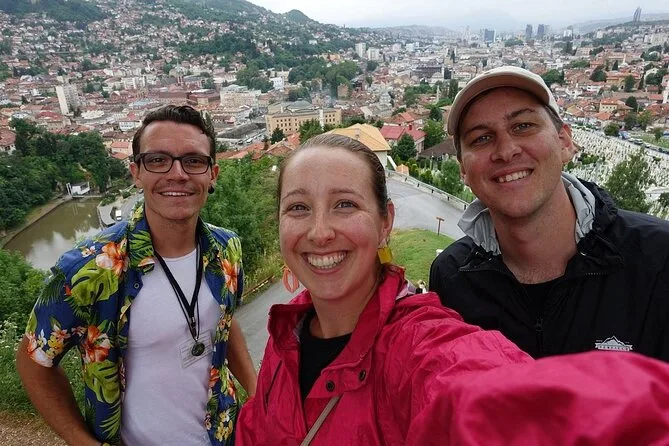
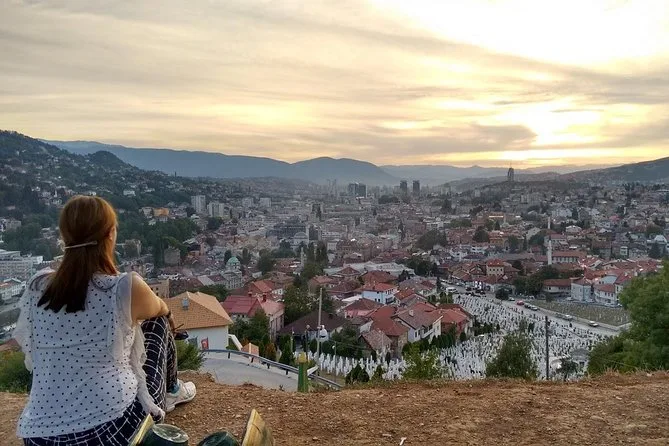
Afterwards we wound up Trebevic Mountain, where the air shifted—cooler, pine-scented. The view over Sarajevo was sharp and wide; I caught myself thinking how beautiful it looked from up here until Emir quietly pointed out where enemy lines had been set up during the war. There’s an abandoned hotel-restaurant called “Eight” up there—graffiti everywhere, broken tiles crunching underfoot—and for a second it felt like time had stopped somewhere in 1993. We didn’t talk much walking through it.
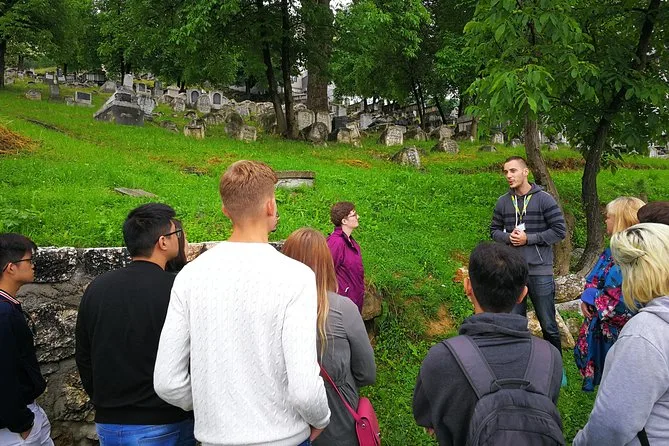
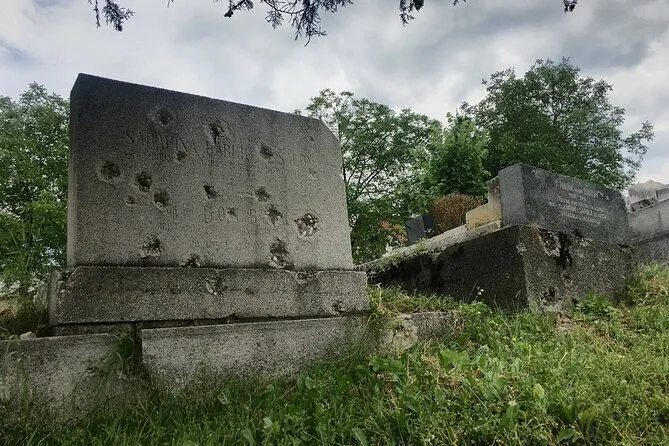
On the way back down we stopped at this huge Jewish cemetery under Trebevic—second biggest in Europe after Prague, apparently. The tombstones are oddly shaped; Emir said they’re inspired by medieval Bosnian “Stecak.” It was silent except for birds and someone lighting incense nearby (the smell stuck to my jacket). Last stop was Yellow Bastion above the old town—a place to see both graves of soldiers and Bosnia’s first president. I stood there longer than I meant to; you just kind of feel everything all at once up there.
 4h
4h

Step-by-step itinerary
Day 1 — Sarajevo war history and key sites tour
- Meet at Info Bosnia Tourist Center
- Introduction and start transportation
- Short war theme introduction en route
- Pass Markale massacre site
- Pass Eternal Flame memorial
- Pass Sniper Alley boulevard
- Pass National Museum of Bosnia and Herzegovina
- Visit Sarajevo Tunnel Museum and watch movie
- Attend one-hour war and tunnel presentation
- Drive to Trebević Mountain
- Walk hotel-restaurant Eight ruins
- Enjoy panoramic views of Sarajevo
- Visit second largest Jewish cemetery in Europe
- Visit Yellow Fortress and view Soldiers cemetery

Top questions

How long is the Sarajevo War Tunnel & Trebevic tour?
The tour lasts about 4 hours from start to finish.
Is hotel pickup included for this study tour?
Yes, hotel pickup is included if you’re staying outside Sarajevo Old Town.
What sites are visited on this Sarajevo war history tour?
You visit Sniper Alley, War Tunnel Museum (Tunnel of Hope), Trebevic Mountain including Hotel Eight ruins, Jewish Cemetery, Yellow Bastion and Martyr Cemetery.
Is this tour wheelchair accessible?
Yes, the tour is wheelchair accessible according to organizers.
Who leads this Sarajevo war study tour?
A certified local guide leads the tour and shares personal insights throughout.
How do you get between sites on this tour?
You travel by air-conditioned car or minivan with your group and guide.
Are entry fees included in this Sarajevo day trip?
The price covers entry fees for all scheduled sites on the itinerary.
What should I bring or wear for this day trip in Sarajevo?
Wear comfortable shoes for uneven ground; weather can change quickly so bring layers just in case.

What’s included
Your day includes hotel pickup if needed (especially handy if you’re not staying right in Old Town), all transportation by comfy car or minivan with your guide driving or narrating as you go, plus entry fees at every site—from the War Tunnel Museum to panoramic stops on Trebevic Mountain and visits to cemeteries steeped in history before returning downtown together.
 Super deal
  Free booking, free cancellation.
  Don't lose your place.


 Do you need help planning your next activity?
  +507 6792-0894


