
Sarajevo: Tunnel of Hope & Siege History with Local Guide


The Tunnel That Kept a City Alive
You spend 2.5 hours moving through Sarajevo's wartime geography with a licensed guide who knows the city's siege history firsthand. You visit the Tunnel of Hope Museum, drive the streets where snipers operated, pass key wartime landmarks, and end with a panoramic view of the city. Transport and an introductory film are included; the pace is steady and suitable for most fitness levels.
 3h
3h

Step-by-step itinerary
Sarajevo wartime history and Tunnel visit
- Meet guide at meeting point
- Pass by Markale City Market
- Pass by Trg Djece Sarajeva
- Pass by Presidency Building
- Pass by Parliament and Holiday Inn Hotel
- Drive through dangerous street
- Pass by RTV Dom TV Building
- Explore Tunnel of Hope Museum
- Visit sacred ground and sniper lines

The Experience
The first thing that hits you is how ordinary the street looks now. Your guide meets you in central Sarajevo and within minutes you're driving past the Markale City Market, where the bustle of everyday commerce masks the fact that this same plaza was struck twice during the siege, killing dozens in each attack. You pass the Presidency Building, the Parliament, the Holiday Inn where foreign journalists broadcast the war to the world—all of it still standing, still in use, but carrying the weight of what happened here. The tour is 2.5 hours, which sounds short until you realize how much ground those hours cover, both literally and in terms of what you're absorbing.
Then comes the drive down what was once the most dangerous street in Sarajevo during the 90s. Your guide explains the sightlines, the exposed stretches, the logic of survival—which windows to avoid, which routes people took when they had to cross. It's not abstract. You're sitting in a car on that same street, and the geography of fear becomes real. After that, the Tunnel of Hope Museum itself feels less like a museum and more like stepping into the actual mechanism that kept the city from complete isolation. The tunnel ran beneath the airport, connecting Sarajevo to Bosniak-held territory outside the siege lines. Seeing it, understanding its construction and purpose, changes how you think about what "survival" meant for 1,425 days.
The tour ends at a sacred site that became a strategic wartime position—a place where the first sniper lines were dug in, and where you now stand with a panoramic view of the entire city spread below you. Your guide points out neighborhoods, explains what you're looking at, and the scale of what happened here becomes impossible to ignore. An introduction film plays before or during the tour, depending on the day's flow, and it contextualizes everything you're about to see or have just seen. Transportation is included, so you're not navigating between sites or figuring out timing yourself.

What’s included
- Your tour includes a licensed local guide who leads you through the sites and shares historical context and personal perspective.
- Transportation between all stops is provided.
- You'll watch an introduction film about the 1992-1995 siege before or during the tour, and you have full access to the Tunnel of Hope Museum.
- The entire experience runs 2.5 hours and covers the key wartime landmarks, streets, and the panoramic viewpoint overlooking the city.
Operated by Insider Ltd
Is this one for you?Right for travelers who want to understand Sarajevo's siege history with someone who knows it deeply, without arranging transport or navigating between sites themselves. Expect a sobering, reflective experience—this is about bearing witness to resilience, not entertainment.
Traveler reviews
Compare the 9 similar options
 Sarajevo: Tunnel of Hope & Siege History with Local Guide★ 4.83 (139)3hEN · DE +4US$ 30
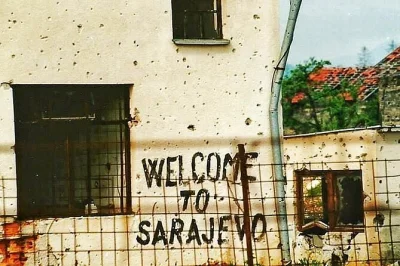 Sarajevo: War Tunnel & Sniper Alley Tour with Local GuideTour the 1984 Olympic bobsleigh track on Trebević Mountain, Siege tunnel, sniper streets, and bullet-marked buildings with a local guide who lived through the war.★ 4.97 (1,494)4hENUS$ 46View ›
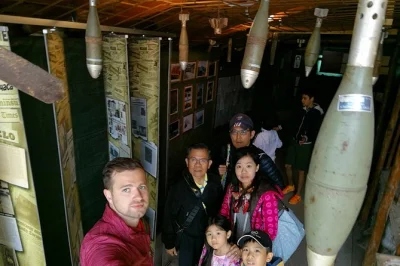 Sarajevo: War Tunnel, Trebevic & Jewish Cemetery Study TourStep into Sarajevo’s war history with a local guide—walk Sniper Alley, explore the Tunnel of Hope, and reflect at the Jewish cemetery. Includes hotel pickup.★ 4.98 (579)4hEN · ITUS$ 44View ›
 Sarajevo: Grand City Tour, War Tunnel & Olympic Bobsled TrackFeel Sarajevo’s layered history in 5 hours: walk Old Town, explore the War Tunnel, and see the Olympic bobsled track with a local guide—hotel pickup included.★ 4.96 (84)5hENUS$ 57View ›
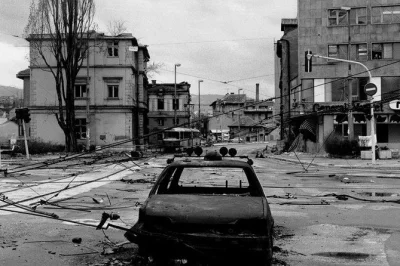 Sarajevo War & City Tour: Tunnel of Hope with Siege SurvivorGuided war and city tour of Sarajevo with the Tunnel of Hope, led by guides who survived the 1992–95 siege—drive past 20+ monuments, walk the tunnel★ 5.00 (906)4h 15mENUS$ 58View ›
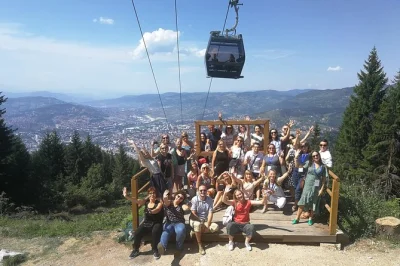 Sarajevo: 1425 Days Siege War Tour & TunnelFull-day Sarajevo war tour covering the 1425-day siege: Tunnel of Hope Museum, Trebević mountain, Olympic bobsleigh track, Jewish cemetery. Includes hotel pickup and guide.★ 4.91 (176)3h–4hEN · AR +6US$ 47View ›
 Sarajevo War Tour: Siege Sites & Tunnel with Veteran GuideHalf-day Sarajevo War Tunnel tour led by siege survivor. Includes War Tunnel Museum, Bobsled track, Sniper Alley, Jewish Cemetery. 4 hours, all fees included, hotel pickup.★ 4.96 (352)4hENUS$ 47View ›
 Sarajevo War Times Tour: Siege history with Tunnel entryWalk Sniper Alley and the siege frontlines in Sarajevo with an English-speaking guide, cross the wartime border four times★ 5.00 (70)3h–4hENUS$ 46View ›
 Sarajevo War Tour: Sniper Alley, Tunnel & Yellow FortressThree-hour guided tour of Sarajevo's siege history with entry to the Tunnel Museum, visits to Sniper Alley and the Yellow Fortress★ 5.00 (4)3h–4hENUS$ 48View ›
Top questions
How long is the Tunnel of Hope Tour?
Two and a half hours, including transport between sites and time at the museum.
What is included in the tour?
A licensed local guide, transportation, an introduction film about the 1992-1995 siege, and entry to the Tunnel of Hope Museum.
Can I bring small children or infants?
Yes. Infants can sit on an adult's lap or ride in a pram or stroller. The tour is suitable for all fitness levels.
Do we actually go inside the tunnel?
You visit the Tunnel of Hope Museum, which explores the tunnel's construction, purpose, and significance during the siege. The museum is the main attraction; the tunnel itself is the focus of the exhibits.
What landmarks do we see?
The tour passes the Markale City Market, Presidency Building, Parliament, Holiday Inn Hotel, and RTV Dom (the national TV building). You also drive through streets that were under sniper fire and visit a sacred site with panoramic views of the city.
Is this tour appropriate if I don't know much about the siege?
Yes. The guide provides historical context and personal insights throughout, and the introduction film covers the siege's timeline and key events.
What is the physical difficulty level?
The tour is suitable for all fitness levels. Most time is spent in a vehicle or at the museum; there is walking at the final panoramic viewpoint.
Are there public transportation options nearby?
Yes, public transportation is available near the meeting point and tour sites.
Sarajevo: Tunnel of Hope & Siege History with Local Guide
3h · EN · DE +4
from US$ 30 per person
★★★★★★★★★★4.83139 reviews
