
Bhutan 6-Day Private Tour: Paro, Thimphu & Punakha Highlights

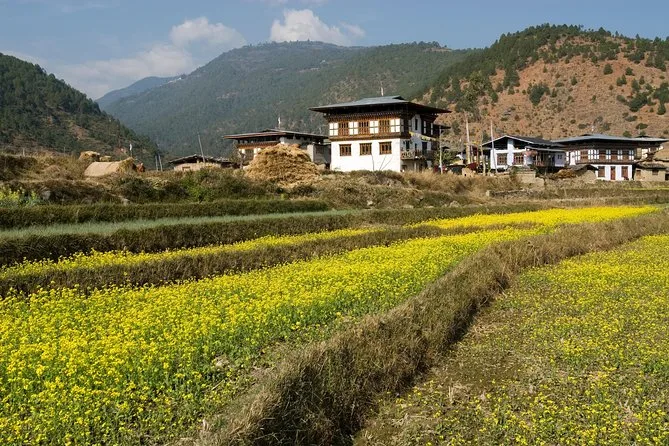
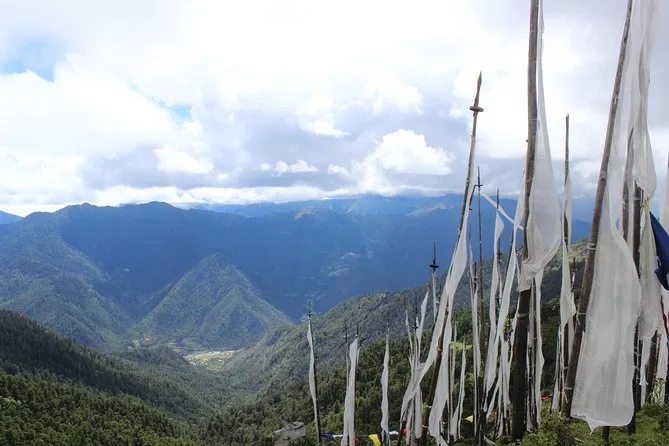
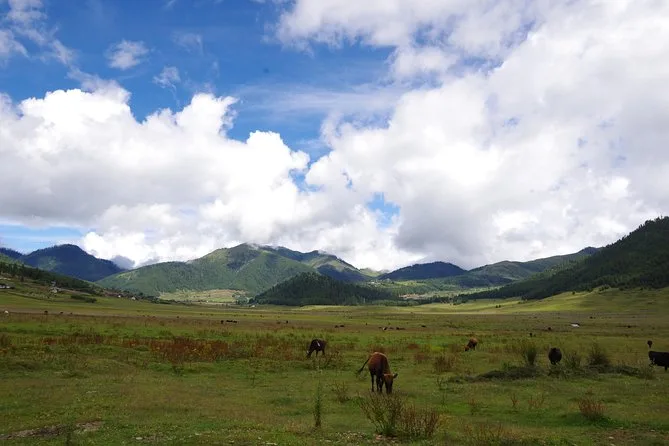
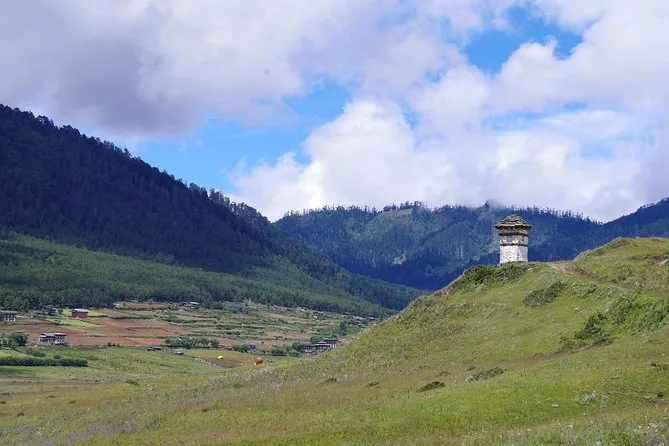


Private Bhutan Journey: Culture, Nature & Local Life
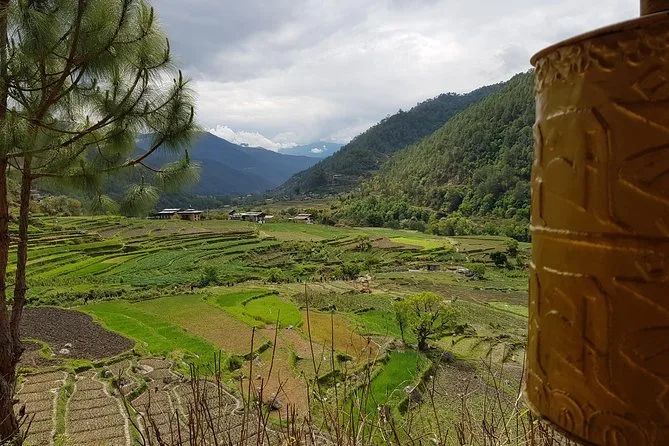
You’ll walk ancient trails through pine forests, visit temples alive with history, share meals with locals—and see why Bhutan feels like nowhere else on earth. This tour blends culture, nature hikes, and real moments with people who call this kingdom home.
 6d
6d

Step-by-step itinerary
Day 1 — Arrival and Thimphu Exploration
- Arrive at Paro and drive to Thimphu
- Visit Tamchog Lhakhang temple
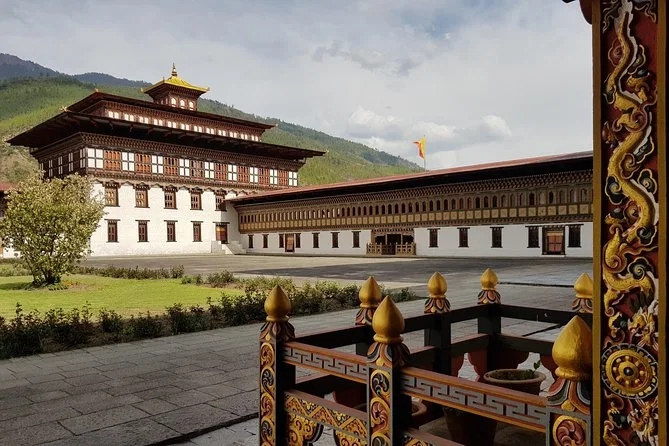
- Visit National Memorial Chorten
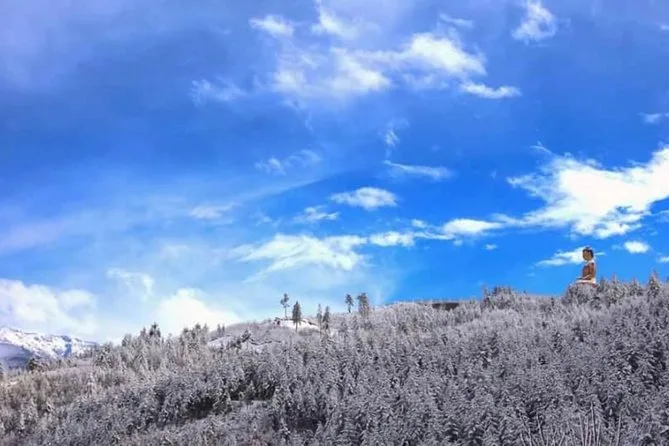
- Visit Buddha Dordenma statue
- Explore Farmers' Weekend Market
Day 2 — Thimphu Cultural Sites
- Hike to Tango & Cheri Goemba monastery
- Hike and picnic at Jigme Dorji National Park
- Visit National Institute for Zorig Chusum
- Visit Royal Textile Academy and paper making factory
Day 3 — Punakha Valley Drive and Visits
- Drive over Dochu La pass and admire stupas
- Visit Chimi Lhakhang temple
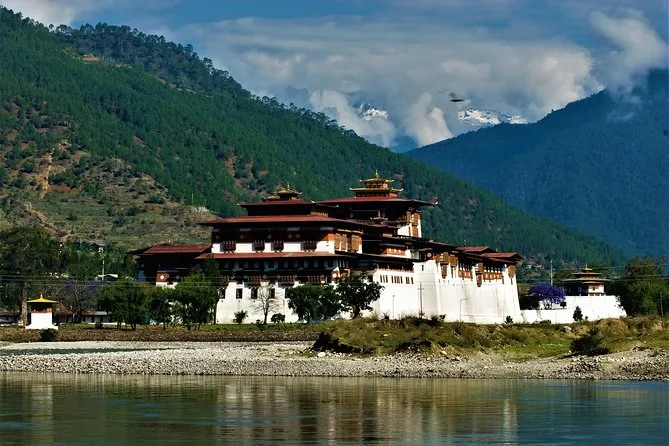
- Tour Punakha Dzong fortress
- Visit Sangchhen Dorji Lhuendrup Lhakhang Nunnery
Day 4 — Return to Paro and Museums
- Drive to Paro
- Visit Ta Dzong National Museum
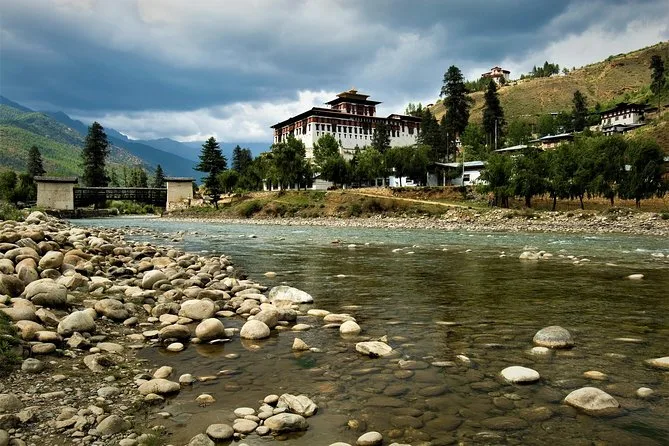
- Visit Paro Rinpung Dzong fortress
Day 5 — Taktsang Hike and Farmhouse Visit
- Hike to Taktsang Monastery (Tiger's Nest)
- Visit traditional farmhouse
Day 6 — Departure
- Transfer to Paro Airport for departure

The Experience
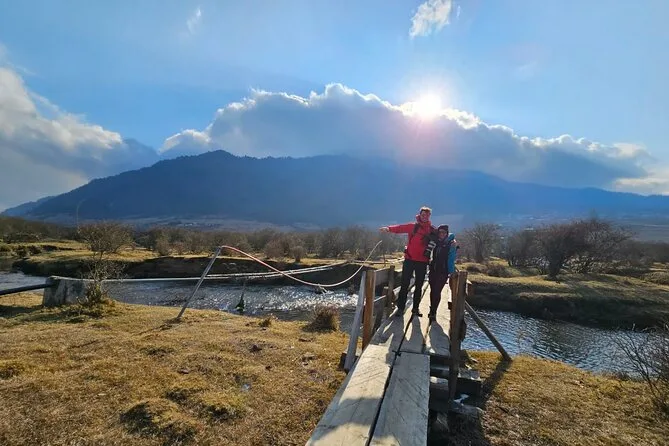
The first thing that hit me as we landed in Paro was the crisp mountain air—cooler than I expected, even in late spring. Our guide met us right outside the tiny airport (it’s the only one in Bhutan), and before I knew it, we were winding through valleys toward Thimphu. The drive itself felt like a welcome—green hillsides, prayer flags fluttering everywhere, and the Paro River glinting below. We stopped at Tamchog Lhakhang to stretch our legs and cross the iron bridge—honestly, I felt a bit wobbly at first but it’s sturdy and the view upstream is worth it. By afternoon we’d checked into our hotel in Thimphu and wandered over to the National Memorial Chorten. Locals circled clockwise with prayer beads; I joined in for a lap just to soak up the rhythm of daily life here.
The next morning started early with a hike up to Tango & Cheri Goemba. The trail smelled faintly of pine and damp earth after last night’s rain. It’s not too tough—a steady climb—and you get these sweeping views back over Thimphu valley. Afterward, we picnicked by a river inside Jigme Dorji National Park (I still remember the sound of water rushing over rocks). Back in town, our guide took us to the National Institute for Zorig Chusum—watching students paint thangkas or carve wood was honestly mesmerizing. If you’re into crafts, don’t miss the Royal Textile Academy either; those handwoven pieces are works of art. We squeezed in a quick stop at Jungshi paper factory too—I tried making paper from scratch (messier than it looks!).
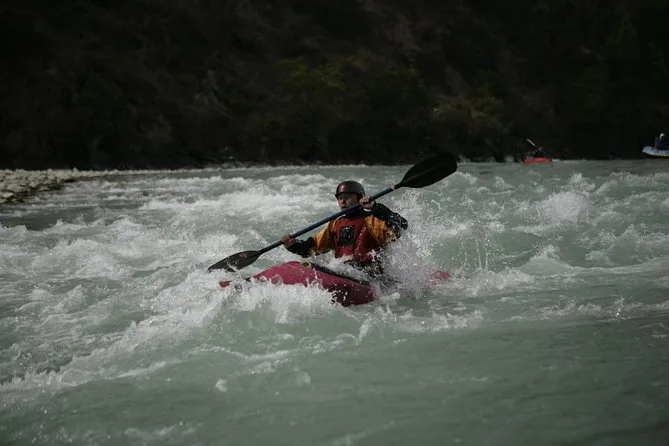
The drive to Punakha was one of my favorite parts—especially when we crested Dochu La Pass. There were clouds drifting low around the 108 stupas and it felt almost otherworldly up there. We stopped for butter tea at a roadside stall (an acquired taste!) before heading down into warmer valleys. Chimi Lhakhang was next—a temple famous for its fertility blessings—and then on to Punakha Dzong itself. The jacaranda trees were just starting to bloom purple against those white walls; locals say it’s even prettier later in spring. Before sunset we visited Sangchhen Dorji Lhuendrup Nunnery—quiet except for soft chanting from inside—and if you’re feeling adventurous, there’s rafting nearby too.
Heading back to Paro took most of the morning but Mt Jhomolhari peeked out through clouds as we drove—a real “wow” moment if you catch it clear. In Paro town we explored Ta Dzong (now the National Museum) with its round stone walls and quirky exhibits—old armor, masks, even some ancient scrolls tucked behind glass. Downhill is Rinpung Dzong; monks were chanting when we arrived so everything echoed softly off those thick wooden beams.
I’d been looking forward to Tiger’s Nest since day one—it really does cling impossibly to that cliffside! The hike takes about two hours up (bring water; it gets steep), but every switchback gives you another glimpse of the monastery above or prayer flags strung across ravines below. Inside is quiet and cool—the scent of incense everywhere—and our guide shared stories about Guru Rinpoche arriving on a flying tigress (locals swear by it). On our last evening we visited a farmhouse outside town: homemade ema datshi (chili cheese) for dinner and laughter with our hosts around their kitchen stove.

What’s included
- Your private car and driver.
- all accommodation in certified 3-star hotels (upgradable).
- Bhutan visa fee.
- Sustainable Development Fee.
- full-time English-speaking guide.
- all entrance fees per itinerary.
- daily breakfast.
- specialized infant seats if needed.
- airport transfers both ways.
Operated by Bhutan Best InBound Tour
Traveler reviews

Top questions
Is this Bhutan tour suitable for families or older travelers?
Absolutely! The itinerary mixes cultural visits with gentle hikes—you can adjust pace as needed. Specialized infant seats are available too.
Are all permits and visas included?
Yes—all necessary permits and your Bhutan visa fee are included in your booking. You’ll receive your e-visa by email before arrival.
Can I upgrade my hotel accommodation?
You can upgrade from 3-star hotels to 4 or 5-star options for an extra fee—just let us know your preference when booking.
Will I have an English-speaking guide throughout?
A certified English-speaking guide will be with you from arrival until departure—they’ll handle logistics and share local insights along the way.
Bhutan 6-Day Private Tour: Paro, Thimphu & Punakha Highlights
6d · EN · at your hotel
from US$ 1,806 per person
★★★★★★★★★★5.0030 reviews
