

 +507 6792-0894


9-Day Bhutan Private Tour: Bumthang, Tiger’s Nest & Valleys


Summary
Bhutan Valley Adventure: Paro, Bumthang & Taktsang Hike
If you want real Bhutan—temples humming with chants, misty valleys dotted with prayer flags, hikes that leave your legs tired but your heart full—this tour covers it all. You’ll get local guides who actually grew up here, plenty of home-cooked meals (chili cheese is everywhere), comfy hotels each night, and all the big sights from Bumthang’s ancient monasteries to Tiger’s Nest perched high above Paro.

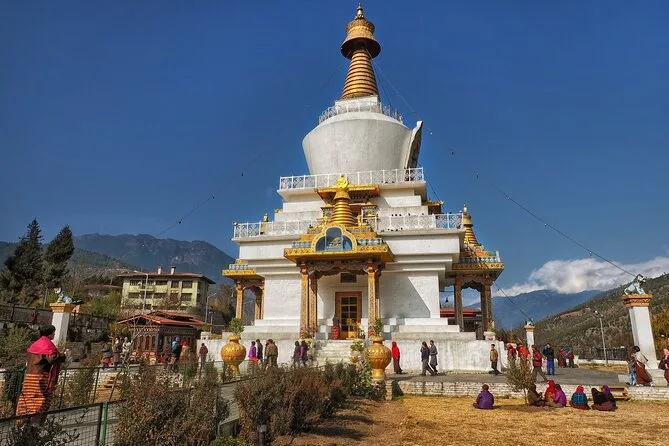
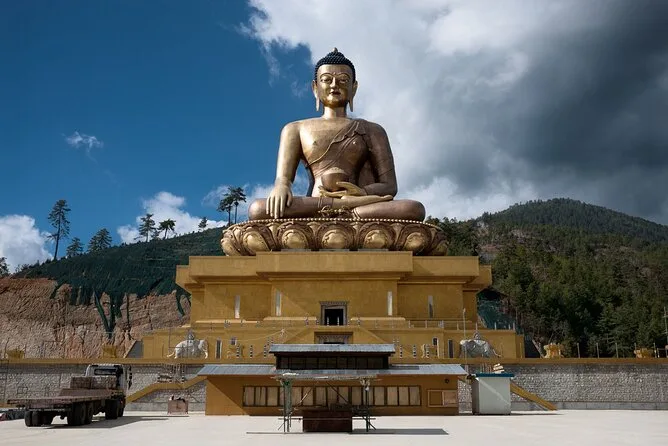
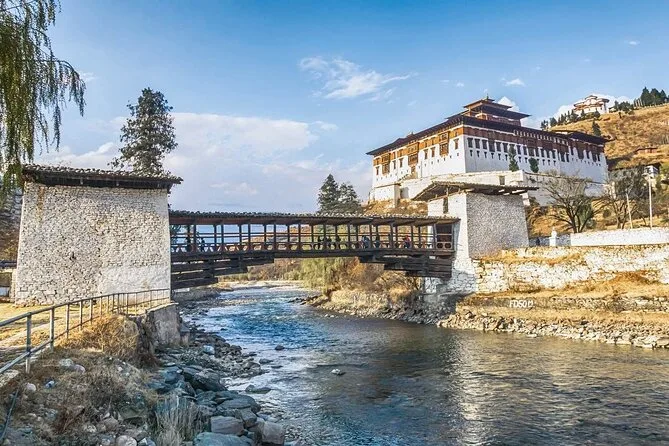
The first thing that hit me stepping off the plane in Paro was the crisp mountain air—cooler than I expected, even in summer. Our guide met us right at the airport (it’s the only international one here), and after a quick lunch of ema datshi at a local spot, we wandered through Paro Rinpung Dzong. The place buzzed quietly with monks in maroon robes. Later, we drove to Thimphu—the capital—where King’s Memorial Chorten stood out with locals circling it in prayer. At Buddha Point, you can see the whole valley spread out below; I remember hearing the faint clang of prayer bells from somewhere down the hill. The farmer’s market was lively too—vendors selling everything from red rice to dried chilies. If you’re into crafts or want souvenirs, the handicraft market is just a short walk away.
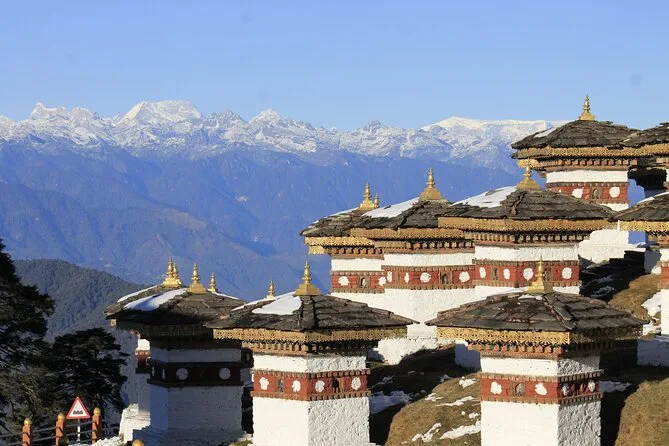
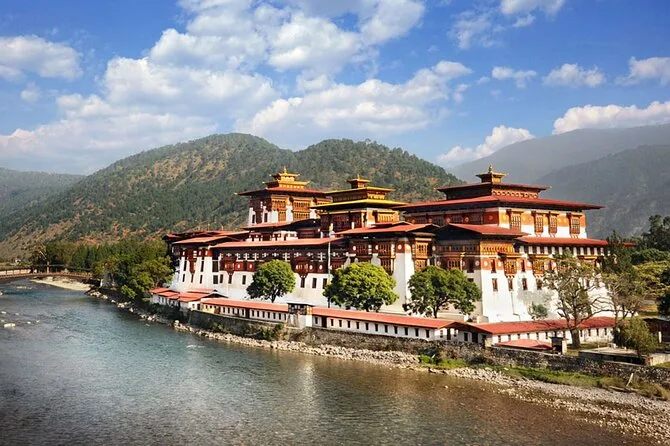
The drive to Punakha took us over Dochula Pass (if you’re lucky with clear skies, those Himalayan peaks are unreal). We stopped for tea at a roadside shack—sweet and milky—and then hiked up to Chimi Lhakhang, known as the fertility temple. It’s got its own quirky legends about Drukpa Kunley. Punakha itself feels warmer and more laid-back than Thimphu. The dzong here sits between two rivers; I caught a whiff of incense as we crossed its wooden bridge.
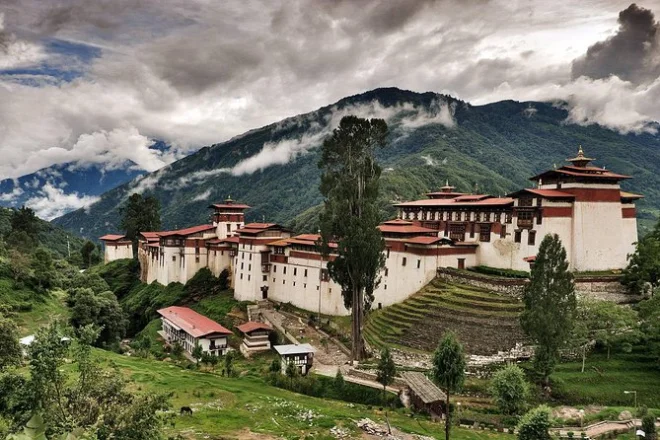
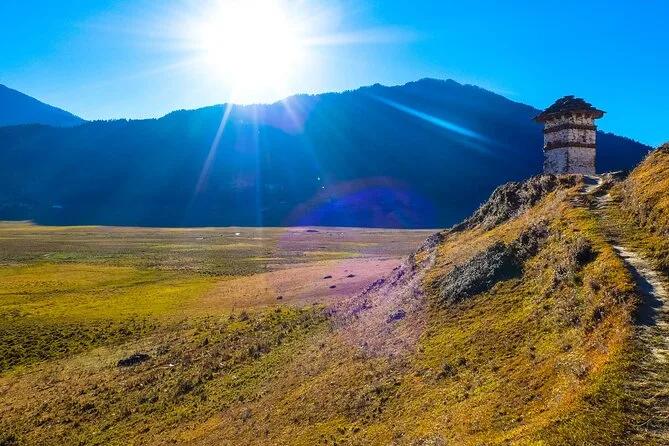
Heading towards Gangtey meant winding roads and sudden views of Phobjikha Valley—a wide bowl of green where black-necked cranes come in winter (we missed them by a month). Gangtey village is small but friendly; kids waved as we passed by. The next day started with a visit to Gangtey Dzong before driving east past Trongsa—a town perched on a ridge with its fortress-monastery looming above—to reach Bumthang.
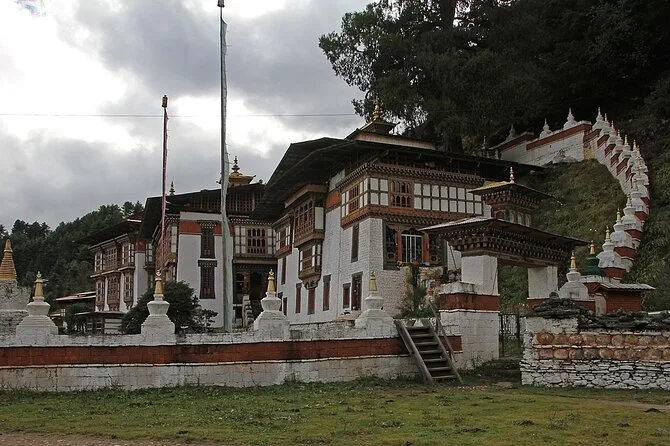
Bumthang felt different—quieter somehow, with pine-scented air and clusters of old monasteries tucked into hillsides. We spent time at Jambay Lhakhang (built way back in 659 CE), Kurje Lhakhang where Bhutan’s early kings are buried, and Tamshing Monastery which has these faded but beautiful murals inside. Our guide told us stories about Pema Lingpa while we walked between temples; he seemed to know every monk by name. There’s an easy walk out to Thangbi Lhakhang if you want some fresh air—just watch for stray dogs napping in the sun.
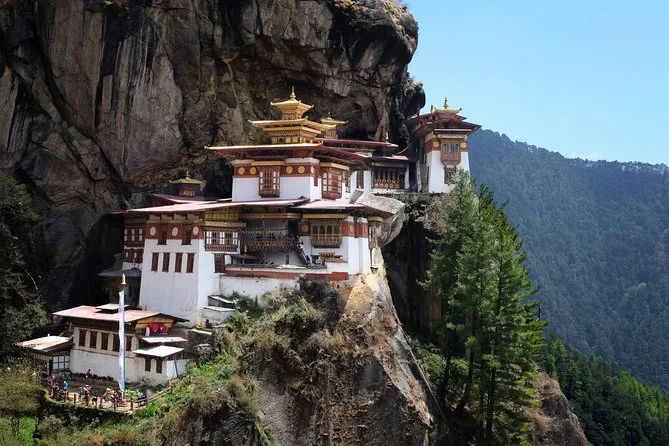
The return journey retraced our route through Gangtey and back across Dochula Pass (clouds this time—no mountain views). We ended up in Paro again for one last adventure: hiking up to Taktsang Monastery, or Tiger’s Nest. It’s steep but doable if you take your time; there’s a little café halfway up where I caught my breath over butter tea and watched clouds drift past the monastery clinging impossibly to the cliffside. Inside Taktsang it smells like juniper smoke and old wood—hard not to feel moved by it all. On our way down we stopped at Kyichu Lhakhang, said to be Bhutan’s oldest temple.
 9d
9d

Step-by-step itinerary
Day 1 — Arrival in Paro and Thimphu Tour
- Arrive Paro Airport
- Visit Paro Rinpung Dzong
- Sightseeing in Thimphu
- Visit King’s Memorial Chorten
- Visit Weekend Farmer’s Market
- Visit Handicraft Market
- Visit Buddha’s Point
Day 2 — Thimphu to Punakha via Dochula Pass
- Drive to Gangtey via Dochula Pass
- View Himalayan panorama at Dochula Pass
- Hike to Chimi Lhakhang Temple
- Visit Punakha Dzong
- Explore Punakha Valley
Day 3 — Punakha to Gangtey Valley
- Drive to Gangtey via Phobijikha Valley
- Explore Gangtey Village
Day 4 — Gangtey to Bumthang via Trongsa
- Visit Gangtey Dzong
- Drive towards Bumthang passing Trongsa
Day 5 — Bumthang Valley Cultural Tour
- Sightseeing in Bumthang: Jambay, Kurje, Tamshing Lhakhang, Jakar Dzong
- Visit Jambay Lhakhang
- Visit Kurje Lhakhang
- Visit Tamshing Monastery
- Walk to Thangbi Lhakhang
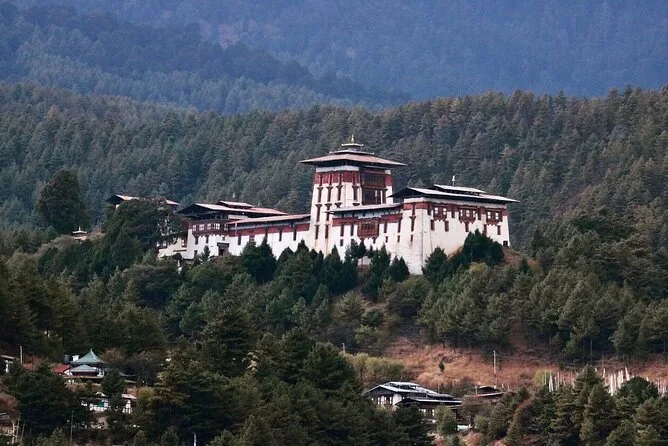
- Visit Jakar Dzong
Day 6 — Return to Gangtey from Bumthang
- Drive back to Gangtey via Trongsa
- Rest or explore Phobijikha Valley
Day 7 — Gangtey to Paro via Dochula Pass
- Drive to Paro passing Dochula Pass
- View Himalayan panorama at Dochula Pass
- Explore Paro town
Day 8 — Hike to Taktsang Monastery
- Hike to Taktsang Monastery and visit Kyichu Lhakhang
- Explore Taktsang Monastery
- Visit Kyichu Lhakhang
Day 9 — Departure from Paro
- Transfer to Paro International Airport

Top questions

Is this Bhutan tour suitable for families with children?
Yes! Kids are welcome as long as they’re accompanied by an adult. Most walks are gentle but let us know if you need extra support or adjustments.
Are meals included during the tour?
All three daily meals are covered while you’re in Bhutan—from breakfast through dinner—and usually feature local dishes plus some international options.
Do I need special fitness for the Tiger's Nest hike?
You don’t need to be an athlete—the path is steep but well-marked and most people manage fine if they go slow. There’s a rest stop halfway up too.
What kind of accommodation is provided?
You’ll stay in comfortable 3-star hotels throughout unless you’d like an upgrade; just ask if you prefer 4- or 5-star options (extra cost applies).
Is my Bhutan visa included?
Yes—the visa fee is part of your package price and we handle all processing for you before arrival.

What’s included
Your trip comes with a licensed local guide who knows every shortcut and story; private vehicle transfers including airport pick-up/drop-off; all entry fees for monuments; three meals daily; comfy 3-star hotels (upgrades available); sustainable development fee; internal taxes; plus full visa processing so there’s no paperwork stress on your end.
 Super deal
  Free booking, free cancellation.
  Don't lose your place.


 Do you need help planning your next activity?
  +507 6792-0894


