

 +507 6792-0894


8-Day Bhutan Classic Tour: Easy Hikes, Culture & Tiger’s Nest





Summary
Bhutan Small Group Tour with Scenic Walks & Local Encounters
You’ll experience Bhutan like an insider: easy hikes past rice paddies and rhododendron forests, meals with locals, stories from expert guides, plus iconic sights like Tiger’s Nest Monastery—all without rushing or long drives.

Landing in Paro is something I’ll never forget—the plane dipped between green hills, and for a second you could spot the white-capped peaks of Everest and Jomolhari through the window. The air felt crisp as we stepped out. Our guide, Sonam, greeted us with a big grin and helped us into a comfy van. On the way to Thimphu, we stopped at Tamchog Lhakang. There’s this iron bridge—rebuilt using ancient chains—that rattles under your feet as you cross. It’s oddly soothing hearing the river below. Later that evening, after checking in at our hotel, we squeezed in a visit to Memorial Chorten. Locals circled the stupa quietly spinning prayer wheels; it was peaceful in that golden hour light.
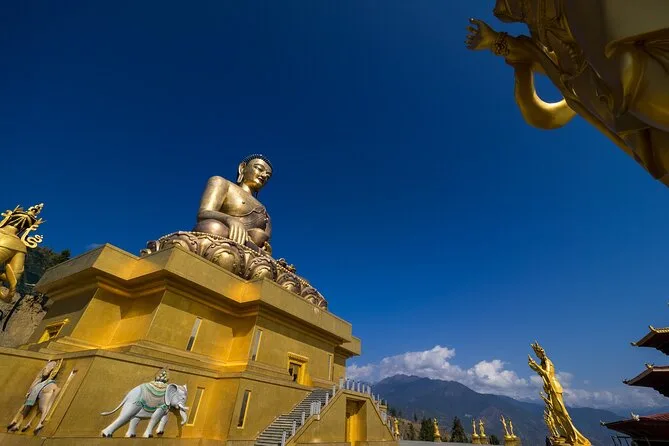
The next morning started with breakfast and a drive up to Kuensel Phodrang. The Buddha Dordenma statue is massive—you can see it from almost anywhere in Thimphu. We hiked down an easy trail toward Changangkha temple; birdsong followed us most of the way. Lunch was at Ambient Café—locals chatting over momos and butter tea made it feel like we were part of daily life here. In the afternoon, we wandered through the Folk Heritage Museum (the wooden floors creaked underfoot), peeked into the National Institute of Traditional Arts where students painted intricate thangkas, and ended up at the Royal Textile Academy—those handwoven fabrics are works of art. By evening, the crafts bazaar was buzzing; vendors called out prices for yak wool scarves while live music drifted from a nearby corner of Centenary Market.
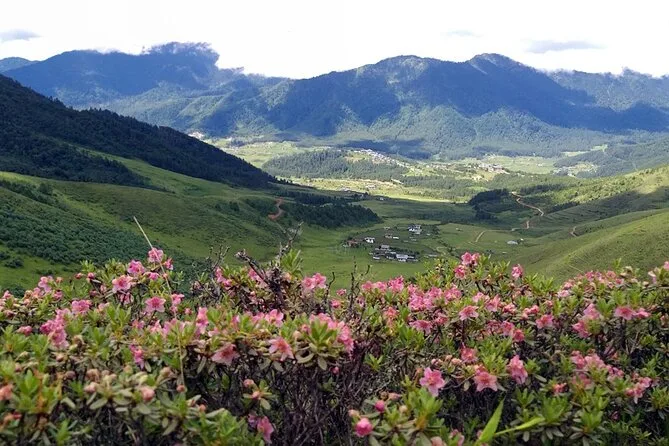
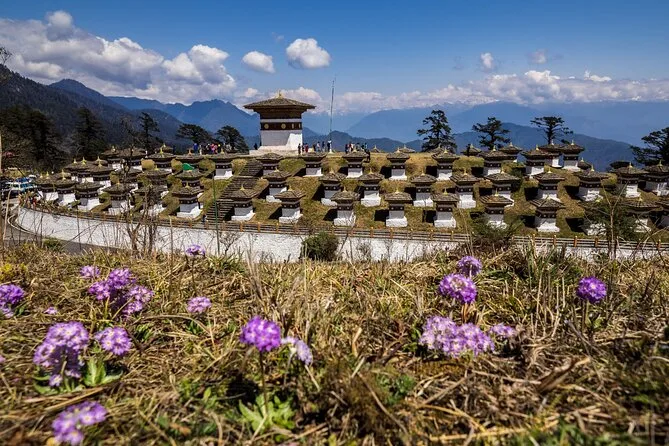
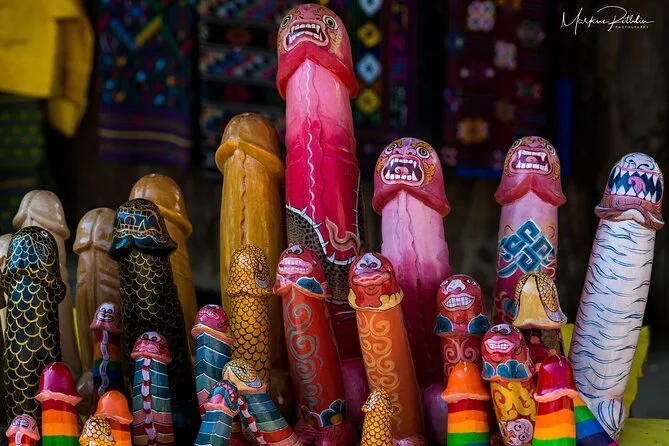
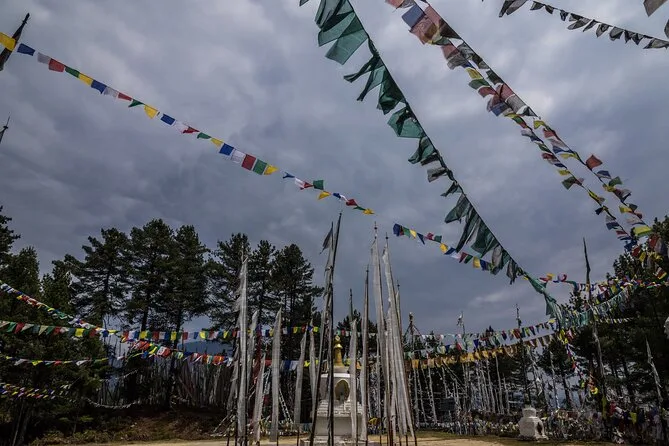
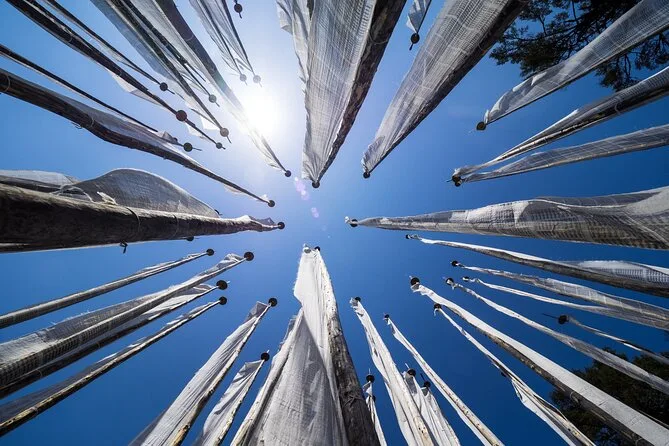
The road to Punakha winds up to Dochula Pass—prayer flags flapping wildly in the wind—and on clear days you get a glimpse of snow-dusted mountains stretching north. We tried the Lungtsezelkha hike; rhododendron forests smelled fresh after last night’s rain, and we even spotted yaks grazing off-trail. If you’re not up for that climb, there’s an easier walk along part of the Trans Bhutan Trail through Lamperi Park down to Talo village—our friends took that route and loved it too. In Lobesa valley, we walked past rice paddies to Chhimi Lhakhang (the fertility monastery). Our guide told stories about Drukpa Kunley—the “Divine Madman”—that had everyone laughing.
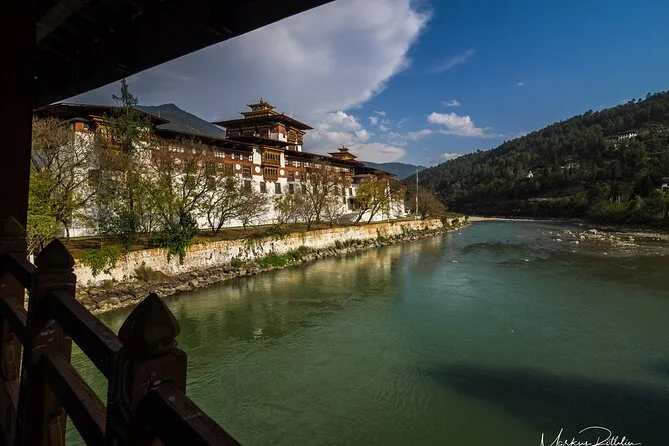
Punakha itself feels warmer than Thimphu—maybe it’s all those rice fields or just being lower in altitude. We hiked up through paddy fields to Khamsum Yuelley Namgyal stupa; it took about 45 minutes but wasn’t tough. At the top you get this wide view over Punakha valley—totally worth it. Down by Zomlingthang grounds, our picnic lunch by the river came with a side of archery practice (locals take their aim seriously!). The Punakha Dzong sits right where two rivers meet—it’s full of painted woodwork and history; Sonam explained every detail as monks passed by in maroon robes. Later we visited Sangchhen Dorji Lhuendrup Nunnery on a ridge—the nuns were curious about where we were from and practiced their English with us before our gentle hike back along part of the Trans-Bhutan Trail.
The drive to Phobjikha valley follows Dang Chuu river through bamboo forests before climbing toward Pele La pass—it gets misty here sometimes so keep your jacket handy! Turning off onto a smaller road leads into Phobjikha—a wide glacial valley famous for black-necked cranes (we saw a few feeding in distant fields). Gangtey Gompa monastery sits above everything; inside was quiet except for soft chanting from young monks during meditation practice. Our guide arranged for us to join briefly—it felt grounding somehow.
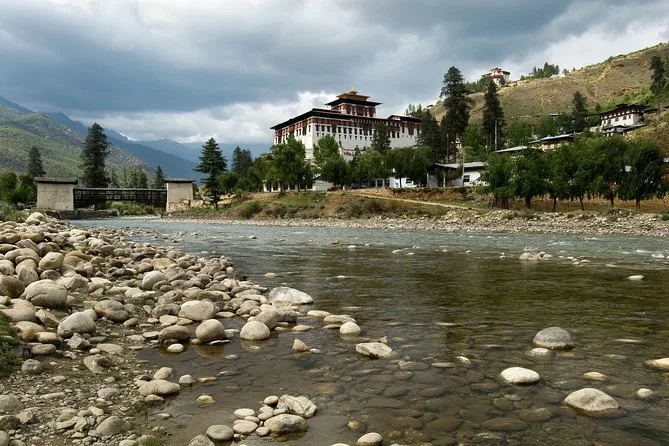
Heading back west toward Paro meant retracing our route over Dochula Pass (clouds rolled in fast that morning). In Paro town, Kyichu Lhakhang stands out as one of Bhutan’s oldest temples—the scent of incense lingers everywhere inside. The National Museum has everything from ancient masks to postage stamps—I lost track of time reading old labels! Rimpung Dzong is another fortress with steep wooden stairs and views across rice terraces.
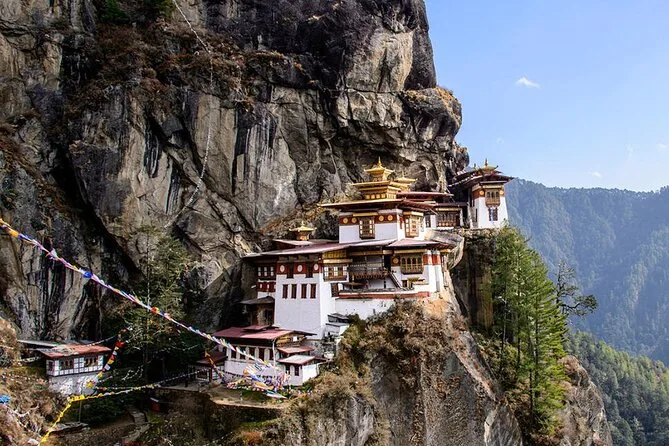
The highlight? Definitely hiking up to Tiger’s Nest Monastery (Taktshang). It takes about two hours if you go slow—there are horses for hire but walking lets you hear wind in pine trees and catch glimpses of prayer flags fluttering above cliffs. The temple clings impossibly high on rock face; Sonam shared legends about Guru Rinpoche flying here on a tigress centuries ago. On our way down we stopped at Satsam Chorten for tea—Jomolhari peak peeked out from clouds just long enough for photos—and visited Drugyal Dzong ruins before heading back into town for dinner together one last time.
 8d
8d

Step-by-step itinerary
Day 1 — Arrival and Thimphu Transfer
- Flight into Paro with Himalayan views
- Drive to Thimphu, visit Tamchog Lhakang monastery
- Check-in and rest at hotel
- Evening visit to Memorial Chorten Stupa
- Welcome dinner with Bhutanese cuisine
Day 2 — Thimphu Hiking and Culture
- Hike from Kuensel Phodrang Buddha statue to Changangkha temple
- Lunch at local café
- Visit Folk Heritage Museum
- Visit National Institute of Traditional Arts
- Visit Royal Textile Academy
- Explore Crafts Bazaar and local markets
Day 3 — Thimphu to Punakha
- Drive to Dochula Pass and visit Druk Wangyal Chortens
- Optional Lungtsezelkha or Trans Bhutan Trail hike
- Visit Druk Wangyel Chortens
- Optional Trans Bhutan Trail hike to Talo village
- Visit Chhimi Lhakhang monastery and hike through village
Day 4 — Punakha Sightseeing and Hiking
- Hike to Khamsum Yuelley Namgyal stupa
- Visit Punakha Dzong fortress
- Visit Sangchhen Dorji Lhuendrup Lhakhang Nunnery and hike Trans-Bhutan Trail
Day 5 — Punakha to Phobjikha Valley
- Drive to Phobjikha valley via scenic route
- Visit Gangtey Gompa monastery and meditation session
- Explore Black-necked crane habitat and valley
Day 6 — Phobjikha to Paro
- Drive back to Paro via Dochula Pass
- Visit Kyichu Lhakhang temple and National Museum
- Visit Rimpung Dzong fortress
Day 7 — Tiger's Nest Monastery Excursion
- Hike to Tiger’s Nest Monastery and visit Satsam Chorten
- Visit Drugyal Dzong fortress ruins
Day 8 — Departure
- Transfer to airport and farewell

Top questions

Is this tour suitable for beginners or older travelers?
Absolutely! Most hikes are gentle and optional—you can always choose easier walks or relax while others hike.
What kind of hotels will we stay in?
You’ll stay at comfortable 3-4 star hotels or boutique resorts selected for location and service quality.
Are meals included? What kind of food can I expect?
Dinners are included most nights; expect authentic Bhutanese dishes like ema datshi (chili cheese), momos, rice dishes—and some international options too.
Will I have an English-speaking guide throughout?
Yes—a knowledgeable English-speaking guide will accompany you from arrival until departure.

What’s included
Your trip covers private transport with an experienced driver-guide team, all monument entry fees (worth $300), stays at carefully chosen 3-4 star hotels each night, all necessary permits, transfers in modern vehicles, plus bottled mineral water throughout your journey.
 Super deal
  Free booking, free cancellation.
  Don't lose your place.


 Do you need help planning your next activity?
  +507 6792-0894


