

 +507 6792-0894


9-Day Bangladesh Heritage Tour: Dhaka, Sundarbans & More






Summary
Bangladesh World Heritage Tour: History, Culture & Nature
If you want to really get under Bangladesh’s skin—from ancient capitals to wild mangroves—this tour packs it all in without feeling rushed or touristy. You’ll ride ferries with locals, wander lost cities like Panam Nagar, spot wildlife in the Sundarbans (maybe even tiger tracks), and taste life in buzzing markets most travelers never see.

Dhaka hits you right away—the city’s alive with honking rickshaws and the smell of fried snacks drifting from roadside stalls. Our first stop was the National Parliament building. Even from outside, it’s hard to miss that bold concrete design by Louis Kahn. Locals hang out on the lawns, snapping selfies or just chatting under the shade. The museum nearby is a maze of old coins, folk art, and even a stuffed Royal Bengal tiger—though it’s closed on Thursdays (I learned that the hard way).
Walking through Dhaka University felt like stepping into a living history book. The campus is leafy, but there’s always a buzz—students debating politics over tea at TSC Café. At Shaheed Minar, our guide explained how people gather here every February 21st for International Mother Language Day. You can still see faded petals from last year’s ceremony tucked in corners.
The old city is another world—narrow lanes in Shakhari Bazaar packed with bangle shops and sweet vendors calling out prices. The Star Mosque glimmers white even on cloudy days; I caught a whiff of incense as we slipped off our shoes at the entrance. Not far off stands the Armenian Church—quiet now, but you can almost picture traders arriving centuries ago when this was Armanitola.
Lalbagh Fort has this unfinished feel—a Mughal dream left hanging mid-story. We wandered its gardens dodging cricket balls from local kids. Dhakeshwari Temple was humming with bells and prayers; someone handed me a marigold garland as an offering.
Sonargaon is just outside Dhaka but feels like another era entirely. Panam Nagar’s abandoned mansions are crumbling but beautiful—peeling paint and empty courtyards where goats wander in and out. The Folk Arts Museum is full of everyday things: fishing nets, clay pots, even an old wooden boat that smells faintly of river mud.
Sadarghat Port comes alive in the evening—porters shouting, ferries bumping against each other, and tea sellers weaving through crowds with trays of tiny glasses. We boarded our overnight launch as dusk settled over the Buriganga River; I barely slept but watching sunrise from the deck made up for it.
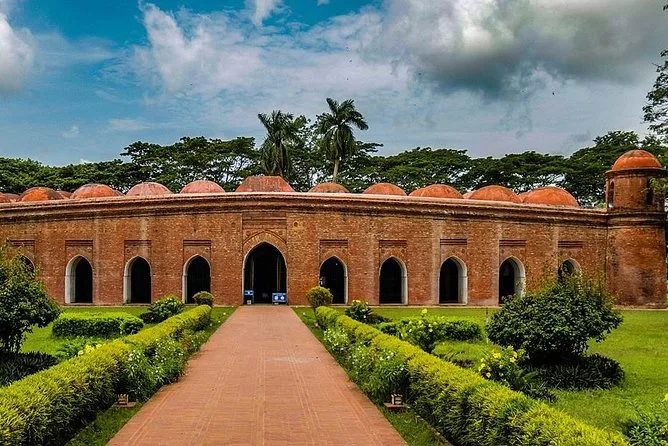
Bagerhat is all about red brick mosques from centuries past—the Sixty Dome Mosque stands out most, especially when sunlight slants through its arches in late morning. Getting around by tuk-tuk and rickshaw here is half the fun; don’t expect luxury but you’ll get plenty of smiles from drivers.
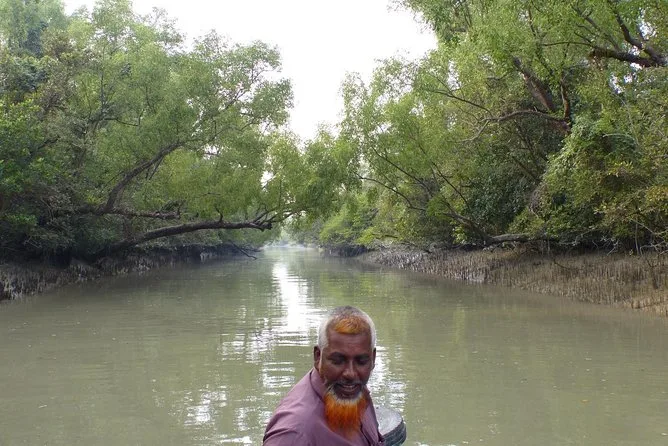
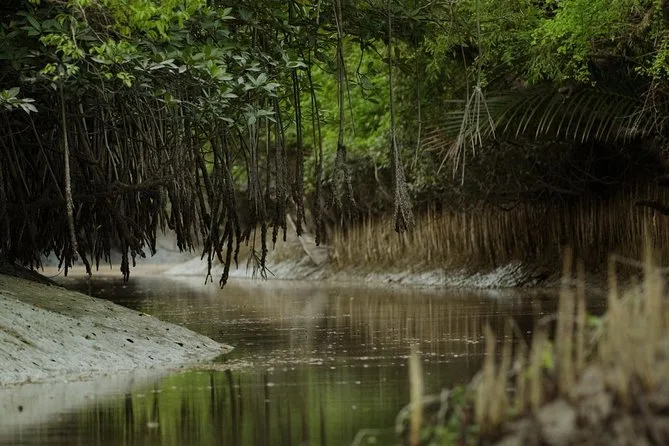
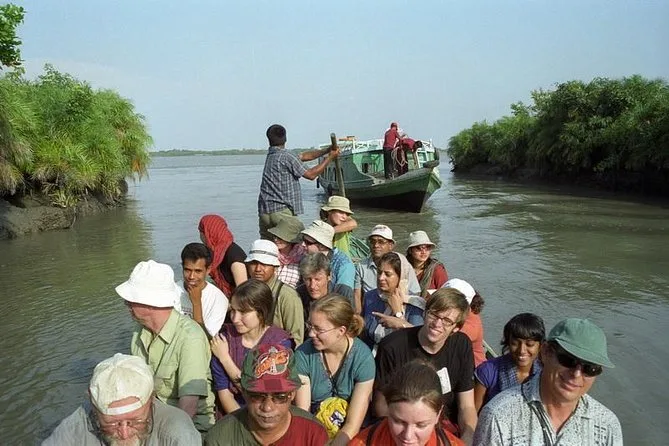
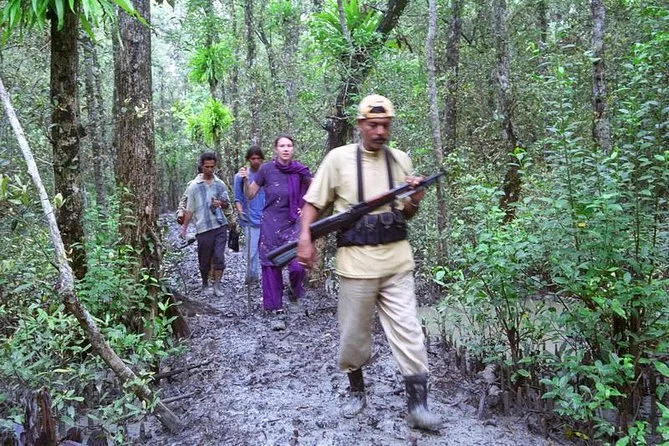
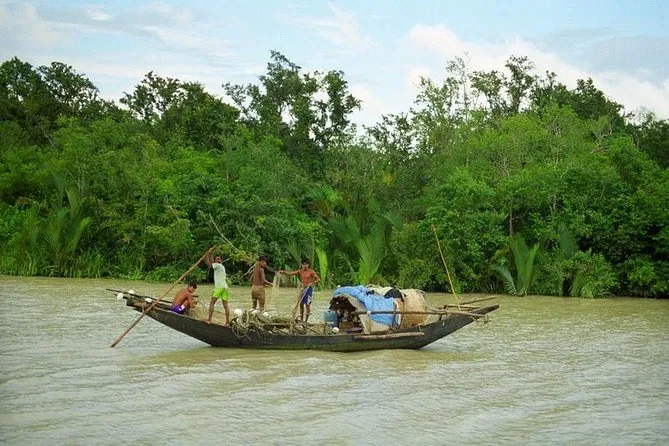
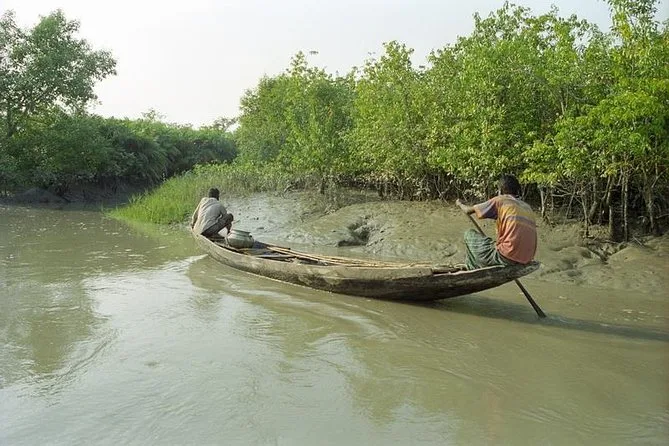
The Sundarbans trip was something else entirely—early mornings gliding through tangled mangrove creeks on a wooden rowboat while kingfishers darted overhead. Our forest guide pointed out fresh tiger tracks in muddy banks (no tigers spotted though). Nights were spent on a small motorboat listening to frogs and distant bird calls; cabins are basic but clean enough if you’re not fussy.
After Khulna we took a train to Rajshahi—the ride itself was an adventure with vendors hopping on at every stop selling spicy puffed rice snacks wrapped in newspaper. Puthia village surprised me with its cluster of Hindu temples surrounded by ponds where kids splash after school.
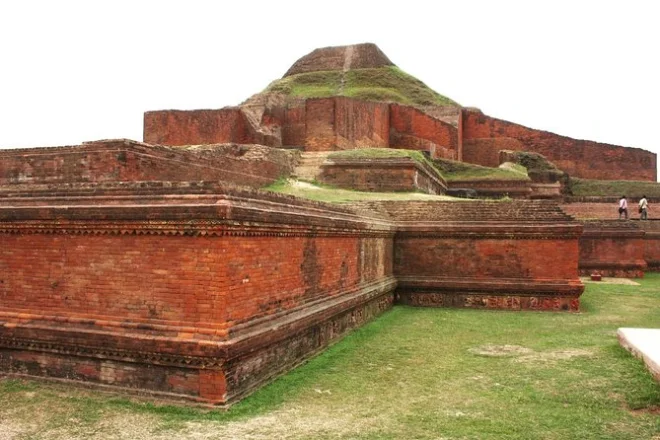
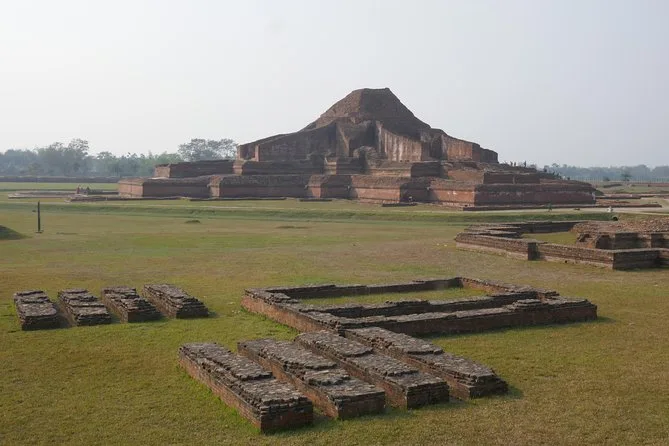
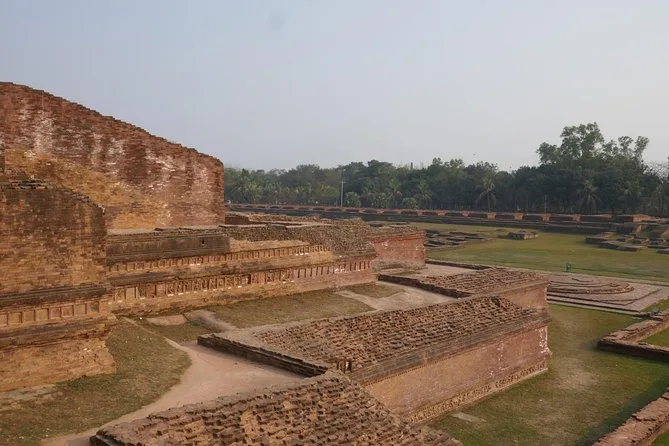
Paharpur Monastery rises suddenly out of flat fields—a massive brick ruin echoing with history (and birdsong). On market day at Saheb Bazaar in Rajshahi you’ll see everything from jackfruit pyramids to handwoven baskets stacked high before noon rush fades away.
Bogra brought us to Mahasthangarh—the oldest city ruins I’ve ever walked through—and if time allows there’s Atia Mosque near Tangail with its faded terracotta tiles worth a quick detour before heading back to Dhaka for one last night.
 9d
9d

Step-by-step itinerary
Day 1 — Explore Dhaka City Highlights
- Visit Bangladesh National Parliament exterior
- Tour the National Museum
- Visit University of Dhaka
- See Language Movement Monument
- Visit Hussaini Dalan Shrine
- Explore Dhakeshwari Temple
- Tour Lalbagh Fort
- Visit Star Mosque
- See Armenian Church
Day 2 — Sonargaon Old Capital Tour
- Visit Sonargaon and key sites
- See Goaldi Mosque
- Explore Panam Nagar
- Tour Folk Arts and Crafts Museum
- Experience Street Hawkers Market
- Walk through Shakhari Bazaar
- Visit Ahsan Manzil (Pink Palace)
- Rowboat ride at Sadarghat Port
Day 3 — Bagerhat Mosque City Excursion
- Visit Bagerhat mosques and transfer to Mongla/Khulna
Day 4 — Sundarbans Forest Trip Day 1
- Begin Sundarbans forest trip by boat
Day 5 — Sundarbans Forest Trip Day 2
- Continue Sundarbans wildlife exploration
Day 6 — Sundarbans Trip and Khulna Transfer
- Complete Sundarbans trip and transfer to Khulna
Day 7 — Rajshahi and Puthia Temples
- Train to Rajshahi and visit Puthia temples
Day 8 — Rajshahi to Bogra Excursion
- Visit River Padma bank and Saheb Bazaar market
- Visit Kusumba Mosque
- Tour Somapura Mahavihara monastery
Day 9 — Bogra to Dhaka Return
- Visit Mahasthangarh ruins and drive to Dhaka

Top questions

How comfortable are the accommodations?
Rooms are simple but clean—think standard hotels or guesthouses rather than luxury stays. On boats (for Sundarbans/river cruise), cabins are basic with shared washrooms but well-kept.
Is this tour suitable for older travelers?
If you’re reasonably fit and okay with some walking (sometimes over uneven ground) plus basic transport like buses or boats, you’ll be fine! Guides help out wherever possible.
What happens if Sundarbans trips aren’t running?
If your dates fall between April–August when forest trips close, your guide will arrange alternative village experiences so you still get an authentic slice of rural Bangladesh life.
Are meals included during the tour?
Full-board meals are included during your Sundarbans trip; elsewhere meals aren’t included so you can try local food at markets or cafés along the way (guides have great recommendations).

What’s included
This trip covers all main transport (buses, trains, ferries), entry fees as per itinerary, professional guides throughout—including historians for key sites—and two nights/three days full-board on a shared motorboat for Sundarbans (when available). Accommodation is provided for five nights in standard hotels/guesthouses plus two nights onboard boats/ferries as described. All necessary permits for forest entry are sorted too!
 Super deal
  Free booking, free cancellation.
  Don't lose your place.


 Do you need help planning your next activity?
  +507 6792-0894


